Teach recall in quiet, easy settings first, then practise near water only while your dog is securely attached to a lead or long line. Reward every successful return, build distractions gradually, and keep physical control wherever a missed response could be dangerous. Training can improve recall; it cannot make off-leash access to water risk-free.
Build the recall before you approach water
Choose one cue and make it worthwhile
Pick a short word or whistle and use the same cue consistently. Begin in a quiet room or another low-distraction place, when your dog is ready to respond. Say the cue once, then reward the approach with something your dog genuinely values: food, a favorite toy, play, or praise.
If your dog does not respond, do not repeat the cue over and over. Make the next attempt easier: reduce the distance, remove distractions, or wait for a better moment. The American Veterinary Society of Animal Behavior recommends reward-based methods for all dog training: “Evidence supports the use of reward based methods for all canine training.”
Reward the whole return
Start close enough that success is likely. Call once when your dog is able to respond, encourage them to come all the way to you, and reward them when they arrive. Practise a gentle collar touch or clipping on a lead separately, pairing the handling with rewards so your dog does not learn to dodge you after coming close.
The Tool Desk
Outbyte PC Repair FREERepair Windows errors before they cause bigger problemsFix Now →Outbyte Driver Updater FREEScan for outdated or missing drivers - takes under a minuteDriver Scan →#1 Best Overall

- Easy-to-blow design
- Long range control
- Protects handler's ear
- Directs sound forward
Sometimes reward your dog and then release them back to a safe activity. If coming when called always ends play or means going home, your dog may become less willing to return.
Increase distance and distractions in small steps
Progress only while your dog is succeeding at the current level. Add one challenge at a time—either more distance or a stronger distraction—and go back a step if your dog struggles. A useful sequence is:
Rank #2

- Preferred by Labrador, Retriever, Collie, Greyhound and larger breeds. Offers a longer range than the 210.5, approximately 450-500 yards.
- Developed over four years in collaboration with World Champion dog trainers to create an unrivalled whistle. Patented sound chambers offer a more efficient use of air. That means brighter sound giving you better command and a more responsive dog, close- to and over distance.
- Standardized Frequency: 5400Hz. The Acme 211.5 Alpha maintains a standardized frequency, ensuring your dog recognizes your call. Choose a different color whistle for your partner, family members, dog walker, or even to match an outfit for a special occasion, knowing that your dog will respond to the whistle, whoever is blowing it!
- Made from BPA-free plastic to food-grade standards, with new and improved all over ergonomic grip offers softness in the mouth and perfect handling in all conditions.
- Genuine ACME whistle made and rigorously tested in the UK by specialists with over 150 years of experience.
- Indoors: Practise short recalls in a quiet room, then from one room to another.
- Calm outdoor setting: Practise on an ordinary lead, rewarding check-ins and returns.
- Open area: When the previous stage is going well, use a long line to allow more distance while keeping control. Blue Cross advises using a harness with leads longer than a walking lead and using longer lines well away from roads: Blue Cross recall-training guidance.
- Stronger distractions: Introduce mild distractions first, increasing their intensity only when your dog can still respond. Do not use the long line to drag your dog toward you; manage it so your dog stays safe.
Long lines of 20 or 30 feet are examples discussed in the American Kennel Club’s step-by-step guidance, not required lengths for every dog or location. Choose a line and training space you can handle safely, avoiding roads and places where the line could snag. See the AKC step-by-step recall guide.
Practise near water without giving up control
Water can bring strong distractions—such as waves, wildlife, other dogs, or the chance to swim. Do not make it your dog’s first major test of recall. Start far enough from the water that your dog can notice it and still respond, with your dog attached to a lead or long line. Reward easy check-ins and recalls, and move closer only while your dog remains relaxed and responsive.
Free tools Windows power users keep installed
One-click scans. No signup required.
Rank #3
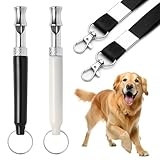
- Effectively Reduce Excessive Barking: Gently blow the ultrasonic dog whistle to capture your dog's attention and interrupt unwanted barking. The high-frequency sound provides a safe and effective way to calm your dog during noisy moments, without disturbing you or your neighbors.
- Precise Frequency Adjustment: Easily find the perfect pitch for your dog's hearing. By simply turning the integrated screw, you can fine-tune the frequency and observe your dog's reaction to discover the most noticeable and responsive setting for effective training.
- Durable & Corrosion-Resistant Design: Crafted from high-quality 304 stainless steel, this whistle is built to last. It's resistant to rust and wear, ensuring reliable performance during all your outdoor adventures and training sessions, year after year.
- Long-Range Training & Recall: Train your dog to respond to commands from distances of up to 1000 meters. Whether you're calling them back during off-leash fun or reinforcing obedience cues like 'sit' or 'stay', this whistle ensures they hear you clearly, even when out of sight.
- Versatile for All Breeds & Sizes: This training tool is suitable for every dog, from small Beagles to large German Shepherds. It's an essential accessory for puppy training, correcting behavioral issues, or strengthening your bond with a well-trained adult dog.
- If your dog fixates on the water, becomes overexcited or frightened, or ignores the cue, increase the distance and return to an easier stage.
- Keep the line managed, and choose a position where it cannot put your dog, you, or others at risk.
- Check local leash rules and access restrictions; requirements vary by location.
- For off-leash recall practice, choose a secure fenced area rather than relying on a water-side location.
The AKC’s recall guidance puts the limit plainly: “Therefore, only let your dog off leash in a safe environment.” AKC step-by-step recall guidance.
Independent reader supportYour contribution helps us test, update, and keep practical guides available for everyone.Keep safety separate from training
A recall is a trained behavior, not a physical barrier. Even a dog with strong recall may fail to respond, so keep your dog attached wherever a missed response could endanger them, another person, or wildlife. The AKC likewise cautions that even a very well-behaved dog will not be perfect.
Swimming ability varies among dogs. If your dog is taking part in water activities, a properly fitting flotation vest may offer support, but it does not teach recall or replace active supervision. The AKC suggests considering fit, visibility, appropriate flotation, and a sturdy handle when choosing one: AKC guidance on dogs and swimming. If you cannot practise safely or your dog has behavior concerns, seek help from a qualified reward-based trainer.
Quick Recap
Product prices and availability are accurate as of the date/time indicated and are subject to change. Any price and availability information displayed on Amazon at the time of purchase will apply.




