
Some links on this page are affiliate links: if you buy through them we may earn a commission, at no extra cost to you.
Scratching alone cannot identify the animal in your wall. The Internet Center for Wildlife Damage Management warns that sounds are not a reliable species diagnosis. Light nighttime rustling paired with rice-sized droppings, gnawing and shredded nesting material points more toward mice; louder clawing with raisin-sized droppings, greasy rub marks, burrows and a musky odor raises concern about rats. Birds, squirrels, raccoons, opossums, bats and even mechanical noises can sound similar. Confirm the species with droppings, damage, travel marks and entry routes before you trap, poison or seal an opening.
What does scratching in a wall usually mean?
Wall scratching means that something is moving, feeding, nesting or rubbing against materials inside a cavity, but the sound by itself is too nonspecific to name the species. A research-based wildlife-damage table associates scratching in walls with rats, mice or birds; running in an attic with squirrels; and heavy walking with raccoons or opossums. Treat the noise as a prompt to inspect, not as proof.
As an Amazon Associate I earn from qualifying purchases.
Quick wins for a faster PC:
Repair Windows errors before they cause bigger problemsFix Now →Fix the driver behind crashes, sound loss and screen glitchesFind Drivers →Clear out junk files and repair common Windows errorsFree Scan →Start by recording the exact location and circumstances. Note whether the sound is in a wall, ceiling, attic or crawl space; whether it occurs at night, during daylight or around dawn and dusk; and whether it is a scrape, rapid scurry, gnaw, chirp, thump or vocal call. Timing narrows the possibilities, but physical evidence must decide what to do next.
Sound patterns that provide clues
| Sound or activity | More consistent possibilities | Why it is not conclusive |
|---|---|---|
| Light scratching, rustling or quick scurrying after dark | Mice or rats | Small wildlife and birds can move through the same spaces. |
| Louder clawing, scrambling, gnawing or apparent fighting | Rats, especially where other rat signs are present | Wall construction can amplify small movements. |
| High-pitched chirps | Bats or birds | Rodents can also make quiet squeaks. |
| Movement in an attic during the day | Squirrels | Other animals may be active during daylight if disturbed. |
| Heavy steps, thumps or loud vocalizations | Raccoons or opossums | Large sounds can travel through framing and ducts. |
Wildlife Illinois recommends combining the sound with droppings, chew marks, insulation paths and direct sightings. Maine wildlife guidance adds a useful negative clue: bats do not gnaw holes, shred nesting material, chew electrical wiring or cause structural damage. A lack of those forms of damage does not prove bats, but their presence makes a rodent explanation more likely.
Popular on Amazon

- GET RID OF MICE: These wide pedal mouse snap traps deliver reliable rodent control, providing quick and clean elimination when used near along walls or near signs of rodent activity
- 12-PACK VALUE: Complete set of 12 wooden mouse traps offers comprehensive pest control coverage, ensuring you have multiple snap traps ready for immediate deployment throughout your entire property
- PRECISION TRIGGER: Advanced plastic pedal mechanism activates instantly upon contact, with this large trip pedal delivering swift rodent elimination for higher catch rates. Equipped with two settings, you can control the trigger sensitivity to adjust it to your liking
- SUSTAINABLE CONSTRUCTION: Crafted from FSC certified wood sourced from responsibly managed forests, these mousetraps combine environmental responsibility with the durability needed for effective mice control
- REUSE OR DISPOSE: Each reusable mouse offers flexible cleanup options as you can either dispose of the entire trap or clean and reset for continued rodent trap performance as needed to continue ongoing pest control throughout your home
How can I tell if the scratching is from mice?
Mice become the leading explanation when light, intermittent scratching or scurrying is accompanied by small droppings, a urine smell, gnaw marks and shredded paper, upholstery or fabric used as nesting material. Illinois Extension describes mouse droppings as about one-quarter inch long; another integrated-pest-management guide compares them with rice grains.
Evidence that supports mice
- Droppings: Small, tapered pellets roughly the size of rice grains or about a quarter inch long.
- Noise: Light rustling, scratching, quiet squeaks, rapid scurrying or chewing, often after dark.
- Nesting: Shredded paper, upholstery, fabric or other soft material gathered in protected spaces.
- Damage: Small holes, fresh gnaw marks and chewed food packaging.
- Odor: A noticeable urine smell around travel routes, cupboards, wall bases or hidden voids.
One sign is rarely enough. A single pellet can be tracked in from elsewhere, and a faint sound can come from a bird or a pipe. Several matching signs in the same route are much stronger evidence than volume or timing alone.
The Tool Desk
Outbyte PC Repair FREEClear out junk files and repair common Windows errorsFree Scan →Outbyte Driver Updater FREEScan for outdated or missing drivers - takes under a minuteDriver Scan →How can I tell if the scratching is from rats?
Rats generally produce more forceful clawing, scrambling, gnawing or fighting sounds than mice, particularly at night. The case for rats strengthens when you find larger droppings, greasy rub marks, burrows, gnawed entry points and a musky smell. University of Georgia Integrated Pest Management describes rat droppings as about the size of raisins, a useful contrast with mouse pellets.
Evidence that supports rats
- Droppings: Larger pellets, approximately raisin-sized according to the University of Georgia description.
- Noise: Loud clawing, repeated gnawing, scrambling or fighting sounds.
- Travel marks: Dark, greasy rub marks where a body repeatedly contacts walls, beams or edges.
- Entry and shelter: Burrows outside, enlarged holes or heavily gnawed openings around foundations and utility penetrations.
- Odor: A stronger musky smell associated with urine, feces or body oils.
Large droppings outside but only a faint wall noise inside can still indicate rats; sound is altered by insulation, drywall and framing. Conversely, a loud noise does not establish rat activity without matching physical signs.
Also popular on Amazon

- PROVEN PERFORMANCE: These Victor mouse traps offers reliable rodent control with over 120 years of trusted effectiveness, providing snap traps for mice that eliminate pests quickly and cleanly for indoor home use
- 12-PACK VALUE: Complete mice traps indoor set includes 12 wooden snap traps, offering comprehensive pest control coverage for multiple rooms and ensuring you have backup mousetraps when needed for continuous protection
- METAL PEDAL PRECISION: Advanced metal trigger system provides instant activation when mice interact with the trap, delivering immediate snap mouse trap results that outperform traditional designs for superior rodent elimination
- SUSTAINABLE CONSTRUCTION: Crafted from FSC certified wood sourced from responsibly managed forests, these mousetraps for indoor mice combine environmental responsibility with durable performance for long-lasting pest control
- VERSATILE USAGE: Choose between disposable convenience or reusable functionality after each catch, making these mice traps indoor adaptable to your preferred cleanup method while maintaining consistent trapping effectiveness
Could a squirrel, raccoon, bird, bat or opossum be causing it?
Yes. Several animals use wall voids, attics, roof lines or chimneys, and each can be mistaken for a rodent. The location, time of day, type of sound and evidence left behind help separate them.
Squirrels
Daytime running or scratching in an attic or roof space is compatible with squirrels. Look along roof lines, soffits, vents and tree-to-roof routes for entry points, nesting material and tracks. Squirrels may be active when rodents are usually hidden, but daylight activity is a clue rather than a diagnosis.
Raccoons and opossums
Heavy walking, thumps, loud vocalizations or forceful scratching can indicate a larger animal such as a raccoon or opossum. Their weight can make ceiling or attic movement sound dramatic. Do not reach into a cavity or attempt to handle one; a frightened wildlife animal can bite or scratch.
Birds
Birds often chirp, flap or make repeated pecking and rustling sounds. Scratching in a wall can still be associated with birds, especially near vents, eaves or chimneys. Check for feathers, nesting material and exterior openings rather than relying on the sound alone.
Also popular on Amazon

- 🐀【Reusable & Durable】The mouse traps indoor for home is made of high-strength plastic ABS, which can be cleaned and is easy to remove peculiar smells and blood. A nail hole fixing clip is added to the tail to prevent displacement, guarantee mouse trap sensitivity, which can be used multiple times.
- 🐀【High Sensitivity & Quick Kill】 Best mouse traps for home adopts double spring design, strong bite force, compared with the original version mousetrap, the sensitivity and efficiency have been greatly improved, 0.025lbs can quickly trigger mouse snap trap. It does not take up space and can be placed flexibly.
- 🐀[Safe to Use] The new Human Power Mouse Killer non-toxic, safe, non-contact design, you can safely place the bait without worrying about getting your fingers caught. Say goodbye to ineffective pest control methods and protect your home from rats, mice, mouse, small mice, etc. It is recommended to use a small amount of peanut butter as a bait
- 🐀【Easy to Set Mouse Traps] Just put the bait in the bait cup and press the spring of rodent traps outside to complete the setting. You can use mouse traps indoors and outdoor. Do not touch the mice after setting, and keep them away from children, the elderly and pets to avoid injury.
- 🐀【Wide Applications】Our trap has the unique capability to catch both mice and small sized rats, suitable for both indoor and outdoor use, such as kitchen, living room, bathroom, warehouse, garden, garage etc.
Bats
High-pitched chirps and fluttering can point toward bats, particularly around attics, roof edges and chimneys. Bats do not gnaw holes, shred nesting material, chew wiring or create the structural damage typical of rodents. Do not seal a suspected bat opening until you know the animals are out; wildlife-protection rules and exclusion timing vary by jurisdiction, and some species may have legal protections.
Mechanical or building noises
Heating and cooling ducts, plumbing, expanding or contracting framing, roof movement and electrical components can create intermittent clicks, scrapes or pops that resemble an animal. If no droppings, damage, odor or entry route appears after a careful inspection, have a qualified building or pest professional assess the noise before placing traps.
What’s actually slowing this PC down?
Pick the symptom - the matching free tool is one click away.
How do I verify what is making the noise?
Use a structured inspection that combines timing, droppings, damage, travel evidence, odors and exterior access. Avoid disturbing insulation or entering an unsafe attic until you know the space can be reached safely.
- Record timing and location. Write down the room, wall or ceiling section, the exact time, duration and sound type. Mark whether it is at night, in daylight, at dusk or near dawn, and whether it is close to a chimney, vent, garage or plumbing chase.
- Search for droppings. Inspect cupboards, under sinks, attics, crawl spaces, wall bases and likely travel paths. Fresh feces are often shiny and soft; older droppings become dry, lighter and crumbly. Do not sweep or vacuum suspected rodent droppings dry, because contaminated dust can become airborne.
- Inspect damage. Look for chewed food packages, wiring, wood, insulation, paper or fabric; holes; and fresh, light-colored gnaw marks. Photograph locations before cleaning so a professional can see the pattern.
- Check travel evidence. Look for greasy rub marks, tracks, worn paths, burrows and entry holes. Repeated edge marks support an animal traveling the same route, while isolated debris may be unrelated.
- Evaluate odors and urine. Rodent urine, feces, body oil and musky wildlife odors can identify an active route. A UV flashlight may reveal fluorescent urine traces, but detergents, fibers and other materials can fluoresce too, so treat UV findings only as supporting evidence.
- Inspect exterior access. Examine foundations, vents, roof lines, chimneys, utility lines, attached garages and branches or other tree routes. A small opening can matter: the Centers for Disease Control and Prevention says some rodents can squeeze through a hole as small as a dime.
- Compare all clues. Choose the explanation that fits the complete pattern, not the loudest sound. If signs conflict or the animal could be protected wildlife, stop short of trapping or exclusion and arrange an inspection.
What should I do if the evidence points to mice or rats?
For confirmed rodent activity, remove food, water and shelter, then use exclusion and appropriate traps. The CDC recommends spring-loaded snap traps for existing rodents and advises covering wall holes, storing food and water in thick sealed containers, and disposing of trash promptly.
Also popular on Amazon
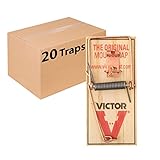
- EFFECTIVE MOUSE CONTROL: Designed specifically for mice traps indoor, this trap delivers a clean and instant kill; ideal for household use
- PRECISION TRIGGER SYSTEM: The snap mouse traps indoor pedal works with precision to immediately trigger the bar, providing quick rodent elimination
- TIME TESTED PERFORMANCE: Relied on for over 120 years, these Victor original wooden snap traps for mice are favored by both consumers and professionals for their consistent results
- REUSABLE MOUSE TRAPS: After a catch, choose the cleanup method that suits your needs best, whether you prefer to dispose of the rodent trap entirely or to reuse the trap
- SUSTAINABLY SOURCED MATERIALS: Made from FSC certified wood, these mouse traps indoor are made of materials harvested from responsibly managed forests
Immediate steps indoors
- Transfer grains, pet food and other attractants into thick, sealed containers.
- Clean food spills and remove rubbish promptly; do not leave pet food or water out overnight when practical.
- Keep children and pets away from droppings, contaminated materials and traps.
- Use spring-loaded snap traps where rodent evidence is confirmed, following the trap manufacturer’s placement and safety instructions.
- Document chewed wiring or structural damage before covering it; electrical damage requires a qualified electrician or pest professional.
Seal entry points only after inspection
EPA guidance recommends removing food, water and shelter sources and sealing holes; steel wool is one example for plugging small openings. Match the repair to the gap and protect the material from being pulled out. First make sure no animal remains inside. Sealing a wall, attic or chimney while bats, birds or wildlife young are present can trap animals, create odor and cause additional damage. Local wildlife-protection rules may also restrict when and how exclusion is performed.
When should I call a pest or wildlife professional?
A thorough site inspection is the foundation of effective wildlife-damage control. Arrange professional help when the sound is ambiguous, the opening is difficult to reach, wiring may be damaged, or the work requires entering a roof, attic, crawl space or wall.
PC Slower Than It Used to Be?
A free scan shows the junk files, broken settings and background clutter dragging Windows down - then fixes them in one click.Free scan · Windows 10 & 11Outdated Drivers Are Slowing You Down
One free scan finds every outdated or missing driver and matches the right update for your exact hardware.Free scan · exact hardware match- You cannot distinguish a rodent from a bat, bird or larger wildlife animal.
- There are heavy thumps, aggressive vocalizations or signs of a raccoon, opossum or other animal that could bite.
- The suspected entry point is on a roof, chimney, high wall, confined crawl space or unstable structure.
- You find chewed electrical wiring, extensive insulation damage or contamination in an air duct.
- Droppings or odors continue after food sources and obvious openings are addressed.
- An animal may be inside when an opening needs to be closed, or young may be present.
Choose a licensed pest-management or wildlife-control provider familiar with local regulations. Ask for an inspection that identifies the species evidence, entry route and exclusion plan rather than a promise based only on the sound.
Independent reader supportYour contribution helps us test, update, and keep practical guides available for everyone.What health precautions matter while investigating?
The CDC says rodents can spread disease, bite people or pets, and trigger asthma attacks or allergic reactions. Treat droppings, urine, nesting material and contaminated insulation as potentially hazardous. Wear appropriate protective equipment, improve ventilation when safe, and follow public-health guidance for cleaning; people with asthma, severe allergies or a weakened immune system should consider having a professional handle contamination.
Also popular on Amazon

- 🐀【Reusable & Durable】The rat control is made of high-strength plastic ABS, which can be cleaned and is easy to remove peculiar smells and blood. A nail hole fixing clip is added to the tail to prevent displacement, guarantee mouse trap sensitivity, which can be used multiple times.
- 🐀【High Sensitivity & Quick Kill】 Best mouse traps for home adopts double spring design, strong bite force, compared with the original version mousetrap, the sensitivity and efficiency have been greatly improved, 0.025lbs can quickly trigger mouse snap trap. It does not take up space and can be placed flexibly.
- 🐀[Safe to Use] The new Human Power Mouse Killer non-toxic, safe, non-contact design, you can safely place the bait without worrying about getting your fingers caught. Say goodbye to ineffective pest control methods and protect your home from rats, mice, mouse, small mice, etc. It is recommended to use a small amount of peanut butter as a bait
- 🐀【Easy to Set Mouse Traps] Just put the bait in the bait cup and press the spring of rodent traps outside to complete the setting. You can use mouse traps indoors and outdoor. Do not touch the mice after setting, and keep them away from children, the elderly and pets to avoid injury.
- 🐀【Wide Applications】Our trap has the unique capability to catch both mice and small sized rats, suitable for both indoor and outdoor use, such as kitchen, living room, bathroom, warehouse, garden, garage etc.
Do not put your hands into wall openings, attic nests or unknown cavities. A hidden animal can defend itself, and a bat encounter may require prompt medical advice even when no bite is obvious. If a person or pet is bitten or scratched, wash the area and contact a healthcare provider or veterinarian promptly.
Which clue is most reliable: sound, droppings or damage?
Physical evidence is generally more useful than sound. A repeated combination of species-appropriate droppings, chew marks, nesting material, travel marks, odor and an exterior entry route is stronger than any single clue. Sound helps you decide where to look, while the inspection determines whether trapping, exclusion, wildlife handling or building repair is appropriate.
Do these 3 things before closing this tab:
1Scan for outdated or missing drivers - takes under a minute2Repair Windows errors before they cause bigger problems3Fix the driver behind crashes, sound loss and screen glitches| Evidence | What it can tell you | Limit |
|---|---|---|
| Sound and timing | Where and when to inspect; broad possibilities such as rodents, birds or larger wildlife | Wall materials amplify and distort noises. |
| Droppings | Approximate animal size and an active travel area | Old feces can be moved or misidentified. |
| Gnawing and nesting | Supports rodents when wiring, packaging, wood or soft materials are damaged | Absence does not rule out a newly arrived animal. |
| Grease marks, tracks and burrows | Shows repeated travel and can support rat or larger-animal activity | Dust, dirt and unrelated traffic can leave marks. |
| Exterior openings | Shows how an animal may enter and where exclusion should focus | An opening may be old, shared or still occupied. |
What is the safest order of operations?
The safest sequence is identify, remove attractants, exclude and then monitor. Do not begin by sealing every hole or placing poison in a wall where the species and occupancy are unknown.
- Map the noise and inspect accessible areas for droppings, damage, odor and travel marks.
- Remove food, water and shelter that could sustain rodents or wildlife.
- Decide whether the evidence supports rodents, another animal or a non-animal source.
- For confirmed rodents, use properly placed spring-loaded snap traps and repair entry points after activity is controlled.
- For bats, birds or larger wildlife, obtain species-appropriate exclusion advice before closing openings.
- Recheck the original route and exterior access points for fresh signs after corrective work.
Frequently Asked Questions
Can a recording or phone app identify the animal in my wall?
A recording can help document when and where the noise occurs, but it cannot reliably identify the species through drywall, insulation and framing. Use it as a log for an inspector, then verify the source with droppings, damage and entry evidence.
What if I hear scratching but find no droppings?
The animal may be using a sealed wall cavity, the evidence may be too new to see, or the sound may be mechanical. Inspect nearby accessible spaces and exterior openings over several days; persistent noise without animal signs warrants a building or wildlife inspection rather than immediate trapping.
Is it safe to seal a hole as soon as I find it?
Not if an animal could still be inside. Closing an occupied cavity can trap wildlife, separate young from a parent or leave a carcass behind, and bat or bird exclusion may be regulated locally.
How long should I monitor after setting a snap trap?
Follow the trap maker’s instructions and check it frequently, keeping children and pets away. If signs continue, traps remain untouched, or the species is uncertain, stop adding traps and have a professional inspect the route and entry points.





Leave a Reply