
What’s actually slowing this PC down?
Pick the symptom - the matching free tool is one click away.
Some links on this page are affiliate links: if you buy through them we may earn a commission, at no extra cost to you.
Yes—one recently worn, clean, dry shirt can give a cat a familiar human scent and may help it settle, particularly in a quiet sanctuary, a new home or a carrier. Use a soft, intact garment without strings, loose decorations, chemicals or strong fragrance. Lay it flat where the cat already chooses to rest, then let the cat approach or ignore it and keep an exit available. Supervise at first for licking, chewing, fraying or attempts to swallow fabric. A shirt is an optional comfort aid, not a treatment for illness or persistent anxiety; prolonged hiding, appetite changes, aggression or overgrooming call for veterinary advice.
Can a worn shirt really make a cat feel safer?
A familiar caregiver scent can function as a recognizable cue in an unfamiliar situation. Cats Protection advises leaving clothing or a blanket that smells of you in a cat’s sanctuary room for the first few days after arrival, and the Cat Friendly Practice Manual notes that bedding or clothing carrying your scent can make cats feel more secure. The ISFM/AAFP guidelines also emphasize that cats should be able to control their exposure to smells rather than being forced to encounter them.
As an Amazon Associate I earn from qualifying purchases.
The effect is individual. One cat may sniff, knead and sleep on the shirt; another may ignore it or avoid it. Neither reaction proves a problem. The garment should support a familiar environment while the cat retains the choice to move away, hide, eat, drink and use the litter box normally.
Do not present a shirt as a cure for separation anxiety, pain or disease. If stress signs continue or worsen, address the underlying cause with a veterinarian instead of adding more scented items.
Popular on Amazon
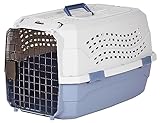
- Hard sided pet carrier with 2 doors for front and top entry; suitable for cat or medium size dog weighing 12 - 20 pounds
- Durable plastic construction with steel wire doors; screws keep the top and bottom sections securely connected
- Spring load latches ensure easy one-handed door opening and closing; top door swings open to the left or right and includes a top carry handle
- Plenty of air ventilation on the sides, top, and back of the carrier
- Note: Be sure to measure the size of the pet when choosing carrier size
How do I choose a garment that is safe?
Pick one soft, dry, intact shirt or small clothing item that has your normal scent but no hazardous parts. Inspect it before every use, especially if the cat has a history of chewing fabric.
Use a simple, intact item
- Choose a shirt with securely sewn seams and no fraying edges.
- Remove or avoid drawstrings, cords, dangling ties, loose threads, pins, detachable badges, sequins, buttons that are coming loose and other parts a cat could pull off.
- Do not use clothing that is wet, moldy or contaminated with bodily fluids, medication, cleaning products, paint or another chemical.
- A small item is easier to place flat and remove than a large, tangled garment. Never leave a pile that could cover the cat’s face or obstruct a carrier door.
String-like material and swallowed fabric can become gastrointestinal foreign bodies. Cornell Feline Health Center warns that pieces of swallowed fabric can cause life-threatening intestinal obstruction, so an apparently harmless loose thread deserves attention.
Should I wash the shirt first?
Wash a dirty garment before offering it. Use a dye-free, fragrance-free or otherwise unscented detergent, rinse thoroughly and let the item dry completely. Washing removes sweat, food and environmental contaminants while preserving some familiar scent; a heavily perfumed wash can make the result less acceptable to a cat.
Scents and laundry products to avoid
- Perfume, cologne and body sprays applied to the fabric
- Essential-oil products or concentrated botanical fragrances
- Fabric softener, scented beads and dryer sheets
- Strongly fragranced detergent or visible detergent residue
- Citrus or other intense household scents that the cat may find aversive
The ISFM/AAFP guidance recommends avoiding chemical smells, perfumes and other strong scents that may overwhelm a cat. Laundry products can also injure a cat if licked or swallowed. If a shirt has picked up a strong odor, wash it again with an unscented product or choose another garment rather than trying to mask the smell.
Where should I put the clothing?
Place the garment flat in a location the cat already regards as safe: a bed, a quiet sanctuary room, a familiar hiding area or the floor of an open carrier. Keep food, water, litter and escape routes accessible, and do not use the shirt to block a doorway or hideout.
In a sanctuary or new home
Set the shirt beside—not on top of—the cat’s preferred bedding if the cat is timid. A cat can investigate from a distance and retreat. During a new-home transition, leave the item in the sanctuary room for a few days, checking that it remains dry and intact. Remove it if the cat avoids the entire area after the garment is introduced.
Also popular on Amazon

- Hard sided pet carrier with 1 door for front entry; suitable for a cat, dog, or other small pet
- Durable molded plastic construction; locking door mechanism for secure closure
- Top handle for easy carrying
- Metal wire door and side panels provide ventilation
- Product Dimensions: 23.6 x 15.7 x 13 inches (LxWxH)
In a carrier
For transport, put the shirt flat on the carrier floor or over a separate washable pad so it cannot bunch around the cat’s head. Secure the carrier normally; never use clothing to tie the cat in place, cover its face or keep it from exiting once the door is open. If the cat becomes more distressed, remove the shirt at the next safe opportunity and continue the trip with plain bedding.
What is the safest way to introduce a worn shirt?
Use this gradual procedure whenever you offer clothing at home, during a move or for carrier practice.
- Prepare the item. Select one dry, intact shirt. Remove loose threads and detachable parts, check pockets for pills or objects, and confirm that no perfume, essential oil, softener or chemical residue is present.
- Prepare the space. Choose a quiet area where the cat already rests. Keep the route to a hiding place, food, water and litter box open.
- Place it flat. Spread the shirt so it cannot twist into a loop. In a carrier, keep the door and ventilation clear and use the garment only as bedding.
- Offer choice. Walk away and allow the cat to sniff, lie on, knead, ignore or avoid the item. Never hold the cat against it, drape it over the body or bring it repeatedly to the nose.
- Observe without hovering. Watch for relaxed investigation as well as stress signals. Check the garment when you are nearby for chewing, fraying, wetness or pulled threads.
- Remove or replace when needed. Take it away if the cat becomes more fearful, repeatedly licks it, chews it, tears it or tries to swallow pieces. A washable cat blanket is a safer substitute for a cat that mouths fabric.
How can I tell whether my cat likes the shirt?
Interpret the cat’s behavior in context rather than assuming that contact is always positive.
Neutral or comfortable responses
- Sniffing and then walking away
- Lying beside or on the fabric
- Kneading, resting or grooming normally nearby
- Returning to the location while keeping the option to leave
Ignoring the garment is also a safe outcome. The goal is an available familiar cue, not proof that the cat must use it.
Do these 3 things before closing this tab:
1Clear out junk files and repair common Windows errors2Scan for outdated or missing drivers - takes under a minute3Repair Windows errors before they cause bigger problemsResponses that require removal
- Backing away, crouching, hiding more than usual or repeatedly scanning the room after placement
- Hissing, swatting or other escalating defensive behavior directed at the item
- Persistent licking, chewing, pulling threads, fraying the fabric or trying to ingest it
- Any garment becoming wet with vomit, urine, cleaning product or another contaminant
Remove the shirt calmly without chasing the cat. Re-establish a plain, quiet resting area and use unfragranced bedding if appropriate.
What if my cat chews or eats clothing?
Chewing is not a harmless way to “use” the scent. Fabric, threads and strings can lodge in the mouth or intestine, and repeated fabric-sucking can lead to ingestion. Stop access as soon as you see destructive mouthing and switch to a cat-safe, washable blanket that the cat does not attempt to eat.
Also popular on Amazon
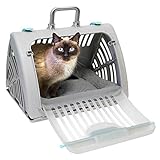
- DESIGNED SPECIFICALLY FOR CATS – PATENTED SIDE-OPENING DOOR - Original SportPet patented wide side-opening door allows cats to walk in naturally reducing fear, stress, and resistance. Ideal for anxious cats, vet visits, grooming, and everyday transport. Veterinarian recommended design for easier handling.
- HARD-SIDED CAT CARRIER WITH COMFORT BED INCLUDED - Includes 1 light gray hard-shell carrier with gray door plus an extra-comfy removable pet bed. Sturdy construction provides a safe, enclosed space cats prefer, while the soft bed adds comfort for travel or waiting rooms.
- TRAVEL-READY & VET VISIT ESSENTIAL - Perfect cat carrier for car travel, road trips, moving, and trips to the veterinarian. Smooth-closing secure door keeps pets safely contained while allowing fast, stress-free loading and unloading.
- EASY TO CLEAN & FOLD-FLAT STORAGE - Wide door opening makes cleaning quick after accidents. Carrier folds down flat for compact storage in closets, cabinets, or vehicles. Machine-washable & dryer-safe bed for hassle-free maintenance.
- IDEAL SIZE FOR LARGE CATS & SMALL PETS - Carrier dimensions: 18.5” L x 15.25” W x 14.25” H. Bed dimensions: 18” L x 13.75” W. Supports pets up to 25 lbs. Works great for large cats, small dogs, and small animals like rabbits, ferrets, and guinea pigs.
If you see chewing but no swallowed piece
- Remove the garment and any loose fragments from the area.
- Check the cat’s mouth only if it can be done without a struggle or a bite; do not pull a thread that appears anchored under the tongue or deeper in the mouth.
- Monitor eating, drinking, toileting and behavior, and contact your veterinarian if chewing repeats or the cat develops discomfort.
If fabric, string or a laundry product may have been swallowed
Contact a veterinarian or an animal poison-control service immediately for guidance. Urgent signs include drooling, vomiting, mouth pain, lethargy, refusal to eat, abdominal distress or breathing difficulty. Do not induce vomiting at home unless a veterinarian specifically directs you; pulling material from the mouth or rectum can cause additional injury.
Is a worn shirt appropriate when I am away?
It can be useful as an optional scent cue, but the risk assessment changes when nobody can supervise. A cat that sleeps on fabric without mouthing it may be able to use a simple shirt in a secure room; a cat that chews, sucks or shreds fabric should not have clothing left unattended. Remove drawstrings and loose parts, and ask the caregiver to inspect the item during visits.
Recommended Free Tools
Your scent will not prevent every stress response while you are gone. Maintain the cat’s normal feeding, litter, hiding and play routines, and arrange veterinary assessment for persistent appetite loss, prolonged hiding, aggression, overgrooming or other changes.
How does a worn shirt compare with other comfort options?
The choice depends on whether the cat values your scent, whether it mouths fabric and how much control you can provide over access.
| Option | Scent familiarity | Chewing or ingestion risk | Washability | Cat can avoid it? | Carrier suitability | Evidence and oversight |
|---|---|---|---|---|---|---|
| Recently worn shirt | High for the caregiver’s familiar scent | Present if the cat pulls threads or swallows cloth | Usually washable, provided laundry products are unscented | Yes, when laid beside the cat rather than restraining it | Useful as flat bedding if it does not bunch or obstruct ventilation | Practical comfort guidance from cat-welfare and feline-practice sources; not a treatment for anxiety |
| Washable cat blanket | Can carry your scent if you handle or wear it, but may be less personally distinctive | Still present for cats that chew fabric; choose tightly woven, intact material | Designed for repeated washing | Yes, when placed as optional bedding | Often easier to fit and replace than clothing | General bedding guidance; safety depends on the individual cat’s behavior |
| Synthetic pheromone product | Not your personal scent; intended to provide a species-specific chemical signal | Depends on the product and dispenser; prevent licking or chewing of the device or packaging | Not applicable in the same way as fabric | Only if the product is used where the cat can leave | Follow the product’s placement instructions and keep devices away from the cat’s mouth | Follow veterinary guidance and the product label; marketing claims should not replace assessment of illness or severe stress |
These options are not mutually exclusive. A cat may prefer plain bedding, and no scented aid is necessary if it causes avoidance or unsafe mouthing.
What mistakes make clothing less safe?
- Forcing contact: Holding a cat on the shirt or rubbing it on the face removes the cat’s ability to retreat and can increase fear.
- Using fragrance to intensify the effect: Perfume, essential oils, softener and dryer-sheet residue can be aversive or toxic if licked.
- Leaving hazardous hardware attached: Strings, pins, dangling ties and loose decorations are ingestion and entanglement hazards.
- Covering the cat or carrier: A garment must never obstruct the face, ventilation, carrier door or an escape route.
- Ignoring a change in behavior: Avoidance, repeated licking or chewing means the item is not helping that cat in that setting.
- Using clothing instead of medical care: Scent cannot diagnose or treat pain, gastrointestinal disease, respiratory trouble or clinically significant anxiety.
When should a veterinarian become involved?
Seek prompt veterinary advice for suspected ingestion of fabric, thread or laundry chemicals, or for drooling, vomiting, mouth pain, lethargy, breathing difficulty or refusal to eat. Emergency services are appropriate when breathing is impaired, the cat is collapsing or a foreign object is visibly lodged.
Quick wins for a faster PC:
Clear out junk files and repair common Windows errorsFree Scan →Fix the driver behind crashes, sound loss and screen glitchesFind Drivers →Also popular on Amazon

- Multi-Scenario Safe Travel: Measuring 22.8" L x 14.6" W x 13.4" H, this premium hard shell cat carrier is fully airline approved. It serves perfectly as a cat carrier, dog carrier, cat crate and small dog crate, comfortably holding small pets up to 22 lbs. Suitable for air travel, car rides, vet visits, house moving and daily outdoor outings.
- Full Surround Ventilation: This hard cat carrier is designed with four-sided hollow ventilation to achieve smooth 360° air circulation. The breathable cat carrier hard shell maintains a fresh and cool interior environment, effectively alleviating pets’ travel anxiety and stress during long trips
- Impact Resistant & Durable: Made of high-strength impact-resistant plastic material, this pet carrier features an integral sturdy frame that resists cracking and deformation. It can withstand frequent carrying and bumpy transit, supporting long-term daily and travel use.
- Dual Door & Comfort Handle: Comes with top and front dual-door design, making it convenient to load and unload pets. Equipped with a built-in foldable ergonomic handle for effortless carrying. This portable pet carrier can be stacked neatly to save storage space when not in use.
- Reinforced Secure Lock & Integrated Food Bowl: Adopts reinforced hardware buckles and thickened connection structure to ensure tight closure and prevent accidental separation. This airline approved cat carrier and dog carrier is equipped with an integrated food bowl, great for long-distance travel and outdoor feeding on the go.
Arrange a non-emergency appointment when hiding, appetite change, aggression, overgrooming, house-soiling or other stress behaviors persist despite a calm environment. Cats Protection, the Cat Friendly Practice Manual and ISFM/AAFP guidance support familiar bedding as a comfort measure, while feline-health sources caution that swallowed fabric can obstruct the gut. Those limits mean a shirt can accompany a care plan but should not delay diagnosis.
Frequently Asked Questions
How long can I leave my scent on a cat’s bedding before washing it?
Wash the item whenever it becomes damp, visibly dirty or strongly odorous, and use an unscented product with a thorough rinse. A clean replacement is preferable to preserving scent at the cost of detergent residue or contamination.
Can I use a shirt that has topical flea medicine or other medication on it?
No. Keep clothing that contacted medication, nicotine, recreational drugs or household chemicals away from the cat until it has been laundered safely. Ask your veterinarian how to manage any product that may have transferred to fabric.
Why does my cat suck on wool, cotton or other fabrics?
Fabric-sucking can be a habit, a comfort behavior or a sign of stress, and swallowing fibers creates a foreign-body risk. Prevent access to chewable clothing and discuss repeated sucking or ingestion with a veterinarian, especially if appetite, stool or energy changes.
Free tools Windows power users keep installed
One-click scans. No signup required.
Can another person’s worn clothing comfort my cat?
A cat may recognize and accept another familiar caregiver’s scent, but an unfamiliar person’s odor can be neutral or unsettling. Introduce the item exactly as you would your own—flat, optional and removable—and keep the cat’s normal hiding and exit choices available.





Leave a Reply