Free tools Windows power users keep installed
One-click scans. No signup required.
Work with a fearful, reactive, or aggressive dog by reducing immediate risks, using reward-based behavior support, and involving a veterinarian when concerns are serious or sudden. “At-risk” is a broad description, not a diagnosis: it can refer to a dog’s risk of distress, a bite incident, worsening behavior, or a poor outcome from handling without context. Focus on what the dog does, what happens beforehand, and what helps—not labels such as “bad” or “dominant.”
What to do first when a dog may react
Start with safety and management, not a test of the dog’s limits. Notice the situations in which the dog becomes frightened or reactive, then reduce avoidable exposure while you plan next steps. Do not deliberately provoke a reaction to see what the dog will do.
- Create distance from people, dogs, or other triggers; choose quieter routes or times when practical.
- Use doors, gates, or other suitable barriers to separate the dog from a trigger. On walks, use available objects to block the dog’s view when safe.
- Tell other people plainly that the dog needs space. Arrange routines so visitors and household members know how to avoid unwanted contact.
- Offer alternative enrichment when a trigger cannot be managed safely, rather than forcing an encounter.
These are management steps, not a cure. They can protect the dog and others while preventing repeated overwhelming experiences. AVSAB’s humane training position describes avoiding situations that trigger unwanted behavior as one part of keeping everyone safe; its management guidance also gives examples such as changing walking times or locations. Zazie Todd’s AVSAB-hosted guide to management for fearful dogs discusses practical ways to reduce exposure.
Pair management with gradual behavior work
Management makes it easier for a dog to stay below the point where fear or reactivity overwhelms learning. Behavior modification addresses the response over time. Neither replaces the other in every case: the right plan depends on the dog, the triggers, and what can be managed safely.
The Tool Desk
Outbyte PC Repair FREEClear out junk files and repair common Windows errorsFree Scan →Outbyte Driver Updater FREEFix the driver behind crashes, sound loss and screen glitchesFind Drivers →#1 Best Overall
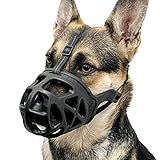
- The Only Muzzle You Need: Say goodbye to your old muzzle. The BARKLESS practical muzzle has features you need to prevent your dog from nipping, destroying, fighting and digging and eating everything while the basket-style design gives all-around mouth protection allowing your pet unrestricted drinking and panting. This muzzle for dogs make it the ideal choice for reactive dogs’ daily walks, occasional use, dog park socialization, grooming, vet visits, training, traveling, and walking
- Safe & Humane: Friendly dog muzzles are more pliable and softer, making them comfortable for the dog. Humane muzzle for dogs allow your dog to pant, drink and treat train while being worn with the uniquely designed bar spacing which forms the canine muzzle
- Easy to Use: Comfort-fit design for most sizes of breeds with adjustable head and neck straps allow you to quickly adjust the size to fit your dog, making it ideal for the puppy, small, medium, and large dogs. The twist on each side of the strap is part of a unique design, ensuring a better fit for your dog’s head shape. This is a thoughtful feature, not a defect, aimed at providing a more comfortable and secure fit
- Prevent Muzzle Slippage: An incorrect size, improper fit, or lack of muzzle training can cause the dog to remove the cage muzzle. Adjust the straps to ensure a snug fit—secure enough to keep the basket muzzle for dogs in place without causing discomfort. Check the head strap to prevent slippage. Refer to the included instructions to help your dog adjust to the dog muzzles to prevent biting
- Desensitizing Your Dog to a Muzzle: Many dogs may resist wearing cage muzzles for dogs initially, especially if they've never worn one before. To help them adjust, use gradual desensitization training—start with short periods and reward calm behavior. Over time, your dog will accept it as part of their routine
- Reward behaviors you want to see, such as checking in with you or moving away calmly, rather than punishing warning signals.
- Keep sessions at a level the dog can handle and let the dog opt out. If the dog is overwhelmed, increase distance or end the exposure.
- Set practical goals with a qualified professional, such as safer walks or calmer handling, and adjust the plan as the dog’s needs become clearer.
AVSAB recommends reward-based methods for dog training, including behavior problems, and says aversive methods should not be used. Its 2021 position statement says, “There is no evidence that aversive training is necessary for dog training or behavior modification.” The organization’s 2025 board clarification identifies that statement as its current authoritative position. Read AVSAB’s humane dog training position statement and its clarification of current position statements.
Choose handling that minimizes stress
Forceful restraint can increase the risk of injury to both people and animals. The American Animal Hospital Association advocates the least-stressful handling appropriate to the individual animal and procedure, including suitable distractions such as food or toys. For veterinary procedures, the veterinarian may consider medication or chemical restraint when appropriate for that patient and procedure. AAHA’s humane restraint guidance explains this approach.
Rank #2
- The Only Muzzle You Need: Say goodbye to your old muzzle. The BARKLESS practical muzzle has features you need to prevent your dog from nipping, destroying, fighting and digging and eating everything while the basket-style design gives all-around mouth protection allowing your pet unrestricted drinking and panting. This muzzle for dogs make it the ideal choice for reactive dogs’ daily walks, occasional use, dog park socialization, grooming, vet visits, training, traveling, and walking
- Safe & Humane: Friendly dog muzzles are more pliable and softer, making them comfortable for the dog. Humane muzzle for dogs allow your dog to pant, drink and treat train while being worn with the uniquely designed bar spacing which forms the canine muzzle
- Easy to Use: Comfort-fit design for most sizes of breeds with adjustable head and neck straps allow you to quickly adjust the size to fit your dog, making it ideal for the puppy, small, medium, and large dogs. The twist on each side of the strap is part of a unique design, ensuring a better fit for your dog’s head shape. This is a thoughtful feature, not a defect, aimed at providing a more comfortable and secure fit
- Prevent Muzzle Slippage: An incorrect size, improper fit, or lack of muzzle training can cause the dog to remove the cage muzzle. Adjust the straps to ensure a snug fit—secure enough to keep the basket muzzle for dogs in place without causing discomfort. Check the head strap to prevent slippage. Refer to the included instructions to help your dog adjust to the dog muzzles to prevent biting
- Desensitizing Your Dog to a Muzzle: Many dogs may resist wearing cage muzzles for dogs initially, especially if they've never worn one before. To help them adjust, use gradual desensitization training—start with short periods and reward calm behavior. Over time, your dog will accept it as part of their routine
When a basket muzzle may help
A basket muzzle can be an additional safety aid when a dog may need one, including for certain veterinary visits. AAHA encourages teaching a pet to accept a basket muzzle. Introduce it gradually with rewards, ensure it fits the individual dog correctly, and seek advice from a veterinarian or qualified behavior professional. A muzzle does not resolve fear and does not make forceful or unsafe handling acceptable.
When to involve a veterinarian and behavior professional
Ask a veterinarian for help when a behavior change is sudden, anxiety is serious, or fear, reactivity, or aggression persists. Pain or another health issue can affect behavior, and a veterinarian can assess possible medical contributors and decide whether treatment, medication, or referral is appropriate.
Rank #3
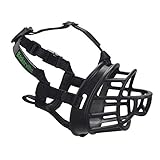
- DOGS CAN PANT AND DRINK: The Baskerville Ultra Muzzle PATENTED HUMANE DESIGN allows dogs to pant (when hot or stressed) and drink. SUITABLE FOR DAILY WALKS and longer periods of wear.
- SHAPE FOR CUSTOM FIT: Like a mouth-guard, the Ultra Muzzle can be HEAT SHAPED using warm water to fit DIFFERENT DOG NOSE SHAPES. See fitting guide for more info and to find the BEST SIZE for your dog.
- IDEAL FOR REACTIVE DOGS: you can TRAIN and REWARD treat your dog if they are reactive around other dogs, people or in new situations like the vet.
- STRONG & SAFE: Built with strong Thermo Plastic Rubber (TPR) the Ultra Muzzle is SAFE TO PREVENT BITES. Extra secure with LOCKABLE NECK STRAP CLIP, HEADSTRAP and COLLAR ATTACHMENT if needed.
- COMFORTABLE FIT: Comes in 6 sizes with PADDED STRAPS and NO METAL WORK ON DOGS FACE. Great for dog owners looking for SMALL, MEDIUM or LARGE sized dog muzzles.
For ongoing behavior concerns, an individualized plan may involve the veterinarian and a reward-based trainer or behavior consultant with relevant experience. When comparing services, ask about the professional’s education and experience with the specific concern, how the plan protects people and the dog, whether the dog can opt out, how triggers will be managed, and whether the professional will coordinate with the veterinarian when appropriate. AVSAB has a consultant directory, but says it does not certify or endorse individual trainers or credentialing bodies; a listing is not an endorsement. AVSAB’s public resources explain its position.
Medication is a veterinary decision, not a substitute for an individualized plan. ASPCA says psychoactive medication should generally be paired with behavior modification for long-term change, while short-term medication may help some animals cope with stressful events such as transport or medical exams. It does not recommend routine behavior medication for every shelter animal; decisions should reflect the individual animal. Read the ASPCA position on behavioral pharmacology for animals in shelters and rescues.
Rank #4

- 【Escape-Proof & Secure Fit】 TRIPLE ESCAPE-PROOF DESIGN — Reinforced double-hook velcro on the snout, a durable neck strap, and an elastic neck collar work together to prevent your dog from backing out or shaking the muzzle off.
- 【Upgraded Breathable Lining】 BREATHABLE 3-LAYER MESH LINING — Soft mesh outer, resilient monofilament core, and high-density inner layer maintain steady airflow, reduce skin irritation, and prevent pressure marks on your dog's snout during extended wear.
- 【Adjustable for a Perfect Fit】 Dual-point adjustment with velcro on the snout and a buckle on the neck strap lets you dial in the right fit for most any breed or head shape, from XS to XL. Fits small breeds to large dogs.
- 【Reduces Unwanted Behavior】 REDUCE BITING, BARKING & SCAVENGING — Helps manage unwanted behaviors during grooming, vet visits, outdoor adventures, social events, and daily walks — ideal for muzzle training and reactive dog management. The open front design allows dogs to pant and drink freely even with the muzzle on — no need to remove it.
- 【Effortless to Fit & Clean】Quick-release buckle and adjustable strap make on/off simple. Use treats and praise to build positive associations — puppies adapt faster with reward-based training. Rinse after use or machine wash; lay flat to dry.
How to interpret shelter and intake observations
An intake exam or a brief assessment captures behavior in a particular context; it does not necessarily predict how a dog will behave elsewhere. Pain, unfamiliar procedures, high stress soon after arrival, handling, and evaluator skill can all affect what is observed.
Staff and volunteer observations can add useful context, but records can also be affected by observer training or reluctance to report concerns. Brief standardized assessments may include provocative or frightening experiences and may be administered or interpreted inconsistently. ASPCA therefore cautions against treating one assessment as a definitive prediction. Look for observations from multiple, appropriately managed contexts and use careful adopter matching. See the ASPCA position on shelter dog behavior assessments.
Quick Recap
Best Value
- DOGS CAN PANT AND DRINK: The Baskerville Ultra Muzzle PATENTED HUMANE DESIGN allows dogs to pant (when hot or stressed) and drink. SUITABLE FOR DAILY WALKS and longer periods of wear.
- SHAPE FOR CUSTOM FIT: Like a mouth-guard, the Ultra Muzzle can be HEAT SHAPED using warm water to fit DIFFERENT DOG NOSE SHAPES. See fitting guide for more info and to find the BEST SIZE for your dog.
- IDEAL FOR REACTIVE DOGS: you can TRAIN and REWARD treat your dog if they are reactive around other dogs, people or in new situations like the vet.
- STRONG & SAFE: Built with strong Thermo Plastic Rubber (TPR) the Ultra Muzzle is SAFE TO PREVENT BITES. Extra secure with LOCKABLE NECK STRAP CLIP, HEADSTRAP and COLLAR ATTACHMENT if needed.
- COMFORTABLE FIT: Comes in 6 sizes with PADDED STRAPS and NO METAL WORK ON DOGS FACE. Great for dog owners looking for SMALL, MEDIUM or LARGE sized dog muzzles.
Product prices and availability are accurate as of the date/time indicated and are subject to change. Any price and availability information displayed on Amazon at the time of purchase will apply.




