Quick wins for a faster PC:
Scan for outdated or missing drivers - takes under a minuteDriver Scan →Clear out junk files and repair common Windows errorsFree Scan →Fix the driver behind crashes, sound loss and screen glitchesFind Drivers →Breathing difficulty in an older dog is an emergency when you can see effort or distress. Open-mouth breathing, rapid or labored breaths, abdominal effort, an extended head and neck, wheezing or stridor, blue-tinged gums or muzzle, weakness, or collapse require prompt care at the nearest emergency animal hospital. Call ahead if possible, keep the car cool, and do not delay for a home remedy or a breath count.
Cornell University College of Veterinary Medicine describes respiratory distress as “a serious medical emergency that occurs when a dog cannot get enough oxygen to meet the body’s demands and requires immediate attention.” The cause might be heart disease, an airway problem, pneumonia, fluid or air around the lungs, cancer, or a nonrespiratory illness. A veterinarian must stabilize oxygenation first and then choose tests that locate the problem.
As an Amazon Associate I earn from qualifying purchases.
What counts as breathing difficulty?
Respiratory signs range from a faster-than-usual resting rate to obvious inability to get enough air. Cornell’s canine reference range is 12–30 breaths per minute for a resting dog, on a page updated in March 2025. Resting dogs generally breathe more slowly and deeply. That number is context, not a stand-alone emergency cutoff: visible effort, posture, gum color, and a sudden change in your dog matter more than a single count.
- Rapid breathing that persists while resting
- Open-mouth breathing when the dog is not hot or exercising
- Chest and abdominal muscles working hard, or the belly visibly pushing with each breath
- Head and neck stretched forward, elbows held away from the body, or inability to lie comfortably
- Wheezing, harsh “goose-honk” coughing, stridor, or other new abnormal sounds
- Blue, gray, or very pale gums or tongue
- Weakness, fainting, confusion, or collapse
These signs do not identify one disease. Cough, for example, can occur with heart failure, airway collapse, infection, tumors, or chronic airway inflammation. Senior dogs can also have more than one problem at once.
#1 Best Overall
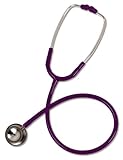
- Classic dual head stethoscope that is acoustically and aesthetically enhanced by its all stainless steel construction
- Features 2" longer tubing to enable easier auscultation of larger animals
- Incorporates a snap-on diaphragm retaining ring and a non-chill bell ring which contributes to the ease of use and maintenance
- Overall Length: Appx. 33"
- Weight: Appx. 6.7 oz
What to do before reaching the veterinarian
- Leave for veterinary care immediately if distress is visible, the gums look blue or gray, or your dog is weak or collapsing. Phone the emergency hospital while traveling so staff can prepare.
- Minimize stress and heat. Keep the vehicle cool and handle your dog gently. Excitement and overheating can worsen airway obstruction and oxygen demand.
- Position a weak dog safely. Cornell advises placing a dog that cannot stand on its stomach, supporting the chin, and extending the neck so the airway stays as open as possible. Do not force a position that increases distress.
- Do not give unprescribed treatment. Human pain medicines, leftover antibiotics, diuretics, cough suppressants, sedatives, supplements, and home oxygen equipment can be unsafe or can mask a rapidly worsening condition. Treatment and dosing depend on the diagnosis.
If you are unsure whether a change is urgent, veterinary telehealth may help with triage, but it is not a substitute for an emergency examination when respiratory distress is present.
How the veterinary workup proceeds
1. Stabilization comes before a complete diagnosis
The team first evaluates airway, breathing, circulation, posture, respiratory effort, mucous-membrane color, and oxygenation. Oxygen may be delivered in a cage, by mask, or through another method while staff keep handling to a minimum. If the airway is blocked, the chest contains air or fluid, or breathing is failing, urgent airway support or drainage takes priority over imaging.
Radiographs and other tests are valuable only when the dog can tolerate them. Moving an unstable patient for a test can worsen oxygen deprivation, so veterinarians balance diagnostic information against immediate safety.
Free tools Windows power users keep installed
One-click scans. No signup required.
2. History and physical examination narrow the possibilities
Expect questions about when the signs began, whether they are worsening, and what your dog was doing when they appeared. Tell the veterinarian about:
Rank #2

- Monitor and assess a wide range of patients and detect normal and abnormal sounds and rhythms
- Useful in non-critical care environments such as a medical office, general ward, OB/GYN, ambulatory clinic or urgent care
- More than twice as loud* as the next leading stethoscope. *Based on tests against globally-available comparable stethoscopes in an equivalent class using recorded heart sounds with diaphragm.
- Allows you to more reliably and consistently hear heart sounds at lower frequencies (below 120Hz*) like Korotkoff sounds, Mitral Stenosis and S3 and S4 Gallops when compared to other leading stethoscopes. *Based on tests against globally-available comparable stethoscopes in an equivalent class using recorded heart sounds with diaphragm.
- Weighs less** than other stethoscopes. ** Based on published weights of globally-available comparable stethoscopes in an equivalent class.
- Cough quality and frequency, voice change, noisy breathing, or gagging
- Exercise, excitement, heat, humidity, smoke, or chemical exposures that trigger signs
- Fainting, collapse, reduced stamina, appetite change, fever, vomiting, or weight loss
- Recent anesthesia, dental work, vomiting, or possible inhalation of food or liquid
- Known heart or lung disease and every medication, supplement, or preventives your dog receives
Auscultation can suggest whether sounds arise from the upper airway, lungs, or heart, but it cannot by itself prove heart failure, infection, or tracheal collapse. A short video of an episode can help if recording it did not delay care.
3. Tests are selected for the suspected location and the dog’s stability
| Possible problem area | Clues that raise suspicion (not diagnostic) | Tests a veterinarian may choose | Immediate priorities and treatment direction |
|---|---|---|---|
| Upper airway (nose, throat, larynx) | Noisy inhalation, voice change, gagging, distress worse with excitement | Mouth and oropharynx examination; laryngoscopy or endoscopy under carefully selected anesthesia; neck radiographs in selected cases | Keep the dog calm and oxygenated; relieve obstruction when possible. Laryngeal paralysis may ultimately require surgery. |
| Trachea and bronchi | Harsh dry “goose-honk” cough, signs triggered by pressure on the neck, heat, or exertion | Chest radiographs; fluoroscopy for movement during inhalation and exhalation; bronchoscopy with sampling when indicated | Reduce stress and triggers; veterinarian-selected medicines. Severe dynamic collapse may need specialist stenting. |
| Lung tissue | Fever, cough, rapid shallow breathing, reduced appetite, recent aspiration risk | Thoracic radiographs; blood and other laboratory tests; airway wash, bronchoscopy with lavage, cytology, culture, and susceptibility testing in selected cases | Oxygen and support if hypoxic; treatment directed at the identified infectious or inflammatory process. |
| Pleural space (around the lungs) | Sudden or worsening effort, shallow breaths, muffled sounds, inability to lie comfortably | Point-of-care thoracic ultrasound; radiographs when tolerated; thoracocentesis for fluid or air removal and analysis | Drain air or fluid when needed, then treat the underlying cause. |
| Heart and circulation | Exercise intolerance, cough, faster sleeping rate, fainting, or signs of fluid accumulation | Examination, chest radiographs, cardiac ultrasound, and cardiac biomarker testing as appropriate | Oxygen and veterinarian-directed cardiac treatment; remove chest or abdominal fluid when indicated. |
Merck Veterinary Manual notes that neck and chest radiographs can help assess suspected obstruction, while thoracic radiographs are recommended for lower-respiratory signs such as cough, rapid shallow breathing, or dyspnea. Pulse oximetry or an arterial blood gas measures oxygenation and helps determine oxygen needs. Point-of-care thoracic ultrasound is especially useful for assessing lung and pleural disease in unstable patients.
Heart failure and pulmonary edema
Left-sided congestive heart failure can raise pressure in pulmonary vessels and force fluid into lung tissue (pulmonary edema). Typical clues include cough, difficulty breathing, reduced exercise tolerance, a faster-than-usual sleeping or resting rate, and sometimes fainting or collapse. None of these signs alone confirms heart failure; veterinarians combine the examination with radiographs, ultrasound, and, when useful, cardiac biomarkers.
Do these 3 things before closing this tab:
1Fix the driver behind crashes, sound loss and screen glitches2Clear out junk files and repair common Windows errors3Scan for outdated or missing drivers - takes under a minuteTreatment depends on the cardiac lesion and severity. A veterinarian may prescribe diuretics to remove excess fluid, pimobendan in appropriate cases, and other cardiac medicines. Severe pulmonary edema may require oxygen. Fluid in the chest or abdomen can be removed with thoracentesis or abdominocentesis when indicated.
Rank #3

- ADVANCED ALLOY CHEST PIECE with Anti-Cooling Ring | Zinc alloy chest piece includes an integrated anti-cooling ring to help reduce patient discomfort during animal examinations.
- ERGONOMIC FIT for Extended Clinical Use | Embedded connecting spring and anatomically shaped ear tips adapt naturally to the ear for stable, comfortable wear during long shifts.
- CLEAR HEART AND LUNG SOUND Transmission | Chrome-plated zinc alloy chest piece provides consistent acoustic response for reliable cardiac and pulmonary auscultation.
- INCLUDES ATTACHABLE NAME TAG | Comes with a clip-on identification tag that attaches directly to the tubing, helping prevent mix-ups in shared clinical or educational environments.
- SOFT EAR TIPS with Noise Isolation | Secure, soft ear tips help block ambient noise and maintain comfort for focused listening in busy veterinary environments.
Do not give a diuretic for unexplained breathing trouble. Protein-rich fluid associated with pneumonia and other noncardiogenic processes does not respond to diuretics, and delaying the correct treatment can be harmful. Cough suppressants are generally not recommended for heart failure because masking a cough can obscure worsening fluid accumulation.
Monitoring a dog already diagnosed with heart disease
Your veterinarian may ask you to record your dog’s sleeping respiratory rate over time. A trend can help the veterinary team adjust an established heart-failure plan, but it cannot diagnose the cause of a new breathing crisis at home. Visible effort or distress still requires immediate examination.
Tracheal collapse
Tracheal collapse is progressive weakening and flattening of the cartilage rings that keep the windpipe open. Cornell reports that it is common in toy and small breeds, including middle-aged and older dogs. A persistent, dry “goose-honking” cough is characteristic, and episodes may worsen with excitement, exertion, heat, humidity, smoke, or pressure from a neck collar. Severe cases can cause breathing difficulty, blue gums or tongue, or fainting—an emergency.
Recommended Free Tools
Standard radiographs may show narrowing but can miss a dynamic collapse because they capture only one moment. Fluoroscopy records the trachea during inhalation and exhalation. Bronchoscopy allows direct visualization and collection of samples if infection is suspected.
Rank #4

- TRUSTED by Medical Providers since 1971 | Backed by our Full Lifetime Warranty & Replacement-Parts-For-Life Program Included| Latex-Free
- ALL-PURPOSE LIGHTWEIGHT diagnostic stethoscope that delivers accurate auscultation of heart, lung, and stomach (gastrointestinal, bowel, etc.), blood pressure flow (Korotkoff) sounds with acoustic integrity and clarity in doctor, nurse, student, etc. clinical settings or home settings.
- DUAL HEAD CHESTPIECE designed with a turnable, fully rotating stem and a true bell and true diaphragm to capture high or low frequency sounds as needed. Handcrafted from premium aluminum to deliver the ultimate value in auditory diagnostics with unmatched performance and durability in its lightweight class.
- PATENTS, HEADSET, TUBING & EARTIPS: longer, thicker and non-stick tube and ErgonoMax headset that includes a patented dual-leaf spring construction, patented Acoustic Pyramid Chamber and a patented SafetyLock Eartip adapters to maximize sound performance, durability, comfort, and extended use.
- INCLUDES: 3 pairs of Small, Regular and Large MDF ComfortSeal clear eartips, an extra diaphragm, ID name tag, Lifetime Warranty and Replacement Parts for Life program included. Makes a great gift with over 20 color variations to choose from.
Management is individualized. Possible veterinarian-selected medicines include cough suppressants, sedatives or anti-anxiety drugs, corticosteroids, bronchodilators, and antibiotics when infection is documented. Address contributing disease, avoid smoke and hot or humid conditions, and limit known excitement triggers. Cornell recommends replacing a neck collar with a harness to reduce pressure on the trachea. A harness does not treat acute respiratory distress.
Selected severe cases may need referral for an airway stent. Stenting has risks and may not eliminate the need for ongoing medical management, so a specialist should discuss expected benefits and complications.
Independent reader supportYour contribution helps us test, update, and keep practical guides available for everyone.Laryngeal paralysis
Acquired laryngeal paralysis is seen most often in middle-aged and older dogs, especially large and giant breeds. A dry cough, changed bark, noisy inhalation, and breathing that worsens with stress or exertion can be clues. Stridor, blue gums, or collapse indicate severe obstruction.
What’s actually slowing this PC down?
Pick the symptom - the matching free tool is one click away.
Merck states that diagnosis requires laryngoscopy under light anesthesia; ordinary radiographs are not diagnostic. Sedation must be chosen carefully because some drugs interfere with laryngeal motion and can obscure the examination. Temporary measures may relieve mild obstruction, while definitive treatment generally involves surgery to enlarge the glottic opening. The procedure, aspiration risk, and recovery require a specialist discussion.
Best Value
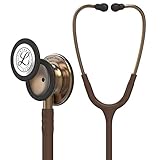
- Monitor and assess a wide range of patients and detect normal and abnormal sounds and rhythms
- Useful in non-critical care environments such as a medical office, general ward, OB/GYN, ambulatory clinic or urgent care
- More than twice as loud* as the next leading stethoscope. *Based on tests against globally-available comparable stethoscopes in an equivalent class using recorded heart sounds with diaphragm.
- Allows you to more reliably and consistently hear heart sounds at lower frequencies (below 120Hz*) like Korotkoff sounds, Mitral Stenosis and S3 and S4 Gallops when compared to other leading stethoscopes. *Based on tests against globally-available comparable stethoscopes in an equivalent class using recorded heart sounds with diaphragm.
- Weighs less** than other stethoscopes. ** Based on published weights of globally-available comparable stethoscopes in an equivalent class.
Pneumonia and other lung diseases
Pneumonia may be bacterial, viral, fungal, parasitic, or caused by aspiration. Breathing signs cannot identify the type. A history of recent anesthesia, regurgitation, or severe vomiting raises concern for aspiration pneumonia. Diagnosis combines history, examination, thoracic radiographs, and laboratory testing.
When bacterial infection is suspected—particularly if disease is severe or not responding—airway washings, cytology, culture, and susceptibility testing can help select an effective drug. Antibiotics are not automatically appropriate for every cough or every lung pattern. Treatment should follow the most likely cause and test results, with oxygen and supportive care when oxygenation is poor.
Other causes veterinarians must consider
Fluid or air in the pleural space, chronic bronchitis, an inhaled foreign body, tumors, pulmonary edema from causes other than heart failure, and combinations of diseases can all produce similar signs. Anemia, neuromuscular disease, pain, anxiety, and acid-base disturbances can mimic or worsen respiratory difficulty even when the lungs are not the primary problem.
Because several conditions may coexist in a senior dog, age, breed, cough sound, or a home video cannot establish a diagnosis. The veterinarian’s sequence—stabilize, localize, test, and then treat—reduces the risk of giving a therapy that helps one disease while worsening another.
Questions to bring to the appointment
- What body system appears most likely involved: upper airway, trachea, lungs, pleural space, heart, or another system?
- Is my dog oxygen-deprived, and what monitoring will show whether oxygen support is working?
- Which test is needed now, and what risk would postponing it carry?
- If fluid or an airway sample is collected, will it be examined for cells, infection, and antibiotic susceptibility?
- What signs mean I should return immediately after discharge?
- Which medications, exercise limits, temperature precautions, and collar or harness instructions apply specifically to this diagnosis?
Breathing difficulty is a symptom, not a diagnosis. Prompt stabilization followed by targeted testing gives a senior dog the safest chance of receiving the treatment that matches the actual cause.
Quick Recap
Product prices and availability are accurate as of the date/time indicated and are subject to change. Any price and availability information displayed on Amazon at the time of purchase will apply.




