There is no single humane pet sales law in the United States. The phrase is an umbrella for several different state rules, and whether any of them reaches a particular purchase depends on the seller type, the transaction, the species and age of the animal, where the animal came from, and which jurisdiction governs. Some states restrict or bar retail pet-store sales of dogs or cats. Others leave sales open but attach conditions, such as permitted sources, health paperwork and written disclosures. Minimum-age rules and purchaser remedies are separate again, and a state can have one without the others.
Not every state bans pet-store puppy sales, and state rules do not share one standard of humane care. A 2025 comparative table reports that approximately 28 states and the District of Columbia have a law or regulation addressing minimum puppy-sale age, usually eight weeks. That count measures age rules, not retail-sale bans.
Four separate kinds of rule sit under one label
Most questions about humane pet sales fall into one of four categories. Each has its own scope, and a single state statute may contain some of them and not others.
| Rule type | What it controls | Question it answers for a buyer | What it does not tell you |
|---|---|---|---|
| 1. Retail-store sales limits | Whether a pet store may sell or offer dogs or cats at all, and from which sources | Can this store lawfully sell this animal? | Whether a breeder, broker or private seller is covered |
| 2. Minimum-age and weaning rules | How young an animal may be when it is offered for sale | Is this puppy or kitten old enough to sell? | Whether the seller must hold a license, or whether a store may sell at all |
| 3. Licensing, care, sourcing and disclosure | Who must hold a license, where animals may come from, and what health records and information must be provided | Is the seller licensed, and what must I be told in writing? | Whether I can recover money if the animal becomes ill |
| 4. Purchaser remedies | What a buyer may do when an animal is ill or has a hereditary or congenital condition | What can I recover if the animal has a serious condition? | Whether the seller was permitted to sell the animal in the first place |
Five factors decide whether a law reaches your purchase
- Seller type. Statutes often distinguish a retail pet store from a breeder, pet dealer, broker, shelter or rescue. Definitions decide coverage, so a seller that falls outside a statute’s defined term may not be subject to that statute’s requirements.
- Transaction. Sale, offer for sale, transfer, adoption, import and display can be regulated differently. Oregon’s definition of a retail pet store reaches stores that offer animals, not only those that complete a sale.
- Animal. Species and age matter. Several rules discussed below cover only dogs, only cats or only puppies.
- Source. Some states list permitted sources for animals and bar animals from other origins.
- Jurisdiction. State law, District of Columbia law and local ordinances can all be relevant, and state preemption language can limit what a city may regulate.
What federal law covers, and what it does not
The federal Animal Welfare Act does not create an inspection regime that reaches every retail pet store. The Congressional Research Service states: “Retail pet stores—which in other respects would be considered animal dealers—are exempt from AWA licensing and inspection requirements.” (The Animal Welfare Act: Background and Selected Issues, section “Retail Pet Store Exemption.”)
Do these 3 things before closing this tab:
1Repair Windows errors before they cause bigger problems2Scan for outdated or missing drivers - takes under a minute3Clear out junk files and repair common Windows errors#1 Best Overall
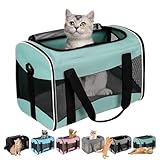
- [PRODUCT DIMENSIONS] Pet travel carrier size : 17x11x11 inches, recommended up to 15 lb pets, it is suitable for large, medium cats and small dogs. Please don't choose your airline cat carrying case based on weight, please refer to your pet's length and height when choosing a pet carrier size.
- [AIRLINE APPROVED] This cat carrier is designed with airline approved, it can fit comfortably under most flight seats, we can take our pets wherever we want. Dog travel carrier offers two attachment loop handles that can be used as a dual harness or as a luggage strap for balanced carry and secure transport.
- [EXCELLENT MATERIAL] Collapsible cat carrier is made of polyester fabric, supported by a steel ring, washable, wear-resistant and durable. The three sides and the top of this pet carrier are nylon mesh, scratch-resistant and not easy to damage, it can not only check your pet in real time, but also ensure enough air circulation.
- [SAFE AND COMFORTABLE] Dog travel bag has metal zippers on the top and side entrances, durable and not easy to deform, it allows your pets to enter and exit easily. The cat carrying case is equipped with an anti-escape safety buckle, which can effectively prevent pets from accidentally falling. It is suitable for car rides and vet rides.
- [PORTABLE AND FOLDABLE] Pet travel carrier comes with a detachable and hand washable wool pet bed, it can provide a comfortable sleeping space for your traveling pet. The cat travel case comes with an adjustable shoulder strap and handle for easy portability. When not in use, you can fold it up for storage.
The report says this exclusion applies in relevant circumstances and is largely premised on a buyer being able to examine a potential pet before purchase. A 2013 APHIS regulatory definition requires a place where the buyer could personally observe the animal before purchase. Retail outlets that do not meet that criterion may need dealer licensing and inspection. For covered licensees and registrants, APHIS standards address care, handling, shelter, feeding, watering, sanitation, ventilation, veterinary care and transportation.
Federal coverage is therefore conditional and does not reach every seller. Where federal licensing does not apply, the state rules described below are the main thing to check.
Retail-store sales limits
The most direct form of humane pet-sales regulation is a limit on the store itself. Oregon is a clear example, but it is not representative of every state.
Rank #2
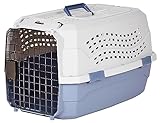
- Hard sided pet carrier with 2 doors for front and top entry; suitable for cat or medium size dog weighing 12 - 20 pounds
- Durable plastic construction with steel wire doors; screws keep the top and bottom sections securely connected
- Spring load latches ensure easy one-handed door opening and closing; top door swings open to the left or right and includes a top carry handle
- Plenty of air ventilation on the sides, top, and back of the carrier
- Note: Be sure to measure the size of the pet when choosing carrier size
Oregon: a general bar with a narrow grandfather clause
Oregon Revised Statutes § 646A.075 defines a retail pet store as a public retail establishment that sells or offers pet animals or related goods, subject to exclusions. The statute generally provides that a retail pet store may not sell or offer a dog or cat. A store that sold or offered dogs or cats before the 2023 law took effect may continue at the same physical address if its ownership did not change during a period the statute specifies. The statute’s history note lists September 24, 2023 as the effective date of the 2023 amendment. The provision also preserves qualifying rescue displays where the store has no ownership interest and receives no compensation for use of its premises.
The Tool Desk
Outbyte PC Repair FREERepair Windows errors before they cause bigger problemsFix Now →Outbyte Driver Updater FREEFix the driver behind crashes, sound loss and screen glitchesFind Drivers →Where a state permits retail sales, its rules attach conditions to the sale instead. Ohio’s source limits, covered below, are one example.
There is no current, comparable national count of states that ban retail pet-store sales that can be confirmed, so older tallies should not be treated as current.
Rank #3

- High Quality Design:Sturdy steel cage structure and wooden support board maintain good spatial stability and shape. Breathable mesh windows on four sides,which can ensure good air circulation and views,make pets have a comfortable and safe travel.It can also be easy for you to check on your pets.There is a front pocket to store pet toys,treats,etc.
- Dimension and Weight:Made of durable tear-resistant fabric.Four easy entrances for pets. Dimensions: 17 inch x 11 inch x 11 inch (L*W*H), suitable for pets up to 16 lbs.Please don't choose your carrier based on weight only,consider your pet's length and height when choosing a carrier.
- Airline Approved & Safty:Can be placed under the seats of most airplanes(Four non-slip feet on the bottom to prevent movement), and comfortably on the seat next to you in a car or bus.It has a adjustable shoulder strap.Can also be fastened to the car seat with a safety belt or shoulder strap to keep your pet safe.
- Easy to Clean :You can clean the stains and dirt on the surface with a soft cloth.Soft mat inside the pet carrier is removable and washable.You can take it out and wash it easily to solve all stains.
- Easy to Collapsible & Lightweight:When not in use,fold it into a flat,space saving and easy to store.Only 2.2lbs,it's easier to carry around.It can also used as a toy of pet house,allowing pets to play in a safe space to relax and rest.
How old must a puppy be before it is offered for sale?
The answer depends on the state, and in some states on the seller. The 2025 comparative table prepared by Rebecca F. Wisch for the Animal Legal & Historical Center at the Michigan State University College of Law describes a law or regulation on minimum puppy-sale age in approximately 28 states and the District of Columbia, with eight weeks the usual figure. The table describes its count as approximate, and it does not show which seller types, species or exceptions each age rule covers.
Age rules can include exceptions tied to the dam or to veterinary care, so an age rule does not automatically make every earlier sale unlawful. Puppy-age rules answer a narrower question than retail-sale bans. A state can regulate the age at which puppies are offered without restricting which stores may sell them, and the age count tells you nothing about that second question.
Quick wins for a faster PC:
Fix the driver behind crashes, sound loss and screen glitchesFind Drivers →Clear out junk files and repair common Windows errorsFree Scan →Scan for outdated or missing drivers - takes under a minuteDriver Scan →Licensing, sourcing, health and disclosure rules
This group of rules governs the seller and the animal rather than the sale itself. The examples below show the kinds of provisions states use:
Rank #4

- Pet Carrier: 17.5” L x 11” W x 11” H, Recommended max load of 16 lbs cats small dogs. Please do not choose your carrier based on weight--please reference your pet's length and height in selecting a pet carrier size.
- Fits for under-seat dimensions of most airlines. Every airline has a specific set of rules and regulations, please contact with airline before flying with your cats small dogs.
- Mesh windows for ventilation, top and side entry with locking zippers for safety. Carrying handles, adjustable shoulder strap which can also be used as seatbelt, and back strap can fasten the pet carrier to your luggage.
- Pet carrier comes with a removable base insert, which creates a solid surface for your pet to stand on, along with a removable & hand washable cozy fleece pet bed, which offers a cozy sleeping space for your traveling cats small dogs.
- "Toys for pets, of textile materials". Mostly used as a Toy of Fabric Pet Home for pets playing and relaxing.
- a seller license, such as the license Ohio requires for pet stores;
- a list of permitted sources for animals a store may sell;
- a health certificate from an accredited veterinarian;
- an approved permanent microchip;
- a minimum age for the buyer;
- written information about the breeder and the animal, plus public disclosures.
Ohio: rules for dog retailers
Ohio’s chapter regulates dog retailers. A pet store may not negligently sell, transfer or otherwise provide a dog unless the dog came from an allowed source: a rescue, shelter, humane society, qualifying broker or qualified breeder. The chapter also sets a minimum age of eight weeks, requires a health certificate from an accredited veterinarian and an approved permanent microchip, addresses the buyer’s age, and requires written information and public disclosures about the breeder and the dog. Pet stores must be licensed. The version reproduced by the Animal Legal & Historical Center records a 2025 amendment effective September 30, 2025, and provides for civil penalties. These are Ohio’s rules and should not be read as a model that other states follow.
Oregon: disclosures before a dog offer is accepted
Before accepting an offer to purchase a dog, an Oregon retail pet store must provide written information that includes:
- known breed, age and birth date;
- sex and color;
- vaccination and medical-treatment records;
- breeder and birthplace information;
- the applicable USDA number;
- price;
- known hereditary conditions in the parents;
- other items the statute specifies.
Purchaser remedies when an animal is ill or has a hereditary or congenital condition
Purchaser-protection statutes matter most after the sale. They may require information or veterinary documentation before the sale, and they set out remedies if the animal later proves ill or has a hereditary or congenital condition. Deadlines and the remedy available differ by state, so a buyer should not assume one national standard.
Best Value

- AIRLINE APPROVED CARRIER - With airline-approved design, you can take your pet to go to everywhere. This pet carrier provides two connecting loop handles for balanced carrying as a dual seat belt or luggage strap to secure transport
- SAFETY DESIGN - The adjustable shoulder strap help you hands-free carrying and makes it more safe and convenient pet carrier bag for your travel
- DURABLE - This cat carrier is made of durable and lightweight polyester fabric. The four-side mesh will not only give a safe and comfortable travel for your pet, but also easy for you to check on your pet
- PORTABLE & FOLDABLE - This dog carrier is easy to carry and store, which has a padded shoulder strap and handles
- BOTH SIZES AND WEIGHTS - The mediun cat carrier is designed for small and medium pets within 15" x 9" x 9"(smaller than product) and 15 lbs. Please do not choose your carrier only based on weight. Reference your pets' length and height in selecting a carrier size.If carried on board, the maximum dimensions should not exceed 18IN*11IN*11IN.
Maryland: examination and notice deadlines
The Animal Legal & Historical Center’s Table of Pet Purchaser Protection Acts describes Maryland requirements for dog-sale cage disclosures, a veterinarian health certificate, and a purchaser-rights statement. The periods below are the table’s description, not a quotation from the statute. Confirm them in the current statute, and check all exceptions, before relying on them.
| Element | Period described | What it applies to |
|---|---|---|
| Veterinarian health certificate | Issued within 30 days before the sale | Health documentation at the point of sale |
| Veterinary examination for an illness claim | Within 7 days | Required for the illness remedy |
| Written veterinary statement | Within 14 days | Part of the illness remedy |
| Certain congenital or hereditary conditions | 180-day period | The conditions the statute covers; the table summary does not list them |
The statute, not this summary, sets the date from which each period runs and which remedy the buyer may choose, such as a refund, a replacement or reimbursement. Those points differ by state.
Rescues, shelters, online listings and private sellers
Rescue and shelter transactions are not treated the same way everywhere. Ohio names rescues, shelters and humane societies among the allowed sources for a pet store’s dogs. Oregon separately preserves qualifying rescue displays in retail stores, subject to the conditions described above.
The examples here do not establish how most states treat online listings, classified advertisements or private sales. Whether a statute reaches those transactions depends on how it defines the seller, the sale and the place of sale, so check those definitions first.
Local ordinances and enforcement
Enforcement tools differ by statute. Ohio’s chapter provides for civil penalties and preempts local regulation of pet-store sales, so a city in Ohio cannot set its own pet-store sales rules on that subject. Whether a city may add requirements elsewhere turns on the state’s preemption language, not on where the seller is located.
Quick Recap
Checklist for your state
- Identify your state and every jurisdiction that governs the sale, including the city or county where the animal is sold.
- Identify the seller: retail pet store, breeder, broker, shelter, rescue, online seller or private owner.
- Identify the transaction: sale, offer, transfer, adoption or display.
- Check whether the state restricts retail-store sales of dogs or cats, and whether any grandfather or rescue-display provision applies.
- Confirm the minimum age for the species and whether an exception applies.
- Check the licensing, permitted-source, health-certificate, microchip and buyer-age rules that apply to that seller.
- List the written disclosures the seller must give before the sale.
- Note the purchaser-remedy deadlines, any required veterinary examination or statement, any hereditary or congenital period, and which remedy you may choose.
- Check local ordinances and whether state law preempts them.
- Read the current statute and regulations on the official state legislature or regulatory website, confirm effective dates and amendments, and verify before acting, because statutes and local rules change.
Product prices and availability are accurate as of the date/time indicated and are subject to change. Any price and availability information displayed on Amazon at the time of purchase will apply.




