
Quick wins for a faster PC:
Fix the driver behind crashes, sound loss and screen glitchesFind Drivers →Repair Windows errors before they cause bigger problemsFix Now →Some links on this page are affiliate links: if you buy through them we may earn a commission, at no extra cost to you.
A few bites of clean, freshly fallen snow are not known to contain an inherent poison, but snow is not a safe water replacement and repeated eating should be discouraged. Snow can hide ice melt, salt, antifreeze, fuel residue, animal waste and other contaminants. Slushy snow beside roads, sidewalks, driveways or treated paths should be considered potentially toxic. Give your dog fresh, unfrozen water instead, and contact a veterinarian or animal poison-control service immediately if chemical exposure is possible.
Snow eating also needs to be considered separately from cold exposure. Wet fur, wind and frozen ground can cause paw injury, frostbite or hypothermia even when the snow itself is clean.
As an Amazon Associate I earn from qualifying purchases.
At a glance: what kind of snow did your dog eat?
The right response depends more on contamination and cold exposure than on the fact that the material was snow. Use this quick triage guide, then read the detailed steps below.
| Exposure | How to treat it | What to do |
|---|---|---|
| A few licks of clean, newly fallen snow from an untreated area | Usually low concern, but not a substitute for water | Interrupt the behavior, offer fresh water and monitor your dog. |
| Snow from a sidewalk, driveway, parking lot, roadside or any slushy patch | Potentially contaminated with salt, ice melt, fuel or antifreeze | Prevent further access, rinse the mouth or paws if practical, and call a veterinarian or poison-control service for exposure advice. |
| Snow known or suspected to contain antifreeze or a chemical de-icer | Emergency exposure | Call immediately; do not wait for symptoms. |
| Snow eating accompanied by prolonged cold, wetness or shivering | Possible cold injury independent of ingestion | Move your dog indoors, dry and warm them gradually, and seek veterinary help for persistent or severe signs. |
Why snow can make a dog sick
Ice melt and salt
De-icing products are the most obvious reason to stop a dog from eating outdoor snow. The ASPCA Animal Poison Control Center warns that dogs can ingest ice melts directly in snow or indirectly when they lick residue from their paws. Smaller exposures may cause stomach upset, including vomiting and diarrhea. Larger amounts can raise blood sodium to dangerous levels, with tremors or seizures among the reported effects. Calcium chloride products can irritate or ulcerate the mouth.
Popular on Amazon

- Large fits paws 2.5" - 2.8". Measure while dog is standing with weight on paw. Includes 4 dog grip socks. Snug fit is normal—extra grip makes them stiffer than other socks but provides better traction
- 3x More Grip: Performance grip is engineered to provide reliable traction even if the sock twists while dog is using them, making them the ideal anti slip dog socks for both senior dogs and active dogs alike.
- Senior Dogs: Specifically created with senior pet owners in mind. Maximum traction on hardwood floors and other slippery surfaces make them the perfect socks for dogs with joint and mobility issues.
- Patented Grip Design: Revolutionary product designed in USA to provide comfort, stability, and mobility support. Buttonless strap design prevents dog sores and allows for a comfortable fit.
- Multi-Functional: Suitable for large dogs, small dogs, and senior dogs, these socks provide paw protection for summer keeping your dog's paws safe from hot pavement, heat, and other potential hazards.
Do not assume that a small-looking patch is harmless. Granules may dissolve into slush, disappear under a thin layer of snow or be carried from a treated path onto an apparently clean area. A dog can also consume more than expected through repeated paw licking after a walk.
Antifreeze and vehicle fluids
Antifreeze is a separate and more urgent hazard. VCA states that even a small amount can produce permanent, potentially fatal kidney damage. It may be present in a driveway puddle, a garage entrance or dirty roadside slush rather than in an obvious bottle or spill. Because early signs can be subtle and treatment is time-sensitive, suspected antifreeze ingestion requires emergency veterinary care even if your dog appears normal.
Windows Errors? Fix Them Before They Spread
Repair common Windows errors and clear accumulated junk for a smoother, more stable PC - no reinstall needed.Free scan · no reinstallCrashes, No Sound, or Screen Glitches?
Random freezes, missing sound and display glitches usually trace back to one bad driver. Find and replace yours safely.Free scan · under a minuteOther outdoor contamination
Snow near traffic, bins, construction, shared dog areas or wildlife can contain fuel residue, lubricants, litter, fecal material and other pollutants. The exact substance is often impossible to identify after it has mixed with melting snow. Treat visibly dirty, gray, yellow or oily snow as contaminated, and keep your dog from licking it.
Paw licking is an ingestion route
A dog does not have to swallow a mouthful of snow to be exposed. Salt and de-icer residue stick to pads, fur between the toes and the lower legs. Grooming can transfer that residue into the mouth hours after the walk. Wiping or rinsing the paws and underside promptly is therefore part of snow-safety, not merely a cleanliness routine.
Is clean, fresh snow ever okay?
There is no established universal “safe amount” of snow for every dog. The available veterinary guidance does not provide a quantity, number of bites or percentage of body weight that can be called safe. A few bites of clean, freshly fallen snow are generally treated as a low-risk event when no chemicals or other contaminants are present, but that does not make snow suitable as a regular drink.
Also popular on Amazon
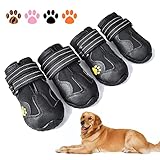
- 【Size】Size 6:(2.9''x2.5'')(L*W) for 52-70 lbs for 52-70lbs.Great for Medium Samoyed;Husky;Labrador;Airedale Terrier;Medium and large Chow Chow etc.Please refer to the picture size chart,You can choose the right size for your dog for the most comfortable fit.
- 【High-quality materials:】 High quality fabrics,wear resistant,to bear or endure dirty, Have cute pet paw embroidery, soft and hand washable, fashionable yet durable.Durable soles,tough anti-slip sole provides stability and traction,Helps dogs with mobility and stability on tile and the sand .
- 【Comfortable:】Soft and breathable to paws,so allows the boots to be used indoors or outdoors, hot and cold in wet and dry conditions.Protection from sharp thorns and hot pavement.Effectively protect dog claws from heat, stones, glass, etc. It protect the weak paw from snow, ice, salt during winter.
- 【Safe and Adjustable:】Easy to put on / off ,the dog shoes are fastened firmly by 2 straps, which are long and adjustable , capable to prevent slipping off and supply a customized tightness for secure closure and have reflective straps,reflective lines enhance visibility all the night ,also make your love dog safe .Please try to tighten the straps after wearing,which can effectively prevent the shoes from falling off the dog's claws.
- Our size is based on the inner diameter of the shoe and is measured by hand,Please allow a little size error.You are welcomed to contact us for any questions about the products and services at any time.
Snow contains trapped air and must melt before it supplies fluid. A dog that eats it instead of drinking may take in too little water, particularly after exercise, in dry winter air or when a medical condition increases thirst. The American Kennel Club’s guidance is direct: “Snow is not a satisfactory substitute for water.” Keep a bowl of clean, unfrozen water available and interrupt persistent snow eating.
Location matters more than appearance. Snow collected from a private, untreated area away from vehicles and chemical storage is less likely to contain de-icer or automotive fluids than snow from a curb or driveway. Even in a clean yard, do not allow your dog to make snow eating the main way they hydrate.
How to handle common snow-eating situations
Your dog takes a few bites in an untreated yard
- Call your dog away calmly rather than allowing a prolonged snow-eating session.
- Offer fresh, room-temperature water in a clean bowl.
- Check the yard for recently applied products, colored granules, oily patches, animal waste or other contamination.
- Watch for vomiting, diarrhea, unusual thirst, weakness, drooling, tremors or behavior changes.
If the snow was genuinely clean and your dog remains well, routine monitoring is usually appropriate. If you cannot establish that the area was untreated, call your veterinary clinic for individualized advice.
Your dog eats slush from a sidewalk or driveway
Assume that slush may contain salt or ice melt, even if you did not apply a product yourself. Move your dog away, prevent additional licking and contact a veterinarian or poison-control service promptly. Have the product name or a photograph of the container available if a household de-icer was used. The amount swallowed, your dog’s weight, the product’s ingredients and the time of exposure determine the risk; do not estimate safety from the number of licks alone.
Your dog licks paws after a treated walk
Bring the dog inside and clean the paws, toe spaces, legs and belly with lukewarm water, then dry thoroughly. Removing residue reduces continued ingestion during grooming. If your dog has already licked a substantial amount, shows mouth irritation or develops stomach, neurologic or breathing signs, call immediately rather than waiting to see whether cleaning solves the problem.
Also popular on Amazon
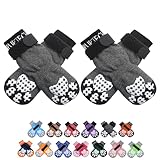
- [PUPTECK Brand Size Guide]: 2.9"-3.3" paw width for Size Large. This dog's socks are stretchy. We suggest choosing the smaller size if the dog's paw width is between two sizes. We have a total of five sizes for choice (XXS-XXL), which are suitable for small, medium large dogs. Please make sure to measure your pet before purchase
- [The Function of Dog Socks]: In addition to giving better traction to your dog, dog socks can protect your furniture, such as hardwood floors, wooden tables, sofas, etc., from being scratched by your dog's sharp claws. Besides, dog socks protect your dog's paws. It can be against heat on hot pavement, cold and road salt in winter, sore paws, and wear. But also as protection against a torn claw or cuts and wounds, to prevent licking. These socks are ideal for senior dogs
- [Double Sides Non-slip]: Each side of the sock has (Paw pattern Grip) which can offer extra traction when your dog is walking on the smooth floor. Even if the socks twist, they will still work. Besides, the design of the double-sided grip makes the socks a longer life. When the grip on one side is worn and does not have the anti-slip effect, you can let the dog wear the other side to play a new anti-slip effect
- [Anti Falling-off]: Dogs like walking around in the house, if the socks don't have any fixed measures, the socks will fall again and again. In order to improve this defect, our socks have sticky straps which are adjustable and removable. You can adjust it according to your dog's feet, and you can remove it when you need to wash the socks. It's very convenient to use. Since then, the socks will not fall off repeatedly
- [Premium Materials Made]: Our socks are touches very soft and comfortable, also the material has elasticity which can let your dog's paw feel not too tight, and not easy to fade or tear. Besides, the socks are breathable which won't too stuffy in the summer. Our socks are a great alternative to bulky dog booties
You suspect antifreeze
Treat this as an emergency. Call an emergency veterinarian or animal poison-control service at once and state that antifreeze exposure is possible. Do not wait for vomiting, thirst, wobbliness or apparent improvement; VCA warns that kidney damage can become permanent and fatal. Follow the professional’s instructions about transport and anything to give at home.
Symptoms that need urgent veterinary attention
Seek urgent help after suspected chemical ingestion or when any of the following appear. A dog can deteriorate quickly, and the absence of early signs does not rule out danger.
- Repeated vomiting or diarrhea, especially after eating treated snow.
- Excessive drooling, pawing at the mouth or visible mouth irritation.
- Marked thirst, weakness, disorientation, lethargy or collapse.
- Tremors, muscle twitching, loss of coordination or seizures.
- Changes in breathing, severe coughing or difficulty swallowing.
- Known or suspected antifreeze, ice-melt or other chemical ingestion.
- Persistent shivering, numb-looking skin, pale or hard paw tissue, blisters or other signs consistent with frostbite or hypothermia.
When you call, report your dog’s approximate weight, what was eaten or licked, where it came from, when it happened, how much may be involved and any symptoms. Keep the product packaging or a clear label photograph if available. A veterinarian or poison-control professional can decide whether home observation, examination, decontamination or emergency treatment is appropriate.
Snow eating versus cold exposure
A dog may be harmed by the weather even when the snow contains no toxin. Wet fur draws heat away from the body; wind increases heat loss; frozen or abrasive surfaces can injure paws. VCA advises limiting cold exposure, protecting the feet, drying wet dogs and watching for frostbite or hypothermia.
The Tool Desk
Outbyte Driver Updater FREEFix the driver behind crashes, sound loss and screen glitchesFind Drivers →Outbyte PC Repair FREERepair Windows errors before they cause bigger problemsFix Now →Dogs at greater risk from cold
Cold tolerance varies with coat, body size, age, health and acclimatization. Puppies, older dogs, very small dogs, thin dogs and dogs with illness may lose body heat sooner than a healthy, acclimated adult with a dense coat. A dog that is wet, underweight or unable to keep moving is also more vulnerable. Because there is no single temperature that is safe for every dog, use the animal’s condition and behavior rather than a thermometer number alone.
Also popular on Amazon

- 【Designed for All Weather Protection】Dimicoo dog shoes protect your pup’s paws from Summer Hot Pavement,Winter Cold Pavement,Winter snow,salt,ice,sharp rocks,debris,and many more. Ideal for indoor and outdoor activities,including walking,running,hiking,hunting,and swimming.Helps keep paws clean,dry,and safe!
- 【Comfortable and Breathable】Made with air mesh fabric that keeps debris out while staying comfortable and ventilated all day long.Lightweight,flexible design support natural movement
- 【Anti-Slip and Durable】Durable Rubber soft Sole with Puncture Resistant Tread that Aid in Traction. More durable, more slip resistant,more lightweight and softer
- 【Easy to Wear & Safe】Easy to wear with wide openings.The adjustable straps Ensuring that the dog booties will not fall off during walks.The Reflective Strips provides safety and night time visibility
- Ideal for Medium and Large breed dogs.(We do not recommend this product for small breeds.)Hand Washable/Machine Washable.Each Set Includes all 4 Booties
Signs of hypothermia or frostbite
Uncontrolled or persistent shivering, weakness, slowed responses, confusion, collapse or unusual sleepiness warrant veterinary advice. Frostbite may affect ears, tail, toes and paw pads; skin can look pale, gray, hard or painful, and blisters may develop later. Move the dog to a warm, dry place, avoid rubbing damaged tissue and contact a veterinarian. Severe signs are an emergency.
Wet snow and ice balls
Snow can pack between toes or cling to the belly and leg hair. Ice balls cause discomfort, alter the gait and encourage licking. Remove them gently indoors and dry the coat, paying attention to the paw pads and skin folds. Do not pull frozen clumps forcefully from painful tissue.
Independent reader supportYour contribution helps us test, update, and keep practical guides available for everyone.Safer alternatives to eating snow
Fresh, unfrozen water
Provide water before leaving, during longer outings where practical and immediately after returning. In cold weather, check that the bowl has not frozen over. Refresh it regularly so the dog has a more appealing option than snow. Dogs that refuse water, drink dramatically more than usual or show dehydration concerns should be assessed by a veterinarian rather than encouraged to eat snow.
Recommended Free Tools
Portable hydration on walks
For hikes or extended outdoor time, carry a bottle and a collapsible bowl. Offer small opportunities to drink instead of allowing the dog to consume unknown slush. In freezing conditions, keep the water insulated enough to remain liquid and check it periodically.
Making water more appealing
If a dog prefers snow because it is novel or cold, try changing the water frequently, using a wider clean bowl or offering water at a quieter location. Do not add salt, broth containing onion or garlic, sweeteners or other flavorings without veterinary guidance. The goal is to make safe water easy to access, not to replace it with another flavored product.
Also popular on Amazon
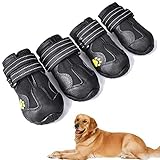
- 【Size】Size 7:(3.1''x2.7'')(L*W) for 66-90 lbs.Great for Medium Golden Retriever;Large Samoyed;German Shepherd;Labrador etc.Please refer to the picture size chart,You can choose the right size for your dog for the most comfortable fit
- 【High-quality materials:】 High quality fabrics,wear resistant,to bear or endure dirty, Have cute pet paw embroidery, soft and hand washable, fashionable yet durable.Durable soles,tough anti-slip sole provides stability and traction,Helps dogs with mobility and stability on tile and the sand .
- 【Comfortable:】Soft and breathable to paws,so allows the boots to be used indoors or outdoors, hot and cold in wet and dry conditions.Protection from sharp thorns and hot pavement.Effectively protect dog claws from heat, stones, glass, etc. It protect the weak paw from snow, ice, salt during winter.
- 【Safe and Adjustable:】Easy to put on / off ,the dog shoes are fastened firmly by 2 straps, which are long and adjustable , capable to prevent slipping off and supply a customized tightness for secure closure and have reflective straps,reflective lines enhance visibility all the night ,also make your love dog safe .Please try to tighten the straps after wearing,which can effectively prevent the shoes from falling off the dog's claws.
- 【Friendly customer service:】Our size is based on the inner diameter of the shoe and is measured by hand,Please allow a little size error.You are welcomed to contact us for any questions about the products and services at any time.
A practical winter-walk prevention plan
Before leaving
- Inspect the route and choose untreated ground when possible.
- Check whether your own driveway, steps or sidewalk were treated and store de-icers where pets cannot reach them.
- Pack water, a bowl, a towel and a way to clean paws.
- Use a well-fitting coat for a dog that needs extra warmth; clothing should not restrict movement or become wet and heavy.
- Consider booties or a paw wax designed for dogs if your pet tolerates them. These create a barrier but do not make treated snow edible.
During the walk
- Keep the dog away from gray slush, colorful granules, puddles, oily patches and snow beside parked cars.
- Interrupt snow eating early with a recall, leash guidance or another trained behavior, then reward the dog with attention or a safe treat.
- Watch the dog’s posture and movement for signs of discomfort, lifting paws, repeated shivering or reluctance to continue.
- Do not assume a product labeled pet-friendly can be eaten. Such products may still upset the stomach and should be used only as directed on the surface.
After returning home
- Wipe or rinse each paw, including between the toes and around the nails.
- Clean the lower legs and belly if they contacted slush or treated surfaces.
- Remove ice balls and dry the coat thoroughly.
- Offer fresh water and supervise until paw licking has stopped.
- Inspect pads and skin for cracks, redness, pain or chemical irritation.
Booties and paw wax can reduce contact, but they are not substitutes for cleaning. A boot can leak, come off or become contaminated on the outside, and a dog may still lick it.
Choosing and using de-icers responsibly
The safest approach is to keep dogs away from treated areas while products are present, regardless of the label. If you use a pet-friendly ice melt on a household path, follow the package directions, store it securely and remove excess granules. Prevent the dog from eating the product or licking wet residue. After the walk, clean the paws as you would after contact with ordinary salt.
Do not spread an unverified product around a pet’s food, water or sleeping area. If a spill occurs, block access, remove visible material according to the label and seek veterinary advice if the dog may have licked it. Product names and ingredient lists help professionals assess the exposure accurately.
Questions the evidence cannot answer with a number
Owners often ask how many bites are safe or what temperature makes snow dangerous. Current veterinary guidance reviewed for this topic does not establish a universal quantity, a percentage of dogs affected or a single temperature threshold for snow-eating safety. Risk changes with contamination, the chemical involved, the amount, the dog’s size and health, the duration of cold exposure and whether the dog licks residue from its coat.
That uncertainty is a reason for practical prevention, not a reason to panic over every clean flake. Stop routine snow eating, supply water, clean paws and escalate quickly when chemicals or cold-injury signs are possible.
Bottom line
A dog that nibbles a little clean, fresh snow will usually need only redirection, fresh water and observation. Snow from slush, roads, sidewalks, driveways or treated ground is a different category: it may carry ice melt, salt, antifreeze or other contaminants, and paw licking can add to the dose. Keep dogs away from those areas, clean them after walks and contact a veterinarian or poison-control service immediately for suspected chemical ingestion or serious cold symptoms. Fresh, unfrozen water remains the safer alternative.
Free tools Windows power users keep installed
One-click scans. No signup required.





Leave a Reply