Free tools Windows power users keep installed
One-click scans. No signup required.
Mastitis in cats is inflammation of one or more mammary glands, and it most often appears in queens that are nursing kittens. It can be caused by bacteria entering through a damaged teat or by milk building up in a gland that is not being emptied. A swollen, hot, or painful gland, or kittens that are gaining weight more slowly than their littermates, is a reason to contact a veterinarian promptly. Fever, lethargy, vomiting, or dark or open tissue on the gland is an emergency.
What mastitis in cats is
Mastitis means inflammation of a mammary gland. In cats it is most often a postpartum problem, meaning it develops after kittens are born, while the queen is producing milk. Standard veterinary references describe it as uncommon in cats, and they do not publish an incidence rate, so no percentage is offered here. Merck Veterinary Manual’s guidance on reproductive disorders of female cats places it among the conditions a caregiver should not dismiss, but the frequency it reports is qualitative only.
Two broad mechanisms cause the inflammation, and they change how it is treated:
- Bacterial infection. Bacteria can ascend through the teat canal after trauma to the teat, or from unsanitary bedding and surroundings. In more serious cases infection can also spread through the bloodstream.
- Milk stasis. When milk is not removed, the gland can become inflamed even without bacteria. Common triggers are abrupt weaning, reduced nursing, or the loss of kittens, which leaves milk in the gland with nothing emptying it.
Not every case is bacterial, and a veterinarian has to determine which mechanism is operating before choosing treatment.
#1 Best Overall

- Dog multivitamins chewable for skin & coat : Dog multivitamin is rich in Omega-3 fatty acids and vitamin E,which can relieve skin allergies,dryness,itching and other problems.Multivitamin for dogs nourishes skin follicles.Long-term consumption of dog vitamins multivitamin can make dog hair stronger and smoother,and reduce coat loss.The COQ10 in dog multivitamin chewable can resist oxidation and delay cell aging.Dogs with skin injuries can eat dog vitamins and supplements to promote wound healing
- Dog multivitamin relieves joint inflammation: Dog vitamins for hip and joint can supplement high-quality MSM, glucosamine, and chondroitin sulfate to promote cartilage development and repair. Long-term consumption of dog multivitamins chewable can enhance the elasticity and toughness of joint cartilage, improve joint flexibility, and move more freely. Dog multivitamin chews can reduce joint friction and relieve joint pain. Dog vitamins and supplements can prevent and improve dog joint problems
- Dog multivitamin chews are good for the gut: Vet-endorsed formula dog vitamins and supplements made from natural ingredients.Dog vitamins multivitamin chewables contain a rich blend of probiotics to support intestinal and digestive health.Dog vitamins for small dogs can regulate the balance of intestinal flora,help calcium absorption,and promote bone development.Dog multivitamins chewables improve energy metabolism,converting food into energy, making dogs more energetic in their daily activities
- Dog multivitamin chews protect overall health:Senior dog vitamins and supplements help improve blood circulation and prevent cardiovascular disease.Dog multivitamins chewable support normal liver function,promote liver detoxification,and improve negative mood.For dog with heart problems and older dog,taking dog vitamins and supplements in moderation is an auxiliary health care measure.Dog vitamins multivitamin helps enhance white blood cell activity,improve immunity,prevent infection and disease
- Dog multivitamins chewable promote brain development: The DHA in krill oil in multivitamin for dogs is an important component of the brain and retina. Dog vitamins and supplements can improve dog cognitive ability. When training puppies to learn basic commands, puppies who are properly supplemented with dog vitamins multivitamin will behave more intelligently and improve memory.Dog supplements & vitamins can prevent and relieve eye problems such as dry eyes and tear stains, and keep eyes healthy
Signs to look for
A queen with mastitis may look well at first. The earliest change is often a single gland that feels slightly swollen or firmer than the others. As the inflammation progresses, look for one or more glands that are:
- Warm to the touch
- Swollen or firm
- Red, or purple in color
- Painful when touched, or when the cat is handled or nursing
The milk itself can change. It may look cloudy or thick, or it may contain blood or pus. Milk that looks normal does not rule out mastitis, so the gland itself matters more than the appearance of the milk alone. VCA Animal Hospitals’ overview of mastitis in cats describes these local changes, and it notes that open sores, scabs, or drainage from a gland are concerning.
Clues in the kittens
Kittens often reveal a problem before the mother’s gland does. Watch for poor weight gain, crying that continues after feeds, or difficulty latching and nursing. These signs can reflect inadequate milk or illness in the kittens, and a queen in pain may avoid nursing or neglect the litter. Poor weight gain is a reason to call a veterinarian; it is not a diagnosis on its own.
Rank #2
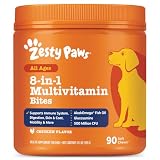
- 8-in-1 Formula - Zesty Paws Multifunctional Bites are functional supplement chews with premium ingredients that support physical performance, antioxidants, hip & joint, heart, immune, skin, liver, & gut health for dogs of all ages, breeds, and sizes.
- Skin Health & Antioxidants – For animals with sensitive skin, this formula contains Cod Liver Fish Oil and Vitamin E to help maintain normal moisture and CoQ10 to help reduce oxidative stress.
- Hip, Joint & Performance Support - Each dog chew features OptiMSM, a premium form of MSM for muscular support, which works synergistically with the Glucosamine HCl and Chondroitin Sulfate in these chews for hip and joint support plus Cod Liver Oil and B-Complex Vitamins support normal physical performance.
- Gut Health & Probiotics - These chews also contain a six-strain Gut Health Blend (500 million cfu per chew) and a Digestive Health Blend to promote gut flora while supporting normal bowel function for dogs.
- Heart, Liver & Immune Health - Multifunctional Bites feature powerful antioxidants, premium CoQ10, Cod Liver Oil and Vitamins A, C, & E to promote healthy cardiovascular function, support liver health and enhance immune response.
When mastitis is an emergency
Seek urgent veterinary care, the same day, if you notice any of the following. These signs can mean severe infection or tissue damage that can progress to abscess, tissue death, or sepsis. VCA Animal Hospitals and PetMD both describe systemic illness and damaged tissue as warranting prompt evaluation.
- Fever, lethargy, loss of appetite, or vomiting
- Swelling or pain that worsens quickly
- Dark, purple-black, or black tissue on the gland
- Ulceration, an open wound, or draining wounds
- Kittens that are weak or not feeding
Other conditions that look similar
Unexplained enlargement of a mammary gland should be examined by a veterinarian rather than assumed to be mastitis. Feline mammary hyperplasia, an enlargement of gland tissue, can look similar, and mammary tumors can also complicate the picture. The UC Davis School of Veterinary Medicine’s overview of mammary masses in cats and dogs covers the lumps that need to be distinguished from inflammation.
How a veterinarian diagnoses mastitis
The diagnosis starts with the history and a physical examination of the cat and her mammary glands. From there, the veterinarian may use some or all of the following:
Rank #3

- COMPLETE 26-IN-1 DAILY WELLNESS FORMULA: Our advanced multivitamin for dogs is formulated to help support 26 vital nutritional areas as part of a daily routine. With essential vitamins A, C, D3, and E, these gummies help support the immune system and contribute to overall heart and brain health for dogs of all sizes.
- ADVANCED HIP AND JOINT MOBILITY SUPPORT: Formulated with Glucosamine HCl, Chondroitin, and MSM to help support cartilage health, joint flexibility, and everyday mobility — making them a great daily supplement for large breed dogs and active senior dogs.
- SKIN & COAT SUPPORT: Packed with Norwegian Salmon Oil and Biotin, our dog multivitamin helps nourish skin from within and supports a soft, glossy coat. Omega 3 fatty acids contribute to healthy skin and coat as part of a complete daily nutritional routine.
- PROBIOTICS & DIGESTIVE SUPPORT: Features a Six-Probiotic Blend (500 Million CFU) and Digestive Enzymes to help support gut health, smooth digestion, and nutrient absorption. Cranberry Powder is included as part of this comprehensive daily wellness formula.
- UNBEATABLE VALUE 250 COUNT JAR: Our 250-count jar provides lasting daily support in a delicious chicken flavor. Made in the USA in a GMP-certified facility, our soft chews are grain-free and suitable for puppies, adult, and senior dogs alike.
- Milk evaluation. Examining milk from the affected gland can help separate infection from noninfectious inflammation.
- Cytology. Looking at cells under a microscope can identify inflammatory cells or bacteria.
- Culture and antimicrobial susceptibility testing. This identifies the bacteria and shows which antibiotic is likely to work. It matters most when the case is severe or not responding as expected.
- Bloodwork. Used to assess how much the illness has affected the whole body and how severe it is.
In some cases, examination and milk evaluation are enough to start treatment. Other mammary conditions may need to be ruled out along the way, as described in the sources above.
Treatment
Treatment depends on how severe the case is and whether bacterial infection is present. The main options are:
What’s actually slowing this PC down?
Pick the symptom - the matching free tool is one click away.
- Prescription antibiotics for bacterial infection, chosen with the culture results when available.
- Pain management, which veterinary sources list as part of care for painful glands.
- Supportive care, including intravenous fluids for a dehydrated or shocked cat.
- Drainage if an abscess has formed.
- Surgery to remove dead or severely infected tissue.
A veterinarian may recommend warm compresses or directed milk expression, but these should be done exactly as instructed for that cat. The Merck Veterinary Manual’s review of mastitis in small animals (full review dated July 2023) and the PetMD article describe the same general range of care.
Rank #4

- Joint Health Supplement for Dogs: Cosequin is the #1 vet recommended retail joint health supplement brand, supporting joint health in dogs for over 25 years
- Contains Glucosamine for Dogs: Cosequin contains glucosamine hydrochloride (FCHG49) and sodium chondroitin sulfate (TRH122), plus methylsulfonylmethane (MSM). This unique combination of ingredients supports healthy joints
- For Any Breed or Size: Whether you have a young or senior dog, a small or large breed, Cosequin helps support their joint health
- Tasty Chews for Daily Use: Cosequin comes in a tasty chewable tablet, making daily administration easy and convenient
- Exceptional Quality: Cosequin is backed by science, undergoing thorough quality inspections to ensure your dog receives a safe, high-quality product. It is manufactured in the United States with globally sourced ingredients
Do not give a cat human medications, leftover antibiotics, or a dose taken from an online list. Many drugs pass into milk and can affect kittens, and the wrong antibiotic can make infection harder to treat.
Independent reader supportYour contribution helps us test, update, and keep practical guides available for everyone.Deciding whether kittens should keep nursing
This is the decision caregivers most often need help with, and it has no single answer. Continued nursing or milk removal can be part of the treatment plan in some cases, because it helps keep milk moving. In others, the kittens may need to be separated from the mother and fed by hand. The deciding factors include:
- Whether the medication the queen is receiving passes into milk
- How ill the mother is
- The age of the kittens and how well they are gaining weight
Discuss nursing before changing the litter’s routine. If your veterinarian recommends supplemental feeding, VCA Animal Hospitals’ guidance on raising kittens covers the feeding and weight-monitoring side of hand-rearing. Kitten milk replacer is used only when a veterinarian advises feeding support. It does not treat the mother’s mastitis, and the feeding method and amount should come from your veterinarian.
Best Value

- Itch & Allergy Relief with Omega-3 for Dogs - with 500mg of Omega (EPA+DHA) per serving, our chewable supplement helps with hot spots, dry itchy skin, ease itching, irritated skin, stops shedding.
- Skin & Coat + Hip & Joint Supplement Combined - Omega 3 is a vital element to keep your pet active, support healthy hip and joints, brain, heart, immune health. Can be served with regular pet food.
- Bark&Spark Commitment - we are keen to give best to our furry customers and we take NO compromise when it comes to product quality. Our omega 3 bites are made in the USA, with human grade ingredients.
- Up to 3 Month Supply - with 180 salmon oil treats per jar you keep your pet healthy while not spending a fortune on overpriced supplements. Best value.
- Is Your Dog a Picky Eater? We stick to simple formulas rich in natural flavors, that could tempt a fussy eater. No hassle with pills, powder, tablets or capsules.
Infectious versus milk-stasis inflammation
Because the two causes call for different management, the table below sets out the practical differences. Confirming which one is present is the veterinarian’s job.
| Feature | Infectious mastitis | Milk stasis (noninfectious inflammation) |
|---|---|---|
| Typical trigger | Bacteria entering through a damaged teat or from contaminated surroundings | Milk not removed, such as after abrupt weaning, reduced nursing, or kitten loss |
| How it is confirmed | Milk evaluation, cytology, and culture with susceptibility testing | Milk evaluation and examination; bacteria are not identified |
| Usual management | Prescription antibiotics, chosen with culture results when needed | Managed differently, often focused on milk removal and comfort; a veterinarian decides the plan |
| Warning signs | Fever, lethargy, or discolored milk suggest a systemic or more serious infection | Can still become painful and should be examined if it worsens |
The second distinction is severity. A stable, localized case may be managed as an outpatient visit. Systemic illness, an abscess, or tissue death can require hospitalization, intravenous fluids, drainage, or surgery.
Home monitoring after a diagnosis
Between veterinary visits, keep the nesting area clean and dry, check the mother’s mammary glands at each contact, and track whether the kittens are feeding and gaining weight. A scale suitable for weighing kittens can make weight tracking more consistent, but it does not replace an examination. Weigh the kittens at the same time each day and write the numbers down so you can show a trend to your veterinarian.
Recovery time varies with the severity of the case and how the cat responds to treatment. Once the cat has recovered, if no further litters are planned, raise spaying with your veterinarian.
Prompt care matters because severe disease can damage tissue or become systemic. If a gland is not improving, or any of the emergency signs above appear, do not wait for the next scheduled appointment.
Practical checklist for caregivers
- Check each mammary gland daily for heat, swelling, firmness, redness, purple discoloration, or pain.
- Note the milk’s appearance, including any blood, pus, or cloudiness.
- Weigh the kittens regularly and report slow gain or constant crying after feeds.
- Call a veterinarian for any change in the gland or the kittens.
- Go to urgent care for fever, lethargy, vomiting, dark tissue, open wounds, or weak kittens.
- Do not start any medication, including human drugs or leftover antibiotics, without veterinary direction.
Mastitis in cats can look mild in its early stages, which is why the gland and the kittens need to be watched together. A veterinarian can determine the cause, decide whether nursing should continue, and set the treatment plan for the individual cat.
Quick Recap
Product prices and availability are accurate as of the date/time indicated and are subject to change. Any price and availability information displayed on Amazon at the time of purchase will apply.




