For most planned veterinary visits, a correctly fitted basket muzzle is the safest, most functional starting point. It lets a dog open its mouth to pant and usually drink and accept treats, unlike a soft sleeve muzzle that holds the mouth more closed. Introduce the muzzle gradually with rewards, check the fit before the appointment, and agree on the handling plan with the clinic. A muzzle reduces bite risk; it does not make a frightened dog safe to handle automatically.
Choose the muzzle by the procedure, not by appearance
The right choice depends on how long the dog may need to wear it, whether the dog must pant or drink, whether staff need to give treats or medication, and how stressful the procedure is. A muzzle for a few calm minutes is a different decision from one needed throughout an examination, blood draw, imaging appointment, or recovery period.
As an Amazon Associate I earn from qualifying purchases.
| Muzzle type | What the dog can do | When veterinary guidance describes it as useful | Main limitations |
|---|---|---|---|
| Basket muzzle | The dog can open its mouth to pant; a suitable design generally permits drinking and delivery of treats. | Planned veterinary visits and longer wear when the fit is secure. | An incorrect size can rub, press on the nose, slip off, or still restrict normal breathing. |
| Soft, sleeve, or flat muzzle | The mouth is held more closed, limiting panting, drinking, and food rewards. | Short, temporary procedures such as some nail trims. | Not a general-purpose or prolonged-wear option; heat and stress make restricted panting hazardous. |
| Improvised gauze restraint | Provides emergency restraint only and does not offer the functions or reliability of a fitted muzzle. | Emergency situations in which no proper muzzle is immediately available, as described by Cornell. | Do not use routinely, for extended periods, or as a substitute for clinic direction. |
Veterinary guidance does not establish one universally best brand, material, or model for every dog. Compare any candidate on four practical questions: does it fit securely without painful pressure, can the dog pant and drink, can staff provide rewards if needed, and is it suitable for the expected duration and procedure?
Quick wins for a faster PC:
Scan for outdated or missing drivers - takes under a minuteDriver Scan →Repair Windows errors before they cause bigger problemsFix Now →Why a basket muzzle is usually the planned-visit choice
It preserves the functions a dog needs
A basket creates space in front of the mouth instead of pressing the jaws together. Cornell University College of Veterinary Medicine says a properly fitted basket muzzle allows a dog to pant, drink water, and accept treats. Those functions matter in a waiting room, during a lengthy examination, and whenever the dog must regulate body temperature. The American Veterinary Society of Animal Behavior likewise explains that the ability to open the mouth and pant is essential when wear lasts more than a few minutes.
#1 Best Overall
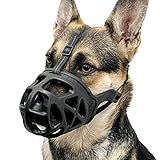
- The Only Muzzle You Need: Say goodbye to your old muzzle. The BARKLESS practical muzzle has features you need to prevent your dog from nipping, destroying, fighting and digging and eating everything while the basket-style design gives all-around mouth protection allowing your pet unrestricted drinking and panting. This muzzle for dogs make it the ideal choice for reactive dogs’ daily walks, occasional use, dog park socialization, grooming, vet visits, training, traveling, and walking
- Safe & Humane: Friendly dog muzzles are more pliable and softer, making them comfortable for the dog. Humane muzzle for dogs allow your dog to pant, drink and treat train while being worn with the uniquely designed bar spacing which forms the canine muzzle
- Easy to Use: Comfort-fit design for most sizes of breeds with adjustable head and neck straps allow you to quickly adjust the size to fit your dog, making it ideal for the puppy, small, medium, and large dogs. The twist on each side of the strap is part of a unique design, ensuring a better fit for your dog’s head shape. This is a thoughtful feature, not a defect, aimed at providing a more comfortable and secure fit
- Prevent Muzzle Slippage: An incorrect size, improper fit, or lack of muzzle training can cause the dog to remove the cage muzzle. Adjust the straps to ensure a snug fit—secure enough to keep the basket muzzle for dogs in place without causing discomfort. Check the head strap to prevent slippage. Refer to the included instructions to help your dog adjust to the dog muzzles to prevent biting
- Desensitizing Your Dog to a Muzzle: Many dogs may resist wearing cage muzzles for dogs initially, especially if they've never worn one before. To help them adjust, use gradual desensitization training—start with short periods and reward calm behavior. Over time, your dog will accept it as part of their routine
It supports reward-based handling
Veterinary teams may need to reinforce calm behavior while touching paws, ears, a painful area, or an injection site. A basket that permits small treats lets the team use cooperative-care techniques rather than relying only on physical restraint. Confirm in advance that the clinic wants food delivered through the particular muzzle and what size of treat is practical.
It still requires correct attachment
A basket is not automatically safe because it is a basket. The straps must keep it from sliding forward, backward, or over the head, while the cage remains clear of the eyes and does not dig into the nose or cheeks. Cornell advises adjusting the strap so the muzzle cannot slip over the head and allowing one to two fingers beneath the strap. That finger check is a starting point, not a replacement for observing the dog move, pant, drink, and accept a reward.
When a soft or sleeve muzzle is the wrong tool
Soft, sleeve, and flat muzzles close the mouth more than basket designs. Cornell describes them as temporary options, such as for a brief nail trim. Because panting is restricted, the dog has less ability to cool itself; drinking and treat delivery may also be impossible. Do not select this style for a long appointment, warm conditions, transport plus examination, or any situation in which the dog may become highly aroused.
Do these 3 things before closing this tab:
1Clear out junk files and repair common Windows errors2Scan for outdated or missing drivers - takes under a minute3Repair Windows errors before they cause bigger problemsNever tighten a muzzle to silence barking. Veterinary Information Network guidance warns that making a muzzle tight enough to stop vocalization can restrict panting and become dangerous. Barking, fear, and resistance need a handling and behavior plan, not a tighter strap.
Rank #2
- The Only Muzzle You Need: Say goodbye to your old muzzle. The BARKLESS practical muzzle has features you need to prevent your dog from nipping, destroying, fighting and digging and eating everything while the basket-style design gives all-around mouth protection allowing your pet unrestricted drinking and panting. This muzzle for dogs make it the ideal choice for reactive dogs’ daily walks, occasional use, dog park socialization, grooming, vet visits, training, traveling, and walking
- Safe & Humane: Friendly dog muzzles are more pliable and softer, making them comfortable for the dog. Humane muzzle for dogs allow your dog to pant, drink and treat train while being worn with the uniquely designed bar spacing which forms the canine muzzle
- Easy to Use: Comfort-fit design for most sizes of breeds with adjustable head and neck straps allow you to quickly adjust the size to fit your dog, making it ideal for the puppy, small, medium, and large dogs. The twist on each side of the strap is part of a unique design, ensuring a better fit for your dog’s head shape. This is a thoughtful feature, not a defect, aimed at providing a more comfortable and secure fit
- Prevent Muzzle Slippage: An incorrect size, improper fit, or lack of muzzle training can cause the dog to remove the cage muzzle. Adjust the straps to ensure a snug fit—secure enough to keep the basket muzzle for dogs in place without causing discomfort. Check the head strap to prevent slippage. Refer to the included instructions to help your dog adjust to the dog muzzles to prevent biting
- Desensitizing Your Dog to a Muzzle: Many dogs may resist wearing cage muzzles for dogs initially, especially if they've never worn one before. To help them adjust, use gradual desensitization training—start with short periods and reward calm behavior. Over time, your dog will accept it as part of their routine
Emergency restraint is not a fitting method
Cornell lists gauze as an emergency restraint option. That context is important: improvised material is for an immediate emergency when trained help is being obtained, not for routine appointments or unsupervised use. It cannot be evaluated like a purpose-built muzzle for ventilation, comfort, durability, or escape resistance. Call the clinic for instructions rather than improvising a restraint for a dog that is already panicking.
How to select and check a safe fit
1. Start with the dog’s anatomy and the planned use
Measure before ordering, following the manufacturer’s method for snout length, circumference, and the distance behind the eyes. Face shape varies considerably. Flat-faced dogs and dogs with unusually narrow, long, or broad snouts may need a specialized design; an off-the-shelf shape that fits another dog may press on sensitive tissue or leave too little panting room. If you cannot decide between sizes, ask the veterinary team to assess photographs, measurements, or the muzzle itself.
2. Check clearance and breathing
- The dog should be able to open its mouth and pant freely in the basket.
- The front should not press against the nose, lips, or teeth when the dog moves its head.
- Edges and straps should not rub the eyes, eyelids, cheeks, or ears.
- The dog should be able to drink if the appointment or weather makes hydration relevant.
- If treats are part of the plan, test that a reward can be delivered without forcing the muzzle against the face.
3. Check security without over-tightening
With the dog calm, adjust the strap so one or two fingers fit beneath it, following Cornell’s guidance. Gently test the muzzle in the direction a dog might back out of it. It should not ride over the head or twist into the eyes. A secure attachment is a balance: a loose muzzle can come off or catch on objects, while an excessively tight one creates pressure and can impair panting.
The Tool Desk
Outbyte Driver Updater FREEScan for outdated or missing drivers - takes under a minuteDriver Scan →Outbyte PC Repair FREEClear out junk files and repair common Windows errorsFree Scan →4. Test movement, not just a photograph
Have the dog walk, turn, lower its head, drink, and pant while wearing the muzzle for a short period. Watch for rubbing, repeated pawing, frantic escape attempts, gagging, noisy or labored breathing, or a change in gum and tongue color. Remove the muzzle and contact the clinic if breathing appears abnormal or the dog cannot cool itself. A photo can show the outline; only supervised movement shows whether the design works in practice.
Rank #3
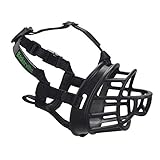
- DOGS CAN PANT AND DRINK: The Baskerville Ultra Muzzle PATENTED HUMANE DESIGN allows dogs to pant (when hot or stressed) and drink. SUITABLE FOR DAILY WALKS and longer periods of wear.
- SHAPE FOR CUSTOM FIT: Like a mouth-guard, the Ultra Muzzle can be HEAT SHAPED using warm water to fit DIFFERENT DOG NOSE SHAPES. See fitting guide for more info and to find the BEST SIZE for your dog.
- IDEAL FOR REACTIVE DOGS: you can TRAIN and REWARD treat your dog if they are reactive around other dogs, people or in new situations like the vet.
- STRONG & SAFE: Built with strong Thermo Plastic Rubber (TPR) the Ultra Muzzle is SAFE TO PREVENT BITES. Extra secure with LOCKABLE NECK STRAP CLIP, HEADSTRAP and COLLAR ATTACHMENT if needed.
- COMFORTABLE FIT: Comes in 6 sizes with PADDED STRAPS and NO METAL WORK ON DOGS FACE. Great for dog owners looking for SMALL, MEDIUM or LARGE sized dog muzzles.
Condition the dog before the appointment
Putting an unfamiliar muzzle on for the first time in a busy clinic can turn a manageable visit into a crisis. Teach the dog that the muzzle predicts good things in a quiet setting, using gradual, reward-based steps. Cornell recommends short sessions of 5–10 minutes. The American Veterinary Society of Animal Behavior also recommends food rewards to build acceptance.
- Present the muzzle. Place it on the floor or hold it at a distance. Reward the dog for looking at it, then for approaching. Do not chase the dog with it.
- Invite voluntary contact. Put a treat near the opening and let the dog reach toward it. Reward calm investigation; keep the muzzle away if the dog backs off.
- Build duration in tiny increments. Once the dog willingly puts its nose near or into the opening, offer several rewards in succession before removing the muzzle. Increase the time by seconds, not by forcing a long first attempt.
- Add the strap briefly. Fasten it for a moment, feed, and remove it while the dog remains comfortable. Gradually extend the interval.
- Practice normal activities. Walk indoors, take a few steps outside, and rehearse drinking and taking rewards. Keep every session supervised and stop while the dog is still coping.
- Generalize to the clinic routine. Practice near the car, in the building entrance, or during a calm visit to the clinic if staff offer one. Change only one difficulty at a time.
Do not leave a muzzled dog unattended. Cornell cautions that a dog may remove, chew, or swallow parts of a muzzle. If the dog shows extreme fear during training, pause rather than pushing through it. Ask the clinic about a low-stress plan and whether a qualified reward-based trainer or veterinary behaviorist should help.
Coordinate the plan with the veterinary clinic
Call before the appointment and describe the dog’s bite history, triggers, previous handling, muzzle type, and current level of conditioning. Tell the team whether the dog can pant, drink, and take treats in it. Ask where the muzzle should be put on, whether staff want it worn during arrival, and what they will do if the dog becomes distressed.
For a fearful or reactive dog, the clinic may recommend a quieter appointment time, direct entry to an examination room, minimal waiting, cooperative-care techniques, or additional behavior and medical support. Follow the team’s instructions about removing or keeping the muzzle on during specific procedures. Do not force a panicked dog into a muzzle in the parking lot; call for help and keep people and animals at a safe distance while the staff decide the next step.
Rank #4
- DOGS CAN PANT AND DRINK: The Baskerville Ultra Muzzle PATENTED HUMANE DESIGN allows dogs to pant (when hot or stressed) and drink. SUITABLE FOR DAILY WALKS and longer periods of wear.
- SHAPE FOR CUSTOM FIT: Like a mouth-guard, the Ultra Muzzle can be HEAT SHAPED using warm water to fit DIFFERENT DOG NOSE SHAPES. See fitting guide for more info and to find the BEST SIZE for your dog.
- IDEAL FOR REACTIVE DOGS: you can TRAIN and REWARD treat your dog if they are reactive around other dogs, people or in new situations like the vet.
- STRONG & SAFE: Built with strong Thermo Plastic Rubber (TPR) the Ultra Muzzle is SAFE TO PREVENT BITES. Extra secure with LOCKABLE NECK STRAP CLIP, HEADSTRAP and COLLAR ATTACHMENT if needed.
- COMFORTABLE FIT: Comes in 6 sizes with PADDED STRAPS and NO METAL WORK ON DOGS FACE. Great for dog owners looking for SMALL, MEDIUM or LARGE sized dog muzzles.
Bring useful information
- The muzzle itself, plus any spare strap or adjustment piece.
- High-value, small treats that the dog already accepts through the opening.
- Your measurements and notes about rubbing, drinking, panting, or escape attempts during practice.
- A clear description of what has caused fear or defensive behavior in earlier visits.
Understand what a muzzle can and cannot do
A muzzle is a management aid that lowers the chance of a bite. It does not treat fear, pain, frustration, or aggression, and it does not guarantee that handling is safe. The American Animal Hospital Association’s handling guidance warns that a distressed muzzled dog can still injure people or other animals; the muzzle itself can become a weapon if the dog swings its head or staff handle it carelessly.
Use calm, cautious handling, keep hands away from the basket unless the procedure requires contact, and avoid crowding the dog. Staff should watch the dog’s posture, breathing, and distress signals throughout the visit. If distress escalates, stopping, changing the environment, or rescheduling may be safer than completing a non-urgent procedure by force.
Troubleshoot common problems
The muzzle slips off
Recheck the strap and whether the shape matches the dog’s head. A muzzle that repeatedly slides forward or over the head may be the wrong size or design. Do not solve the problem by tightening until panting is restricted; ask the clinic or a knowledgeable professional to assess the fit.
Crashes, No Sound, or Screen Glitches?
Random freezes, missing sound and display glitches usually trace back to one bad driver. Find and replace yours safely.Free scan · under a minuteWindows Errors? Fix Them Before They Spread
Repair common Windows errors and clear accumulated junk for a smoother, more stable PC - no reinstall needed.Free scan · no reinstallThe dog paws at it constantly
Pawing can mean the dog has not been conditioned, the muzzle rubs, or the fit is uncomfortable. Return to shorter reward-based sessions and inspect the contact points. Persistent rubbing, frantic escape behavior, or skin damage warrants a different fit and veterinary advice.
Best Value

- Your Ideal Dog Muzzle, Does Not Affect Your Dog's Drinking: This practical dog muzzle prevents your dog from chewing, fighting, digging, destructive behaviour, and scavenging outdoors. Its basket design offers comprehensive oral protection, suitable for daily walks, veterinary visits, dog park socialising, grooming, training, travel, and dog walking. It also addresses the common issue of traditional muzzles preventing drinking and eating.
- Comfortable and Healthy, Safe and Humane: The dog muzzles crafted from odourless TPE silicone material, it offers a soft touch that does not irritate the dog's oral mucosa or facial skin. The spacing design and basket-style structure provide protection while ensuring the dog can breathe normally when wearing it, preventing stuffiness and discomfort. It also supports treat-based training, safeguarding both the pet's basic physiological needs and training requirements.
- Acclimatising Your Dog to a Muzzle: Most dogs may resist wearing a cage muzzle initially, particularly those who have never worn one before. Employ gradual desensitisation training to aid adaptation. Begin with brief periods of wear and reward with treats. Over time, your dog will come to accept the muzzle as part of their daily routine.
- Convenient and Easy to Use: Available in six sizes, the basket muzzle for dogs comfortable, form-fitting design suits most canine breeds. The adjustable head and neck strap allows for quick adaptation to your dog's size. Features an adjustable nylon neck strap that swiftly adapts to your dog's head shape. Provides a more comfortable and secure wearing experience.
- Preventing Muzzle Slippage: Dog muzzles slippage typically results from incorrect sizing, improper fitting, or insufficient training the dog has not yet adapted to wearing it.. Prior to purchase accurately measure your dog's muzzle circumference and nose length. Consult the sizing chart to select the optimal model, thereby avoiding sizing issues. Ensure the muzzle is firmly fastened without constricting the dog's neck or muzzle.
The dog cannot drink or pant
Remove the muzzle in a safe setting and reassess immediately. A soft style may be inappropriate for the duration, temperature, or procedure. A basket must also have enough internal space; “basket” alone does not prove that it fits.
The appointment is tomorrow and training has not started
Tell the clinic now. Do not attempt a prolonged first session or force the muzzle onto a panicked dog. The team can decide whether a brief, carefully managed visit, a rescheduled appointment, or additional low-stress support is appropriate.
Practical decision checklist
- Is this a planned visit rather than an immediate emergency?
- Will the dog need to wear the muzzle for more than a few minutes?
- Must the dog pant, drink, or accept treats?
- Does the muzzle stay secure with one to two fingers under the strap?
- Can the dog move, breathe, drink, and pant without rubbing or painful pressure?
- Has the dog practiced wearing it in calm, 5–10-minute sessions?
- Has the clinic received the dog’s history and agreed to the handling plan?
If any answer is no, resolve that issue with the veterinary team before relying on the muzzle at the appointment.
Quick Recap
Product prices and availability are accurate as of the date/time indicated and are subject to change. Any price and availability information displayed on Amazon at the time of purchase will apply.




