
What’s actually slowing this PC down?
Pick the symptom - the matching free tool is one click away.
Some links on this page are affiliate links: if you buy through them we may earn a commission, at no extra cost to you.
Before pickup day, buy the supplies that keep your new pet fed, hydrated, identified, transported safely, rested, contained and clean. Start with the animal’s current food, species-appropriate bowls, identification, safe travel equipment, a quiet confinement area, bedding, sanitation supplies and a few toys. Match every item to the pet’s species, size, age, coat, health instructions and your home layout. Buy a modest starter set first; your pet’s preferences and behavior during the first week will tell you which beds, toys or accessories are worth adding.
What should I buy before bringing home an adopted dog?
A dog needs food and water, secure identification, a way to travel, a defined resting area, house-training and cleanup supplies, basic grooming tools and a small selection of safe enrichment items. Ask the shelter or foster home exactly what food, medications and equipment the dog is using so the first days involve as few abrupt changes as possible.
As an Amazon Associate I earn from qualifying purchases.
Windows Errors? Fix Them Before They Spread
Repair common Windows errors and clear accumulated junk for a smoother, more stable PC - no reinstall needed.Free scan · no reinstallCrashes, No Sound, or Screen Glitches?
Random freezes, missing sound and display glitches usually trace back to one bad driver. Find and replace yours safely.Free scan · under a minuteDog food and feeding equipment
- Current food: Buy the same brand, formula and life-stage recipe the shelter or foster home feeds. If you eventually want to change it, keep the original food available and transition gradually; the BC SPCA warns that switching food without a slow transition can cause diarrhea.
- Food and water bowls: Choose stable, easy-to-clean bowls sized for the dog’s muzzle and daily portions. Keep a second water bowl if the dog will spend time in more than one area.
- Training treats: Small treats make it easier to reward calm behavior, name recognition and toileting without replacing balanced meals. Confirm any dietary restrictions first.
Identification, walking and restraint
- Flat collar and ID tag: Fit the collar so it is secure but not tight, and put the tag on before leaving the facility or immediately after arrival. Include a phone number that will be answered.
- Leash: A standard leash is the simplest first choice while you learn how the dog responds outdoors.
- Harness: A properly fitted harness can be useful for dogs that pull, have delicate necks or need additional control. Ask staff to demonstrate the fit for the individual dog.
- Microchip details: Obtain the chip number and registration instructions from the shelter, then verify that your contact information is recorded correctly.
Containment and rest
- Correctly sized crate or gated room: The dog should be able to stand, turn around and lie down comfortably, but excessive space can make house-training harder for some dogs. If crate training is not part of your plan, use a dog-proof room or exercise pen instead.
- Baby gate: Gates let you limit access while the dog learns the home’s routines. They are especially useful for puppies, small dogs and homes with stairs.
- Bed, blanket or towel: Start with washable bedding in the designated resting area. A towel is useful for wet paws or an accident and is inexpensive to replace.
Toileting, grooming and enrichment
- Waste bags and accident cleaner: Keep bags on every regular walking route and use an enzymatic cleaner intended for pet urine on indoor accidents.
- Puppy pads: Have them ready if the dog is a puppy, not fully vaccinated for outdoor walks, or specifically accustomed to indoor pads.
- Brush or comb: Select the tool for the dog’s coat type and ask the foster home how often grooming is tolerated.
- Nail clippers: Buy a size suited to the dog’s nails. If you are unsure how to trim them, have a veterinary professional demonstrate rather than making the first attempt under pressure.
- Toothbrush and veterinarian-recommended toothpaste: Human toothpaste is not an appropriate substitute. Begin slowly, rewarding the dog for accepting brief mouth handling.
- A few safe toys: Include one appropriately sized chew or food-puzzle toy and a couple of different textures. Remove any toy that sheds pieces, splits or can be swallowed.
The Ontario SPCA and Humane Society’s 2025 checklist names food, bowls, toys, a collar, leash, blankets and a crate when crate training is planned. Prince William County Animal Services Center additionally calls out a harness, ID tags, waste bags, a baby gate, nail clippers, toothbrush and toothpaste, puzzle toys, treats and varied toys.
What should I buy before bringing home an adopted cat?
A cat’s first priorities are a secure carrier, familiar food, water, a correctly placed litter box and a quiet starter room with hiding and resting options. Cats often settle better when their initial territory is small and predictable rather than when they are given immediate access to the entire home.
Popular on Amazon
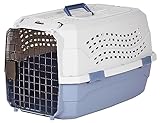
- Hard sided pet carrier with 2 doors for front and top entry; suitable for cat or medium size dog weighing 12 - 20 pounds
- Durable plastic construction with steel wire doors; screws keep the top and bottom sections securely connected
- Spring load latches ensure easy one-handed door opening and closing; top door swings open to the left or right and includes a top carry handle
- Plenty of air ventilation on the sides, top, and back of the carrier
- Note: Be sure to measure the size of the pet when choosing carrier size
Carrier and identification
- Hard-sided carrier: Use a secure, well-ventilated carrier for pickup and every veterinary trip. A top-opening or removable-top design can make examinations less stressful, but the carrier must latch reliably.
- Breakaway or quick-release collar with ID tag: Choose a collar designed to release if it catches. Fit it so it cannot slip over the head while still allowing normal movement, and attach current contact information.
- Microchip information: Collect the chip number and registration instructions at adoption. Update the record if your phone number, address or emergency contact changes.
Food, water and litter
- Current food: Buy the food the shelter or foster home currently serves. Delay a diet change until the cat is eating and eliminating normally, then ask a veterinarian how to transition.
- Food and water bowls: Use stable, easy-to-wash bowls. Place them away from the litter box and provide water in a location the cat can reach without crossing a stressful area.
- Litter box, litter and scoop: Start with the litter type the cat already knows when possible. Unscented litter is one option identified by SPCA New Zealand. Scoop frequently and keep the box away from food and water.
Scratching, hiding and play
- Scratching post: Offer a sturdy post that will not tip when the cat stretches. A vertical post suits cats that scratch upright; a horizontal pad may suit cats that scratch floors.
- Hiding and bedding: Provide a soft bed, blanket or covered hiding place in the starter room. Let the cat choose whether to rest in the open or retreat.
- A few safe toys: Begin with several toy types rather than a large assortment. Avoid loose strings, ribbons or small detachable parts when the cat is unsupervised.
- Brush or comb: Match the tool to the coat. Short-haired cats may need little equipment, while long or dense coats benefit from a grooming plan introduced gradually.
Parasite products require individual advice
Do not apply flea or worm treatment simply because it is in a starter kit. Use a product and dose recommended for that individual cat’s age, weight, health status and geographic risk. Never use a dog product on a cat unless a veterinarian explicitly confirms it is safe.
SPCA New Zealand lists a carrier, bowls, food, litter tray and litter, scoop, scratching post, toys, a quick-release collar and ID tag, a soft bed and parasite treatment among supplies to consider. The Ontario SPCA notes that a new home can overwhelm a cat and that smaller spaces can feel more comfortable. Humane Society of Broward County guidance says cats should remain confined in a carrier during the ride home and on later veterinary trips.
The Tool Desk
Outbyte Driver Updater FREEFix the driver behind crashes, sound loss and screen glitchesFind Drivers →Outbyte PC Repair FREERepair Windows errors before they cause bigger problemsFix Now →How do I prepare the home before pickup day?
Prepare one quiet, easy-to-clean area before you leave. A prepared starter zone prevents frantic decisions when the pet arrives and gives you a controlled place to observe eating, drinking, toileting and stress signals.
- Choose the zone. For a dog, select the room, crate or gated section where food, water and bedding will stay. For a cat, choose a quiet room with a closable door and enough space for a carrier, litter box, bowls and hiding places.
- Remove hazards. Put away electrical cords, children’s toys, medications, cleaning chemicals, breakable objects, loose strings and anything small enough to chew or swallow. Move toxic plants out of reach and secure trash containers.
- Control access. Close doors and use baby gates or an exercise pen to block stairs and rooms that are not ready. Check fence and gate latches before bringing a dog home.
- Set up resources. Place a dog’s bowls and bedding in its designated area. For a cat, separate the litter box from food and water and position the carrier near a hiding option.
- Stock cleaning supplies. Keep paper towels, washable cloths, waste bags and an appropriate accident cleaner where adults can reach them quickly.
- Plan household introductions. Decide which family members will enter the starter area, when other pets will be separated and where children will receive supervision. Do not rely on excitement to create a safe introduction plan.
What must I confirm with the shelter or foster home?
Ask for written details rather than relying on memory during a busy handover. The answers determine which supplies you need immediately and which changes should wait.
- Exact food name, recipe, feeding amount and schedule.
- Medication names, doses, times and the date of the last dose.
- Vaccination, deworming, flea-treatment and other medical records.
- Microchip number, registration status and instructions for changing the contact details.
- Known allergies, digestive sensitivities, chronic conditions or mobility limitations.
- Preferred litter type, toileting habits, crate or carrier experience and grooming tolerance.
- Behavioral triggers, bite history, escape behavior, fear responses and successful calming routines.
- The shelter’s phone number and the process for reporting a medical or behavior concern after adoption.
How should I transport the pet home safely?
Decide on the restraint before pickup and keep the trip as calm and direct as possible. A cat or small pet should travel in a closed, secured carrier; a dog should not be allowed to roam loose in a moving vehicle.
Also popular on Amazon

- Hard sided pet carrier with 1 door for front entry; suitable for a cat, dog, or other small pet
- Durable molded plastic construction; locking door mechanism for secure closure
- Top handle for easy carrying
- Metal wire door and side panels provide ventilation
- Product Dimensions: 23.6 x 15.7 x 13 inches (LxWxH)
For cats and small pets
Use a hard-sided carrier with adequate ventilation and a secure latch. Place a washable towel inside, carry the carrier level, and secure it so it cannot slide or tip. Keep the carrier closed until you are inside the prepared room.
For dogs
Choose in advance among a correctly sized crate, a vehicle-rated carrier or another safe restraint appropriate to the dog and vehicle. A collar and leash are still needed for transfers, even when the dog is restrained in the car. Do not open the vehicle door until the leash is attached and an adult has control.
What to bring in the vehicle
- Adoption paperwork and medical records.
- Leash, collar and ID tag for a dog, or the closed carrier for a cat.
- Towel or blanket for accidents and temperature changes.
- Water for a long journey, offered only when appropriate for the animal and trip length.
- Waste bags and a small cleanup kit.
What should happen during the first week?
Keep the first days predictable and let the pet set the pace of exploration. A quiet routine gives you better information than a crowded welcome or an immediate tour of every room.
Days one and two
Guide the pet directly to the starter area, offer the familiar food and water, and allow uninterrupted rest. Avoid forced handling, parties and introductions to visitors. Observe whether the pet eats, drinks, urinates and defecates, but do not interpret one quiet day as a personality verdict.
Days three through seven
Expand access slowly when the pet is using its resources reliably and showing relaxed body language. Introduce household members one at a time, supervise all interactions with children and resident animals, and continue using gates or a closed room when you cannot watch.
Also popular on Amazon

- Ready for Every Little Adventure: Whether it's a quick trip to the vet, the pet store, or the park, this hard-sided travel carrier keeps your furry friend safe and comfortable on the go
- Sized for Small Pets You Love: Designed for cats or small dog breeds up to 24 lbs; carrier interior measures 22.55 x 15.2 x 14.9 inches, just right for cozy rides
- Easy to Clean & Carry: Durable polypropylene shell wipes clean in seconds, and the built-in handle means you can grab it and go without a second thought
- Breathe Easy, Ride Happy: Ventilated sides and a wide-wire door give your pet plenty of fresh air and visibility so they can stay cool and curious while traveling
- Quick Setup, No Stress: Patented 5-step assembly snaps together in minutes-no tools, no fuss; door can open either direction to make loading your pet simple and stress-free
Schedule veterinary care
Identify a veterinarian before pickup or arrange the first appointment promptly. Bring the adoption records and ask the veterinarian to review vaccines, parasite prevention, microchip registration, diet, weight, dental care and any symptoms you observed. Follow the shelter’s instructions for medication rather than stopping or changing a treatment on your own.
How do I choose the right size and type of each supply?
Use the animal’s measurements, life stage and behavior—not a generic “small,” “medium” or “large” label—to choose equipment. Check fit again as a puppy or kitten grows.
| Supply | What to measure or consider | Common mistake to avoid |
|---|---|---|
| Carrier | Length from nose to body base, standing height, ventilation and door security | Buying a carrier that is too small for the full trip or too flimsy for an escape-prone animal |
| Dog crate | Standing, turning and lying-down space; adult size if using a divider for a growing puppy | Allowing excess space when the dog is still learning house-training |
| Collar or harness | Neck and chest circumference, adjustability and escape risk | Assuming the adoption-size estimate will remain accurate as the animal gains weight |
| Bowls | Daily portion, muzzle shape, stability and ease of cleaning | Choosing a deep or unstable bowl that makes eating or drinking awkward |
| Litter box | Cat’s body length, entry height, available floor space and accessibility | Putting the box beside food, water, noisy appliances or a blocked exit |
| Toys and chews | Size, durability, chewing strength and whether pieces can detach | Leaving an unsuitable toy unattended because it was sold for a different size animal |
Which purchases can wait until I know the pet better?
Delay expensive or highly specific purchases until the animal has settled and you have observed its preferences. This avoids filling the home with items the pet will not use.
- Large beds in multiple shapes or materials.
- Clothing, boots and accessories that are not medically or weather necessary.
- Bulk packs of toys before you know whether the pet prefers chasing, chewing, food puzzles or scratching.
- Specialized grooming equipment before a professional or foster caregiver confirms the coat’s needs.
- Diet changes, supplements or parasite products that have not been approved for the individual animal.
Spend first on safety, sanitation and reliable daily routines. Add enrichment and comfort items after you see how the pet sleeps, plays, scratches, travels and responds to handling.
Free tools Windows power users keep installed
One-click scans. No signup required.
What are the most common first-week mistakes?
Most avoidable problems come from changing too much too quickly or leaving a new pet uncontained. Correcting the setup early is easier than retraining a dangerous habit.
Also popular on Amazon

- SECURE AND COZY DEN: The Petmate Two-Door portable dog crate provides easy access with top or front-loading doors, offering a safe and comfortable space for your pet's natural denning instincts
- AIRLINE-APPROVED: This small dog carrier airline approved meets most airline cargo specs. Ventilation holes provide fresh air and 360-degree visibility for your pet
- IDEAL FOR SMALL PETS: Designed as a puppy carrier for small dogs 0-15 lbs, the 24-inch crate offers room for pets to stand, turn, and lie comfortably; with space for a cushion to enhance comfort
- EASY ASSEMBLY AND MAINTENANCE: The plastic dog crate shell is simple to clean; a stay-dry moat directs fluids away from pets
- CONVENIENT: Featuring steel doors with easy-squeeze latches and a foldable handle, this USA-made pet carrier for dogs & cats provides a less stressful travel experience
- Changing food immediately: Keep the familiar diet while the digestive system and routine adjust.
- Skipping identification: Put on the tag and verify the microchip record before allowing outdoor access.
- Overwhelming the animal: Limit visitors and introductions until the pet is eating, resting and using its toilet area normally.
- Using the wrong restraint: Never improvise with an unsecured carrier, loose dog or poorly fitted collar.
- Leaving hazards accessible: A new pet may chew cords, plants or children’s objects even if it never did so in the shelter.
- Buying medication without advice: Age, weight, species and medical history determine whether a product is safe.
- Assuming supplies replace supervision: Gates, crates and carriers manage risk; they do not replace active monitoring and gradual training.
Dog and cat starter lists at a glance
Use this condensed comparison after reading the detailed setup guidance above. It separates items to have on pickup day from items that can be added once you understand the animal.
| Have ready before pickup | Dog | Cat |
|---|---|---|
| Food and water | Current food, two stable bowls, treats | Current food, bowls, familiar litter |
| Transport and ID | Leash, fitted collar and tag, planned vehicle restraint | Hard-sided carrier, breakaway collar and tag |
| Containment | Crate, gated room or pen; baby gate when useful | Quiet starter room with a closable door |
| Comfort | Washable bed, blanket or towel | Soft bed, blanket and hiding place |
| Toileting and cleaning | Waste bags, accident cleaner, pads for a puppy when needed | Litter box, scoop and accident cleaner |
| Enrichment | Few safe toys, chew or food puzzle | Scratching post and few safe toys |
| Add after observation | Specialized grooming tools, additional toys, upgraded bed | Coat-specific grooming tools, additional scratchers or toys |
Frequently asked questions
Should I wash the shelter blanket before bringing my pet home?
Ask whether the blanket carries a familiar scent and whether the shelter wants it returned. A washable towel or spare blanket lets you preserve a comforting scent while keeping a clean backup available.
Can I let my new cat explore the whole house on the first night?
Usually, a single starter room is easier to secure and monitor. Expand territory after the cat is eating, drinking and using the litter box consistently and can retreat without being chased.
Quick wins for a faster PC:
Fix the driver behind crashes, sound loss and screen glitchesFind Drivers →Clear out junk files and repair common Windows errorsFree Scan →How much water should I pack for a long pickup drive?
Bring water and a spill-resistant container, but follow the shelter’s advice for offering it during the journey. For extended travel, plan safe stops and never leave the animal unattended in a parked vehicle.
What if my adopted pet refuses food after arriving?
Reduce noise and handling, offer the familiar food and check that the bowl is in a comfortable location. Contact the shelter and veterinarian for guidance, especially if refusal is accompanied by vomiting, diarrhea, weakness or breathing changes.
Also popular on Amazon
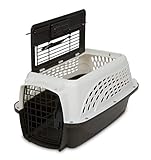
- SECURE AND COZY DEN: The Petmate Two-Door portable dog crate provides easy access with a front-loading door, offering a safe and comfortable space for your pet's natural denning instincts.
- AIRLINE-APPROVED: This small dog carrier airline approved meets most airline cargo specs. Ventilation holes provide fresh air and 360-degree visibility for your pet
- IDEAL FOR SMALL PETS: Designed as a puppy carrier for small dogs 0-15 lbs, the 19-inch crate offers room for pets to stand, turn, and lie comfortably; with space for a cushion to enhance comfort
- EASY ASSEMBLY AND MAINTENANCE: The plastic dog crate shell is simple to clean; a stay-dry moat directs fluids away from pets
- CONVENIENT: Featuring steel doors with easy-squeeze latches and a foldable handle, this USA-made pet carrier for dogs & cats provides a less stressful travel experience.
Do I need insurance or a subscription before pickup day?
No subscription is required to provide the immediate essentials. Prioritize records, a veterinary relationship, identification and a safe home setup; consider optional financial products only after you understand the pet’s medical history and your budget.
Frequently Asked Questions
Should I wash the shelter blanket before bringing my pet home?
Ask whether the blanket carries a familiar scent and whether the shelter wants it returned. A washable towel or spare blanket lets you preserve a comforting scent while keeping a clean backup available.
Can I let my new cat explore the whole house on the first night?
Usually, a single starter room is easier to secure and monitor. Expand territory after the cat is eating, drinking and using the litter box consistently and can retreat without being chased.
How much water should I pack for a long pickup drive?
Bring water and a spill-resistant container, but follow the shelter’s advice for offering it during the journey. For extended travel, plan safe stops and never leave the animal unattended in a parked vehicle.
What if my adopted pet refuses food after arriving?
Reduce noise and handling, offer the familiar food and check that the bowl is in a comfortable location. Contact the shelter and veterinarian for guidance, especially if refusal is accompanied by vomiting, diarrhea, weakness or breathing changes.
Do I need insurance or a subscription before pickup day?
No subscription is required to provide the immediate essentials. Prioritize records, a veterinary relationship, identification and a safe home setup; consider optional financial products only after you understand the pet’s medical history and your budget.
Do these 3 things before closing this tab:
1Repair Windows errors before they cause bigger problems2Fix the driver behind crashes, sound loss and screen glitches3Clear out junk files and repair common Windows errors




Leave a Reply