The Tool Desk
Outbyte Driver Updater FREEScan for outdated or missing drivers - takes under a minuteDriver Scan →Outbyte PC Repair FREEClear out junk files and repair common Windows errorsFree Scan →The Oriental Shorthair is a short-coated member of the Siamese breed group, known for a long, lean but muscular build, large ears, almond-shaped eyes and extensive color variety. These lively, talkative cats tend to seek company, attention and interactive play, so they are usually a better fit for an engaged household than one looking for a quiet, independent pet.
They need modest coat grooming but regular routine care and enrichment. Ask a breeder and veterinarian about the individual cat’s health history, including reported anesthesia sensitivity, amyloidosis and any relevant genetic screening.
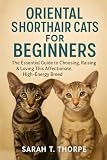


Oriental Shorthair quick facts
| Characteristic | What to expect |
|---|---|
| Breed group | Siamese breed group, alongside the Siamese, Balinese and Oriental Longhair, according to TICA |
| Build | Medium-sized, long and lean but muscular |
| Adult weight | Approximately 5–8 pounds for females and 8–12 pounds for males, according to TICA; individual cats vary |
| Coat | Very short, sleek and close-lying |
| Colors and patterns | Extensive variety |
| Temperament | Typically sociable, intelligent, active and talkative |
| Development | TICA says kittens may reach full development at 18–24 months |
| Life expectancy | TICA lists 10+ years; it notes some Siamese-group cats have been known to live 20+ years. These are breed guidance, not guarantees. |
Breed descriptions indicate tendencies, not a guaranteed personality, size or lifespan. Registry terminology can also differ: TICA distinguishes the Oriental Shorthair and Oriental Longhair, while CFA uses “Oriental” for a breed with both shorthair and longhair divisions.
History and relationship to the Siamese
TICA traces the breed’s development to England in the 1950s. Breeders rebuilding after World War II crossed Siamese with Russian Blue, British Shorthair, Abyssinian and domestic cats, then crossed resulting cats back to Siamese. The aim was to retain the Siamese-type body while broadening coat colors. TICA says Oriental cats were imported to the United States in the 1970s, where further crosses introduced more colors.
Recommended Free Tools
#1 Best Overall
Oriental Shorthairs are part of the Siamese breed group, along with Siamese, Balinese and Oriental Longhair. In registry contexts, “Oriental” may refer to both shorthair and longhair divisions, so check the association’s naming rules when comparing pedigrees or breed descriptions.
Appearance and breed characteristics
An Oriental Shorthair is medium-sized, long and lean but muscular, with long legs and a long tail. The head is wedge-shaped, the ears are large, and the eyes are almond-shaped. The very short coat is glossy and close-lying, and the breed comes in an extensive variety of colors and patterns.
TICA gives approximate adult weight ranges of 5–8 pounds for females and 8–12 pounds for males. These are reference ranges rather than targets for every cat. TICA also says kittens may mature slowly, reaching full development at 18–24 months.
Oriental Shorthair temperament
Oriental Shorthairs are commonly described as lively, intelligent, sociable and talkative. Many seek attention, bond closely with people and enjoy interactive play; some may retrieve toys or take to training. They are athletic climbers, so provide safe climbing opportunities such as a stable cat tree.
They may become mischievous if left alone for long periods, and TICA says they generally do not do well as an only cat. A compatible companion may help, but another pet is not a substitute for human attention and enrichment. Individual cats differ: some may bond especially closely with one person or avoid certain visitors.
These cats are often compatible with children, other cats and cat-friendly dogs, but no breed description guarantees a particular match. Introduce pets gradually, supervise interactions with children and teach them to handle the cat gently and respect its attempts to leave.
Are Oriental Shorthairs good apartment cats?
They can live in an apartment if it offers companionship, daily play, safe climbing opportunities and enrichment. The available stimulation matters more than the size of the home. Cat trees, teaser toys and fetch games are among the activities TICA suggests.
Keep the cat indoors or provide access to a properly enclosed outdoor area. Curiosity and athleticism do not protect cats from traffic, parasites, infectious disease or other outdoor hazards.
Feeding and exercise
Feed a complete and balanced diet appropriate for the cat’s life stage, and set portions according to body condition and veterinary advice. TICA advises feeding adult cats at least twice daily and kittens more often, with fresh, clean water available. It describes canned food as a preferred option, but the right diet and portions depend on the individual cat.
Plan regular interactive activity to meet the breed’s physical and mental needs. Try teaser toys, fetch, climbing and puzzle feeders. Rotate activities to keep them engaging, and supervise toys that could be swallowed.
Rank #3
- Start with a short, chase-oriented game using a teaser or other safe toy.
- Let the cat catch the toy periodically so the game does not become frustrating.
- Offer a meal or appropriate portion of food after play if that fits the cat’s feeding routine.
- Put away toys with strings or cords when unsupervised.
Grooming requirements
The short, fine coat needs little grooming. Recommendations differ: TICA suggests combing every couple of weeks with a stainless steel comb, while CFA recommends weekly use of a rubber curry brush. Choose a gentle approach the cat tolerates; a stainless steel comb is an optional tool, not a required purchase.
Routine care also includes:
- Trim nails regularly; TICA recommends weekly nail trims.
- Clean the eyes and ears as needed, following veterinary guidance and avoiding deep insertion into the ear canal.
- Brush teeth with pet toothpaste and arrange regular veterinary dental care.
- Use calm handling sessions to help the cat become comfortable with routine checks.
Health concerns
TICA describes Oriental Shorthairs as generally healthy but notes reported sensitivity to anesthesia and susceptibility to amyloidosis. CFA describes progressive retinal atrophy as a recessive condition detectable by genetic testing. These breed-level concerns are not diagnoses or prevalence estimates; discuss the individual cat’s history and relevant screening with a breeder and veterinarian.
Outdated Drivers Are Slowing You Down
One free scan finds every outdated or missing driver and matches the right update for your exact hardware.Free scan · exact hardware matchPC Slower Than It Used to Be?
A free scan shows the junk files, broken settings and background clutter dragging Windows down - then fixes them in one click.Free scan · Windows 10 & 11Anesthesia sensitivity
TICA reports that Oriental Shorthairs may have sensitivity to anesthesia. Tell the veterinarian about the cat’s breed and any known history before surgery, including routine procedures, so the veterinary team can consider the individual animal’s needs.
Amyloidosis
Amyloidosis is a reported susceptibility in the breed. TICA says no test is available to detect amyloids. Ask the breeder about health history in the family line and discuss any concerns with the cat’s veterinarian.
Progressive retinal atrophy
CFA describes progressive retinal atrophy as a recessive condition that can be detected by genetic testing. Ask whether relevant testing applies to the cat’s line and request an explanation of the results and how they inform breeding decisions.
Routine veterinary care
Arrange regular veterinary examinations and dental care, and seek veterinary advice about changes in appetite, behavior, vision, breathing or other signs that concern you. Breed-level information cannot determine an individual cat’s diagnosis or care needs.
Choosing a responsible breeder
A responsible breeder should discuss the health and temperament of the family line and provide records for the kitten. Before committing, ask for:
- Registration and pedigree details from the relevant cat association.
- Vaccination, parasite-control and veterinary records for the kitten.
- The parents’ health history and ages.
- Information about anesthesia sensitivity and any family history of amyloidosis.
- Relevant genetic screening information, including whether testing for progressive retinal atrophy applies to the line.
- A written contract covering registration, return provisions, health terms and breeder support.
Ask what was tested, which cat was tested and how results apply to the kitten. A breeder should be willing to explain records and answer reasonable questions; a vague claim that a line is “clear” is not a substitute for specific information.
Independent reader supportYour contribution helps us test, update, and keep practical guides available for everyone.Who should—and should not—choose this breed?
An Oriental Shorthair may suit someone who wants an active, social companion and can offer regular attention, play and enrichment. Consider another breed or an individual adult cat if you want a consistently quiet pet or cannot provide much interaction. Compare individual cats by social needs, activity, vocality and the health history available; breed tendencies are not guarantees.
FAQ
Are Oriental Shorthairs part of the Siamese breed group?
Yes. TICA groups Oriental Shorthairs with the Siamese, Balinese and Oriental Longhair. CFA uses “Oriental” for a breed with both shorthair and longhair divisions.
Quick wins for a faster PC:
Fix the driver behind crashes, sound loss and screen glitchesFind Drivers →Clear out junk files and repair common Windows errorsFree Scan →Scan for outdated or missing drivers - takes under a minuteDriver Scan →How big does an Oriental Shorthair get?
TICA gives approximate adult weight ranges of 5–8 pounds for females and 8–12 pounds for males. Individual cats vary, and TICA says kittens may take 18–24 months to reach full development.
Do Oriental Shorthairs need another cat?
TICA says they generally do not do well as an only cat and may become mischievous if left alone for long periods. A compatible companion may help, but each cat’s needs and temperament are individual.
How often should I groom an Oriental Shorthair?
They need little coat grooming, but recommendations vary. TICA suggests combing every couple of weeks with a stainless steel comb, while CFA recommends a weekly rubber curry brush. Choose a gentle method the cat tolerates.
What health questions should I ask an Oriental Shorthair breeder?
Ask about the family’s history of amyloidosis, any known anesthesia sensitivity, and whether genetic testing for progressive retinal atrophy applies to the line. Request veterinary records and discuss the individual cat’s needs with a veterinarian.
What’s actually slowing this PC down?
Pick the symptom - the matching free tool is one click away.
The Bottom Line
The Oriental Shorthair is a short-coated, colorful member of the Siamese breed group with a strong appetite for companionship, play and attention. Its coat needs modest grooming, alongside routine nail, eye, ear and dental care. Choose a cat whose social needs suit your home, and ask a breeder and veterinarian about its individual health history, including reported anesthesia sensitivity and relevant screening.
Quick Recap
Product prices and availability are accurate as of the date/time indicated and are subject to change. Any price and availability information displayed on Amazon at the time of purchase will apply.




