Pedialyte is made and labeled for people, and veterinary sources do not establish a standard dose for cats. Ask your veterinarian before offering it to a cat. If your cat seems dehydrated, is weak or acting ill, or is vomiting or has diarrhea that does not stop, contact a veterinarian promptly. Dehydration is a sign of something else, and the cause determines what kind of fluid care your cat needs.
Why Pedialyte is not a cat product
The manufacturer describes its Classic Unflavored formulation for children and adults. Its product information also says that ingredients and nutrition details can change, so the current package label is the authority on what is in a given bottle. Nothing in the manufacturer’s material addresses feline use, and the veterinary sources reviewed for this article contain no controlled feline safety study of Pedialyte. A product designed for human electrolyte needs does not become suitable for cats simply because it contains water, sodium, and potassium.
Why online cat doses conflict
Searches for “how much Pedialyte can I give my cat” return numbers that do not agree with each other. Two kinds of source produce most of them, and neither is a veterinary standard.
Secondary editorial advice
Cats.com, in an article updated April 7, 2026, suggests small amounts for certain mild cases. The same article labels its guidance as author-developed and tells readers to consult the cat’s veterinarian. That is useful context for an owner, but it is not a controlled study, a drug label, or a consensus veterinary guideline.
#1 Best Overall
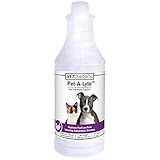
- ELECTROLYTE SOLUTION FOR CATS AND DOGS: When your pets are faced with dehydration, vomiting or diarrhea, it’s important to replace the lost fluids quickly with Vet Classics Pet-A-Lyte Oral Electrolyte Solution for dogs and cats. This great-tasting liquid electrolyte solution comes in a 32 Oz. bottle and helps to help replace your pet’s fluids.
- PREMIUM DOG ELECTROLYTE SOLUTION FOR VOMITING: Give your furry friend the support he needs after vomiting with this Pet-A-Lyte oral electrolyte solution for dogs and cats that helps to maintain normal fluid balance in the blood and tissues.
- CAT SUPPLEMENT FOR DIARRHEA: Your pet’s vitality is important at any age, which is why it’s crucial to replenish fluids lost from cat diarrhea or dog diarrhea. This 32 Oz. dog supplement for dehydration replenishes essential electrolytes.
- VETERINARIAN FORMULATED DOG ORAL ELECTROLYTE SOLUTION: Support your pet and replenish lost fluids after dog vomiting, cat diarrhea or pet dehydration with Pet-A-Lyte electrolytes that replaces lost fluids.
- PREMIUM PET SUPPLEMENTS: Since 1994, Vet Classics has offered a high-quality line of pet health supplements developed by veterinarians and staff scientists for dogs, cats and horses. Vet Classics offers preventative and solution based supplements for hip and joint support, cardiovascular care, liver support, urinary support, digestive support, and more.
General pet first-aid instructions
Veterinary Partner/VIN’s “Diarrhea and Vomiting: First Aid,” revised August 16, 2023, gives a general rule of thumb: clear liquids may be considered once vomiting has stopped for 6 to 8 hours. This is broad guidance for pets. It does not name Pedialyte or set a cat-specific regimen, and it says to seek veterinary attention for ongoing vomiting or diarrhea or for a pet that looks ill.
These two sources should not be merged into one “standard” routine. Their numbers come from different purposes and different levels of evidence. The consistent message across the veterinary material is to involve a veterinarian before giving any human electrolyte product.
Signs of dehydration in cats
Cornell University College of Veterinary Medicine’s Cornell Feline Health Center, in its “Hydration” guidance last updated in 2021, lists the following signs:
Rank #2

- HIGH-CALORIE SUPPLEMENT GEL WITH ELECTROLYTES: Give your feline companion a nutritious, high-calorie treat to support their daily needs. This ready-to-use gel is packed with essential nutrients and healthy ingredients to help cats and kittens struggling with their appetite gain weight. Specially formulated to enhance appetite and boost energy levels, it’s safe for cats of all ages and the perfect solution for promoting overall well-being. Shelf life: 24 months from manufacturing date. EXP date printed on top of the cap as EXP MM/YY.
- VET FORMULATED AND APPROVED: This tasty salmon-flavored ready-cal gel oral supplement was carefully formulated by veterinarians, ensuring wellness for cats and kittens of all ages. This high-calorie supplement is enriched with a perfect blend of essential vitamins, minerals, electrolytes, Omega-3 and Omega-6 essential fatty acids, which are vital for promoting optimal brain function, maintaining a healthy heart, and shiny coat.
- IDEAL FOR FINICKY CATS AND KITTENS: This easy-to-feed high-calorie oral gel is specially designed to provide essential nutrition for growing kittens, young cats, recovering pets after surgery or injury, senior cats, and even picky eaters. A must-have nutritional cat supplement for supporting the overall health and vitality of your beloved feline companions.
- EASY-TO-USE SQUEEZABLE TUBE: This tasty oral gel supplement comes in a convenient 100cc squeezable tube. To encourage even the pickiest of pets, simply apply a small amount to their lip or paw. They'll naturally lick it off, enjoying the appealing flavor, making the process both simple and enjoyable for you and your furry friend.
- ALL-NATURAL & MANUFACTURED IN THE USA: Our tasty lickable cat high-calorie treats are proudly made with all-natural ingredients and manufactured in the USA. A portion of every sale supports the spay/neuter and transportation of pets from overpopulated areas of the USA to the Northeast for adoption. Shelf life: 24 months from manufacturing date. Product is labeled with ‘EXP MM/YY’ on the lid.
- Lethargy or weakness
- Poor appetite
- Dry or tacky gums and mucous membranes
- Sunken eyes, which appear in more severe dehydration
Skin elasticity is often checked at home by lifting the skin at the shoulders, but this test is unreliable for grading dehydration. Cornell notes that older cats can have reduced skin turgor even when they are normally hydrated. A guardian should not use the skin test alone to decide whether a cat can wait.
Windows Errors? Fix Them Before They Spread
Repair common Windows errors and clear accumulated junk for a smoother, more stable PC - no reinstall needed.Free scan · no reinstallOutdated Drivers Are Slowing You Down
One free scan finds every outdated or missing driver and matches the right update for your exact hardware.Free scan · exact hardware matchWhen the situation is urgent
- Your cat is not drinking, or drinks very little, for a period your veterinarian has not approved
- Vomiting or diarrhea continues, or the cat repeatedly vomits
- Your cat is weak, unusually quiet, or does not respond normally
- Gums look dry or tacky, or the eyes look sunken
- You know or suspect a chronic condition such as kidney disease or diabetes
Common causes and why they matter
Cornell lists these as common causes of dehydration in cats:
- Chronic kidney disease
- Diabetes
- Hyperthyroidism
- Vomiting or diarrhea
- Water loss related to medication
- Reduced food or water intake
- Weakness
- Dental problems that make eating or drinking painful
- Limited access to water
The cause sets the plan. A cat that drinks less because of a painful mouth needs a dental assessment, while a cat losing fluid through repeated vomiting may need treatment for the vomiting itself. Giving an electrolyte drink to either cat leaves the underlying problem untreated.
Rank #3
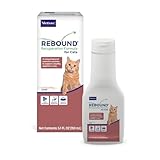
- Help your cat BOUNCE BACK
- Fluid therapy for cats during recuperation following surgery or sickness
- Contains ESSENTIAL NUTRIENTS ANTIOXIDANTS OMEGAS and PREBIOTICS
- Formulated to PROMOTE HYDRATION, NUTRITION and IMMUNE SUPPORT
- Promote EATING and DRINKING during recovery
What veterinary fluid therapy involves
Cornell describes intravenous and subcutaneous fluids as options in veterinary clinical care. The American Animal Hospital Association’s “Fluid Therapy Frequently Asked Questions,” published June 10, 2024, separates two situations that call for different plans.
Maintenance fluids
Maintenance fluid therapy supports extracellular fluid volume and normal electrolyte balance in a patient that cannot meet its own needs for a period. The plan is not a rescue dose, and it is chosen for the individual animal.
What’s actually slowing this PC down?
Pick the symptom - the matching free tool is one click away.
Replacement fluids
Replacement therapy addresses measured or estimated losses, such as those from vomiting, diarrhea, or burns. The volume and composition depend on what has been lost.
Rank #4

- Cat Kidney Support Supplement: Purina Pro Plan Hydra Care for cats helps with hydration and supports healthy kidneys.
- Hydration for Cats: Cat health support supplement promotes hydration and is shown to increase total liquid intake (compared to cats consuming only water in addition to dry feeding).
- Easy to Feed and Absorb: Liquid hydration supplement for cats contains nutritional osmolytes which aid in the absorption of water at the cellular level.
- Cat Urinary Health: Cat urinary supplement is shown to decrease urine specific gravity (compared to cats consuming only water in addition to dry feeding).
- Scientific Support: Cat kidney care supplement is backed by scientific research and represents a collaboration between Purina nutritionists, researchers, and veterinarians.
Monitoring and risk
AAHA discusses the risk of overhydration and notes that cats can be sensitive to fluid intolerance in some circumstances. Fluid plans are therefore adjusted and monitored by the clinical team rather than set once and forgotten. This individualized approach is the main reason veterinary fluid care cannot be replaced by a fixed home amount.
Independent reader supportYour contribution helps us test, update, and keep practical guides available for everyone.Routine hydration for cats that are eating and acting normally
Cornell estimates that an average cat needs about 4 ounces of water per five pounds of lean body weight per day. This is a general figure for healthy adult cats, not a treatment target for a sick cat, and it uses lean rather than total body weight.
Food counts toward intake. Cornell notes that wet food can be up to 80% water, and cats eating it may drink less from a bowl. An owner who measures only the water bowl can underestimate how much fluid a cat is taking in.
Recommended Free Tools
Best Value

- Promotes Daily Hydration: Provides a full spectrum of electrolytes to support your cat's hydration needs throughout all life stages.
- Enhances Nutrient Absorption: Formulated with fulvic and humic acids to assist in transporting electrolytes into cells for optimal utilization.
- Supports Digestive Health: Aids in maintaining a healthy gut microbiome, contributing to regular digestion and elimination.
- Assists in Recovery: Offers nutritional support that may aid in healing during periods of illness or injury.
- Clean and Simple Formula: Contains only fulvic and humic biomass in purified water; free from artificial additives and suitable for various dietary preferences. Each 8 fl oz bottle is designed for daily use, with dosage adjusted according to your cat's weight.
Practical routine measures
- Keep fresh water available in more than one accessible location.
- Add water to food, or use wet food as part of the diet.
- Cornell suggests flavoring water with a small amount of tuna water or low-sodium chicken broth to encourage drinking.
- Some cats drink more from a fountain, though individual preferences vary.
These measures support hydration in a cat that is otherwise well. They are not treatment for a dehydrated or ill cat, and a cat with kidney, heart, or endocrine disease may need a veterinarian to decide what extra fluids are appropriate.
Side effects and safety limits
The veterinary sources reviewed do not provide a controlled feline safety study or a reliable incidence rate for side effects from Pedialyte. This means that a list of specific reactions in cats would go beyond the evidence. Owners should not assume that the absence of reported reactions proves safety, and should not treat speculative reactions as established.
What is established is narrower. Pedialyte is a human product, no standard feline dose has been set, and cats with underlying illness may need individualized fluid and electrolyte management. The AAHA material supports tailored clinical fluid plans in general; it does not identify a Pedialyte-specific toxicity.
Opened and prepared Pedialyte: storage and handling
The manufacturer’s “Facts & Answers” directs that opened or prepared Pedialyte liquid be discarded after 48 hours, because microorganisms can enter through air or contact and grow during storage. This is a product-handling instruction for people using the product. It is not evidence about feline safety, but it is a reasonable limit to follow if a veterinarian has approved any use.
The Tool Desk
Outbyte Driver Updater FREEScan for outdated or missing drivers - takes under a minuteDriver Scan →Outbyte PC Repair FREEClear out junk files and repair common Windows errorsFree Scan →Comparing the three approaches
The practical choice is between an unsupervised human electrolyte product, routine hydration support, and veterinary-directed assessment with fluid therapy when needed. The table compares them by purpose and by what each one does or does not establish.
| Approach | Main purpose | Identifies the cause? | How the fluid plan is chosen | Monitoring |
|---|---|---|---|---|
| Unsupervised human oral electrolyte solution (such as Pedialyte) | Designed for people; no feline dose established | No; a product is not a diagnosis | By the owner; no established feline dose | Not stated by the product for cats |
| Routine hydration support | Encourage normal water intake in a cat that is eating and acting normally | No; not a diagnostic step | Owner-managed: fresh water, wet food, fountains | Owner observation of intake and behavior |
| Veterinary-directed assessment and fluid therapy | Correct dehydration or replace losses in a cat that is ill or unable to meet fluid needs | Yes; the cause guides treatment | Maintenance or replacement plan chosen for the individual cat | Clinical monitoring for response and fluid tolerance |
For any cat showing signs of dehydration, illness, or ongoing gastrointestinal loss, the veterinary row is the appropriate pathway. The other two rows are for routine maintenance in a well cat, not for treating a problem.
Quick Recap
Product prices and availability are accurate as of the date/time indicated and are subject to change. Any price and availability information displayed on Amazon at the time of purchase will apply.




