Recommended Free Tools
An adoption event and an animal-shelter visit differ mainly in where you meet pets: an event is often mobile or held at a community venue, while a shelter visit takes place at the organization’s facility. The adoption rules are not standardized by venue. The participating shelter or rescue decides which animals attend, how applications are reviewed, what fees apply, whether approval can happen the same day, and how the pet travels home. Treat the event or shelter’s current instructions as the authority before you leave.
Event or shelter: the practical difference
The setting changes the experience, but it does not reliably predict the outcome. An event may be convenient because adoptable pets are brought closer to a neighborhood. A shelter may offer a larger, more complete view of animals housed there. Either location can involve an application, an interview or matching conversation, document checks, fees, and a decision about whether the home is suitable.
As an Amazon Associate I earn from qualifying purchases.
| Question | Adoption event | Animal shelter visit |
|---|---|---|
| Where do you meet pets? | A mobile unit or temporary community location; the participating organization chooses the venue. | The organization’s normal facility, where animals may be housed or where staff coordinate meetings with foster animals. |
| Which animals can you meet? | Only the animals scheduled for that event, and availability can change before or during the event. | Animals currently available through that facility, subject to kennel status, appointments, and foster arrangements. |
| Who controls approval? | The participating shelter or rescue, not the host venue. | The shelter or rescue operating the adoption program. |
| Can you apply onsite? | Sometimes. Confirm whether forms, identification checks, and payment can be completed there. | Often, but the organization may require an online form, appointment, or additional review. |
| Can you take a pet home that day? | Possible at some events, but never guaranteed. | Also possible at some shelters. Seattle and Fairfax County provide local same-day examples, while Seattle notes a different arrangement for foster pets. |
| What does it cost? | The participating organization sets the fee or contribution; promotions may apply. | The shelter sets its own fee or contribution and package of included care. |
| What transport is needed? | You must be ready to transport the animal from the temporary site under that organization’s safety rules. | You must meet the facility’s transport requirements; the shelter may require a carrier, leash, or other secure setup. |
These are patterns, not guarantees. The ASPCA states: Every animal welfare organization will have their own unique adoption process, fees and parameters.
That principle applies whether the organization is operating from a shelter building, a mobile unit, or a partner venue.
The Tool Desk
Outbyte PC Repair FREERepair Windows errors before they cause bigger problemsFix Now →Outbyte Driver Updater FREEScan for outdated or missing drivers - takes under a minuteDriver Scan →What happens at an adoption event
Before you arrive
Start with the participating organization’s event notice rather than relying on a general calendar listing. Confirm the exact address, date, hours, parking or access instructions, and whether the event is still proceeding. Mobile-event details can change at short notice. Check again on the day you travel.
#1 Best Overall
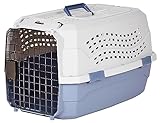
- Hard sided pet carrier with 2 doors for front and top entry; suitable for cat or medium size dog weighing 12 - 20 pounds
- Durable plastic construction with steel wire doors; screws keep the top and bottom sections securely connected
- Spring load latches ensure easy one-handed door opening and closing; top door swings open to the left or right and includes a top carry handle
- Plenty of air ventilation on the sides, top, and back of the carrier
- Note: Be sure to measure the size of the pet when choosing carrier size
Read the animal listings carefully. A pet shown online may be adopted before the event, may be held at a different location, or may not attend because of health, foster, or transport considerations. Ask the organization whether the particular dog or cat will be present and whether visits are first come, first served or scheduled.
Meeting animals at the venue
Space and time are usually more limited than at a full facility. Staff or volunteers may introduce you to pets, explain personality notes, and answer questions about medical or behavioral history. Use that conversation to discuss your household, schedule, existing animals, children, housing restrictions, and realistic care budget. A friendly first meeting is not a substitute for a suitability assessment.
Applications and decisions
Some organizations bring application forms, identification checks, payment processing, and adoption paperwork to the event. Others use the event only for introductions and complete approval later. Ask what happens after you express interest: whether a reference or landlord check is required, how long review normally takes, and whether another adopter can be approved first.
Do these 3 things before closing this tab:
1Fix the driver behind crashes, sound loss and screen glitches2Repair Windows errors before they cause bigger problems3Scan for outdated or missing drivers - takes under a minuteASPCA NYC describes its mobile events as first come, first served and says visitors may meet animals and go home with a companion the same day. That is one organization’s policy, not a rule for adoption events generally. Even where same-day adoption is offered, staff can decline an application, require additional information, or determine that the animal needs a different placement.
Taking the pet home
Do not arrive without a safe transport plan. ASPCA NYC requires adult cats and some kittens to leave in a secure pet carrier. Dogs may have different leash, harness, or vehicle requirements. Bring the equipment specified by the participating organization, and ask whether the animal must leave immediately after paperwork or may be collected later.
Rank #2
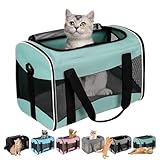
- [PRODUCT DIMENSIONS] Pet travel carrier size : 17x11x11 inches, recommended up to 15 lb pets, it is suitable for large, medium cats and small dogs. Please don't choose your airline cat carrying case based on weight, please refer to your pet's length and height when choosing a pet carrier size.
- [AIRLINE APPROVED] This cat carrier is designed with airline approved, it can fit comfortably under most flight seats, we can take our pets wherever we want. Dog travel carrier offers two attachment loop handles that can be used as a dual harness or as a luggage strap for balanced carry and secure transport.
- [EXCELLENT MATERIAL] Collapsible cat carrier is made of polyester fabric, supported by a steel ring, washable, wear-resistant and durable. The three sides and the top of this pet carrier are nylon mesh, scratch-resistant and not easy to damage, it can not only check your pet in real time, but also ensure enough air circulation.
- [SAFE AND COMFORTABLE] Dog travel bag has metal zippers on the top and side entrances, durable and not easy to deform, it allows your pets to enter and exit easily. The cat carrying case is equipped with an anti-escape safety buckle, which can effectively prevent pets from accidentally falling. It is suitable for car rides and vet rides.
- [PORTABLE AND FOLDABLE] Pet travel carrier comes with a detachable and hand washable wool pet bed, it can provide a comfortable sleeping space for your traveling pet. The cat travel case comes with an adjustable shoulder strap and handle for easy portability. When not in use, you can fold it up for storage.
What happens at an animal shelter
Arrival and animal selection
A facility visit may let you see more of the organization’s available population, although some animals are in foster homes, undergoing treatment, or temporarily unavailable. Check in according to the shelter’s current procedure. Staff can explain which kennels are open for visits and whether a particular pet requires an appointment.
Conversation, questionnaire, and matching
Expect questions designed to assess fit rather than to test whether you are a perfect owner. Topics can include the animal’s daily exercise, alone time, training plans, other pets, children, housing, landlord permission, and who will provide veterinary care. Fairfax County describes a questionnaire followed by staff review of medical and behavior information. Seattle describes a conversation about the adopter’s desired companion and the transition home.
What’s actually slowing this PC down?
Pick the symptom - the matching free tool is one click away.
Ask for the information you need to make a responsible decision: known diagnoses, medications, vaccination and sterilization status, bite or fear history, energy level, separation concerns, compatibility notes, and any restrictions on handling. Pet biographies are useful starting points because they describe personality and needs, but staff may have additional observations.
Approval and timing
A shelter visit does not automatically mean a slower adoption. Seattle says most pets can go home the same day, and Fairfax says its adoptions are same-day. Seattle separately notes that foster animals may require the adopter and foster parent to arrange a later transfer. Other organizations may use a multi-step review, scheduled pickup, home check, or mandatory waiting period. Ask for the actual sequence before assuming you can leave with the animal.
Same-day adoption: what it does and does not mean
“Same day” can describe several different points: submitting an application, receiving approval, signing a contract, or physically taking the pet home. Clarify which one the organization means. A same-day policy still depends on the animal’s availability, staff capacity, completed documents, household suitability, payment, and transport.
Rank #3

- High Quality Design:Sturdy steel cage structure and wooden support board maintain good spatial stability and shape. Breathable mesh windows on four sides,which can ensure good air circulation and views,make pets have a comfortable and safe travel.It can also be easy for you to check on your pets.There is a front pocket to store pet toys,treats,etc.
- Dimension and Weight:Made of durable tear-resistant fabric.Four easy entrances for pets. Dimensions: 17 inch x 11 inch x 11 inch (L*W*H), suitable for pets up to 16 lbs.Please don't choose your carrier based on weight only,consider your pet's length and height when choosing a carrier.
- Airline Approved & Safty:Can be placed under the seats of most airplanes(Four non-slip feet on the bottom to prevent movement), and comfortably on the seat next to you in a car or bus.It has a adjustable shoulder strap.Can also be fastened to the car seat with a safety belt or shoulder strap to keep your pet safe.
- Easy to Clean :You can clean the stains and dirt on the surface with a soft cloth.Soft mat inside the pet carrier is removable and washable.You can take it out and wash it easily to solve all stains.
- Easy to Collapsible & Lightweight:When not in use,fold it into a flat,space saving and easy to store.Only 2.2lbs,it's easier to carry around.It can also used as a toy of pet house,allowing pets to play in a safe space to relax and rest.
- Possible: Some organizations approve and release pets during the same visit.
- Not universal: ASPCA guidance says some groups offer same-day adoptions while others take longer.
- Not always immediate: Foster pets may need a later handoff, as Seattle explains.
- Not a promise of approval: The organization can require more information or decide another home is a better match.
Plan your schedule so that you can complete a thoughtful conversation and paperwork without rushing. If you cannot stay, ask whether the organization can hold the pet, continue the application online, or schedule a pickup; do not assume any of those options exists.
Applications, eligibility, and identification
Requirements vary by organization and jurisdiction. Many groups publish an application online, but an online form does not necessarily mean online approval. Before traveling, find out whether you need:
- a government-issued photo ID and proof of current address;
- proof that you are old enough to adopt under that organization’s rules;
- landlord permission or lease information when you rent;
- contact details for household members or a veterinarian;
- information about existing pets, including vaccination status;
- all adult household members, children, or resident animals to participate in a meeting; and
- a completed questionnaire, application fee, or appointment confirmation.
Petfinder’s adoption FAQ uses questions such as “How long do pet adoption applications take to be approved?” and “What documents and identification do I need to adopt a pet?” Those questions are useful prompts for your call, but they do not establish one timeline or document list for every shelter. Ask the organization handling the animal.
Fees, waived promotions, and what is included
Adoption fees or suggested contributions help organizations pay for care such as veterinary services, food, vaccinations, and spay/neuter procedures. The amount and terminology differ: one group may publish a fixed fee, another a suggested contribution, and another age- or species-based amounts. Promotions can reduce or waive the payment.
A waived adoption fee does not mean ownership has no cost. Ask what the adoption package includes and what you will need to pay separately, such as a first examination, medication, licensing, identification, food, training, grooming, supplies, or future treatment. The organization should explain which procedures have already occurred and which follow-up care is recommended.
Quick wins for a faster PC:
Fix the driver behind crashes, sound loss and screen glitchesFind Drivers →Clear out junk files and repair common Windows errorsFree Scan →Scan for outdated or missing drivers - takes under a minuteDriver Scan →Rank #4

- Pet Carrier: 17.5” L x 11” W x 11” H, Recommended max load of 16 lbs cats small dogs. Please do not choose your carrier based on weight--please reference your pet's length and height in selecting a pet carrier size.
- Fits for under-seat dimensions of most airlines. Every airline has a specific set of rules and regulations, please contact with airline before flying with your cats small dogs.
- Mesh windows for ventilation, top and side entry with locking zippers for safety. Carrying handles, adjustable shoulder strap which can also be used as seatbelt, and back strap can fasten the pet carrier to your luggage.
- Pet carrier comes with a removable base insert, which creates a solid surface for your pet to stand on, along with a removable & hand washable cozy fleece pet bed, which offers a cozy sleeping space for your traveling cats small dogs.
- "Toys for pets, of textile materials". Mostly used as a Toy of Fabric Pet Home for pets playing and relaxing.
For scope, ASPCA’s New York City Adoption Center page listed a $150 suggested adoption contribution when accessed October 13, 2026. That is a local suggested contribution at that center, not a national average, an event-wide price, or a typical shelter fee. No national adoption-cost statistic is established here.
How to prepare for either setting
One to several days before
- Read the organization’s current adoption page, event notice, hours, and animal listings.
- Confirm the event has not moved or changed status and that the animal is still available.
- Ask whether the animal will attend in person or is in foster care, and whether an appointment is required.
- Check application, age, identification, landlord, household, and existing-pet requirements.
- Ask for the fee, current promotions, accepted payment methods, and a list of included veterinary care.
- Discuss whether all decision-makers, children, or resident pets should attend.
On the day
- Bring the identification and documents the organization requested.
- Allow enough time for a conversation, animal meeting, questionnaire, review, contract, and payment.
- Bring or obtain the required secure carrier, leash, harness, or vehicle restraint. Do not transport a cat loose in a car.
- Take notes on medical instructions, diet, medication, behavior, decompression, and follow-up appointments.
- Ask who to contact after adoption and what to do if the animal becomes ill, escapes, or cannot safely remain in the home.
Before signing
Read the adoption contract and return policy. Verify the animal’s identification information, sterilization status, vaccination record, medications, microchip details if applicable, and any deadlines for follow-up veterinary care or licensing. If a term is unclear, ask staff to explain it before you pay or leave.
Choosing the right pet rather than the most convenient venue
An event’s lively setting can make an immediate connection feel decisive, while a shelter’s kennel environment can make a quiet animal appear less expressive. Neither first impression is enough. Compare the pet’s needs with your household’s capacity.
Questions about daily life
- How many hours will the pet regularly be alone?
- Can you provide the exercise, enrichment, training, and supervision this animal needs?
- Are your housing rules, yard, stairs, noise level, and travel schedule compatible?
- Can you afford routine care and an unexpected veterinary bill?
- How will you introduce the pet to children, visitors, cats, dogs, or other animals?
Questions about health and behavior
- What medical conditions, medications, allergies, or dietary needs are known?
- What has staff or the foster caregiver observed about fear, guarding, handling, separation, or bite risk?
- What behavior is likely to change after the pet decompresses in a home?
- What training or management plan does the organization recommend?
- Which follow-up examinations, vaccinations, sterilization, or dental care remain?
ASPCA guidance says pet biographies describe personality and needs and that the organization can help assess fit. Fairfax’s process likewise includes review of medical and behavior information. Use those resources, then make a decision based on the care you can actually provide.
Transport and the first hours at home
Travel directly and keep the animal secured. A cat should remain in a closed carrier; a dog should be attached to appropriate equipment and restrained safely in the vehicle. Keep identification and adoption paperwork accessible. Avoid introducing the new pet to a crowded gathering on the way home.
Best Value

- AIRLINE APPROVED CARRIER - With airline-approved design, you can take your pet to go to everywhere. This pet carrier provides two connecting loop handles for balanced carrying as a dual seat belt or luggage strap to secure transport
- SAFETY DESIGN - The adjustable shoulder strap help you hands-free carrying and makes it more safe and convenient pet carrier bag for your travel
- DURABLE - This cat carrier is made of durable and lightweight polyester fabric. The four-side mesh will not only give a safe and comfortable travel for your pet, but also easy for you to check on your pet
- PORTABLE & FOLDABLE - This dog carrier is easy to carry and store, which has a padded shoulder strap and handles
- BOTH SIZES AND WEIGHTS - The mediun cat carrier is designed for small and medium pets within 15" x 9" x 9"(smaller than product) and 15 lbs. Please do not choose your carrier only based on weight. Reference your pets' length and height in selecting a carrier size.If carried on board, the maximum dimensions should not exceed 18IN*11IN*11IN.
Prepare a quiet, escape-resistant area with water, food approved by the organization, bedding, and a litter box or toilet plan before arrival. Follow the shelter’s feeding and medication instructions. Give the pet time to observe and settle rather than expecting immediate sociability. Arrange the recommended veterinary visit and contact the organization promptly if instructions are missing or a health concern appears.
When an event or shelter visit does not go as planned
The advertised pet is unavailable
Animals can be adopted, moved to foster care, held for medical reasons, or omitted from a mobile trip. Ask whether another meeting is possible and whether the organization can notify you about comparable animals. Do not pressure staff to release a pet that is not cleared for adoption.
You cannot finish the process that day
Request the exact next step and deadline. Some organizations allow an online application or scheduled pickup; others do not hold animals. Record the staff contact, documents still needed, and whether another adopter may proceed meanwhile.
Your application is declined
A decline can reflect the animal’s needs, housing restrictions, incomplete information, or a different match rather than a judgment about your ability to care for pets generally. Ask whether staff can explain the mismatch and suggest animals whose requirements better fit your home. Respect confidentiality and do not submit misleading information to another organization.
The pet becomes ill or unsafe after adoption
Use the organization’s stated post-adoption contact first, then seek veterinary or emergency help appropriate to the symptoms. Keep the contract and medical instructions available. If the placement cannot continue safely, ask the organization about its return procedure instead of rehoming through an unverified listing.
A decision checklist before you travel
- Venue: Do you have the confirmed address, hours, parking information, and a backup plan if the event changes?
- Animal: Is the pet still available, and will it be present at this location?
- Process: Can you apply onsite, or must you complete a form beforehand? Is the process first come, first served?
- Eligibility: What ID, age, landlord, household, or existing-pet information is required?
- Timing: Is same-day approval or pickup possible, and what could require a later transfer?
- Money: What is the fee or suggested contribution, what promotions apply, and what care is included?
- Fit: What are the pet’s known medical, behavioral, exercise, training, and transition needs?
- Transport: What carrier, leash, restraint, or vehicle setup must you bring?
- Aftercare: Who answers questions after adoption, and what follow-up care or return terms apply?
Which option should you choose?
Choose the event when its location and schedule make meeting pets practical, the participating organization has confirmed the animal and requirements, and you can complete a safe, unhurried adoption process there. Choose the shelter when you want to speak with facility staff, review animals housed onsite, or use the shelter’s established meeting and support process. Do not choose solely because you expect an event to be cheaper, less thorough, or more likely to produce same-day adoption; the available evidence supports organizational variation, not those broad assumptions.
In both settings, the responsible route is the same: verify current details, meet the pet thoughtfully, disclose your household circumstances, understand the costs and medical information, and leave only when the organization has approved the placement and you can transport the animal safely.
Free tools Windows power users keep installed
One-click scans. No signup required.
Quick Recap
Product prices and availability are accurate as of the date/time indicated and are subject to change. Any price and availability information displayed on Amazon at the time of purchase will apply.




