
Some links on this page are affiliate links: if you buy through them we may earn a commission, at no extra cost to you.
Adopting a dog or cat costs more than the shelter fee and requires preparation before pickup. Fees are set locally and may already cover spay/neuter surgery, a microchip, initial vaccines, deworming, licensing, or temporary transport equipment, but every animal’s record is different. Plan for food, supplies, identification, routine and emergency veterinary care, training, grooming, boarding, licensing, and unexpected expenses. Before adoption day, obtain permission to keep the pet, prepare a quiet safe area, buy species-appropriate equipment, and book a veterinarian. During the first week, keep life predictable, allow decompression, avoid forced interactions, and introduce resident pets gradually under supervision.
How much does it cost to adopt a dog or cat?
There is no national adoption price. The fee depends on the shelter, species, age, breed, geography, current promotions, and veterinary services already provided. Treat published prices as that organization’s local policy, not as a standard market rate.
As an Amazon Associate I earn from qualifying purchases.
| Organization and animal | Published fee example | Services stated as included |
|---|---|---|
| Humane Society of Utah, dogs | “Pay What You Can” to $500 | Spay/neuter, microchip, initial vaccinations, and deworming |
| Humane Society of Utah, cats | Up to $175 in the listed range | Spay/neuter, microchip, initial vaccinations, and deworming |
| King County, cats six months and older | $30 | Spay/neuter, applicable licensing, microchipping, initial vaccinations, and temporary transport equipment |
| King County, kittens | $100 | Spay/neuter, applicable licensing, microchipping, initial vaccinations, and temporary transport equipment |
| King County, dogs and puppies | $100–$250 | Spay/neuter, applicable licensing, microchipping, initial vaccinations, and temporary transport equipment |
These examples show why two animals in the same city can have different fees. Ask the shelter for an itemized record for the specific animal: procedures completed, vaccine dates, deworming or parasite treatments, infectious-disease tests, medications, microchip number and registration status, and whether a license is included or still your responsibility. Confirm what happens if a listed procedure is not yet complete.
What does an adoption fee include, and what will I still pay?
An adoption fee can bundle substantial initial veterinary work, but it does not cover the animal’s entire first year or lifetime. Read the contract and local rules rather than assuming that a service mentioned in a general fee schedule applies to your pet.
Popular on Amazon
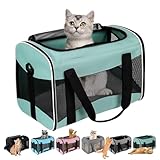
- [PRODUCT DIMENSIONS] Pet travel carrier size : 17x11x11 inches, recommended up to 15 lb pets, it is suitable for large, medium cats and small dogs. Please don't choose your airline cat carrying case based on weight, please refer to your pet's length and height when choosing a pet carrier size.
- [AIRLINE APPROVED] This cat carrier is designed with airline approved, it can fit comfortably under most flight seats, we can take our pets wherever we want. Dog travel carrier offers two attachment loop handles that can be used as a dual harness or as a luggage strap for balanced carry and secure transport.
- [EXCELLENT MATERIAL] Collapsible cat carrier is made of polyester fabric, supported by a steel ring, washable, wear-resistant and durable. The three sides and the top of this pet carrier are nylon mesh, scratch-resistant and not easy to damage, it can not only check your pet in real time, but also ensure enough air circulation.
- [SAFE AND COMFORTABLE] Dog travel bag has metal zippers on the top and side entrances, durable and not easy to deform, it allows your pets to enter and exit easily. The cat carrying case is equipped with an anti-escape safety buckle, which can effectively prevent pets from accidentally falling. It is suitable for car rides and vet rides.
- [PORTABLE AND FOLDABLE] Pet travel carrier comes with a detachable and hand washable wool pet bed, it can provide a comfortable sleeping space for your traveling pet. The cat travel case comes with an adjustable shoulder strap and handle for easy portability. When not in use, you can fold it up for storage.
Costs to plan for after pickup
- Daily care: species-appropriate food, treats, bowls, litter and litter replacement, beds, toys, scratching materials, and replacement supplies.
- Preventive health: follow-up vaccines, parasite prevention, wellness examinations, dental care, and any sterilization or treatment not completed before adoption.
- Behavior and care services: positive-reinforcement training, grooming, boarding, or pet sitting when you travel or work long hours.
- Legal and household costs: licensing, deposits or pet rent where applicable, identification, gates, crates, and repair of property damage.
- Unexpected care: illness, injury, emergency diagnostics, medication, or surgery. Humane Society of Utah specifically advises saving for unexpected costs.
| Planning figure | What it represents | How to use it |
|---|---|---|
| $1,100–$1,400 per year | Humane Society of Tennessee Valley’s 2025 local estimate for food, veterinary care, grooming, training, boarding, toys, and treats | Use as a local planning example, not a guaranteed national budget |
| $200–$400 or more | Humane Society of Broward County’s guidance on additional veterinary care that can arise within the first few weeks | Keep a separate first-weeks medical reserve; an individual pet may cost less or substantially more |
Your own total will change with the pet’s age, health, size, exercise needs, your region, and the services you choose. Price routine care with a local clinic before committing, and decide how you would fund an emergency rather than relying on the adoption fee to be your complete budget.
What should I verify before I commit to an animal?
Ask questions while the shelter can still check its records. A clear answer protects the animal and prevents surprise obligations after you get home.
- Which vaccines, parasite treatments, tests, medications, and surgeries are documented, and on what dates?
- What food, litter, medication schedule, toileting routine, triggers, and behavior observations are known?
- Is the microchip registered to anyone yet, and what steps transfer it to you?
- Does the adoption fee include a city or county license, or must you apply separately?
- Are there follow-up appointments, medication refills, sterilization requirements, or other contract conditions?
- What equipment must you bring for release, and does the shelter provide a temporary carrier or other transport item?
Keep the signed adoption agreement, medical records, microchip information, receipts, and license documents together. Give copies to the veterinarian at the first appointment and retain digital backups for boarding, travel, or emergency treatment.
How do I prepare my home before adoption day?
Set up one quiet, controlled home base before pickup. A smaller safe area lets a nervous animal learn your household gradually instead of managing an unfamiliar entire home at once.
Also popular on Amazon
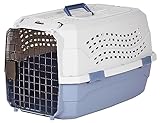
- Hard sided pet carrier with 2 doors for front and top entry; suitable for cat or medium size dog weighing 12 - 20 pounds
- Durable plastic construction with steel wire doors; screws keep the top and bottom sections securely connected
- Spring load latches ensure easy one-handed door opening and closing; top door swings open to the left or right and includes a top carry handle
- Plenty of air ventilation on the sides, top, and back of the carrier
- Note: Be sure to measure the size of the pet when choosing carrier size
- Confirm permission and rules. Check the lease, landlord, building policies, and local regulations for the species, number, and type of pet. Ask about deposits, monthly pet rent, breed or size restrictions, and licensing.
- Plan the people and schedule. Involve everyone who will live with or care for the animal. Discuss allergies, fear, work hours, exercise, feeding, cleaning, and who provides care during absences.
- Choose a home base. Use a quiet room, gated section, crate, or bed away from heavy traffic. Put food and water where they cannot be knocked over and place toileting equipment where the animal can reach it without crossing a frightening area.
- Pet-proof the space. Secure cords, windows, doors, balconies, poisonous plants, cleaning chemicals, medicines, small chewable objects, and escape routes. Add gates where you need to limit access.
- Arrange transport. Dogs generally need a properly fitted collar and leash or harness. Cats and small animals need a secure carrier. Confirm the shelter’s release policy; some will not release an animal without suitable equipment.
- Book veterinary care. Select a regular clinic before pickup and save its phone number and the number for an emergency clinic. American Humane recommends an appointment within the first few days, and the American Veterinary Medical Association advises an examination as soon as possible.
- Prepare a written routine. Note feeding times, outdoor or litter-box breaks, medication, rest, play, and who is responsible. Predictability reduces the number of decisions a frightened animal must make.
What should I buy for an adopted dog or cat?
Buy the essentials before arrival so you do not have to leave a newly adopted animal unattended while shopping.
| Need | Dog | Cat |
|---|---|---|
| Transport and containment | Collar, identification tag, leash or harness; crate or gate if useful | Secure carrier and an escape-resistant room; a gate can help manage access |
| Food and water | Food, two stable bowls, and measured treats | Food, water and food bowls, plus the litter and litter box |
| Rest and enrichment | Bed, chew-safe toys, and age-appropriate activity items | Bed, scratching post, toys, and safe climbing or perching options |
| Care | Grooming brush and waste-cleanup supplies | Grooming supplies and enough litter for the chosen box setup |
| Identification | Tag with current contact details; verify the microchip process | Tag where appropriate and verify the microchip process |
Use the shelter’s current food and litter during the first days when possible. A familiar option can make the transition easier; ask the shelter or veterinarian how to change products if a switch is needed.
Crashes, No Sound, or Screen Glitches?
Random freezes, missing sound and display glitches usually trace back to one bad driver. Find and replace yours safely.Free scan · under a minutePC Slower Than It Used to Be?
A free scan shows the junk files, broken settings and background clutter dragging Windows down - then fixes them in one click.Free scan · Windows 10 & 11Do I need a carrier, crate, leash, or litter box on adoption day?
Yes. Transport equipment is a safety requirement, not an optional accessory. A dog should leave on a leash attached to a secure collar or harness; a cat or small animal should travel in a closed, escape-resistant carrier. Never carry a frightened animal loose through a parking lot or place a cat unrestrained in a vehicle.
Check the shelter’s exact release rules before you arrive. King County lists temporary transport equipment among the services included in its example fees, but policies differ. Bring identification and any requested paperwork, and make the ride direct and quiet. Once home, take the animal straight to the prepared home base before introducing additional rooms or people.
Also popular on Amazon

- High Quality Design:Sturdy steel cage structure and wooden support board maintain good spatial stability and shape. Breathable mesh windows on four sides,which can ensure good air circulation and views,make pets have a comfortable and safe travel.It can also be easy for you to check on your pets.There is a front pocket to store pet toys,treats,etc.
- Dimension and Weight:Made of durable tear-resistant fabric.Four easy entrances for pets. Dimensions: 17 inch x 11 inch x 11 inch (L*W*H), suitable for pets up to 16 lbs.Please don't choose your carrier based on weight only,consider your pet's length and height when choosing a carrier.
- Airline Approved & Safty:Can be placed under the seats of most airplanes(Four non-slip feet on the bottom to prevent movement), and comfortably on the seat next to you in a car or bus.It has a adjustable shoulder strap.Can also be fastened to the car seat with a safety belt or shoulder strap to keep your pet safe.
- Easy to Clean :You can clean the stains and dirt on the surface with a soft cloth.Soft mat inside the pet carrier is removable and washable.You can take it out and wash it easily to solve all stains.
- Easy to Collapsible & Lightweight:When not in use,fold it into a flat,space saving and easy to store.Only 2.2lbs,it's easier to carry around.It can also used as a toy of pet house,allowing pets to play in a safe space to relax and rest.
What should I do during the first three days?
The first three days are a decompression period. ASPCA’s 3-3-3 guidance describes many newly adopted pets as nervous or overwhelmed at first, so prioritize calm, routine, space, and clear boundaries over proving affection or exploring the whole house.
Arrival day
- Take the pet to the home base and show food, water, bed, and toileting area without crowding.
- Keep voices low and movements predictable. Let the animal approach rather than reaching into a hiding place.
- Offer the food and routine recommended by the shelter. Do not force eating, play, handling, or introductions.
- Keep resident animals separated. Close doors or use secure gates so an accidental encounter cannot occur.
Days two and three
- Repeat meals, breaks, rest, and brief positive interaction on a consistent schedule.
- Watch appetite, drinking, urination, stool, breathing, medication needs, and signs of distress. Contact the shelter or veterinarian promptly if a health or behavior concern seems urgent.
- Allow short, supervised exploration only when the pet is settling in the home base. Return to the safe area before the animal becomes overwhelmed.
- Begin simple, reward-based boundaries such as where to rest, how to follow you, or where toileting occurs. Avoid punishment, forced handling, and crowded visits.
Hiding, cautious behavior, or a low appetite on the first day does not necessarily describe the animal’s permanent personality. Adjustment varies: Humane Society of Broward County notes that some pets settle within a week or two while others need a month or longer.
Quick wins for a faster PC:
Scan for outdated or missing drivers - takes under a minuteDriver Scan →Clear out junk files and repair common Windows errorsFree Scan →Fix the driver behind crashes, sound loss and screen glitchesFind Drivers →What changes during the first three weeks and three months?
Once the pet is resting, eating, and using its toileting area more consistently, expand access in small stages. ASPCA’s 3-3-3 framework uses the next three weeks for gradual exploration, consistent routines, and basic training, and the first three months for learning the pet’s preferences, fears, and needs while building durable habits.
- Expand one area at a time: open a new room, observe calmly, and keep the retreat available.
- Reinforce behavior you want: reward calm greetings, appropriate chewing or scratching, toileting, and voluntary handling.
- Protect rest: children and visitors should follow the household’s rules for quiet time and space.
- Record patterns: note food, sleep, triggers, play, and successful routines so you can explain changes to the veterinarian or trainer.
When should my newly adopted pet see a veterinarian?
Arrange an examination as soon as possible, preferably within the first few days. Bring the adoption paperwork and every shelter record, including vaccination, deworming, test, medication, and treatment information.
Also popular on Amazon

- Pet Carrier: 17.5” L x 11” W x 11” H, Recommended max load of 16 lbs cats small dogs. Please do not choose your carrier based on weight--please reference your pet's length and height in selecting a pet carrier size.
- Fits for under-seat dimensions of most airlines. Every airline has a specific set of rules and regulations, please contact with airline before flying with your cats small dogs.
- Mesh windows for ventilation, top and side entry with locking zippers for safety. Carrying handles, adjustable shoulder strap which can also be used as seatbelt, and back strap can fasten the pet carrier to your luggage.
- Pet carrier comes with a removable base insert, which creates a solid surface for your pet to stand on, along with a removable & hand washable cozy fleece pet bed, which offers a cozy sleeping space for your traveling cats small dogs.
- "Toys for pets, of textile materials". Mostly used as a Toy of Fabric Pet Home for pets playing and relaxing.
Questions to cover at the appointment
- Which vaccines and parasite-prevention doses are due next, and what schedule fits this animal’s age and lifestyle?
- Is the current food appropriate, and how much should be fed?
- What dental care, exercise, grooming, socialization, and positive-reinforcement training are appropriate?
- Is sterilization complete, scheduled, or still required under the adoption agreement?
- Which changes in appetite, stool, breathing, pain, energy, or behavior require an urgent call?
- How should existing medications be continued, stopped, or refilled?
The veterinarian can reconcile shelter records with the pet’s examination and local requirements. Keep the clinic’s regular and emergency numbers accessible rather than waiting for a problem to search for them.
Independent reader supportYour contribution helps us test, update, and keep practical guides available for everyone.How do I introduce a new pet to my other pets?
Use separation, scent and sound familiarity, short controlled meetings, and supervision. Do not force a face-to-face greeting simply because the new pet appears friendly on arrival.
- Start apart. Give the newcomer a closed room or secure area with its own food, water, bed, and toileting supplies. Keep resident pets’ food, toys, and resting places separate initially.
- Exchange information safely. Allow animals to notice one another through a closed door or gate. You can rotate bedding or allow brief scent investigation without putting either animal in a position where it cannot retreat.
- Choose a controlled first meeting. For dogs, use leashes and enough space to avoid pulling or cornering. For cats, maintain a secure indoor setup and let the cat choose whether to approach. Keep sessions brief and end while both animals remain calm.
- Increase time gradually. Repeat successful sessions, reward relaxed behavior, and provide escape routes or elevated spaces for cats. Never leave animals together unsupervised until their behavior is reliably calm.
- Reset after a setback. Separate them, reduce the intensity, and return to a previous successful stage. Ask the shelter or veterinarian for help if fear, chasing, guarding, or aggression persists.
What is different about bringing home a dog versus a cat?
Both species need preventive veterinary care, identification, parasite control, a realistic budget, and a gradual introduction. Their equipment and daily management differ.
| Area | Dog | Cat |
|---|---|---|
| Movement and safety | Leash, collar or harness, outdoor supervision, and escape prevention | Secure carrier for transport and an indoor setup that prevents door and window escapes |
| Toileting | Frequent outdoor trips and possibly a house-training plan | Accessible litter box, suitable litter, quiet placement, and gradual relocation if needed |
| Enrichment | Exercise, chew-safe toys, and reward-based training | Scratching materials, climbing or perching choices, and interactive play |
| Household access | Use a leash, crate, or gate while learning manners and routines | Begin with a safe room and expand territory as confidence grows |
What mistakes commonly make the first week harder?
- Assuming the fee is the total cost: make a written budget for recurring care and an emergency reserve.
- Skipping permission checks: resolve landlord, building, breed, number, deposit, pet-rent, and licensing rules before adoption.
- Arriving without transport equipment: confirm release requirements and bring a secure leash setup or carrier.
- Giving full run of the home immediately: begin with a controlled area and expand access gradually.
- Inviting a crowd or forcing contact: let the pet choose interaction and protect its retreat.
- Introducing resident pets too quickly: separate first, then use short supervised stages.
- Delaying the veterinary visit: book early and bring every shelter record so missing care can be identified.
- Punishing accidents or hiding: use management, patience, and reward-based guidance while the animal learns the new environment.
Frequently Asked Questions
Are adoption fees the same for every animal at one shelter?
No. Shelters may vary the fee by species, age, breed, medical work completed, and current promotion. A kitten, an adult cat, and a puppy can therefore have different prices under the same organization’s schedule.
Also popular on Amazon

- AIRLINE APPROVED CARRIER - With airline-approved design, you can take your pet to go to everywhere. This pet carrier provides two connecting loop handles for balanced carrying as a dual seat belt or luggage strap to secure transport
- SAFETY DESIGN - The adjustable shoulder strap help you hands-free carrying and makes it more safe and convenient pet carrier bag for your travel
- DURABLE - This cat carrier is made of durable and lightweight polyester fabric. The four-side mesh will not only give a safe and comfortable travel for your pet, but also easy for you to check on your pet
- PORTABLE & FOLDABLE - This dog carrier is easy to carry and store, which has a padded shoulder strap and handles
- BOTH SIZES AND WEIGHTS - The mediun cat carrier is designed for small and medium pets within 15" x 9" x 9"(smaller than product) and 15 lbs. Please do not choose your carrier only based on weight. Reference your pets' length and height in selecting a carrier size.If carried on board, the maximum dimensions should not exceed 18IN*11IN*11IN.
What does “Pay What You Can” mean on an adoption listing?
It indicates that the named shelter is allowing adopter-chosen payment within its policy rather than posting one mandatory amount. Ask that shelter whether the option applies to the specific animal and whether the same included services and contract terms still apply.
How can I keep adoption records organized?
Store the contract, itemized fee information, medical records, microchip details, medication instructions, and license documents in one physical folder and a backed-up digital file. Bring the folder to veterinary, boarding, grooming, or licensing appointments when records are requested.
The Tool Desk
Outbyte Driver Updater FREEFix the driver behind crashes, sound loss and screen glitchesFind Drivers →Outbyte PC Repair FREERepair Windows errors before they cause bigger problemsFix Now →What should I do if my new pet’s behavior changes suddenly after seeming settled?
Write down the timing, appetite, toileting, sleep, possible trigger, and any medication or environmental change. Contact the veterinarian or shelter for guidance rather than assuming the change is simply a training phase, especially when health signs accompany it.





Leave a Reply