
Some links on this page are affiliate links: if you buy through them we may earn a commission, at no extra cost to you.
For most pet bedding, regular laundry detergent is acceptable when you follow the product and fabric-care labels. The best default for a dog or cat with sensitive skin is a dye-free, fragrance-free detergent. The bigger safety issue is concentrated exposure: chewing a pod or container, licking a spill or wet product, and swallowing dryer sheets or fabric softener. Wash bedding and blankets weekly, use the cycle and temperature the fabric allows, and dry every item completely before your pet uses it again.
Is pet-safe laundry detergent better than regular detergent?
“Pet-safe” is not a single, universally certified detergent category. The veterinary and public-health guidance relevant to pet laundry focuses on the formula, the way a pet could be exposed, label directions and complete drying. A detergent marketed for pets may be suitable, but the wording on the front of the package is less useful than the actual ingredient and use information.
As an Amazon Associate I earn from qualifying purchases.
Do these 3 things before closing this tab:
1Scan for outdated or missing drivers - takes under a minute2Repair Windows errors before they cause bigger problems3Fix the driver behind crashes, sound loss and screen glitchesFor an everyday choice, select a detergent that is fragrance-free and dye-free, especially when a pet has sensitive skin. The Centers for Disease Control and Prevention (CDC) states that detergents with no dyes and no fragrance may be a better choice for pets with sensitive skin. Regular detergent is not automatically unsafe: ordinary use in a washing machine, followed by thorough rinsing and drying, is generally acceptable for pet bedding.
Think of the decision as four separate questions:
- What is in the formula? Fragrances and dyes can be avoided when a pet’s skin is easily irritated.
- How concentrated is the product? Pods contain a concentrated, pressurized liquid and need more caution than ordinary liquid or powder detergent.
- Are you adding another product? Fabric softeners and dryer sheets can introduce cationic detergents that burn tissue and can create a foreign-body hazard.
- Are you using it correctly? Measuring the detergent, choosing a fabric-appropriate cycle and temperature, and drying fully reduce avoidable exposure.
Can I wash dog bedding or cat bedding with regular detergent?
Yes. CDC guidance says soft pet items—including blankets, beds, clothes, plush toys and rope toys—can be cleaned and disinfected in a washing machine and dryer. Use laundry detergent, follow the item’s care label, and select the water temperature and cycle that the material permits. A fragrance-free, dye-free detergent is the more conservative option when a pet has sensitive skin.
Popular on Amazon
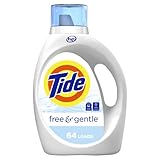
- Gentle on skin
- No dyes or perfumes
- Unscented Liquid Laundry Detergent
- Works in coldwater
- Compatible with HE and standard washing machines
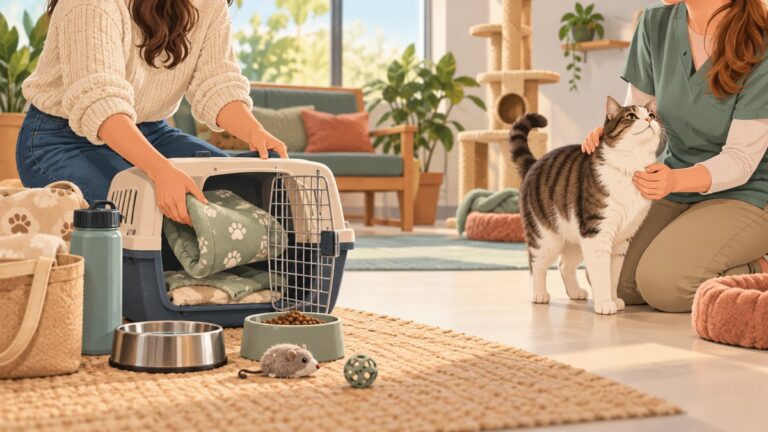
Clean pet bedding, blankets and habitats every week. Weekly cleaning removes dirt and organic material before it accumulates, while the correct cycle protects the fabric and its filling. Do not return an item while it is damp: allow the washer’s full cycle to finish and dry the item completely before giving it back to the pet.
Cleaning and disinfection are not identical. Detergent lifts soil and oils; disinfection is an additional step for situations in which germ control is required. If disinfection is needed and the item can tolerate it, CDC recommends the dryer’s highest-heat setting for 30 minutes, followed by complete drying before pet access. Always give priority to the item’s care label and the detergent label when those instructions are more restrictive.
Free tools Windows power users keep installed
One-click scans. No signup required.
What detergent profile is the safest default for pets?
Choose a fragrance-free, dye-free detergent and use only the amount directed for the load. This profile addresses the main formulation concern identified by CDC without requiring a special “pet” product. It does not make concentrated exposure harmless, so storage and handling still matter.
| Choice or product format | What the guidance indicates | Practical use |
|---|---|---|
| Ordinary liquid or powder detergent | Common anionic and nonionic detergents generally cause mild gastrointestinal or mucosal irritation during exposure, according to the Merck Veterinary Manual. | Suitable for pet laundry when the label is followed; keep the container away from pets and clean spills promptly. |
| Fragrance-free, dye-free detergent | CDC says no-dye, no-fragrance detergent may be a better choice for a pet with sensitive skin. | Use as the default for sensitive skin or when you want to minimize avoidable fragrance and dye exposure. |
| Laundry pods | Merck reports pod liquid at pH 7–9 and warns that the pressurized liquid can coat the throat and be aspirated after regurgitation. | Treat as a high-concentration exposure risk; do not leave pods where a pet can chew the package. |
| Liquid fabric softener or dryer sheets | ASPCA says most contain cationic detergents that can cause severe chemical burns and ulcers; a swallowed sheet can obstruct the gastrointestinal tract. | Do not add to pet laundry unless a veterinarian and the product label specifically support that use. |
The table separates detergent from laundry additives because “pet-safe detergent” does not make a softener or dryer sheet safe. Each product should be evaluated on its own exposure route and ingredients.
Are laundry pods dangerous to pets?
Pods deserve a separate warning. Their contents are concentrated and held under pressure. If a dog or cat bites a pod, liquid can be expelled into the mouth; after regurgitation, it can coat the back of the throat and enter the airway. Merck Veterinary Manual identifies aspiration as a particular concern with pods, even though the reported pod formulation pH is 7–9.
Pet Poison Helpline says detergent exposures commonly happen when an animal chews a container or walks through a spill. The risk is not limited to swallowing: product on paws or fur can be licked during grooming. Products that also contain peroxide bleach or disinfectant chemicals may ulcerate tissue.
Also popular on Amazon

- 105 fl oz bottle of ARM & HAMMER Sensitive Skin Free & Clear Liquid Laundry Detergent, free and clear detergent that cleans 105 medium loads when used as directed
- SkinSAFE Certified: Dye-free, certified 100% by SkinSAFE; certified by SkinSAFE to exclude 100% of their topmost considered skin allergens
- Gentle on Skin, Tough on Stains: This hypoallergenic laundry detergent is dermatologist-tested and free from dyes, perfumes, and preservatives, making it ideal for sensitive skin and fragrance sensitivities
- 2X Stain-Fighting Power: Concentrated with 2X powerful stain fighters in every load versus the leading value detergent, removes grass stains, food, and set-in stains in all wash temperatures, even cold water
- Trusted Clean: ARM & HAMMER is the #1 liquid laundry detergent brand (based on total wash loads sold, L52W ending 1/08/26)
How to reduce pod exposure
- Keep pods in their original, closed container in a locked cupboard or other location a pet cannot reach.
- Handle a pod with dry hands so it does not rupture before it reaches the washer.
- Pick up any dropped pod immediately and clean the area before allowing the pet back.
- Never place a pod on the floor, on top of the washer, or in an open laundry basket.
Because a pod can cause airway complications as well as mouth and stomach irritation, a suspected bite or ingestion warrants prompt veterinary or animal-poison-control advice rather than watchful waiting.
Should I use fabric softener or dryer sheets on pet blankets?
Usually, no. ASPCA warns that most fabric softeners and dryer sheets contain cationic detergents. These chemicals can cause severe burns and ulcers in the mouth and gastrointestinal tract. A dryer sheet also remains a physical object: if swallowed, it can obstruct the gut even apart from its chemical contents.
Fabric softener and dryer sheets are optional additives, not part of the cleaning step. Detergent and a complete rinse are enough to wash pet bedding. If a particular item or veterinarian-directed care plan calls for an additive, check the product label and ask the veterinarian before using it around the pet; never assume that a product is safe merely because it is diluted in the washer.
How should I wash pet bedding safely?
Use this sequence for beds, blankets, clothes and washable toys. Adjust it whenever the item’s care label or the detergent label gives a stricter instruction.
The Tool Desk
Outbyte Driver Updater FREEFix the driver behind crashes, sound loss and screen glitchesFind Drivers →Outbyte PC Repair FREEClear out junk files and repair common Windows errorsFree Scan →- Remove loose material. Shake or brush off hair and solid debris outdoors or over a waste container. This keeps excess material out of the washer and lets the detergent work on the fabric.
- Check the care label. Confirm that the item is machine washable and note the permitted cycle, water temperature and drying method. Do not use the CDC high-heat disinfection step on an item whose label prohibits that heat.
- Choose the detergent. Use a measured amount of ordinary detergent, preferably fragrance-free and dye-free for a pet with sensitive skin. Do not substitute a larger dose for better cleaning; follow the package directions.
- Keep additives separate. Skip fabric softener and dryer sheets unless a veterinarian and the product label specifically support them. Never combine products casually, particularly those containing bleach or disinfectant chemicals.
- Run the correct cycle. Select the fabric-appropriate cycle and water temperature. A heavier bed may need the cycle specified for bulky or durable fabric, while a plush toy or delicate cover may require a gentler setting.
- Rinse and inspect. Let the programmed rinse finish. Before drying, check that no pod film, undissolved product or visibly wet detergent remains on the item.
- Dry completely. Use the permitted dryer setting or the care-label air-drying method. If CDC-style disinfection is required and the item tolerates it, use the dryer’s highest-heat setting for 30 minutes, then confirm that the item is fully dry.
- Return the item only when dry. Damp bedding should not go back into the crate, carrier or sleeping area. Store the clean item where it will remain dry until the pet uses it.
When is disinfection different from ordinary washing?
Routine laundering removes dirt; disinfection adds a germ-control step when the situation calls for it. CDC includes pet beds, blankets, clothes, plush toys and rope toys among soft items that can be cleaned and disinfected in a washer and dryer. The need for disinfection depends on the circumstance, not on whether the detergent is sold as “pet-safe.”
For a heat-tolerant item, CDC’s stated disinfection method is the dryer’s highest-heat setting for 30 minutes. The item must be dry before the pet can reach it. If the care label does not permit that heat, do not override the label; use the safest laundering method the material allows and obtain veterinary advice when infection control is a concern.
Also popular on Amazon

- 170 MEDIUM LOADS: One 170 fl oz bottle of ARM & HAMMER Sensitive Skin Free & Clear Liquid Laundry Detergent cleans 170 medium loads when used as directed
- GENTLE ON SKIN: Dermatologist-tested, hypoallergenic laundry detergent specially formulated for sensitive skin, yet tough on stains and odors in every wash
- FREE & CLEAR FORMULA: Free from dyes, perfumes and preservatives, this low-sudsing laundry soap rinses clean and works in standard machines and High Efficiency (HE) models
- ARM & HAMMER BAKING SODA: Blended with trusted ARM & HAMMER Baking Soda, this HE detergent is formulated to deeply clean clothes while remaining gentle on skin for everyday laundry
- 2X STAIN FIGHTERS: Concentrated with 2X powerful stain fighters in every load versus the leading value detergent, for tough loads in all wash temperatures, even cold water
What should I do if my pet licks or swallows detergent?
Remove the pet from the spill and contact a veterinarian or an animal poison-control service promptly. Keep the product container or label available so the professional can identify the formulation and concentration. Do not induce vomiting unless a veterinarian specifically directs you to do so: ASPCA warns that vomiting can cause additional injury when corrosive material has already damaged the mouth or esophagus.
Signs that need urgent attention
- Drooling, mouth burns or pawing at the mouth
- Vomiting or marked lethargy
- Coughing, gagging or any breathing difficulty
The American College of Veterinary Pharmacists advises close monitoring for respiratory signs for 12–24 hours after detergent exposure. Pet Poison Helpline notes that aspiration pneumonia is a concern, particularly after pod exposure or regurgitation. Breathing changes, repeated vomiting, weakness or worsening discomfort should be treated as an emergency rather than managed at home.
PC Slower Than It Used to Be?
A free scan shows the junk files, broken settings and background clutter dragging Windows down - then fixes them in one click.Free scan · Windows 10 & 11Outdated Drivers Are Slowing You Down
One free scan finds every outdated or missing driver and matches the right update for your exact hardware.Free scan · exact hardware matchIf product is on fur or paws
Prevent grooming and remove the animal from the contaminated area while you call a veterinarian or poison-control service for product-specific instructions. Do not apply another household chemical to “neutralize” the detergent; some products contain additional bleach or disinfectant chemicals that can ulcerate tissue. The product label lets the veterinary professional decide whether rinsing, examination or other treatment is appropriate.
How should laundry products be stored around pets?
Store detergent, pods, softener and dryer sheets in a closed cupboard or other location that the pet cannot access. Keep products in their original labeled containers so the ingredients and concentration remain identifiable in an emergency. Clean spills immediately and keep the pet away until the floor and surrounding surfaces are dry and free of residue.
Do not leave a partly used pod, open detergent cap or dryer sheet in a laundry basket. A pet that walks through a spill may ingest the product later while licking its paws, so “the pet did not drink it” does not rule out exposure.
Which option should you choose for your household?
Use the following decision guide when choosing between regular detergent, a pet-marketed formula and laundry additives.
Also popular on Amazon

- SHIPMENT CONTAINS: One 82.5 fl oz bottle of concentrated liquid laundry detergent, enough for 110 loads of clean, fresh laundry
- HYPOALLERGENIC CLEAN: Amazon Basics laundry detergent is hypoallergenic and free of perfumes and dyes for sensitive skin
- LARGE CAPACITY: Super concentrated formula allows 2x more loads per bottle compared to standard laundry detergents SAFE FOR ALL
- MACHINES: Suitable for both standard and high efficiency (HE) washing machines
- PHOSPHATE-FREE FORMULA: Environmentally conscious formula is phosphate-free while effectively cleaning your clothes
| Your situation | Most reasonable choice | Why |
|---|---|---|
| Healthy pet, routine washable bedding | Regular detergent used exactly as labeled | CDC guidance permits laundry detergent for washable pet items; correct washing and complete drying are the key practices. |
| Pet with sensitive skin | Fragrance-free, dye-free detergent | CDC specifically identifies no-dye, no-fragrance detergent as a better choice for sensitive skin. |
| Small children or pets that can reach laundry storage | Liquid or powder kept locked away; avoid accessible pods | Pods are concentrated and pressurized, so chewing creates a greater aspiration concern. |
| Considering fabric softener or dryer sheets | Skip them for pet laundry | ASPCA links these products to cationic-detergent burns, ulcers and, for sheets, gastrointestinal obstruction. |
| Possible detergent ingestion | Immediate veterinary or poison-control advice | Prompt assessment is important because signs can include corrosive injury and respiratory complications. |
The practical bottom line is simple: a fragrance-free, dye-free regular detergent is the sound default, while pods and laundry additives require extra caution. The safest product can still cause harm if a pet chews the package, licks wet detergent or returns to damp bedding.
Independent reader supportYour contribution helps us test, update, and keep practical guides available for everyone.Frequently asked questions
Does a detergent labeled “pet-safe” have to meet one official certification?
No single universal “pet-safe detergent” test is established by the guidance used here. Treat the phrase as a shopping description and check the actual fragrance and dye profile, concentration, format and directions instead of relying on the front label alone.
Is fragrance-free the same as unscented?
Not necessarily. Packaging terms can differ, so read the ingredient and product information for an explicit fragrance-free and dye-free formulation when that is your goal. CDC’s recommendation is specifically framed around no dyes and no fragrance.
Can I leave a washed bed in the dryer overnight?
The important safety condition is that the item is completely dry before the pet uses it, not how quickly you return it. If the bed is still damp, leave it out until dry; if it was part of a heat-based disinfection step, complete the stated 30-minute highest-heat period first.
What information will a poison-control professional need?
Have the product container or label available, and be ready to describe whether the pet chewed a pod, licked a spill, walked through liquid or swallowed a dryer sheet. The product format and exposure route help the professional judge the risk of aspiration, chemical burns and gastrointestinal obstruction.
Should I wait for symptoms before calling?
No. ASPCA advises immediate veterinary care after suspected corrosive ingestion, and respiratory complications can develop after exposure. Call promptly even if the pet initially appears normal, then follow the veterinarian’s instructions about observation and treatment.
Also popular on Amazon

- TRUSTED GENTLENESS: 100% free of irritating residues, no added dyes and perfumes
- TESTED. TRUSTED. CLEANER*: Dermatologist tested and trusted for consistent cleaning performance (*vs Tide Simply Free & Sensitive)
- DESIGNED FOR YOU: fragrance free laundry soap tackling tough laundry challenges while being gentle for the whole family
- 3-IN-1 LAUNDRY SOAP: Tackle stains, odors, and dinge with our Free & Gentle laundry detergent
- 100% OF COMMON STAINS: Works on 100% of common stains and safe to use on all washable fabrics
Frequently Asked Questions
Does a detergent labeled “pet-safe” have to meet one official certification?
No single universal “pet-safe detergent” test is established by the cited guidance. Treat the phrase as a shopping description and check the actual fragrance and dye profile, concentration, format and directions instead of relying on the front label alone.
Is fragrance-free the same as unscented?
Not necessarily. Packaging terms can differ, so read the ingredient and product information for an explicit fragrance-free and dye-free formulation when that is your goal. CDC’s recommendation is specifically framed around no dyes and no fragrance.
Recommended Free Tools
Can I leave a washed bed in the dryer overnight?
The important safety condition is that the item is completely dry before the pet uses it, not how quickly you return it. If the bed is still damp, leave it out until dry; if it was part of a heat-based disinfection step, complete the stated 30-minute highest-heat period first.
What information will a poison-control professional need?
Have the product container or label available, and be ready to describe whether the pet chewed a pod, licked a spill, walked through liquid or swallowed a dryer sheet. The product format and exposure route help the professional judge the risk of aspiration, chemical burns and gastrointestinal obstruction.
Should I wait for symptoms before calling?
No. ASPCA advises immediate veterinary care after suspected corrosive ingestion, and respiratory complications can develop after exposure. Call promptly even if the pet initially appears normal, then follow the veterinarian’s instructions about observation and treatment.



Leave a Reply