
Some links on this page are affiliate links: if you buy through them we may earn a commission, at no extra cost to you.
For most Poodle owners, the safest and most practical choice is a hybrid routine: brush and handle simple maintenance at home, then schedule a professional for full clips, difficult mats, fearful or resistant behavior, and breed-specific styling. Poodle hair keeps growing and mats readily, so skipping either frequent brushing or periodic clipping can turn ordinary care into a painful, risky job. Home grooming can save appointments and build trust, but it requires training, suitable tools, patient handling, and a clear point at which to stop. Professional grooming costs more in cash, yet it supplies experienced restraint, drying, clipper management, sanitation, and a more consistent finish when the coat or dog is challenging.
Should I groom my Poodle myself or pay a professional?
Choose home grooming for regular brushing, bathing, basic nail care, ear and eye checks, and small maintenance trims after you have learned the techniques. Choose a professional for a complete haircut, severe tangles or coat impaction, sensitive areas, a dog that bites or cannot stay still, or a polished breed trim. Most households get the best balance by doing frequent maintenance themselves and booking a groomer roughly every four to six weeks for the main clip.
As an Amazon Associate I earn from qualifying purchases.
Recommended Free Tools
Home care works best when the goal is maintenance
Daily or every-other-day brushing keeps a Poodle comfortable between appointments and lets you notice a lump, sore, parasite, ear problem, or skin change early. Short sessions also teach a puppy that feet, ears, face, tail, dryer noise, and clippers predict calm rewards rather than restraint and panic. A simple, practical trim is possible with practice; an even show-style finish is a different skill level.
Professional care is the safer choice when risk or complexity rises
A groomer is better equipped for a dense or matted coat, a nervous or defensive dog, a full-body clip, sanitary and face shaping, or any situation in which the owner cannot safely control the dog and tools at the same time. Grooming standards cover humane handling, sanitation, drying supervision, and clipper safety. Diagnosis and treatment of disease remain veterinary responsibilities, even when a groomer discovers a problem.
Popular on Amazon

- ROTARY MOTOR: The trimmer's powerful two-speed rotary motor clipper with 120V voltage performs on par with that of pros. It can swiftly trim thick animal hair.
- COMPATIBLE: For all livestock and breeds, the trimmer is ideal. Additionally, it has an animal-compatible enclosure with a sturdy frame and detachable drive cap.
- LOW NOISE: The animal cutter makes relatively little noise while operating. Low noise won't frighten your pet, and you'll be able to quickly and easily trim its coat.
- DETACHABLE BLADE: The trimmer comes with a detachable blade that can be removed & put back easily. The design makes it easier to clean & change the blade.
- USAGE IS SIMPLE: ON = ON and OFF = OFF By turning the clipper on, a fresh blade will be applied. Turn the clipper off before removing the blade. The 14' heavy-duty cable makes it easier to move around equipment and animals.
How often does a Poodle need grooming?
Frequency depends on coat length, density, lifestyle, and the haircut you want. A full, dense coat may need brushing every day; VCA advises brushing and combing a Standard Poodle every other day. The AKC says many owners arrange professional grooming every four to six weeks. A longer interval is possible only when the coat remains completely combable, because hidden tangles become harder and more painful to remove as they tighten.
| Task | Typical interval | What changes the interval |
|---|---|---|
| Brush and comb to the skin | Daily for a full coat; every other day is VCA guidance for a Standard Poodle | Longer hair, dense curls, moisture, clothing, outdoor debris, and a dog that mats easily require more frequent work. |
| Professional full clip | Often every four to six weeks, according to AKC guidance | Desired length, growth rate, coat condition, budget, and whether the owner can maintain the coat between visits. |
| Bath and dry | When dirty or before clipping, without excessive bathing | Use a dog-formulated product and rinse completely; overbathing can dry the skin and coat. |
| Nail check and trim | Check routinely and trim before nails become long or uncomfortable | Walking surface, nail color, growth rate, and the dog’s tolerance determine the exact schedule. |
| Ear and eye check | At each handling session | Discharge, odor, redness, squinting, or rubbing requires veterinary advice rather than more grooming. |
What can I safely do at home?
Brush in layers instead of skimming the surface
Work in small sections, parting the curls so the brush reaches the skin. Use gentle strokes: scraping hard against the skin can injure a Poodle. Follow with a comb to confirm that it passes from the skin through the ends. If the comb stops, do not assume the visible top is clear; a tight undercoat mat may still be hiding underneath.
Crashes, No Sound, or Screen Glitches?
Random freezes, missing sound and display glitches usually trace back to one bad driver. Find and replace yours safely.Free scan · under a minutePC Slower Than It Used to Be?
A free scan shows the junk files, broken settings and background clutter dragging Windows down - then fixes them in one click.Free scan · Windows 10 & 11Keep sessions short enough that the dog can remain relaxed. Have the dog stand on a non-slip surface or a properly secured grooming table, support one body area at a time, and reward stillness. Stop before fatigue turns into struggling; repeated calm sessions teach more than one long battle.
Bathe with dog-specific products and dry methodically
Use shampoo formulated for dogs, protect the eyes and ear openings from direct spray, and rinse until the water runs clear. Residue can irritate skin. Overbathing can strip moisture from the coat, so bathe for a reason rather than on an arbitrary daily schedule. Drying is part of safety: damp curls can conceal mats, and a dryer can frighten or overheat a dog. Introduce airflow gradually, keep the dog monitored, and stop if the dog shows distress or becomes too warm.
Trim nails conservatively
Keep styptic powder available in case a nail is cut too short. Dark nails make the quick difficult to see, so an owner should seek instruction before attempting them and remove only small amounts at a time. A grinder can reduce the chance of a single deep cut but still requires control, a calm dog, and protection from heat and hair catching in the tool. A veterinary team or trained groomer can demonstrate a safe angle for a dog that will not hold still.
Also popular on Amazon

- ROTARY MOTOR: The trimmer's super two-speed rotary motor operates at a speed of 3400–4400 strokes per minute to cut hair. It allows you to quickly and simply trim the thick, long hair on your dog
- DETACHABLE BLADE: The metal clips included inside the clipper make attaching and removing the blade a breeze. To ensure that the blades are cleaned after use, this is done
- SHARP BLADES: Use the pro clip to give your pets a precise haircut. The blade's teeth are closely spaced to prevent snagging or tugging while removing hair. The sharp blades are carbon edged
- SILENT RUNNING: Animals or pets won't become agitated or injured by getting their hair clipped. You and your pets won't be bothered by the trimmer's operation because it makes almost no noise
- BROAD USAGE: The robust 14-inch cord clipper is perfect for expert, thorough pet trimming & professional grooming. It is also suited for any animal because of its strong housing design
Check ears, eyes, skin, and feet without treating disease
Look for redness, swelling, odor, discharge, sores, foreign material, and changes in the skin between the toes. Wipe visible debris only as directed by a veterinarian; do not insert tools or cotton swabs deeply into the ear canal. Do not express anal sacs unless a veterinarian has trained you. Grooming can reveal a problem, but it should not be used to diagnose or medicate one.
The Tool Desk
Outbyte PC Repair FREERepair Windows errors before they cause bigger problemsFix Now →Outbyte Driver Updater FREEFix the driver behind crashes, sound loss and screen glitchesFind Drivers →Keep home trimming simple
A maintenance trim that shortens hair on the body, feet, or sanitary area is realistic after instruction and practice. Work slowly with a clean, sharp clipper, keep the blade moving, and check its temperature frequently. Face, feet, tail, and sanitary lines have curves, loose skin, and sensitive openings; uneven hair grows back, but a sudden movement can still cause a cut. Household scissors should never be used to cut through a mat.
Which jobs should a professional groomer handle?
Severe mats and coat impaction
Do not pull a tight mat apart by force or slide scissors beneath it. The AKC warns that one movement from a nervous dog can cause a serious injury when scissors are near the skin. American Humane notes that mats can produce painful skin problems and interfere with seeing, walking, and eating. A groomer may need to remove an impacted coat very short, then advise a brushing plan; if the skin is wounded, wet, foul-smelling, or inflamed, veterinary care is needed.
Breed-specific clips and dense coats
Even lines on a Poodle’s face, feet, topknot, tail, and sanitary areas require control of coat tension, skin folds, blade angle, and symmetry. A professional can select a practical length that matches the owner’s maintenance capacity and identify places where a home clip would leave unsafe ridges or missed mats. The shorter the desired finish, the less frequently the owner may need to detangle, but a very short clip does not eliminate the need for handling and skin checks.
Fearful, resistant, or potentially biting dogs
A dog that snaps, collapses, thrashes, or cannot tolerate dryers presents a handling problem, not a test of the owner’s determination. Tell the groomer about bite history, medical issues, previous bad experiences, and triggers before the appointment. The groomer can plan gradual handling, appropriate restraint, breaks, and veterinary referral when behavior or health makes a routine appointment unsafe.
Do these 3 things before closing this tab:
1Fix the driver behind crashes, sound loss and screen glitches2Repair Windows errors before they cause bigger problems3Scan for outdated or missing drivers - takes under a minuteAlso popular on Amazon

- A five-speed rotary motor and new blade drive technology allows your energy to stay high and creativity to continue flowing
- Lightweight design complemented by a soft-grip, anti-slip housing means you stay comfortable
- High-performance clipper is perfect for all coats and keeps grooms precise, comfortable and safe
- Detachable blades for easy changing and detachable blades for easy changing and cleaning
- Extra-long 14’ cord and detachable blade system
Situations needing veterinary escalation
Groomers can point out abnormalities, but they do not replace a veterinarian. Stop grooming and contact a veterinary practice for wounds, sores, unusual skin changes, severe ear redness, discharge, signs of infection, persistent pain, or a dog that becomes weak, overheated, or unusually distressed.
How much does it cost to groom a Poodle?
The clearest published benchmark in the supplied evidence is PPGAM’s 2024 guide: large-dog grooming is listed at $95–$145, with a possible $40–$70 large-dog surcharge for matting or coat impaction. The guide says estimates depend on temperament, coat condition, and grooming frequency. These are reference figures, not a universal quote; local prices, coat length, travel, and salon policies can change the total.
| Cost factor | Professional grooming | Home grooming |
|---|---|---|
| Recurring cash expense | PPGAM 2024 benchmark for large dogs: $95–$145; possible $40–$70 matting or coat-impaction surcharge. Local rates vary. | No complete current equipment basket price is established. Budget for tools, shampoo, nail supplies, replacement blades, maintenance, and learning time. |
| Appointment frequency | Many Poodle owners book a full clip every four to six weeks, according to AKC guidance. | Brushing is generally daily or every other day for a full or dense coat; trimming intervals depend on desired length and skill. |
| Time commitment | Travel, drop-off and pick-up, plus the appointment; the salon manages the technical work. | Frequent brushing and cleaning happen at home, and the first sessions take longer while technique develops. |
| Risk management | Professional handling, drying supervision, sanitation, and clipper-safety procedures are part of the service. | The owner controls restraint, blade temperature, dryer comfort, nail-quick risk, mat removal, and veterinary escalation. |
| Finish | More consistent for breed trims, faces, feet, sanitary areas, and dense or matted coats. | A short practical trim is attainable; highly even or show-style work requires substantially more practice. |
There is also a separate credential cost that should not be confused with a grooming bill: the AKC Professional Grooming Credential page lists a $179.99 exam fee and says credentials renew every five years. That fee applies to a groomer seeking the credential, not to a consumer booking an appointment.
What tools do I need to groom a Poodle at home?
Start with tools that support brushing, bathing, nails, and safe handling before buying a full clipper setup. A practical kit includes:
- A Poodle-appropriate slicker brush and a metal comb that can verify the coat is clear to the skin.
- Dog-formulated shampoo, towels, and a dryer that can be introduced gradually and monitored closely.
- Dog nail clippers or a grinder, plus styptic powder.
- Clean clippers with appropriate blades, lubricant, and a way to check blade heat. AKC names Andis or Oster clippers for home Poodle trimming, but a brand name does not replace instruction.
- A stable, non-slip grooming surface or grooming table with a secure arm used only with constant supervision.
- High-value treats, a calm room, and a container for cleaning and disinfecting tools.
Do not buy a tool solely because it promises a faster shave. A hot blade, loose guard, damaged cord, or dull edge increases pulling, stress, and injury risk. Learn the technique from a qualified groomer, veterinary professional, or structured course before attempting a full clip.
Also popular on Amazon
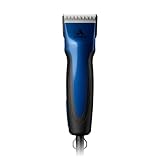
- Professional groomers find a way to add art to every detail. From ears to tails, muzzles to nails, make every dog a standout
- This high-performance clipper is perfect for all coats and keeps grooms precise, comfortable and safe
- A five-speed rotary motor and new blade drive technology allows your energy to stay high and creativity to continue flowing
- Lightweight design complemented by a soft-grip, anti-slip housing means you stay comfortable
- This clipper includes the world-class CeramicEdge blade renowned for staying cool and sharp. With an extra-long 14’ cord and detachable blade system, you have more freedom to create the perfect style
How do I groom my Poodle at home step by step?
- Choose the session. Work when the dog is rested, the room is quiet, and you have enough time to stop without rushing.
- Inspect before brushing. Check skin, ears, eyes, feet, nails, and the coat for mats, moisture, sores, or foreign material. Defer grooming and seek advice when a finding looks abnormal.
- Prepare equipment. Set out the brush, comb, dog shampoo, towels, dryer, nail tools, styptic powder, treats, and any clipper supplies before bringing in the dog.
- Brush in sections. Lift the hair, work gently to the skin, and use the comb to confirm that each section is free of tangles.
- Stop at a tight mat. Do not cut it with household scissors or force it apart. Arrange professional removal when the mat is close to the skin, widespread, painful, or hiding irritated skin.
- Bathe only when needed. Wet the coat thoroughly, apply dog-formulated shampoo, keep product out of the eyes and ear openings, and rinse completely.
- Dry under supervision. Introduce airflow at low intensity, keep checking comfort and temperature, and do not leave a dog unattended with a dryer.
- Trim nails conservatively. Take tiny amounts, especially on dark nails, and stop if the dog struggles or the quick cannot be judged confidently.
- Clip only the area you have learned. Keep the blade moving, check for heat often, avoid loose skin and openings, and take breaks before the dog becomes restless.
- Finish with a health check. Look again for redness, cuts, discharge, or pain, clean and store the tools, and record what the dog tolerated so the next session can be shorter and calmer.
Is it safe to shave a Poodle at home?
A very short clip can be safe when performed by a trained person on a cooperative, mat-free dog with properly maintained equipment. It is not safe to treat shaving as a shortcut around brushing, mats, or handling practice. The main hazards are cutting thin or folded skin, overheating a clipper blade, frightening the dog with noise or vibration, and creating sudden movement near the eyes, ears, feet, or sanitary openings.
Never shave over a severe mat without understanding how tightly it is attached to the skin; professional removal is often safer. Keep the blade cool, change or lubricate it according to the manufacturer’s directions, and check temperature against your hand frequently. AKC professional standards emphasize close monitoring during drying and caution around clipper sensitivity and burns. If the dog cannot remain still, stop and book a professional rather than adding restraint or rushing.
Independent reader supportYour contribution helps us test, update, and keep practical guides available for everyone.How can I choose a qualified professional groomer?
Ask how the groomer handles Poodles, mats, fearful behavior, drying, and blade heat before scheduling. Describe the dog’s coat length, brushing routine, medical conditions, and any bite or panic history. Request a written estimate that separates the regular service from possible matting, coat-impaction, or behavior-related charges.
Free tools Windows power users keep installed
One-click scans. No signup required.
The AKC professional credential pathway evaluates documented work, education, and practical competence. A credential is evidence of assessed training, not a state license, so also verify local requirements and the salon’s safety policies. Useful questions include:
- Who supervises the dog during bathing and drying, and can the dog take breaks?
- How are blades checked for heat and tools cleaned between dogs?
- What happens if the coat is too matted to brush out safely?
- How are nail bleeding, skin injuries, or a sudden health concern handled?
- Can the groomer show examples of the practical clip you want rather than promising a show finish on a badly overgrown coat?
What are the warning signs that home grooming should stop?
End the session immediately when the dog is panicking, repeatedly snapping, collapsing, or trying to escape. Put tools down if the blade becomes hot, the clipper catches, the dryer causes distress, or you lose a clear view of the skin. Seek veterinary advice for wounds, sores, unusual skin changes, severe ear redness, discharge, infection signs, or pain that persists after grooming.
Also popular on Amazon

- The Pulse ZR II Clipper in the limited-edition “Wild” colorway is inspired by celebrity pet stylist Gabriel Feitosa and his creative animal-themed grooms.
- Features five adjustable speeds up to 4,500 SPM, allowing groomers to adapt to different styling needs and work efficiently.
- Equipped with a replaceable lithium-ion battery for extended run time, ensuring longer grooming sessions without interruptions.
- The ceramicEDGE blade stays sharp and runs cool, helping to keep pets calm and comfortable during grooming.
- Detachable blade design makes the clipper compatible with virtually all Andis blades, offering versatile grooming options.
- Mat warning: The comb cannot reach the skin, the coat is felted, or the dog reacts painfully when you touch it.
- Nail warning: The quick cannot be seen, the dog jerks repeatedly, or bleeding does not stop after styptic powder and gentle pressure.
- Skin warning: You find moist, foul-smelling, swollen, bleeding, or ulcerated skin under the coat.
- Behavior warning: The dog’s fear escalates despite breaks and rewards, making restraint unsafe.
- Equipment warning: A blade is hot, damaged, tugging, or making unusual noise.
Which option fits my dog and household?
| Your situation | Most sensible plan | Reason |
|---|---|---|
| Cooperative dog, short practical clip, owner willing to learn | Home brushing and maintenance, with periodic professional clips | Routine care stays convenient while a professional supplies a consistent full haircut. |
| Full or dense coat maintained daily | Home brushing every day or every other day plus regular salon appointments | Frequent detangling prevents the painful mats that make later clipping risky. |
| Severe mats or coat impaction | Professional removal; veterinarian if skin is damaged | Scissors, force, and improvised shaving can cut skin or hide serious irritation. |
| Fearful, resistant, or bite-risk dog | Groomer experienced in behavior management, with veterinary input when needed | Owner and dog safety take priority over saving an appointment fee. |
| Show-style or highly sculpted trim | Professional grooming, with home brushing between visits | Symmetry and specialized shaping require more practice than basic maintenance. |
The practical rule is simple: use home care to keep the coat clean, combable, and familiar with handling; use professional care when the coat, haircut, tools, or behavior exceeds your training. That division reduces total stress and makes each appointment more predictable.
Frequently Asked Questions
Can a Poodle’s coat be left long between professional appointments?
Yes, but only if you can comb every section to the skin at the recommended frequency and keep the coat dry and free of debris. If the comb catches, shorten the coat or arrange a professional visit before small tangles become an impacted mat.
Quick wins for a faster PC:
Repair Windows errors before they cause bigger problemsFix Now →Scan for outdated or missing drivers - takes under a minuteDriver Scan →Are AKC grooming credentials the same as a government license?
No. The AKC credential assesses experience, education, and practical competence, while licensing requirements depend on local law. Ask the salon which credentials, insurance, and local registrations its groomers hold.
What should I tell a groomer before my Poodle’s first appointment?
Give the dog’s age, medical conditions, medications, bite or panic history, previous grooming reactions, desired length, and brushing routine. Also explain whether you would accept a short clip if the coat cannot be safely dematted.
Why does my Poodle still need brushing after a short haircut?
Short hair can still tangle around the ears, collar, legs, tail, and areas that get wet or rub against bedding. Brushing also keeps the dog accustomed to handling and helps you spot skin or ear changes early.





Leave a Reply