Do these 3 things before closing this tab:
1Clear out junk files and repair common Windows errors2Fix the driver behind crashes, sound loss and screen glitches3Repair Windows errors before they cause bigger problemsWhen do puppies lose their baby teeth? Puppies usually start losing baby teeth at about 3–4 months old, when permanent teeth begin erupting. Most puppies have replaced their baby teeth by about 6 months, although some finish closer to 7 months. Breed and individual development can shift the timing.
Teething is usually manageable at home with supervision and suitable chewing outlets, but a baby tooth that remains beside an adult tooth is different. That “double tooth” pattern can crowd the mouth and needs a veterinarian’s assessment.
As an Amazon Associate I earn from qualifying purchases.
Key takeaways
- Puppies usually begin losing their 28 baby teeth at 3–4 months old and normally have most or all of their 42 adult teeth by about 6–7 months.
- Mild drooling, increased chewing, tender gums, irritability, slightly reduced eating enthusiasm, and tiny spots of blood on a toy can be normal during teething.
- Swallowing a loose baby tooth is usually harmless, so many owners never find the teeth their puppies shed.
- Two teeth in one location—especially a baby canine beside an adult canine—may be a retained deciduous tooth and should be examined by a veterinarian.
- Soft, flexible, correctly sized chews are safer choices than bones, antlers, hard nylon, hooves, or ice, which can fracture teeth.
When do puppies lose their baby teeth?
When do puppies lose their baby teeth? Puppies usually start losing baby teeth at about 3–4 months old, when permanent teeth begin erupting. Most puppies have replaced their baby teeth by about 6 months, although some finish closer to 7 months. Breed and individual development can shift the timing.
According to the VCA puppy-teething guidance, tooth loss commonly starts around 12 weeks, while another VCA reference places the usual beginning at approximately 3.5–4 months. The American Kennel Club also gives approximately 3–4 months. The practical message is more important than a precise birthday: check your puppy’s mouth regularly from about 3 months onward, and ask your veterinarian about any tooth that remains when an adult tooth has appeared.
#1 Best Overall
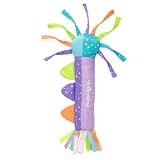
- Teething Stick for Puppies: Satisfies the need to chew during the teething phase
- Chew the Right Way: Helps redirect puppy energy away from furniture, shoes, and household treasures
- Icy Relief: Soak + freeze for a cool, soothing chew that helps comfort teething pups and refreshes them on hot days
- Colorful & Fun: Soft, stuffed polyester shell with playful fringe that entertains pups while they gnaw
- Play It Safe: No toy is indestructible. Do not leave toys with unsupervised pets. Discard and replace if damaged.
How many teeth do puppies have?
Puppies normally develop 28 deciduous teeth, commonly called baby teeth. Adult dogs normally have 42 permanent teeth. Dogs do not have baby molars; the puppy set consists of incisors, canine teeth, and premolars.
Baby teeth are smaller and sharper than adult teeth. The incisors and canine teeth generally appear before the premolars, and the permanent teeth gradually replace the baby teeth as the puppy grows.
| Developmental stage | What usually happens | What an owner may notice |
|---|---|---|
| Birth to approximately 3–5 weeks | Puppies are born without visible teeth; deciduous teeth begin erupting. | Little or no visible tooth development at birth. |
| Approximately 6 weeks | The normal set of 28 baby teeth is usually present. | Sharp puppy teeth used for nursing, exploring, and biting. |
| Approximately 3–4 months | Permanent teeth begin appearing and baby-tooth roots resorb. | More chewing, loose teeth, mild gum tenderness, or tiny blood spots. |
| Approximately 5–7 months | Adult teeth progressively replace the baby teeth. | Adult canines commonly follow the incisors; the mouth should be checked for retained teeth. |
The Merck Veterinary Manual, updated June 1, 2025, describes deciduous-tooth eruption as usually beginning at 3–5 weeks, permanent-tooth appearance as usually beginning at 4–5 months, and all permanent teeth as generally present by about 7 months. Owner-facing veterinary guidance often uses 6 months as the practical checkpoint for a complete adult set.
How does puppy teething work?
Permanent teeth grow beneath the baby teeth and push against their roots. The roots of the deciduous teeth gradually resorb, making the baby-tooth crowns loose enough to fall out. The permanent teeth then move into the spaces left behind.
Teething can make a puppy’s mouth tender, which is one reason puppies may chew with unusual intensity. Chewing can provide pressure that temporarily eases gum discomfort, but chewing does not mean every object is safe. A puppy can damage a tooth or swallow pieces of an unsuitable chew.
What does normal puppy teething look like?
Normal puppy teething can include increased chewing, mild drooling, irritability, a tender mouth, slightly less enthusiasm for food, and tiny spots of blood on a toy. A characteristic “puppy breath” odor can also occur during this period.
Rank #2

- Dog Dental Chew Toy With Massaging Textures - Ridges and nubs on this puppy teething toy soothe sore gums while helping clean teeth to support oral care and dental hygiene
- Teaches Healthy Chewing Habits- This Nylabone puppy chew is specially made in soft material for teething puppies with gentle chewing styles (not intended for powerful puppies or puppies with adult teeth)
- Freezer-Friendly Teething Chew - Chill this freezable teething puppy toy for extra-soothing teething relief
- Puppy Enrichment Toys Made in the USA - Our puppy chew toys for teething pain relief are proudly made in New Jersey
- Trusted Durable Chew Toys With Heart & Purpose - Our dog chew toys feature unique shapes, engaging textures, and gotta-have-it flavors. Created with purpose and love to give your dog what they need, when they need it!
A small amount of blood from a loosening tooth can be normal, but persistent, substantial, or unexplained bleeding is not something to dismiss as teething. Difficulty eating, severe pain, a visible mouth wound, or a broken adult tooth needs veterinary attention.
The Tool Desk
Outbyte PC Repair FREERepair Windows errors before they cause bigger problemsFix Now →Outbyte Driver Updater FREEScan for outdated or missing drivers - takes under a minuteDriver Scan →Is it normal for a puppy to swallow a baby tooth?
Yes. Swallowing a loose baby tooth is generally harmless, and puppies commonly swallow shed teeth while eating. The teeth are small, so owners often never see them. As the American Kennel Club’s puppy-teething guidance notes, “You may find puppy teeth on the floor, although the puppy is likely to swallow most of the teeth.”
Do not try to make a puppy spit out a tooth or search for every missing tooth. Instead, look for signs that a tooth has not fallen out properly, such as two teeth occupying one position or a tooth rubbing against another part of the mouth.
Why does my puppy have two teeth in one spot?
Two teeth in one spot usually means that a baby tooth has remained beside an erupting permanent tooth. The retained baby tooth is also called a persistent or retained deciduous tooth. The classic example is a baby canine sitting next to the adult canine.
A retained tooth can crowd the mouth and push the adult tooth into an abnormal position. The crowding may trap food and debris, increasing the risk of plaque, tartar, gingivitis, and periodontitis. A tooth in the wrong position may rub against the gums, tongue, roof of the mouth, or another tooth, causing pain, trauma, abnormal wear, or difficulty eating.
Recommended Free Tools
Retained deciduous teeth are seen more often in small and short-nosed breeds, including Chihuahuas, bulldogs, pugs, Boston terriers, and boxers, but any breed can develop one. The VCA guidance on persistent deciduous teeth recommends professional assessment rather than waiting indefinitely for a retained tooth to fall out.
Rank #3

- 6 Different Shapes of Dog Chew Toys: These puppy toys come in 6 different shapes to keep your furry friend happy and engaged. The unique designs feature molar bumps to clean various teeth, massage gums, and control tartar and plaque.
- Safe and Effective Puppy Teeth Cleaning: Made from 100% non-toxic natural rubber, these puppy chew toys are safe for your pet to chew on. Their uneven surface design thoroughly cleans your dog's teeth and massages gums for optimal dental care. Great for teething puppies!
- Interactive Toys for Small Breed Puppies: These fun toys are perfect for playing outside and make great dog training toys for small dogs. Playing together helps you bond with your furry friend and is beneficial for their physical and mental health.
- Ideal Gifts for Dogs: These puppy teething toys are perfect for puppies and small dogs. They can help reduce destructive chewing caused by boredom and anxiety while providing great entertainment. These toys make the perfect birthday or Christmas gifts for pet owners looking to give their furry friend something special.
- Satisfaction Choice & Kindly Reminder: Our dog chew toys will be great for your puppy. Meanwhile, we suggest only use under supervision if your dog is extremely aggressive chewer, and not for large breed
| What you see | What it may mean | What to do |
|---|---|---|
| A loose tooth disappears | Normal shedding; the puppy may have swallowed it. | Monitor the mouth and appetite. |
| Two teeth occupy one location | A retained baby tooth beside an adult tooth. | Arrange a veterinary examination. |
| Minor gum tenderness or a tiny blood spot | Possible normal teething irritation. | Offer safe supervised chewing and monitor. |
| Severe pain, foul breath, major bleeding, or difficulty eating | Possible dental disease, trauma, infection, or abnormal eruption. | Contact a veterinarian promptly. |
When should I call the veterinarian about puppy teeth?
Arrange a veterinary examination promptly if a baby tooth remains beside an erupting adult tooth, the puppy seems painful when eating or chewing, the bite looks abnormal, or a tooth contacts the palate, gums, tongue, or another tooth.
Contact a veterinarian for foul breath, significant bleeding, a visible wound, difficulty eating, a broken or damaged adult tooth, or uncertainty about whether a visible tooth is baby or permanent. A symptom that is substantially worse than mild gum tenderness should not automatically be blamed on teething.
Persistent deciduous teeth commonly require extraction under general anesthesia. The veterinarian must remove the tooth carefully to avoid injuring the developing permanent tooth. Early extraction may give the adult tooth a better chance of moving into an appropriate position. As VCA explains, “Early extraction in these cases will usually allow the adult teeth to move into their proper positions and prevent further malocclusion problems.” Delayed treatment can make an abnormal bite harder to correct and may lead to orthodontic treatment or referral to a veterinary dental specialist.
Quick wins for a faster PC:
Clear out junk files and repair common Windows errorsFree Scan →Fix the driver behind crashes, sound loss and screen glitchesFind Drivers →Never yank out a retained baby tooth at home. The baby tooth and developing adult tooth are connected to structures that can be injured, and home extraction can worsen the problem.
What should I give my teething puppy to chew?
Give a teething puppy a supervised, age- and size-appropriate object that is flexible rather than excessively hard. A puppy teething toy can redirect chewing away from hands, shoes, furniture, and clothing, but no toy can eliminate every choking, ingestion, or dental-injury risk.
When choosing a soft puppy teething toy, check that the toy is intended for the puppy’s size and age, cannot fit entirely into the mouth, and does not shed pieces when chewed. Inspect it during use and remove it when it becomes damaged. Supervise every chew session. VCA states, “It is important to supervise your puppy even when he is chewing recommended toys, as no toy is 100% safe.”
Rank #4

- Delicious Chicken Flavor - Teething puppy toys made with enticing flavor throughout
- Trusted Chew Toys with Heart & Purpose - Every one of these small dog chew toys features a unique shape, individual texture, and gotta-have-it flavor created with purpose and love to give your dog what they need, when they need it
- Designed in Materials for Every Stage - These puppy chew toys for teething start with the soft material for teething puppies, then graduate to the tougher material for puppies with adult teeth
- Teaches Healthy Chewing Habits - This puppy teething toy set includes two puppy chew toys and an edible chew treat perfect for every developmental phase
- Highly Digestible Chew Treat - Long-lasting bacon-flavored dog chew treat contains no artificial colors, flavors, or preservatives
| Option | Best use | Safety and limitation |
|---|---|---|
| Soft, flexible puppy teething toy | Redirecting chewing and providing an appropriate outlet. | Choose the correct size, inspect for damage, and supervise; it does not treat a retained tooth. |
| Puppy toothbrush or soft-bristle dog toothbrush | Introducing preventive tooth cleaning early. | Use gently; brushing cannot correct an abnormal bite or replace extraction. |
| VOHC-accepted puppy dental chew | Separate plaque or tartar-control support when the product suits the puppy. | Not a treatment for teething pain or retained teeth; verify the current product list and supervise. |
| Bones, antlers, hard nylon, hooves, or ice cubes | Not recommended as routine teething aids. | Hard objects can fracture baby or adult teeth; pieces may also create choking, obstruction, or perforation hazards. |
Do not use bones, antlers, hard nylon chews, cow hooves, ice cubes, or similarly hard objects to soothe teething. Veterinary guidance warns that hard items can fracture teeth, while broken pieces can create choking or intestinal hazards. A chew that seems durable is not automatically safe for a puppy’s developing teeth.
Should puppies have their teeth brushed during teething?
Yes, gentle tooth-cleaning practice can begin early, provided the puppy is comfortable and the process is gradual. Use a puppy toothbrush or soft-bristle dog toothbrush, allow the puppy to investigate it, and stop if the mouth is painful or the puppy becomes distressed.
VCA recommends beginning gentle cleaning early and checking the puppy’s mouth weekly until roughly 7–8 months. Brushing supports preventive oral care, but brushing cannot remove a retained baby tooth, reposition a maloccluded tooth, or treat a painful injury.
Are dental chews the same as teething toys?
No. A teething toy primarily provides a safer outlet for chewing, while a dental chew may be designed and evaluated for plaque or tartar control. The two purposes should not be confused.
The Veterinary Oral Health Council accepted-products database lists Canine Greenies Puppy Dental Chews with a tartar claim and a 2019 seal-award year. The VOHC seal reflects review of submitted data against standards for plaque or tartar control; it does not mean that every product suits every puppy, and a dental chew does not replace veterinary care. Check the current product list and follow the product’s age, size, and supervision instructions.
Free tools Windows power users keep installed
One-click scans. No signup required.
Neither a dental chew nor a toy should be used to delay an examination for a retained tooth, abnormal bite, oral trauma, significant bleeding, or difficulty eating.
Best Value

- Dog Chew Toy: Designed for teething pups and small adult dogs, this toy grows with your furry friend through every life stage
- Durable Design: Hedgehog-shaped chew buddy for endless chomping and fetching fun
- Gentle Dental Care: Spiky nubs massage gums and help clean teeth while chewing; can help soothe achy gums when teething
- Splashy Fun: Floats and bounces for paw-some adventures at home, in the pool, or at the beach
- Perfect Fit: 5" x 3.5" x 1" — just right for solo play, tugging, or interactive bonding with your pint-sized pal
How long does puppy teething last?
Puppy teething commonly lasts from about 3–4 months until roughly 6 months, with some puppies still completing permanent-tooth eruption closer to 7 months. The period begins when permanent teeth start replacing the baby set and ends when the adult teeth are present and the baby teeth have been shed.
By around 6 months, inspect the mouth for a complete adult set and for any double teeth. Because the Merck Veterinary Manual places the general endpoint at about 7 months, a puppy that is still losing teeth before then may simply be developing on the later side. A retained baby tooth, painful bite, or other abnormality should be assessed rather than judged by age alone.
Frequently Asked Questions
What age do puppies lose their teeth?
Puppies usually begin losing baby teeth at about 3–4 months old and have most or all of their adult teeth by approximately 6–7 months. Breed and individual development can affect the timing.
Is it normal for my puppy to swallow a tooth?
Yes. Puppies commonly swallow loose baby teeth while eating, and swallowing a small shed tooth is generally harmless. Owners often never find the teeth their puppies lose.
Why does my puppy have two teeth in one spot?
Two teeth in one spot can mean that a baby tooth has remained beside an erupting adult tooth. Arrange a veterinary examination because a retained tooth can crowd the mouth and cause an abnormal, painful bite.
What should I give my teething puppy to chew?
Choose a soft, flexible, age- and size-appropriate puppy teething toy, inspect it for damage, and supervise chewing. Avoid bones, antlers, hard nylon, hooves, and ice because hard objects can fracture teeth.
The Bottom Line
Most puppies lose their baby teeth between 3 and 6 months and have their full adult set by about 6–7 months. Mild chewing and gum irritation can be normal, but two teeth in one place, significant pain or bleeding, difficulty eating, a bad bite, or a damaged tooth warrants veterinary care. Use supervised, flexible, correctly sized chews and never pull a retained tooth at home.
Crashes, No Sound, or Screen Glitches?
Random freezes, missing sound and display glitches usually trace back to one bad driver. Find and replace yours safely.Free scan · under a minutePC Slower Than It Used to Be?
A free scan shows the junk files, broken settings and background clutter dragging Windows down - then fixes them in one click.Free scan · Windows 10 & 11Quick Recap
Product prices and availability are accurate as of the date/time indicated and are subject to change. Any price and availability information displayed on Amazon at the time of purchase will apply.




