
Do these 3 things before closing this tab:
1Clear out junk files and repair common Windows errors2Scan for outdated or missing drivers - takes under a minute3Repair Windows errors before they cause bigger problemsSome links on this page are affiliate links: if you buy through them we may earn a commission, at no extra cost to you.
There is no universally most affectionate breed among Ragdolls, Burmese and Siamese. The right choice depends on the kind of affection you want. Ragdolls typically offer quiet cuddling and calm company; Burmese are unusually physical, lap-seeking and people-focused; Siamese show affection through conversation, play and constant participation in household life. Official breed profiles from The International Cat Association (TICA), the Cat Fanciers’ Association (CFA) and the Governing Council of the Cat Fancy (GCCF) support those different patterns, not a controlled head-to-head ranking.
If you want a gentle cat that stays close without demanding constant interaction, start with the Ragdoll. If your ideal companion climbs onto your lap whenever possible, consider a Burmese. If you want a vocal, clever partner for games and daily conversation, the Siamese is the strongest match. In every case, treat the breed as a starting tendency rather than a guarantee: individual temperament, early socialization and living conditions matter.
As an Amazon Associate I earn from qualifying purchases.
Free tools Windows power users keep installed
One-click scans. No signup required.
Which cat breed is most affectionate: Ragdoll, Burmese or Siamese?
Each breed leads on a different definition of affection. A Ragdoll is usually the best fit for calm physical closeness, a Burmese for intense lap contact, and a Siamese for interactive, vocal attention. Calling one the overall winner would overstate what the available evidence shows.
| Breed | Typical affection style | Energy and interaction | Best match |
|---|---|---|---|
| Ragdoll | Quiet cuddling, tolerance of handling and steady presence | Moderate; adults are generally laid-back | A household wanting a gentle, close companion |
| Burmese | Lap seeking, following people and frequent physical contact | Playful, social and involved in family routines | People who want a highly attached “Velcro” cat |
| Siamese | Vocal greetings, following family members, lap time and shared activities | High; athletic, clever and stimulation-seeking | An interactive home that enjoys a talkative cat |
The table summarizes official breed descriptions from TICA, CFA and GCCF. It is a fit guide, not a measured ranking.
Popular on Amazon
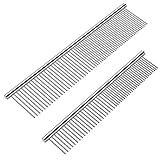
- ✅ FUNCTION -This dematting tool for dogs can removes tangles, mats, loose hair, besides, it’s perfect to promote blood circulation and massage skin.
- ✅ PREMIUM MATERIAL - Made of high quality stainless steel, this comb is durable, corrosion resistant and will not fade, good for avoiding static electricity.
- ✅ COMFORTABLE & SAFE - Rounded pin ends are gentle to the skin. This comb grooms and massages for a healthy coat, prevent snagging and pet injury.
- ✅ WHAT YOU GET- 2 Pack combs for removes both small & large areas tangles, knots. Large comb size: 7.4 x 1.65 IN, small comb size: 6.3 x 1.2 IN.
- ✅ RISK-FREE LIFETIME GUARANTEE - We firmly stand by the lasting quality of our pet grooming tool. If for any reason you're not 100% happy with it, reach out to us to receive a refund or replacement.
What does “affectionate” mean in a cat?
People use the word affection for several behaviors that do not always occur together. Before choosing a breed, decide which of these you actually want:
- Physical contact: climbing onto a lap, sleeping beside you or accepting extended handling.
- Proximity: choosing to remain in the same room or follow you through the home without constantly demanding touch.
- Interaction: initiating play, learning tricks, responding to speech and joining household routines.
- Communication: vocal greetings, frequent meows or other signals that invite a response.
- Tolerance: staying relaxed around children, visitors, grooming and normal household activity.
A cat can be deeply attached yet quiet, or highly social yet demanding. Matching your preferred form of affection to the breed’s usual style prevents disappointment.
Are Ragdolls affectionate but quiet?
Yes. Ragdolls are generally described as affectionate, relaxed and quiet, with a preference for moderate activity once they reach adulthood. TICA characterizes them as large, loving cats that usually get along with children and other pets. CFA’s summary is “docile, placid and affectionate,” and it specifically describes Ragdolls as loving without being demanding.
How a Ragdoll usually shows attachment
- Settling beside a person for cuddles rather than insisting on constant play.
- Remaining close while the household reads, works or watches television.
- Accepting routine handling more readily than a highly independent cat may.
- Using a comparatively quiet communication style.
Kittens and young adults can still be rambunctious, so a calm adult profile should not be mistaken for a promise that every young Ragdoll is placid. Activity levels also vary between individuals.
Who is a Ragdoll a good choice for?
Choose this profile if your ideal cat is a gentle companion that offers closeness without requiring a conversation or a game every few minutes. Ragdolls can suit families seeking a tolerant cat and people who value a steady presence more than dramatic displays of attention.
What are the Ragdoll trade-offs?
The breed’s size and semi-long, silky coat mean more household grooming and space planning than a shorthaired breed. GCCF lists a typical lifespan of 12–17 years and weekly grooming; TICA recommends brushing or combing at least weekly with a stainless-steel or Greyhound-style comb that reaches through the coat to the skin. A quiet temperament can also feel underwhelming if you specifically want a talkative or constantly active companion.
Recommended Free Tools
Are Burmese cats lap cats?
Often, yes. TICA describes Burmese cats as extremely sweet-natured and people-oriented, saying they love to curl up on any available lap. CFA says they follow people from room to room, seek laps and gentle strokes, and may sleep on or in their owner’s bed. GCCF calls them cuddly, confident and sociable, with a soft voice and a strong wish to be part of family life.
How Burmese cats express affection
- Seeking a lap or physical contact rather than waiting for an invitation.
- Following a preferred person between rooms.
- Sleeping on the bed or close to household members.
- Combining cuddling with play and curiosity.
This is the clearest match for someone who means “affectionate” as frequent, unmistakable body contact. A Burmese is less likely to be satisfied with simply sharing a room while everyone remains busy.
What does a Burmese need from its household?
TICA warns that Burmese cats can become lonely when left alone for long periods. Their playful, social nature calls for daily attention, companionship and enrichment. Interactive play, climbing opportunities and puzzle or treat-dispensing toys help give an active Burmese an appropriate outlet, especially when people are occupied.
Also popular on Amazon

- ROUND & GENTLE COMB TEETH: Unlike dematting combs with sharp teeth, this dog grooming comb features round teeth that break up tangles +effectively remove loose hair, dander & dirt trapped beneath fur.
- ERGONOMIC NO-SLIP HANDLE: Finished with a rubbery grip, our grooming comb is safer & easier to use than most groom tools. The non-slip coating prevents slippery accidents to keep you & your pet safe.
- IMPROVES OVERALL PET HEALTH: Designed to gently massage your pet's coat, the anti-scratch teeth on our dog & cat comb naturally support the health of your furry best friend by boosting circulation.
- COMB COMES WITH FREE EBOOK: DIY pet grooming can be a bit tricky if tools are not used correctly, which is why every SP pet hair comb includes a download of our helpful instructional guide.
- RISK-FREE LIFETIME GUARANTEE: We firmly stand by the lasting quality of our pet grooming tool. If for any reason you're not 100% happy with it, reach out to us to receive a refund or replacement.
When might a Burmese be the wrong fit?
A Burmese may be frustrating for a household that wants a low-contact cat or is empty most of the day. The same confidence and attachment that make the breed cuddly can become persistent attention-seeking when social needs are not met.
Are Siamese cats cuddly or too demanding?
Siamese cats can be very cuddly, but their affection is usually interactive and vocal rather than quiet. TICA says Siamese thrive on people’s company, follow family members, demand attention and often sit on laps or sleep under the covers. It also describes them as talkative throughout the day, intelligent, agile and athletic.
How Siamese cats show affection
- Following people from room to room and inserting themselves into activities.
- Vocalizing to solicit attention or respond to conversation.
- Combining lap time with games, fetching or trick training.
- Choosing high perches and observing the household before rejoining it.
For an owner who enjoys a two-way relationship, this can be exceptionally rewarding. For someone who wants a quiet lap cat that rarely interrupts, the same traits can feel demanding.
What keeps a Siamese content?
Provide daily mental and physical stimulation. TICA recommends toys, elevated spaces and opportunities to learn activities such as leash walking, fetch or tricks. A Siamese that lacks play, climbing and social contact may direct its energy into unwanted attention-seeking.
Can a Siamese be left alone?
TICA says Siamese do not like being left alone for long periods and thrive on company. If work or travel routinely keeps the home empty, plan for substantial enrichment and consider whether another compatible companion or a different temperament profile would better fit your schedule.
The Tool Desk
Outbyte PC Repair FREERepair Windows errors before they cause bigger problemsFix Now →Outbyte Driver Updater FREEFix the driver behind crashes, sound loss and screen glitchesFind Drivers →What is the difference between Ragdoll, Burmese and Siamese affection?
The practical distinction is the amount of contact and stimulation each cat generally expects. Use this comparison when your household needs a specific daily rhythm.
| Consideration | Ragdoll | Burmese | Siamese |
|---|---|---|---|
| Closeness | Steady, low-pressure presence and cuddling | Frequent physical attachment and lap seeking | Close involvement, often paired with play or conversation |
| Activity | Moderate; adults usually prefer a calmer pace | Playful and active into adulthood | High, athletic and stimulation-seeking |
| Voice | Usually quiet | Soft voice | Prominently vocal |
| Alone-time tolerance | Individual needs vary; often a more adaptable profile | Low; may become lonely | Low; thrives on company |
| Coat care | Weekly combing for a semi-long coat | Short, close coat with a lower routine grooming burden | Short coat with a lower routine grooming burden |
| Household fit | Calm family or companion-seeking home | Social home with frequent human contact | Interactive home that welcomes conversation and play |
Which breed is best for a family with children?
All three can work in a family, but the best choice depends on how children interact with animals and how much adult supervision is available. TICA describes Ragdolls as generally good with children and other pets, which can suit a household seeking a tolerant, moderate-energy companion.
Ragdoll and children
A Ragdoll’s quieter, less demanding style may be comfortable in a busy family room. Children still need to learn to support the cat’s body, avoid chasing and stop handling when the cat shows stress. Tolerance is a tendency, not permission for rough treatment.
Burmese and children
Burmese cats often enjoy being involved in family activity and may actively seek children’s laps or play sessions. Their social appetite means an adult should make sure interaction is gentle and that the cat has a retreat when the house becomes noisy.
Outdated Drivers Are Slowing You Down
One free scan finds every outdated or missing driver and matches the right update for your exact hardware.Free scan · exact hardware matchWindows Errors? Fix Them Before They Spread
Repair common Windows errors and clear accumulated junk for a smoother, more stable PC - no reinstall needed.Free scan · no reinstallAlso popular on Amazon

- PREMIUM MATERIAL: This metal comb is made of high-quality stainless steel coated with zinc carefully, durable and corrosion-resistant, won’t rust after washing, withstands wear and tear in long term use. Perfect for straightening out the knotted tangles hair, as well as finishing and fluffing without causing any harm.
- COMFORTABLE & SAFE: Each comb tooth is finely polished, can be used to retouch and massage by penetrating DEEP into the coat without scratching your pets’ skin. It is seamless & smooth so that it won't snag hair, glide through the coat like butter, could effectively remove loose hair, dander & dirt trapped beneath fur and curly hair.
- UNIQUE 2-IN-1 DESIGN: Every dog comb has 2 different teeth densities, the wide teeth can be used to comb knotted fur or open the tangled hair, the dense teeth is suitable for comb the soft fur nearby eyes, ears and fine hair of the legs. Also good for avoiding static electricity when being used.
- MULTIFUNCTIONAL & SAFE: Our anti-scratch round teeth would also support the pet health by boosting blood circulation and massaging skins. The comb's coarse and fine teeth work together to remove thick or dead fur and leave your pet's coat soft, sleek, and shining no matter long haired or short haired dogs or cats with thin and thick coats or sensitive skin.
- BUY with CONFIDENCE: The cat comb is compact and portable, fitting conveniently in a handbag, preventing snagging and pet injury. We offer you No questions asked 90-DAY REFUND and 24*7 hours 100% SATISFACTION GUARANTEE. We take care of all quality-related issues with a replacement or refund. If you have any problems with the product, please contact us.
Siamese and children
A Siamese can be an excellent play and training partner for respectful older children who enjoy a responsive, vocal cat. Younger children may find the breed’s energy and insistence on attention harder to manage unless adults provide structured play and quiet breaks.
Which affectionate cat can be left alone during the workday?
No breed should be selected solely on the assumption that it will cope happily with long isolation. Among these three profiles, Ragdolls are the most likely to fit a lower-interaction routine, while TICA specifically cautions that Burmese and Siamese can become lonely or unhappy when left alone for long periods.
Look at the whole schedule: departure and return times, evening play, access to safe resting areas, and whether another compatible pet is present. An individual cat’s history matters more than a breed label, so ask a shelter, rescue or breeder how that specific cat behaves when people are absent.
How reliable are breed descriptions of affectionate behavior?
Breed profiles describe tendencies, not guarantees. Merck Veterinary Manual notes that cats are sociable in the right circumstances and that breeds were historically created mainly around physical traits such as hair color or length rather than selected jobs. That history limits how confidently a breed name can predict a particular social behavior.
A 2019 study in Scientific Reports examined 5,726 cats and found measurable breed differences across ten behavior traits, but also substantial genetic variation within breeds. Reported heritability estimates for seven traits ranged from 0.40 to 0.53. In practical terms, breed can help you form a shortlist, but it cannot identify the most affectionate individual in advance.
Early socialization, handling experiences, housing, stress, health and the match between the cat and the household all influence how affection appears. A fearful cat may need time before showing its normal personality, while a confident cat may display sociability immediately.
How should you choose an individual cat?
After deciding which affection style suits you, evaluate the actual cat rather than stopping at the pedigree or color.
- Describe your preferred relationship. Decide whether you want quiet cuddling, a lap-focused companion, or a vocal playmate.
- Audit your schedule. Record how many hours the home is empty and how much time is available for play, grooming and companionship.
- Observe without forcing contact. Watch whether the cat approaches, settles nearby, responds to a gentle invitation and recovers after a surprising sound.
- Ask for specific history. Find out how the cat has behaved with children, other animals, visitors, grooming and periods alone.
- Test handling respectfully. With permission, briefly touch paws, ears and coat, then stop if the cat stiffens, hides or signals distress.
- Allow for adjustment. A newly moved cat may be reserved for days or weeks. Plan a quiet room, predictable meals and gradual introductions.
- Choose a responsible source. Ask breeders or adoption organizations about health records, socialization and return policies rather than accepting temperament promises without evidence.
What home setup supports an affectionate relationship?
Affection grows when a cat can approach people voluntarily and retreat safely. Set up several resting locations, a quiet hiding place, scratching surfaces and vertical space. TICA recommends cat trees and scratching or resting areas for Ragdolls, perches or cat trees for Siamese cats, and puzzle or interactive toys for Burmese and Siamese enrichment.
What’s actually slowing this PC down?
Pick the symptom - the matching free tool is one click away.
For a Ragdoll
Use a sturdy cat tree or resting platform that can support a large adult, and keep a stainless-steel comb available for the recommended weekly grooming routine. Regular, gentle sessions help prevent coat tangles while making handling predictable.
Also popular on Amazon

- PREMIUM MATERIAL: The dog comb is made of premium stainless steel, this curry comb teeth is smooth and durable, corrosion resistant and will not fade, also benefit for avoiding static electricity when used.
- DETAILED DESIGN: These metal comb have two different densities of wire teeth. Wide teeth can be used for combing knotted fur, while close teeth are ideal for brushing soft hair around the eyes, ears and fine hair on the legs. Please comb the fur lightly.
- Lightweight strap: metal comb for dogs easy to carry and practical. It easily slips into a handbag and comes in handy when you need it, keeping your dog hair smooth and smooth on the go. Suitable for all short- and long-haired dogs, cats, rabbits, etc.
- Note: Please do not use this dog combs for grooming matting on wet animals as it may damage the skin if there is no hair pad. Dog combs are very effective on dry fur.
- Purchase Guarantee: If you have any questions, please contact us and we will handle it properly. Order now and rest assured that the product will meet your expectations and are guaranteed. If not, we can help you. Most likely, you will never need to lend a helping hand.
For a Burmese
Plan daily human interaction, chase games and rotating enrichment. Puzzle toys or treat dispensers can provide activity, but they do not replace companionship for a cat that wants a lap.
For a Siamese
Combine interactive play with climbing and problem-solving. Rotate toys, offer elevated observation points and include short training sessions so intelligence and athleticism have constructive outlets.
What are the main trade-offs before you decide?
| If you prioritize… | Start with… | Accept that you may also get… |
|---|---|---|
| Quiet cuddling | Ragdoll | A larger cat, weekly combing and less vocal interaction |
| Lap time and constant physical contact | Burmese | Strong social needs, playfulness and difficulty with long absences |
| Conversation, games and a cat that follows you | Siamese | High activity, frequent vocalizing and substantial attention demands |
| A predictable personality | An adult individual whose behavior is already known | Less control over pedigree, appearance or early history |
How can you source a Ragdoll, Burmese or Siamese responsibly?
Once you know the temperament profile you want, use established breed organizations or reputable adoption groups to locate cats. TICA and CFA maintain breed-specific breeder-finding pathways. Ask for health documentation, vaccination and identification records, details of socialization, and a written policy explaining what happens if the placement fails.
Do not treat a registry listing as a guarantee of temperament. Visit when possible, observe the adult cats’ behavior and ask how kittens are exposed to people, handling, household sounds and other animals. Adoption organizations can often describe an adult cat’s behavior in a home or foster setting, which may be more informative than a breed label alone.
So which breed should you choose?
Choose a Ragdoll if affection means calm, gentle closeness and you prefer a quieter home. Choose a Burmese if you want a cat that seeks your lap, follows your routine and expects frequent contact. Choose a Siamese if you want an energetic, talkative relationship built around play and shared activity.
Those are conditional recommendations, not a scientific podium. The most affectionate cat for your household is the individual whose social needs, energy and communication style fit the people, schedule and other animals already at home.
Frequently Asked Questions
Do male or female cats tend to be more affectionate in these breeds?
The breed profiles summarized here do not establish a dependable sex-based affection ranking. Individual temperament, early experiences, health and whether the cat is comfortable in your home are more useful selection criteria than assuming one sex will be cuddlier.
Is an adult cat easier to evaluate for affection than a kitten?
Usually, an adult’s established behavior gives you more observable information about lap seeking, vocalizing and tolerance of handling. Kittens are still developing, so their future activity and social style can change as they mature.
Can two affectionate cats from the same breed have very different personalities?
Yes. The 2019 study of 5,726 cats found substantial variation within breeds as well as breed-level differences. Two littermates can therefore differ in sociability, activity and response to handling.
How do I introduce one of these social breeds to another pet?
Start with separate rooms, exchange bedding scents, and move to brief supervised visual and physical contact only when both animals remain relaxed. Provide separate food, water, litter and resting resources so affection toward people does not become competition between pets.
Will a quiet Ragdoll always enjoy being carried?
No. A calm or tolerant breed profile does not mean every individual wants prolonged lifting. Read the cat’s body language, support the body securely, and let the cat choose whether contact continues.
Quick wins for a faster PC:
Fix the driver behind crashes, sound loss and screen glitchesFind Drivers →Repair Windows errors before they cause bigger problemsFix Now →




Leave a Reply