Ringworm in cats is a contagious fungal infection of the skin, hair, and sometimes claws—not a worm. Hair loss, broken hairs, scaling, or crusts can be clues, but they do not confirm ringworm: other skin problems can look similar, and some infected cats show few visible signs. A veterinarian can combine examination and tests to diagnose it and guide treatment, which commonly takes weeks rather than days.
What ringworm is and how cats catch it
Ringworm, or dermatophytosis, is caused by fungi that grow in keratinized tissues such as skin, hair, and claws. Merck Veterinary Manual says Microsporum canis causes about 98% of feline cases. Merck Veterinary Manual
As an Amazon Associate I earn from qualifying purchases.
Cats can become infected through direct contact with an infected animal or by contact with contaminated hair, bedding, grooming tools, and other objects or surfaces. Infected hairs can carry fungal spores into the environment. Exposure does not always lead to infection, but ringworm can also spread to people and other animals, so suspected cases deserve veterinary advice and sensible household hygiene. Cornell Feline Health Center
Quick wins for a faster PC:
Fix the driver behind crashes, sound loss and screen glitchesFind Drivers →Repair Windows errors before they cause bigger problemsFix Now →Scan for outdated or missing drivers - takes under a minuteDriver Scan →What ringworm can look like on a cat
Possible signs include patches of hair loss, broken or stubbly hairs, scaling, crusts, changes in skin color or texture, inflammation, dandruff, itching, or excessive grooming. Claws or the surrounding nail beds can sometimes be affected. Lesions are often noticed around the face, ears, feet, or tail, but appearance and location vary. Kittens and longhaired cats may develop persistent or more widespread disease; some longhaired cats can carry infection with few obvious signs.
#1 Best Overall

- HELPS SUPPORT HEALTHY SKIN - With a wash and soaking of the coat for 5-10 minutes, our powerful ingredients work to help soothe red, scaly, greasy, or smelly skin that may cause your pet discomfort
- FAST ACTING – Works fast to soothe your pet's sensitive skin that may be affected by environmental stressors
- VET-RECOMMENDED – This pet shampoo is pH balanced for your pet's skin and is paraben and soap-free to promote overall skin and coat health without damaging detergents
- FOR DOGS AND CATS – Our cat and dog shampoo is intended for pets over 12 weeks of age. Use twice weekly until skin clears up, then once a week to help maintain skin health
- APPLICATION: This product is intended for topical use only. Read directions carefully before applying to your pet's coat. Test on a small area to avoid further sensitivity before using
A round bald patch is not enough to diagnose ringworm. Many skin conditions can look alike, and some cats have subtle signs. Arrange veterinary advice for suspicious skin or coat changes, especially if they are spreading, if your cat is a kitten, or if people or other animals in the home develop skin lesions.
How a veterinarian tests for ringworm
There is no single test that answers every case. Merck Veterinary Manual notes that veterinarians typically use multiple methods to confirm dermatophytosis. Merck Veterinary Manual The veterinarian may examine the coat and skin, select suspect hairs or scales, and interpret test results alongside the clinical signs.
Rank #2

- SUPPORTS RED, SCALY OR GREASY SKIN - Formulated to help maintain skin comfort for dogs prone to seasonal sensitivities or surface buildup
- FRESHENS ODOR CAUSING BUILDUP - Helps support skin prone to lingering odors while promoting a clean, refreshed coat
- COMPLETE SKIN CARE ROUTINE - Includes Antiseptic & Antifungal Shampoo and Spray designed to work together to support healthy skin and coat between baths
- GENTLE, SOAP FREE FORMULA -Paraben free, dye free, and soap free to cleanse without stripping natural oils. Suitable for routine use
- TRUSTED SKIN AND COAT SUPPORT - From Veterinary Formula Clinical Care, developed to provide straightforward skin and coat care solutions for dogs
| Test | What it can show | Important limitation |
|---|---|---|
| Wood’s lamp examination | Can reveal hairs with fluorescence that are suspicious for infection. | Not all infected hairs fluoresce, and fluorescence alone is suggestive, not confirmation. |
| Microscopy | Allows direct examination of hairs and scales for fungal structures. | Findings must be interpreted by a veterinarian and may be combined with other tests. |
| Fungal culture | Can establish fungal growth from sampled hairs or skin material. | Results can take up to three weeks. |
| PCR | Detects fungal DNA in a sample. | DNA detection does not by itself establish viable fungus; false positives can occur, and the test may not identify the species. |
A Wood’s lamp is not a home diagnostic shortcut: not every case fluoresces, and a veterinarian needs to interpret what is seen. Culture and PCR also answer different questions, so the best testing combination depends on the cat and the clinical situation.
How ringworm is treated
Treatment is selected and monitored by a veterinarian. It may combine topical treatment of the coat with systemic antifungal medication. Topical shampoos or rinses help disinfect infected material on the hair and reduce contamination; oral medication can address infection within hair follicles. Localized and widespread cases may need different approaches, and some cats require both forms of treatment.
Rank #3
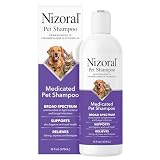
- Powerful Chlorhexidine Formula: Advanced ketoconazole shampoo with 1% ketoconazole and 2% chlorhexidine gluconate supports pets with stubborn skin concerns, offering effective antifungal dog shampoo and antimicrobial benefits.
- Antimicrobial Support: Nizoral's antimicrobial medicated dog shampoo for smelly dogs helps reduce irritation, itch, and odor while supporting healthier skin and coat comfort. Use 2-3 times per week as needed or as directed by your veterinarian.
- Medicated Relief for Irritated Skin: Nizoral s dog and cat shampoo with its soothing medicated formula helps calm itchy, irritated skin and ease discomfort without harsh additives. Gentle enough for regular use, it provides comforting relief.
- Ideal for Hot Spots, Odor, and Persistent Irritation: Targets problem areas as a hot spot shampoo for dogs, reducing odor and buildup while promoting cleaner, healthier skin perfect for pets needing a stronger medicated shampoo for dogs
- Gentle Care for Dogs and Cats: This gentle Nizoral chlorhexidine shampoo for dogs and cats is safe for multi-pet homes and works well as a cat wash or shampoo for dogs with itchy skin, providing a versatile option for overall coat maintenance.
Although some infections in otherwise healthy animals can resolve without treatment, veterinary treatment may shorten the course and help reduce spread. Merck reports that resolution commonly takes 6–12 weeks; repeated treatment can take longer for an individual cat. Merck Veterinary Manual The medication, dose, and duration depend on the case. Do not give human antifungal medication or stop a prescribed course early unless your veterinarian directs you to do so; stopping too soon can allow recurrence.
Independent reader supportYour contribution helps us test, update, and keep practical guides available for everyone.How to clean your home and limit spread
Cleaning is about removing contaminated hair and debris as well as disinfecting suitable surfaces. Merck’s veterinary guidance recommends mechanical removal first, followed by washing with detergent until surfaces are visibly clean, then applying an appropriate disinfectant labeled as effective against Trichophyton. Disinfectant alone does not remove hair or organic material. Merck Veterinary Manual
Quick Recap
Best Value

- Supports healthy skin for animals with conditions
- Helps prevent and treat fungal skin
- Can be used on cats, dogs and horses
Rank #4

- Supports healthy skin for animals
- Formulated for dogs, cats and horses
- Supports restoring dry, damaged skin
- Made in the USA.
- Remove shed hair and debris from suitable surfaces; a vacuum can help with this step, but it does not treat the cat or disinfect the surface.
- Wash surfaces with detergent until visibly clear, then use a suitable labeled disinfectant according to its directions.
- Machine-wash soft items such as bedding and towels. Merck says bleach is not needed for this laundry step.
- Thorough cleaning once or twice weekly is described as adequate in Merck’s guidance, with additional debris removal between cleanings.
- Follow disinfectant label directions and your veterinarian’s advice, particularly about products and areas accessible to pets or household members.
Product prices and availability are accurate as of the date/time indicated and are subject to change. Any price and availability information displayed on Amazon at the time of purchase will apply.
Do these 3 things before closing this tab:
1Fix the driver behind crashes, sound loss and screen glitches2Repair Windows errors before they cause bigger problems3Scan for outdated or missing drivers - takes under a minute



