Saddle thrombus is the common term for feline aortic thromboembolism, or FATE. A clot can obstruct blood flow where the aorta divides toward the hind limbs, but the emergency may also reveal serious heart disease or another systemic condition. Rapid veterinary assessment is essential because the same sudden signs can also result from spinal, orthopedic, traumatic, or other life-threatening problems.
As an Amazon Associate I earn from qualifying purchases.
What a saddle thrombus is
A saddle thrombus is the owner-facing term for feline aortic thromboembolism, often abbreviated FATE. It happens when a blood clot forms in the heart or circulation, breaks loose, and travels through an artery. In the classic form, the clot lodges in the distal aorta, close to the point where the vessel divides toward the hind legs. It can block blood flow to one or both hind limbs.
Free tools Windows power users keep installed
One-click scans. No signup required.
The word saddle describes the clot’s position over this arterial split. The problem is not limited to the legs: the clot may be a sign of serious heart disease or another disorder throughout the body, and the loss of circulation can rapidly damage muscle and nerves.
#1 Best Overall

- Key Safety & Usage Guide: 1. Critical: Always ensure your pet lies over the center thermostat to activate auto-shutoff. 2. Never fold, bend, or cover the pad to prevent overheating. 3. For small pets/kittens, center them carefully and monitor during initial use.
- Warmth with Peace of Mind: Our heating pad features a waterproof and flame-retardant PVC core, a soft, removable cover, and chew-resistant power cords, providing double protection for your pet. The set temperature (e.g., 130°F) refers to the internal thermostat target. The actual surface temperature your pet feels will be lower and safer, typically around 100–115°F in normal room conditions.
- Timed Temperature Control: Our heating pad features a timer and temperature control function, allowing you to adjust the settings according to your pet’s needs. The timer has 24 settings plus 1 continuous mode, and there are 11 temperature levels (80°F to 130°F) to choose from.
- Soothing Warmth for Well-Being: Our pet heating pad provides even warmth, helping your pet stay comfortable in cold weather. This is especially important for older pets, those with arthritis, or young pets. It is an effective aid for pregnant pets or those recovering from surgery.
- Easy to Clean: The heating pad is easy to clean with its removable fleece cover, which can be hand-washed or machine-washed. Do not wash the core, instead, wipe it with a damp cloth or wipe. Please read the instruction manual provided with the product before use to ensure proper and safe operation.
Signs of saddle thrombus in cats
FATE usually begins abruptly. A cat that was walking normally may suddenly cry out, become intensely distressed, or stop using one or both hind legs. The signs can be dramatic, but not every cat has the classic picture of complete paralysis.
- Sudden severe pain, crying, agitation, or distress
- Sudden weakness, inability to stand, or paralysis of one or both hind limbs
- Dragging a hind leg or walking with an abnormal, uncoordinated gait
- One leg being affected more severely than the other
- Hind paws that feel cooler than usual
- Weak or absent femoral pulses, which are findings the veterinarian may detect during examination
- Rapid or labored breathing
- Collapse, profound lethargy, or signs of poor circulation
A partial, asymmetric, or temporary loss of blood flow can be less obvious than bilateral paralysis. A cat that can still move one leg may still have a serious arterial obstruction. Similarly, a cat does not need to have a known history of heart disease for FATE to occur.
What to do if you suspect it
- Call the nearest emergency veterinary hospital now. Explain that the cat has sudden hind-limb weakness or paralysis, severe pain, cold limbs, collapse, or breathing changes. The hospital can prepare for arrival and advise whether it has the equipment needed for emergency stabilization.
- Handle the cat as little as possible. Pain and fear can worsen distress. Place the cat gently in a secure carrier, keeping the body supported and avoiding pressure or tight wrapping around the legs.
- Keep the cat comfortably warm. A blanket can help during transport, but do not apply intense heat or a heating pad directly to a numb or poorly perfused limb. A cat may not be able to move away from a heat source or feel a burn.
- Do not massage, stretch, or vigorously manipulate the legs. These actions cannot restore arterial flow and may increase pain or tissue injury.
- Do not give medication unless the veterinarian specifically instructs you to do so. This includes human pain relievers, aspirin, leftover prescriptions, and supplements. Do not attempt to dissolve a clot at home.
- Bring the medication list and relevant records if they are immediately available. Do not delay transport to search for paperwork.
A secure soft-sided cat carrier can be useful for transporting a painful, weak, or immobile cat, but it is transport equipment—not a treatment for a thrombus.
Why it happens: heart disease is common, but not the only cause
Feline cardiomyopathy is the most important underlying association. In particular, disease that enlarges the left atrium or reduces effective heart function can allow blood to stagnate and form a clot. Hypertrophic cardiomyopathy is frequently discussed in this context, but a saddle thrombus should not automatically be attributed to hypertrophic cardiomyopathy in every cat.
Some cats have previously unrecognized, or occult, heart disease. Others have a noncardiac contributor. Reported associations include:
- Other forms of heart disease or impaired cardiac function
- Cancer
- Infection or inflammatory disease
- Hyperthyroidism
- Medication-related influences and other systemic conditions
The underlying cause matters because it affects emergency treatment, recurrence risk, long-term medication, and prognosis. A normal-looking medical history does not rule out FATE, and a clot does not by itself prove that a cat has a particular type of cardiomyopathy.
Rank #2

- 🐶Upgraded Temperature Adjustable Function: Our pet heating pad has 11 levels of adjustable temperature setting, and 5℉/2.8℃ higher than most other heating pads. Controlling the temperature of electric dog heating pad with the LED controller, it can adjust the temperature easily with 11 temperature settings ( 80-130℉/26.6-54.5℃) to accommodate your pets. It effectively keeps your pets toasty warm in autumn and winter days.
- 🐶Unique Safety Design: In order to prevent dogs from biting the wire and getting electrocuted, the wire is wrapped by spiral chewy cover. 7-layer protective structure with UL-certified heating wire protect pets from burns. Soft PVC envelope with waterproof and flame-retardant function. Built-in intelligent temperature sensor in the heating pad to prevent overheating to protect pets. Don’t let your pets lay on the pet heating pad without a plush cover.
- 🐶Pet Heating Pad with Timer: The electric pads for cats with timer function provide auto shut-off range from 1 to 24 hours, conserve energy and prevent burns caused by excessive heating. The timer LED will be shifted down one level to tell you how much time is left.
- 🐶Removable and Washable Cover: The cover of this pet heated mat is made of super soft, machine washable Flannel material and exterior is designed as corn kernel shape makes it durable for long time use. The cover is equipped with a zip that allows the cover to be easily removed and machine washed.
- 🐶Anti-Overheating function: Equipped with an upgraded thermostat, this pet heating mat can exactly control the temperature and automatically power off when it reaches the setting time, make your pet safer and more comfortable.
How an emergency veterinarian investigates a possible clot
Diagnosis starts with the history and physical examination. The veterinarian will want to know exactly when the signs began, whether they appeared suddenly, which limbs are affected, and whether the cat has shown breathing changes, collapse, or previous signs of heart disease.
The examination commonly assesses:
- Severity and location of pain
- Limb temperature and color or other signs of perfusion
- Motor function and neurologic status
- Femoral pulses and other evidence of arterial blood flow
- Mucous membranes and overall circulation
- Heart and lung sounds, breathing effort, and signs of congestive heart failure
A Doppler blood-flow assessment may help document impaired perfusion. Blood tests can help the team evaluate tissue injury, kidney function, electrolytes, acid-base status, clotting considerations, and complications associated with an ischemic limb. The results also help determine which treatments are safe.
Looking for the underlying disease
Echocardiography is the principal test for characterizing feline cardiomyopathy. It can assess heart-chamber size, left-atrial enlargement, heart function, and possible clot material within the heart. Chest radiographs or other imaging may be appropriate when congestive heart failure is suspected.
These tests are not interchangeable. A leg examination can show that blood flow is impaired, while an echocardiogram helps explain why a clot may have formed. A cat can have a serious underlying cardiac problem even if no heart condition was previously diagnosed, and a broader workup may be needed when the heart does not explain the event.
Recommended Free Tools
Emergency treatment in hospital
The first priority is stabilizing the cat and addressing the immediate threats. Treatment is individualized because a cat with severe heart failure, kidney impairment, metabolic complications, or a high bleeding risk cannot necessarily be managed in the same way as a more stable patient.
Pain control and supportive care
Arterial obstruction and ischemic muscle injury can be extremely painful, so veterinary pain control is a central part of emergency care. Depending on the cat’s condition, the hospital may also provide oxygen, support body temperature and circulation, monitor kidney function and electrolytes, and watch for complications as blood flow changes.
Some cats have concurrent congestive heart failure. In that situation, the team must treat the heart and breathing problem while also managing the arterial obstruction. Close monitoring is important because treatment that is appropriate for one complication may need to be adjusted in light of another.
Rank #3
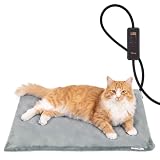
- SMALL SIZE THAT MAKES SENSE FOR CATS — If you are shopping for a cat heating pad, size matters more than people think. This 18 x 16 in heated pet mat fits cat beds, condos, crates, and tucked-away sleep spots without taking over the room, which makes it feel like an easier yes for apartments, bedrooms, and smaller indoor setups.
- A WARM SPOT YOUR CAT IS MORE LIKELY TO CHOOSE — Cats do not care about feature lists; they care about whether a place feels cozy, safe, and worth curling up in. This small heated pet mat helps turn a cool corner, cat bed, or favorite perch area into a warm resting spot that feels more inviting on cold mornings, winter nights, and drafty days.
- SIZE GUIDANCE FOR SMALLER PETS — Best for cats, kittens, toy breeds, and other small pets that prefer cozy, compact sleeping spots. A great fit for many smaller pets under about 12 lb, depending on sleeping style, bed setup, and whether your pet likes to curl up tightly or stretch a little while resting.
- ADJUSTABLE HEAT FOR REAL-LIFE COMFORT — With 6 heat settings from 86-131℉, this cat heating pad gives you more control over how warm the surface feels depending on the room, the season, and your pet’s comfort level. That matters because what feels right on a chilly January night may feel too warm on a mild fall afternoon.
- TIMER CONTROL THAT HELPS LIFE FEEL EASIER — The 4-24H timer makes this heated cat mat easier to live with because you can set it for naps, bedtime, overnight comfort, or a few hours during a cold stretch without constantly checking on it. For busy pet parents, less fuss is a big part of what makes a product worth keeping in the routine.
Antithrombotic medication
Veterinarians may use antithrombotic treatment to limit clot extension and reduce the risk of additional emboli. The choice depends on circulation, kidney function, bleeding risk, heart disease, concurrent medications, and the veterinarian’s assessment.
The Tool Desk
Outbyte Driver Updater FREEScan for outdated or missing drivers - takes under a minuteDriver Scan →Outbyte PC Repair FREEClear out junk files and repair common Windows errorsFree Scan →Anticoagulants and antiplatelet drugs are not interchangeable. They affect different parts of the clotting process, and neither should be started, stopped, or adjusted by an owner without veterinary direction. These medicines are not a home method for instantly restoring blood flow, and an owner should never substitute aspirin or a leftover prescription for the medication selected by the treating team.
Clot-dissolving drugs and procedures
Thrombolytic drugs, catheter-based procedures, or surgical clot removal may be considered in selected referral cases. They are not routine solutions for every cat with FATE. Evidence remains limited, and these approaches can carry substantial risks, including bleeding and complications associated with restoring circulation to severely injured tissue.
The most appropriate plan depends on the cat’s stability, the extent and location of the obstruction, available expertise, time since onset, underlying disease, and the owner’s goals. An invasive option should not be presented as universally superior.
Prognosis: what recovery may look like
The prognosis for a saddle thrombus is guarded because the event can cause severe ischemic injury and often reflects significant underlying heart disease. Some cats die rapidly or are euthanized because of uncontrolled pain, extensive tissue damage, severe heart failure, or a poor expected quality of life. Other cats survive the initial crisis and regain meaningful function, particularly when the obstruction is incomplete or the immediate complications can be controlled.
Outcome varies widely. Important factors include:
- Whether blood flow is completely or partially blocked
- One or both hind limbs being affected
- The extent of muscle and nerve injury
- The severity of pain and how well it responds to treatment
- Concurrent congestive heart failure
- Kidney, electrolyte, acid-base, and other metabolic complications
- How quickly the cat is stabilized
- Response to treatment
- The underlying cardiac or systemic cause
Published survival figures should not be treated as a prediction for an individual cat. Studies differ in the severity of cases referred, treatments selected, timing of presentation, follow-up, and whether euthanasia is included in the reported outcome. A veterinarian who has examined the cat is in the best position to discuss the likely course.
Making treatment and quality-of-life decisions
Emergency hospitalization can involve intensive monitoring, pain management, oxygen, imaging, cardiac care, and prolonged medication. Ask the veterinary team to explain:
Rank #4
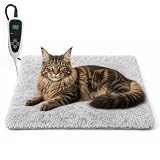
- 🐱【 BRAND EQUITY 】 The GOLOPET pet heating pad has undergone UL/MET dual safety certification and is available in multiple sizes, suitable for all dogs and cats. More than 200000 pet enthusiasts choose them every year to provide warmth and longer lifespan for their pets. We have a stable brand after-sales team. If you have any questions, you can contact the after-sales team at any time. We offer a one-year warranty service
- 🐱【Smart Thermostat】This pet heating pad can adjust the temperature freely, providing a temperature control range of 80-130°F, supporting 1-24 hours of free adjustment, adding a "normally open ON" mode, the pet heating pad also has a power-off protection function, built-in intelligent overheating protection sensor, intimate design for pets, avoid overheating and provide just the right amount of warmth for your pet.
- 🐱【Safety Structure】Our pet heating pad adopts 8 layers of protective structure, double spiral heating wire, which can quickly heat up in about 10 minutes, and the reinforced buckle at the cable connection can prevent damage by pets, no need to worry about leakage. The built-in UL listed heating wire and temperature sensor provide warmth and comfort while effectively preventing burns. The waterproof and flame-retardant inner material adds safety and security, so you can buy with confidence!
- 🐱【Soft Cloth Cover】Carefully selected skin friendly soft plush fabric is chosen to make your pet feel warmer and more comfortable during nap time, providing gentle care for your pet. The cloth cover can be disassembled and cleaned, and supports machine washing. When in use, it can also be covered with a blanket for warmth
- 🐱【BRAND AFTER-SALES SERVICE】 If you purchase a GOLOPET product and it does not work within one year due to normal use, we provide a one-year warranty service. You can contact us and we will provide you with a free replacement
- How severe the obstruction and tissue injury appear to be
- Whether the cat has heart failure or another immediately dangerous complication
- What improvement would look like over the next stage of care
- How much pain is expected and how it will be controlled
- Whether the cat is likely to eat, move, groom, use the litter box, and interact comfortably
- The expected hospitalization, follow-up, and medication burden
- The risk of another embolic event
- What findings would indicate that continued intensive care is no longer providing an acceptable quality of life
Euthanasia is not automatically required, and intensive treatment is not automatically obligatory. The decision belongs to the owner and veterinary team after assessing the individual cat’s pain, circulation, heart function, response to stabilization, and likely quality of life.
Independent reader supportYour contribution helps us test, update, and keep practical guides available for everyone.Preventing another event after recovery
A cat that survives FATE remains at risk if the underlying cardiac or systemic predisposition persists. Long-term care may include veterinary-directed antithrombotic medication and treatment for congestive heart failure, abnormal heart rate, or other manifestations of the underlying disease.
The FAT CAT randomized trial compared clopidogrel with aspirin for secondary prevention in cats that had already experienced cardiogenic arterial thromboembolism. Under the study protocol, cats receiving clopidogrel had a longer time to recurrence than cats receiving aspirin. This supports veterinary-directed use of clopidogrel in appropriate patients; it is not a safe basis for an owner to self-dose a cat or change an existing prescription.
Follow-up may include physical examinations, body-weight checks, review of breathing and appetite, blood chemistry, blood-pressure measurement, and repeat cardiac imaging when clinically indicated. The schedule depends on the underlying disease and the medications being used.
Safe medication routines at home
Give every prescribed medicine exactly as directed. If a dose is missed or accidentally given twice, contact the veterinary team for instructions rather than guessing. Do not stop antithrombotic or cardiac medication because the cat appears better, and do not add aspirin, supplements, or another prescription without approval.
For a cat that has been prescribed tablets or capsules, a cat pill dispenser may make medication administration easier for some owners. It is only a convenience tool: it does not prevent clotting, replace an appropriate formulation, make an unsuitable drug safe, or eliminate the need for veterinary instructions.
Do these 3 things before closing this tab:
1Repair Windows errors before they cause bigger problems2Scan for outdated or missing drivers - takes under a minute3Clear out junk files and repair common Windows errorsHome monitoring and warning signs
Home monitoring is supportive, not diagnostic. Follow the veterinarian’s instructions for observing breathing, appetite, mobility, and limb temperature, and attend every recommended recheck. Keep a written medication schedule if several drugs are prescribed.
Best Value

- Smart Temperature Control:The cat heating pads we provide for cats and puppies feature an intelligent 9-level temperature control range (77-131°F/25-55 ° C) and support free adjustment. Whether it's a cold night or to relieve arthritis, this heated cat pad can provide comfortable warmth. Tip: For instant surface warmth, pre-heat on Level 9 (131°F) for 2–3 minutes before your pet lies down, then adjust to their preferred setting
- Pet Safety Design:Dog heating pad adopts a 7-layer protective structure, along with a waterproof and flame-retardant inner layer material and a chewy power cord, providing double protection for your pet.Cat warming pad features automatic power-off to prevent overheating. It is a worry-free choice for indoor cat bed
- Timed Option Cat Heating Pad:This pet heating pad includes 4 timer options (2/4/8/12 hours) +ON altimes-on function. You can adjust the Settings according to your pet's needs to provide gentle care for your pet. Our dog bed has an automatic timer shutdown function
- Soft and Detachable Cloth Cover:The crystal super soft fabric makes your pet feel more comfortable when sleeping. In addition, the zipper design of the puppy warming cat bed makes the cloth cover easy to remove and clean, and heated pet beds supports machine washing. Do not clean the core but wipe heating pad with a damp cloth
- Pet Health Gift:Our Heated cat bed indoor keeps your adorable pet friends warm in cold weather. pet warming pad is especially suitable for older pets, pets with arthritis, newborns, pregnant cats, and small dogs, allowing your pets to sleep more peacefully
Contact a veterinarian urgently for new or worsening breathing difficulty, sudden weakness, severe pain, collapse, a newly cold limb, or refusal to eat. Do not use a consumer pulse oximeter, blood-pressure monitor, or Doppler device to rule out FATE. Readings can be difficult to obtain or interpret in cats and cannot replace a physical examination, vascular assessment, or echocardiogram.
Frequently asked questions
Is a saddle thrombus always caused by hypertrophic cardiomyopathy?
No. Cardiomyopathy—especially disease involving the left atrium—is a major association, and some cats have previously unrecognized heart disease. However, cancer, infection, inflammatory disease, hyperthyroidism, medication-related influences, and other systemic conditions have also been reported. The underlying cause requires veterinary investigation.
Can a cat recover from a saddle thrombus?
Some cats survive and regain useful function, particularly when the obstruction is incomplete and the cat’s pain, circulation, heart disease, and metabolic complications can be controlled. Others suffer irreversible injury or severe heart failure. A meaningful prognosis requires an examination and assessment of the individual cat rather than relying on a single survival statistic.
What’s actually slowing this PC down?
Pick the symptom - the matching free tool is one click away.
Should I massage my cat’s legs to restore circulation?
No. Massage and vigorous manipulation cannot dissolve or remove the clot and may increase pain or tissue injury. Keep the cat quiet, transport it securely, and seek emergency veterinary care.
Can aspirin prevent another clot in my cat?
Do not give aspirin or change an antithrombotic medicine without veterinary direction. Antiplatelet and anticoagulant drugs have different effects, and the safest choice depends on the cat’s heart disease, kidney function, bleeding risk, and other medications. The FAT CAT trial supports veterinary-directed consideration of clopidogrel in appropriate cats, not owner-directed dosing.
Frequently Asked Questions
Is a saddle thrombus always caused by hypertrophic cardiomyopathy?
No. Cardiomyopathy is a major association, but cancer, infection, inflammatory disease, hyperthyroidism, medication-related influences, and other systemic conditions may also contribute. Some cats have occult heart disease, so the cause requires veterinary investigation.
Can a cat recover from a saddle thrombus?
Some cats survive and regain useful function, especially when the obstruction is incomplete and pain, circulation, heart disease, and metabolic complications can be controlled. Others suffer irreversible injury or severe heart failure. An individual prognosis requires an emergency examination.
Should I massage my cat’s legs to restore circulation?
No. Massage cannot dissolve or remove the clot and may increase pain or tissue injury. Keep the cat quiet, place it in a secure carrier, and seek emergency veterinary care.
Can aspirin prevent another clot in my cat?
Do not give aspirin or change an antithrombotic medicine without veterinary direction. Antiplatelet and anticoagulant medicines are different, and the appropriate choice depends on the cat’s health, bleeding risk, kidney function, and other medicines.
The Bottom Line
Sudden hind-limb paralysis, weakness, severe pain, cold paws, collapse, or breathing difficulty in a cat requires immediate emergency veterinary assessment. Saddle thrombus is one possible cause, and only an examination can distinguish it from spinal, orthopedic, cardiac, or other emergencies. Do not massage the legs or give aspirin, human pain medication, or leftover prescriptions while waiting.
Quick Recap
Product prices and availability are accurate as of the date/time indicated and are subject to change. Any price and availability information displayed on Amazon at the time of purchase will apply.
Quick wins for a faster PC:
Clear out junk files and repair common Windows errorsFree Scan →Scan for outdated or missing drivers - takes under a minuteDriver Scan →



