Do these 3 things before closing this tab:
1Scan for outdated or missing drivers - takes under a minute2Repair Windows errors before they cause bigger problems3Fix the driver behind crashes, sound loss and screen glitchesA Scottish Terrier can be an excellent companion for the right household, but it is not an effortless small dog. A typical Scottie stands about 10 inches tall and weighs roughly 18–22 pounds in the U.S. standard. It is independent, alert, intelligent, spirited, and affectionate with familiar people. Its original work as a vermin hunter still shows in its instinct to chase, dig, investigate, bark, and make its own decisions.
Living successfully with a Scottie means providing daily walks, active play, training, secure management around prey animals and unfamiliar dogs, and consistent coat care. Older respectful children may be a good match; toddlers, free-roaming small pets, and owners seeking effortless obedience are less predictable fits. Responsible buyers should also review the parents’ actual health records, not just accept a breeder’s claim that the line is healthy.
Scottish Terrier at a glance
| Characteristic | What to expect | Type of information |
|---|---|---|
| Other names | Scottish Terrier, Scottie | Breed identity |
| AKC group | Terrier Group | Registry classification |
| Height | About 10 inches at the withers in the U.S. standard; the Royal Kennel Club gives 25–28 cm, or approximately 10–11 inches | Breed-standard reference |
| U.S. standard weight | Males: 19–22 pounds; females: 18–21 pounds | Breed-standard reference |
| U.K. standard weight | 8.5–10.5 kg, approximately 19–23 pounds | Breed-standard reference |
| Build | Compact, short-legged, heavily boned, muscular, and substantial for its height | Breed-standard description |
| Coat | Hard, wiry outer coat with a soft, dense undercoat | Breed-standard fact |
| Standard colors | Black, wheaten, or brindle of any shade | Breed-standard fact |
| Typical lifespan | About 12 years according to the Scottish Terrier Club of America; a 2024 U.K. study reported a 12.7-year median for Scottish Terriers | Population estimates, not guarantees |
| Exercise | A substantial daily walk, active play, sniffing, exploration, and mental work | Practical care guidance |
| Grooming | Regular brushing and combing, beard and furnishing care, nail care, and professional or skilled home grooming | Practical care guidance |
| Trainability | Intelligent and capable, but independent and selective; reward-based, varied sessions work best | Typical tendency |
| Children | Often better with older, respectful children than with toddlers | Individual- and management-dependent |
| Other dogs | Can be selective, reactive, or argumentative with unfamiliar dogs | Individual- and management-dependent |
| Cats and small pets | Some can live with a carefully introduced cat; rodents, rabbits, birds, and ferrets are substantially riskier housemates | Prey-drive management issue |
| Apartment suitability | Often workable if exercise, enrichment, barking management, and secure leash habits are provided | Practical recommendation |
The U.S. breed standard is published by the Scottish Terrier Club of America. The U.K. standard gives slightly different measurement guidance, and the Royal Kennel Club notes that standard measurements are guides rather than promises about every pet dog. A companion Scottie may fall outside the ideal show range while still being healthy and well proportioned.
What is a Scottish Terrier?
The Scottish Terrier, commonly called a Scottie, is a short-legged, rough-coated Scottish terrier developed to hunt vermin and pursue quarry underground. The breed belongs to the AKC Terrier Group. Its long head, strong muzzle, compact body, heavy bone, erect ears, and upright or slightly bent tail give it a distinctive outline.
#1 Best Overall
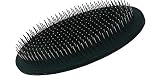
- DESIGN - Comfortable for the groomer and the dog.
- MATERIAL - Each high grade steel pin head is sandwiched between nylon rubber with the leather backing.
- PINS - Seventy-eight ground and polished metal tips will not scratch skin or break coat, 16mm pin length.
- COMFORT - Flexible leather forms to your hand without the need for a strap.
- WHY CHRIS CHRISTENSEN - It all started in 1996 when Chris Christensen developed the first true color correcting shampoo for canines and felines. White on White was a catalyst in the evolution of canine coat care. The momentum that followed has allowed Chris Christensen Systems to bring you the finest grooming products ever available in the dog show and pet care worlds.
The Scottie’s original job explains much of modern life with the breed. A dog bred to enter a den and deal with determined quarry could not wait for constant human direction. Tenacity, alertness, digging, chasing, courage, and independent decision-making were useful working traits. In a suburban home, the same traits may appear as digging under a fence, barking at movement, chasing wildlife, refusing a dull repetition, or deciding that a squirrel is more important than a recall cue.
The nickname Diehard refers to persistence and courage. It should not be interpreted as a claim that every Scottie is aggressive. Individual temperament varies with genetics, early socialization, sex, health, training, and environment.
The breed’s history is not perfectly linear. The modern Scottie developed from several related Scottish terrier types, and names such as Aberdeen Terrier, Highland Terrier, Scotch Terrier, and Skye Terrier were not always used consistently. The Scottish Terrier Club was formed in 1882, the AKC recognized the breed in 1885, and the first British Kennel Club stud-book entry appeared in 1880 according to AKC historical material. The AKC history overview explains some of that changing terminology.
Appearance and coat
A Scottie is small in height but not delicate. The breed standard calls for a compact, short-legged, muscular dog with substantial bone. The head is long in proportion to the body and has a powerful muzzle. Ears are erect, the tail is carried upright or with a slight bend, and movement should be free, agile, coordinated, and powerful rather than dainty.
Quick wins for a faster PC:
Clear out junk files and repair common Windows errorsFree Scan →Fix the driver behind crashes, sound loss and screen glitchesFind Drivers →The standard colors are black, wheaten, and brindle in any shade. Color alone does not guarantee health, temperament, or quality. A breed standard describes an ideal show specimen; it does not promise that every pet Scottie will measure exactly 10 inches or weigh precisely within the listed range.
The coat is a defining feature: a hard, wiry, weather-resistant outer coat over a soft, dense undercoat. The beard, leg furnishings, and lower-body furnishings contribute to the classic Scottie silhouette but also collect food, moisture, mud, plant material, and tangles. Coat care is therefore a comfort and hygiene issue, not merely a cosmetic preference.
Scotties are often described as low-shedding compared with many breeds, but low visible shedding does not mean hypoallergenic. Allergens come from skin flakes, saliva, and other sources as well as hair. Anyone with significant allergies should spend time with adult Scotties before committing to one.
Scottish Terrier temperament: what living with one is like
Independent, intelligent, and purposeful
A Scottie is intelligent and capable of learning a large vocabulary of behaviors, but it is usually not a constantly eager-to-please dog. The incomplete description is stubborn. More accurately, a Scottie may understand what you want and decide that another option is more rewarding. Training must make cooperation worthwhile while preventing the dog from repeatedly practicing unwanted behaviors.
Windows Errors? Fix Them Before They Spread
Repair common Windows errors and clear accumulated junk for a smoother, more stable PC - no reinstall needed.Free scan · no reinstallCrashes, No Sound, or Screen Glitches?
Random freezes, missing sound and display glitches usually trace back to one bad driver. Find and replace yours safely.Free scan · under a minuteMany Scotties are loyal and affectionate with their families while remaining reserved or selective with unfamiliar people. They may greet visitors politely, watch from a distance, or decide that a particular person deserves no immediate welcome. Early, positive exposure can improve confidence, but socialization does not require forcing a puppy to greet everyone.
Alert and potentially vocal
The breed can be an effective watchdog. It notices unusual sounds, movement outside, arriving visitors, and activity in the neighborhood. That alertness can become nuisance barking in an apartment or busy household. Teach a predictable response to sounds, reward quiet behavior, manage views through windows, and provide enough exercise and mental work that barking is not the dog’s main occupation.
Chasing, digging, and investigating
A Scottie may chase squirrels, cats, birds, and other moving animals; dig in soil or landscaping; and investigate gaps, scents, and noises. These behaviors are connected to its working history, not evidence that the dog is disobedient in every context. Give terrier instincts safer outlets through scent games, food puzzles, supervised digging opportunities, tug, controlled chase games, and structured exploration.
A fenced yard is not a substitute for supervision. A Scottie may dig beneath barriers, pursue prey, or escape through an opening. The STCA specifically warns that leaving a Scottie outside alone can be unsafe. Outdoors, use secure fencing and a leash or long line unless you are in a genuinely secure area and have assessed the individual dog carefully.
What’s actually slowing this PC down?
Pick the symptom - the matching free tool is one click away.
Rank #2
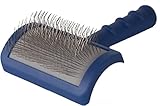
- TOUGH ON TANGLES - The Show Tech Tuffer Than Tangles Slicker Brush is designed with long, soft pins to gently remove tangles and mats from your pet's fur.
- EFFECTIVE GROOMING - This brush is perfect for grooming doodles, poodles, and other breeds of dogs with curly or wavy coats. It can also be used on cats!
- COMFORTABLE & PLEASANT - The ergonomic handle allows you to comfortably groom your pet without straining your wrist or arm. Your pet will enjoy the gentle brushing experience!
- DURABLE & LONG-LASTING - Made from high-quality materials, this brush is built to last and withstand frequent use.
- EASY TO CLEAN & MAINTAIN - The slicker brush features allows easy removal of loose hair from the pins after each use.
Dog-to-dog behavior
Scotties can be friendly with people yet difficult with unfamiliar dogs. The AKC breed standard explicitly allows that a Scottie may be aggressive toward other dogs, while the FCI standard describes the ideal dog as bold but not aggressive. Those statements are not contradictory: breed standards describe tendencies and ideals, and they do not predict every individual. Normal terrier assertiveness, such as a hard stare, refusal, or brief warning growl, should not automatically be labeled dangerous aggression; persistent lunging, attempted bites, or inability to recover around dogs requires professional behavior help and careful management.
Do not use a dog’s comfort with household people as proof that it will enjoy dog parks. If a Scottie is reactive, easily provoked, or uncomfortable in crowded play, avoid dog parks and choose controlled walks, parallel walks, or carefully selected companions instead.
Is a Scottie right for your household?
| Household situation | Likely fit | Important qualification |
|---|---|---|
| Apartment or small home | Often good | Provide daily activity and enrichment, address barking, and prevent door-dashing and escapes. |
| First-time dog owner | Possible but challenging | Terrier-savvy training support and realistic expectations are especially valuable. |
| Older, respectful children | Often workable | Children must respect boundaries, and every interaction requires supervision. |
| Toddlers | Higher-risk fit | Small size does not make a Scottie tolerant of grabbing, climbing, cornering, or rough handling. |
| Cats | Individual-dependent | Use careful introductions and be prepared for lifelong gates, leashes, or separation. |
| Rabbits, rodents, birds, or ferrets | Poorer fit | Strong prey drive creates a serious management issue; VCA describes Scotties as a poor choice for homes with rodents. |
| Multi-dog home | Individual-dependent | Assess the dog’s history and dog tolerance; do not assume sociability from breed size or friendliness with people. |
| Sedentary household | Poor fit | The dog needs regular activity, exploration, and mental work. |
| Owner wanting effortless recall | Poor fit | Hunting instincts may override recall when prey is moving. |
| Owner willing to groom or pay for grooming | Necessary | Coat maintenance is part of normal ownership, not an occasional extra. |
| Owner wanting a quiet, universally social dog | Poor fit | Alertness, barking, stranger reserve, and dog selectivity may be present. |
Scotties and children
Many Scotties can live successfully with older children who understand canine boundaries. They are less predictable with toddlers and children who grab furnishings, hug tightly, take toys, disturb the dog while it eats or sleeps, or chase it. The AKC describes the breed as a better fit for older, responsible children and emphasizes supervision.
Teach children to leave the dog’s face, beard, food, bed, and toys alone unless an adult is guiding the interaction. They should not climb on, corner, chase, or tightly hug the dog. Give the Scottie a child-free retreat, and do not leave any dog alone with young children regardless of breed.
The Tool Desk
Outbyte Driver Updater FREEScan for outdated or missing drivers - takes under a minuteDriver Scan →Outbyte PC Repair FREEClear out junk files and repair common Windows errorsFree Scan →Scotties, cats, and small animals
Social compatibility is different from prey-drive management. Some Scotties live peacefully with a cat after careful introductions, particularly when the dog has a known history of doing so. The same dog may still chase an outdoor cat. Rodents, rabbits, birds, ferrets, and other small animals are substantially riskier because the breed was developed to pursue small quarry.
Use baby gates, crates, leashes, secure enclosures, and direct supervision. Do not rely on obedience alone to override a strong chase response. A peaceful first week is not proof that unsupervised access is safe.
Exercise and enrichment
There is no authoritative universal number of exercise minutes that suits every Scottie. Age, health, weather, fitness, and individual drive matter. The consistent requirement is a substantial daily walk plus opportunities for vigorous play, sniffing, exploration, and mental work.
A practical routine might look like this:
- Morning: a sniff-heavy walk followed by a few minutes of training such as name response, loose-leash walking, or settling on a mat.
- During the day: a chew, food puzzle, scatter-feeding activity, or food-dispensing toy. Rotate activities rather than leaving the same toy available every day.
- Evening: another walk followed by tug, fetch, scent work, trick training, or a controlled terrier game in a safe area.
- Weekly: introduce a new but manageable environment, practice grooming and handling, and provide positive exposure to people, surfaces, sounds, and carefully selected dogs.
Signs that the routine needs adjustment may include persistent restlessness, escalating barking, destructive digging, repeated attempts to chase, or inability to settle. Increase enrichment gradually and consider pain or illness if behavior changes suddenly. Exercise should also be adapted for puppies, seniors, hot weather, and dogs with orthopedic or neurologic problems.
Training and socialization
Start reward-based training early. The AKC recommends keeping sessions to 15 minutes or less, varying the exercises, and avoiding monotonous repetition. Use food, toys, play, praise, and access to preferred activities as reinforcement. A Scottie is independent, not untrainable; short sessions with a clear payoff are generally more effective than repetition or confrontation.
Useful skills include:
- Name response and attention around distractions.
- Loose-leash walking and calmly passing people and dogs.
- Leave-it, trade, and reliable release of toys or found objects.
- Door manners and a practiced alternative to rushing outside.
- Settle on a mat while people eat, work, or receive visitors.
- Comfort with touching the beard, feet, ears, mouth, and nails.
- Recall foundations, while accepting that off-leash reliability may remain limited around prey.
- Calm behavior around visitors, household activity, cats, and other dogs where appropriate.
Avoid intimidation, physical punishment, and dominance-based techniques. Harsh handling can damage trust and may intensify defensive or reactive behavior. For a dog that lunges, snaps, guards resources, or cannot safely share space with another animal, work with a qualified reward-based trainer or veterinary behavior professional.
Puppy socialization means controlled, positive exposure, not forcing a puppy to greet everyone or tolerate overwhelming places. Let the puppy observe at a distance, provide an escape route, pair new experiences with rewards, and stop before fear or over-arousal takes over. Handling and grooming rehearsal should begin in tiny, successful steps.
Grooming a Scottish Terrier
The Scottie’s hard outer coat and dense undercoat require a real maintenance plan. Home brushing and combing should occur at least weekly, with extra attention to the beard, legs, belly, and other furnished areas. Remove debris promptly and check the skin underneath for mats, moisture, irritation, or parasites.
Free tools Windows power users keep installed
One-click scans. No signup required.
Rank #3

- 【Professional Pet Grooming Kit 】3 Pet grooming tools selected by pet lovers, which can meet daily all the grooming needs of pets. Let you, as the groomer, personally give your furry friend a shiny and healthy coat. This is a must-have beauty product set for pet lovers! The Best Dog Gifts - Merry Christmas
- 【Why Choose Augwind 3PCS ?】 Augwind Pet Grooming Rake makes it easy to remove stubborn, tangled hair. Augwind Self-Cleaning Slicker Brush quickly removes loose hair, dander, and residual dirt. Augwind Flea Comb effectively remove small objects and Dandruff Flakes. Our 3-in-1 Pet Grooming Kit handles all your needs: detangling, hair removal and removes fleas and ticks – The Ultimate Pet Essentials
- 【Dematting and Deshedding Tools】 Augwind Pet Grooming Rake features a double-sided design: The 9-tooth bristle side detangles stubborn knots and mats. The 17-tooth bristle side trims excess pet hair. Augwind self-cleaning dog brush includes a push-button retractable mechanism – simply retract the bristles after use to remove loose hair quickly and effortlessly
- 【Flea Comb】Use this fine-toothed lice comb regularly to effectively remove small debris and dandruff, help keep away fleas and ticks, and maintain your pet’s coat tidy and healthy
- 【2-Year Warranty】We are a professional pet products company, committed to bringing the safest, practical and affordable pet products to pets and owners. We promise to solve it for you at any time if there is any quality within 2 years. We provide 7*24 hours after-sales service, if you have any questions, please feel free to contact us
Hand stripping versus clipping
Hand stripping removes mature outer-coat hairs so the hard, wiry texture and classic outline can be maintained. It is commonly used for show coats and requires skill, time, and a dog that has been prepared for the handling. Clipping is a practical choice for many companion dogs, but it cuts the coat and can gradually allow the softer undercoat to dominate, changing texture and appearance.
There is no single correct interval for every pet. The AKC describes clipped coats as maintainable on approximately a six- to eight-week schedule. STCA guidance describes companion grooming approximately every two to three months, depending on the individual coat and the desired style. A rapidly growing coat, a long furnishing style, frequent outdoor activity, or a tendency to mat may require more frequent appointments.
Introduce brushing, beard handling, nail trimming, bathing, ear checks, and clipping or stripping in puppyhood. Find a groomer who understands terrier coats; a general groomer may be able to provide a short pet trim but not preserve a Scottie outline or perform hand stripping properly. Grooming should remain cooperative rather than becoming a recurring wrestling match.
Feeding and routine care
Feed a complete and balanced diet appropriate for the dog’s age, reproductive status, activity, and medical needs. Measure meals, count treats, and use body condition rather than the breed-standard weight alone to decide whether portions are appropriate. Reassess food after a change in exercise, age, or neuter status.
Some experienced breeders observe that Scotties do well on diets with moderate protein, but that is not a universal veterinary prescription. Do not select a protein percentage, supplement, raw diet, grain-free diet, or special ingredient solely because it is marketed for Scotties. Discuss medical diets and persistent digestive, skin, urinary, or liver concerns with a veterinarian.
Routine care includes veterinary examinations, locally appropriate vaccination and parasite prevention, dental care, nail trimming, ear checks, and monitoring of the skin and coat. Depending on age, family history, and symptoms, ask the veterinarian whether bloodwork, urinalysis, thyroid testing, an eye examination, or liver evaluation is appropriate.
Scottish Terrier health: what owners and buyers should know
The STCA describes Scotties as generally healthy, but that does not mean risk-free. The breed has several useful screening tools as well as conditions for which screening is incomplete, unavailable, or unable to predict an individual dog. A health list is a reason for informed care and thoughtful breeding, not a reason to assume that every Scottie will become ill.
Current U.S. breeder screening requirements
The current Scottish Terrier Club of America CHIC document available through the AKC was approved February 11, 2024, and is effective January 1, 2025. It specifies three mandatory tests plus one elective test:
Recommended Free Tools
- Von Willebrand disease type III: a DNA test from an approved laboratory, with results registered with OFA.
- Patellar luxation: a veterinary evaluation using the OFA form.
- Craniomandibular osteopathy: a DNA-based test from an approved laboratory, with results registered with OFA.
- One elective test: the breeder chooses an autoimmune thyroiditis evaluation, ACVO eye examination, OFA radiographic evaluation for Legg-Calvé-Perthes disease, OFA serum bile evaluation, or OFA kidney urine protein/creatinine screening.
Dogs must be permanently identified by microchip or tattoo to qualify for a CHIC number. Requirements can change as knowledge and breed priorities change, so buyers should verify the current STCA CHIC document and search the OFA records database.
A CHIC number does not mean that every result was normal. The OFA explains that CHIC confirms completion and public recording of the breed’s required screening tests. Buyers must inspect the actual result for each parent. OFA also notes that CHIC recommendations are not comprehensive: they cover important conditions for which screening exists, but other diseases may remain relevant and some have no reliable test.
Von Willebrand disease type III
Von Willebrand disease type III is a hereditary clotting disorder that can cause abnormal or excessive bleeding. The Scottie-specific DNA test identifies clear, carrier, and affected dogs. The STCA reports that widespread testing has made the disorder uncommon in contemporary litters, but a buyer should still request the actual results for both parents rather than accept a verbal assurance.
A carrier is not the same as an affected dog. Breeding decisions should consider the genetic status of both parents, the wider pedigree, and the breed’s long-term conservation strategy. For an individual dog, tell your veterinarian the result before surgery or an invasive procedure.
Rank #4

- French Bulldog Fit, Shedding Focus – Purpose-built french bulldog brush for shedding that lifts surface loose hair on short coats while keeping handling precise for Frenchies.
- Fine Stainless-Steel Teeth – Densely spaced, rounded micro-teeth catch short hair effectively without harsh pulling; ideal deshedding comb for single-coat breeds.
- Palm-Grip Wooden Body – Curved, hand-filling shape (about 4.5" × 2.4" × 1.2" / 11.5 × 6 × 3 cm) delivers stable control on the face, neck and chest.
- Short Hair Dog Brush Efficiency – Designed for quick sessions that manage daily loose hair and keep grooming routines simple at home.
- Face/Neck/Chest Detailing – Compact working edge reaches around wrinkles and contours where a wide tool can’t, improving precision on small-breed areas.
Patellar luxation
Patellar luxation occurs when the kneecap moves out of its normal groove. The relevant breeder screening is a veterinary patellar evaluation, not a DNA test. A normal parental evaluation reduces risk but does not guarantee that a puppy will never develop an orthopedic problem. Persistent skipping, lameness, reluctance to jump, or an abnormal hind-leg gait should prompt veterinary assessment.
Craniomandibular osteopathy
Craniomandibular osteopathy is a rare bone disorder affecting the jaw, typically appearing in puppies around 4–7 months. Painful jaw swelling, fever, reluctance to open the mouth, and difficulty eating require veterinary attention. Diagnosis involves examination and imaging. The STCA states that a DNA test can identify affected, carrier, and clear dogs, which is why it is one of the mandatory current U.S. CHIC tests.
Scottie cramp
Scottie cramp describes episodes that may be triggered by excitement, stress, or strenuous activity. Affected dogs may arch the back, become stiff, or temporarily stop moving, then appear normal between episodes. The STCA describes the disorder as nonpainful and not expected to shorten life, and states that it is not a seizure disorder, although an episode can look alarming.
The STCA genetic-issues page says that, as of 2018, the causative mutation had not been identified and no DNA test was available. That statement is dated, so it should not be treated as proof that testing could never become available. If an episode occurs, safely record a video for the veterinarian if possible, but do not deliberately provoke symptoms.
Cerebellar abiotrophy
Cerebellar abiotrophy is an uncommon, progressive neurologic disorder. A dog may appear normal early in life and later develop poor coordination, a wobbly gait, difficulty running, or trouble using stairs. The STCA describes it as nonpainful but progressive and potentially limiting quality of life. Its cited guidance states that no genetic test was available as of 2018; breeders instead use pedigree history and the club’s registry.
Liver shunts and other liver disease
A portosystemic, or liver, shunt allows blood to bypass normal liver processing. An affected puppy may be small or unthrifty and may show unusual behavior or neurologic signs, particularly after eating. Diagnosis may involve bile-acid testing and imaging. STCA guidance says liver shunts occur occasionally in some Scottie lines and that the responsible mutations and inheritance pattern were not established in that guidance.
Progressive vacuolar hepatopathy is a separate, less-common or emerging concern rather than a routine diagnosis for every Scottie. In a retrospective study of 114 Scottish Terriers already diagnosed with progressive vacuolar hepatopathy, 39 dogs, or 34 percent of that affected case series, had hepatocellular carcinoma. That figure is not the prevalence of liver cancer among all Scottish Terriers. The study recommended frequent serum biochemical monitoring and ultrasound surveillance for dogs with the disorder. The Royal Kennel Club continues to identify Scottish Terrier health research and vacuolar hepatopathy investigation as active areas of study.
Bladder cancer: an important breed-associated risk
Scottish Terriers have a strong breed association with canine urothelial carcinoma, also called transitional cell carcinoma. A 2023 cohort study estimated the breed-associated risk at approximately 20 times that of other breeds. Relative risk is not an individual prognosis: most Scotties will not necessarily develop bladder cancer.
Free tools Windows power users keep installed
One-click scans. No signup required.
The same study followed a selected research cohort of Scotties aged six years or older for three years. Thirty-two of 120 dogs developed biopsy-confirmed urothelial carcinoma. Because the dogs were enrolled in a research study and were not a random sample of all Scotties, that result must not be presented as the cancer rate for the entire breed.
The study found associations with household cigarette-smoke exposure, living near marsh or wetland areas, and previous bladder infections. An earlier case-control study associated lawn or garden herbicide exposure with increased risk. These are research associations, not proof that one exposure caused a particular dog’s cancer. Sensible precautions include:
- Do not smoke around the dog.
- Keep the dog away from recently treated lawns and gardens and follow the pesticide label’s re-entry instructions.
- Ask a veterinarian to investigate blood in the urine, repeated urinary infections, straining, frequent small urinations, accidents in a previously house-trained dog, or persistent genital licking.
- Do not assume that urinary symptoms in an older Scottie are merely another urinary tract infection.
- Discuss risk-based urinalysis or imaging with the dog’s veterinarian. Do not assume that routine screening is proven to prevent bladder cancer.
Other conditions worth discussing
Health resources and the current elective CHIC list also identify conditions that may matter in particular dogs or breeding lines:
- Autoimmune thyroiditis or hypothyroidism.
- Eye disease.
- Legg-Calvé-Perthes disease.
- Kidney abnormalities.
- Skin allergies and recurrent ear disease.
- Dental disease.
- Bladder stones and other urinary disease.
- Other cancers reported in breed health resources.
An elective screening option does not prove that every listed disorder is common or that every breeder must perform every available test. It does show which concerns the parent club considers reasonable to address through available screening. DNA tests do not replace physical examinations, and no screening protocol rules out every inherited disorder.
Best Value

- THOUGHTFUL SET: Our pet grooming set includes 2 soft silicone bath brushes. Just get the brush down to your pet for DESHEDDING, BRUSHING, MASSAGING, EXFOLIATING and RELAXING. Easy to clean by rinsing to keep your furry friend looking fabulous
- PREMIUM MATERIAL: The shampoo soothing brush is made from quality TRP material with soft & gentle brush head, perfect for sensitive skin. It can smoothly pull out anything extra from undercoats and fur to remove your pet's hair and dirt during bath
- UNIQUE DESIGN: Our pet brush has an adjustable ring handle to secure your hands, perfectly fixed between the palms to keep great control & grip for long time grooming and bathing. No sharp edges, safe to hold and steady to shed, won’t hurt pets’ skin
- MULTIFUNCTIONAL & SAFE: Every brush tooth is smooth, durable & corrosion-resistant, won’t rust or fade. It can be use wet or dry baths cleans to shine the coat for cats & dogs, remove pet hair and fluff on sofas, carpets, mats, stair carpets, car seats
- SUITABLE FOR ALL COAT TYPES: It can also support the pet health by boosting blood circulation. Promotes healthy skin & coat, protects you and your rabbits, guinea pigs, ferrets from skin allergies, which reduces allergic airborne elements
When to call the veterinarian
Promptly arrange veterinary care for unexplained bleeding, painful jaw swelling or difficulty eating, persistent lameness, new coordination problems, repeated urinary symptoms, blood in the urine, straining to urinate, or a sudden major behavior change. A breed-health article should help you notice warning signs, not encourage self-diagnosis. A video, timeline, list of medications, and copies of prior test results can make a veterinary appointment more useful.
Lifespan
The STCA states that the average Scottie lives about 12 years and that healthy seniors reaching 14 or more are not uncommon. A large 2024 U.K. analysis of companion dogs reported a 12.7-year median lifespan for Scottish Terriers, based on 1,747 dogs, including 869 deceased dogs in the breed table. These are population estimates, not guarantees. Country, veterinary access, causes of death, breeding population, and sampling method all affect the figures.
Independent reader supportYour contribution helps us test, update, and keep practical guides available for everyone.How to find a responsible Scottish Terrier breeder
Health testing is necessary but not sufficient. A good breeder should be able to discuss the line’s strengths and weaknesses, show documentation, explain how puppies are raised, and remain responsible for dogs produced. The STCA breeder resources and code of ethics emphasize health, appropriate veterinary care, documentation, continuing guidance, and taking responsibility for rehoming or returned dogs.
Documents and questions to request
- The registered names of the sire and dam.
- OFA records for both parents, with links or registration information you can verify yourself.
- The current CHIC information and the actual results behind the CHIC number.
- vWD type III DNA results.
- Patella evaluation results.
- CMO DNA results.
- The elective CHIC test selected and the breeder’s reason for selecting it.
- Health histories for parents, siblings, grandparents, and previous offspring.
- Any history of Scottie cramp, cerebellar abiotrophy, liver shunts, liver disease, bladder cancer, severe allergies, or early deaths in the line.
- A written contract, health records, vaccination and deworming records, feeding instructions, and clear return-to-breeder provisions.
- Evidence that puppies receive appropriate handling, household exposure, grooming preparation, and thoughtful socialization.
Ask to see the actual OFA results rather than a screenshot or summary that omits the outcome. Review relatives and previous litters as well as the two parents. A normal patella result is not a lifetime guarantee, and a pedigree can reduce or increase risk without predicting an individual puppy with certainty.
Breeder red flags
- The breeder says testing is unnecessary because the puppy looks healthy.
- A CHIC number is presented as proof that every health result is normal.
- The breeder refuses to provide registered names or test records.
- Only the puppy is tested while the parents and close relatives are ignored.
- The breeder cannot discuss bladder cancer, Scottie cramp, liver disease, or early deaths in the line.
- Puppies receive little handling and no preparation for brushing, beard care, nail trimming, or grooming.
- There are multiple breeds, constant availability, pressure to pay immediately, or no meaningful questions about your household.
- The breeder claims a particular coat color guarantees health or temperament.
- The breeder will not take a dog back or help rehome it.
Testing cannot eliminate every inherited disease, and current CHIC requirements can change as research develops. Responsible breeding reduces risk; it does not make a puppy risk-free.
Scottish Terrier rescue and adoption
Adoption can be an excellent route for someone who wants a Scottie while helping an adult dog. With an adult, it may be easier to assess temperament, prey drive, dog tolerance, energy level, barking, and grooming tolerance than it is with a young puppy. A rescue dog is not defective, and a purebred puppy is not automatically safer or easier.
The STCA says its rescue network, regional clubs, independent organizations, and individual Scottie owners help recover, evaluate, rehabilitate, and rehome Scotties across much of the United States. Regional programs operate independently, so availability, application procedures, fees, and policies vary. Start with the STCA rescue information and ask what the organization knows about the dog’s behavior around children, dogs, cats, small animals, grooming, and being left alone.
A realistic day-to-day management plan
- Every day: provide at least one substantial walk, additional activity or play, and mental work such as scent games, training, or a food puzzle.
- Every week: brush and comb the coat, inspect the beard and furnishings, practice handling, and check nails, ears, teeth, and skin.
- Every outing: use secure leash habits and assume that moving wildlife may trigger pursuit.
- Every interaction with children or small pets: supervise directly and provide safe separation.
- Every training session: keep it short, varied, reward-based, and focused on behaviors that make real life safer.
- Every grooming appointment: use a groomer who understands Scottie coat structure and choose hand stripping or clipping based on the dog’s coat, lifestyle, and owner priorities.
- Every veterinary visit: mention the breed’s urinary, liver, orthopedic, neurologic, and bleeding concerns when symptoms or family history make them relevant.
Final decision checklist
A Scottie is more likely to fit your life if you can answer yes to most of these questions:
What’s actually slowing this PC down?
Pick the symptom - the matching free tool is one click away.
- Can I provide daily activity, sniffing, play, and mental work rather than relying on yard access?
- Can I manage chasing, digging, barking, door-dashing, and possible escape behavior?
- Can I afford regular grooming or learn the skills to maintain the coat safely?
- Can I accept that a people-friendly Scottie may still be selective or reactive with dogs?
- Can I protect cats and small pets without relying on obedience alone?
- Will I teach grooming, handling, recall foundations, and calm behavior from puppyhood?
- Can children in the household respect the dog’s food, rest, toys, face, and retreat?
- Have I reviewed the actual parental health records, including the current CHIC tests?
- Will I ask about cancer, liver disease, neurologic disorders, orthopedic problems, allergies, and early deaths in the line?
- Do I have a plan for routine veterinary care and prompt investigation of urinary symptoms?
If what you want is a compact dog with character, courage, and a strong working identity, the Scottie can be deeply rewarding. If you want an automatically sociable, quiet, low-maintenance dog that reliably ignores small animals and obeys every cue outdoors, another breed or an individual adult dog with a thoroughly assessed temperament may be a better match.
Frequently Asked Questions
Are Scottish Terriers hypoallergenic?
No dog is completely allergy-free. Scotties may shed less visibly than many breeds, but their skin flakes, saliva, and other allergens can still trigger reactions. Spend time with adult Scotties before choosing one if allergies are a concern.
Can a Scottish Terrier live in an apartment?
Often, yes. An apartment can work when the dog receives daily walks, active play, scent and training activities, barking management, and secure leash and door habits. Compact size does not remove the breed’s need for exercise or mental stimulation.
How often does a Scottie need professional grooming?
It depends on the coat and style. The AKC describes clipped coats as maintainable at roughly six- to eight-week intervals, while STCA guidance describes companion grooming approximately every two to three months. Weekly brushing and combing are still needed between appointments.
Quick wins for a faster PC:
Repair Windows errors before they cause bigger problemsFix Now →Fix the driver behind crashes, sound loss and screen glitchesFind Drivers →What does a CHIC number mean for a Scottish Terrier?
A CHIC number means the breed-specific recommended tests were completed and publicly recorded. It does not mean every result was normal or that the dog is free of all inherited disease. Buyers should inspect the actual OFA results for both parents and review the wider family history.
The Bottom Line
Bottom line: A Scottish Terrier is a small, sturdy working terrier with a big personality. Expect independence, prey drive, digging, alert barking, grooming, and sometimes difficult dog-to-dog interactions alongside loyalty, intelligence, courage, and companionship. The best fit is an owner prepared to train without force, manage the environment thoughtfully, maintain the coat, and investigate health risks without either dismissing them or assuming they are inevitable.
Quick Recap
Product prices and availability are accurate as of the date/time indicated and are subject to change. Any price and availability information displayed on Amazon at the time of purchase will apply.




