
Free tools Windows power users keep installed
One-click scans. No signup required.
Some links on this page are affiliate links: if you buy through them we may earn a commission, at no extra cost to you.
A senior dog that stops eating should prompt a call to your veterinarian, because appetite loss can signal dental pain, kidney or liver disease, medication effects, cancer, gastrointestinal obstruction, or another problem that cannot be diagnosed from appetite alone. Use about 24 hours without food as a same-day trigger, and call sooner if your dog is lethargic, painful, vomiting, losing weight, or unable to chew or swallow. Go straight to an emergency clinic for a swollen abdomen, repeated unproductive retching, breathing trouble, pale or blue gums, collapse, progressive weakness, or a dog that cannot eat or drink and appears ill.
What should I do if my senior dog is not eating?
Call your regular veterinarian when an older dog’s eating pattern changes. A dog that has eaten nothing for more than 24 hours needs prompt veterinary attention, according to PDSA; a senior dog with chronic disease or any additional symptom should be assessed earlier. While arranging care, you can warm the usual food, offer a veterinarian-approved highly palatable alternative, or add a little moisture, but these are comfort measures—not a reason to postpone the call.
As an Amazon Associate I earn from qualifying purchases.
The Tool Desk
Outbyte PC Repair FREEClear out junk files and repair common Windows errorsFree Scan →Outbyte Driver Updater FREEScan for outdated or missing drivers - takes under a minuteDriver Scan →Emergency care is warranted for signs of a potentially life-threatening abdominal, respiratory, circulatory, or systemic problem. Use this triage guide:
| What you observe | Recommended action | Why timing matters |
|---|---|---|
| No food for more than 24 hours, even without other signs | Arrange a same-day veterinary appointment | Prolonged appetite loss in an older dog can accompany disease that needs examination and testing |
| Appetite loss with vomiting, diarrhea, weight loss, painful chewing, drooling, jaundice, increased thirst or urination, cough, or unusual tiredness | Call your veterinarian promptly; do not wait for several more meals | Multiple signs increase the chance of pain, dehydration, organ disease, or another condition requiring treatment |
| Retching without producing vomit, a distended abdomen, breathing difficulty, pale or blue gums, collapse, progressive weakness, or inability to eat or drink with pain or lethargy | Go to an emergency clinic immediately | These are red flags for conditions that can deteriorate quickly |
An adult dog that otherwise acts normally may occasionally miss food for a day or two. The American Kennel Club quotes Dr. Ann Hohenhaus of The Animal Medical Center saying she is less concerned when an otherwise normal adult dog goes a couple of days without eating and has no vomiting, diarrhea, cough, or accidents. That reassurance does not set a safe waiting period for every dog: advanced age, chronic illness, medication use, or any new symptom lowers the threshold for professional advice.
Popular on Amazon

- REAL CHICKEN FIRST: BLUE Homestyle Recipe wet dog food features real chicken as the #1 ingredient with vegetables in a hearty paté-style canned dog food for senior dogs with high-quality protein to help promote strong muscles
- FRUITS & VEGGIES: Includes carrots, peas, sweet potatoes, blueberries, cranberries, and other healthy ingredients, delivering antioxidants for immune health support, fiber for healthy digestion, and balanced nourishment in every serving
- EXPERT-LED NUTRITION: Designed to help your pet thrive from the inside out, Blue Buffalo dog food formulas are developed by a dedicated team of veterinarians and animal nutritionists for a trusted option in healthy dog food brands
- NATURAL INGREDIENTS: Natural wet dog food for seniors 7+ made with whole grains like brown rice, barley, and oatmeal, plus flaxseed, to provide complex carbohydrates and Omega 3 & 6 fatty acids for balanced nutrition and steady energy for aging dogs
- MADE FOR SENIOR DOGS: BLUE canned senior dog food provides complete, balanced nutrition for senior dogs 7+ with high-quality protein for muscle maintenance, Glucosamine and Chondroitin to support joint health and mobility, and energy to stay active
Does my dog have true anorexia or pseudo-anorexia?
The first practical question is whether your dog has lost interest in food or wants to eat but cannot manage it. VCA calls the first situation true anorexia and the second pseudo-anorexia. Both require attention, but pseudo-anorexia points you toward the mouth, jaw, throat, or swallowing process.
Signs your dog wants food but cannot eat it
- Approaches the bowl, sniffs, then backs away.
- Drops kibble, chews on one side, or repeatedly tries and stops.
- Can lick soft food but cannot pick up, chew, or swallow normal portions.
- Drools, paws at the mouth, has foul breath, or resists having the face touched.
Loose or broken teeth, inflamed gums, oral tumors, and swallowing disorders can all produce pseudo-anorexia. Pain elsewhere in the body can also make a dog approach food but abandon it. Do not assume this is “just old age”; an oral examination is needed.
Do these 3 things before closing this tab:
1Scan for outdated or missing drivers - takes under a minute2Repair Windows errors before they cause bigger problems3Fix the driver behind crashes, sound loss and screen glitchesSigns of true loss of appetite
A dog with true anorexia shows little or no interest in food, including normally favored items. Kidney, liver, heart, or lung disease; infection; gastrointestinal inflammation or blockage; endocrine disease; cancer; toxin exposure; medication effects; stress; a routine change; reduced sense of smell; and unpalatable food are among the possibilities. Senior dogs can have more than one problem at once, so an appetite change is a sign, not a diagnosis.
Which warning signs mean a senior dog needs urgent or emergency care?
Check your dog by body system rather than looking at appetite in isolation. The combination of signs, their speed of onset, and your dog’s ability to drink and breathe determine urgency.
Also popular on Amazon

- REAL TURKEY OR LAMB FIRST: This Blue Buffalo wet dog food is made with high-quality turkey or lamb as the #1 ingredient
- PACKED WITH FLAVOR AND NUTRITION: This Senior 7+ dog food contains the finest natural ingredients to help your adult dog thrive
- NATURAL RECIPES: These delicious recipes include wholesome, natural ingredients enhanced with vitamins, minerals, and other nutrients
- WHOLESOME INGREDIENTS: BLUE Homestyle Recipe contains NO chicken (or poultry) by-product meals, and NO corn, wheat, or soy — ingredients some dogs do better without
- INCLUDED IN PACKAGE: Contains six (6) 12.5 oz. cans of Blue Buffalo Homestyle Recipe Senior 7+ Turkey and Lamb Wet Dog Food, three of each flavor
Mouth and swallowing
- Dropping food, chewing on one side, or refusing hard food while showing interest in soft food.
- Drooling, red or bleeding gums, very bad breath, loose or broken teeth, facial swelling, or difficulty swallowing.
- Older pets are at increased risk of significant dental disease and oral masses; pain can prevent adequate calorie and water intake.
Digestive tract and abdomen
- Vomiting, repeated diarrhea, black or tarry stool, visible blood, constipation, or straining.
- Abdominal enlargement, obvious belly pain, or repeated retching that produces nothing.
A swollen abdomen with unproductive retching is an emergency, not a symptom to watch overnight.
Hydration and kidney clues
- Drinking or urinating much more than usual, refusing water, sudden weight loss, or breath that smells unusually bad.
- Appetite loss plus dehydration or refusal to drink needs faster assessment than a missed meal alone.
Whole-body illness
- Lethargy, weakness, fever-like behavior, jaundice, sudden weight change, collapse, or a marked behavior change.
- Progressive weakness, pale or blue gums, or abnormal bleeding calls for emergency care.
Heart and breathing
- Persistent cough, breathing difficulty at rest, unusual fatigue, reluctance to exercise, or a newly swollen abdomen.
- Any breathing difficulty, especially with pale or blue gums or collapse, warrants immediate emergency evaluation.
What causes appetite loss in an older dog?
Several conditions can look identical at home. Common categories include periodontal disease and oral pain; pain from arthritis or another body region; kidney, liver, heart, or lung disease; infection; stomach or intestinal inflammation, ulceration, or obstruction; endocrine disease; cancer; toxins; adverse medication effects; stress or household changes; food that has become unpalatable; and a reduced sense of smell. No symptom list can rank these causes reliably. A physical examination and, when indicated, diagnostic tests are what separate them.
What’s actually slowing this PC down?
Pick the symptom - the matching free tool is one click away.
Cancer deserves particular attention in senior-pet discussions: an American Veterinary Medical Association brochure states that cancer causes death in almost half of dogs over 10 years old. That is a broad senior-dog mortality statistic, not a measurement of how often appetite loss is caused by cancer. It should support timely evaluation, not a cancer diagnosis based on one missed meal.
What will the veterinarian do at the appointment?
The visit starts with a detailed history and a complete examination, including the mouth, hydration status, abdomen, heart, lungs, and overall pain and neurologic status. VCA describes possible tests such as a complete blood count, serum chemistry, electrolyte testing, chest or abdominal radiographs, and ultrasound. Endoscopy or biopsy may be recommended when the initial findings point to a gastrointestinal lesion, mass, or another problem requiring tissue diagnosis.
Also popular on Amazon
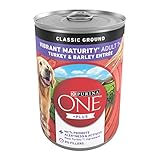
- Wet dog food with added vitamins for dogs, minerals and nutrients to support his healthy skin and coat, and includes MCTs to promote alertness and activity
- Real turkey is the number one ingredient in this high-protein senior canned dog food that helps support strong muscles
- 100 percent nutrition. 0 percent fillers. Every ingredient in this adult wet dog food for senior dogs has a purpose, such as antioxidants to help support a healthy immune system
- Soft dog food for senior dogs made by veterinarian-recommended Purina ONE
- Senior dog food is formulated with mature dogs in mind contains no poultry by-products
Record these details before you go
- Write down the last normal meal and every small amount eaten since then, including treats.
- Measure or estimate water intake and note whether urination has increased, decreased, or changed.
- List all prescription drugs, supplements, recent dose changes, and the time each was given.
- Note vomiting, diarrhea, stool color, constipation, straining, coughing, breathing changes, drooling, chewing difficulty, and possible pain.
- Tell the veterinarian about access to toxins, spoiled food, bones, toys, medications, or other objects that could be swallowed.
- Describe energy, sleep, mobility, behavior, and any recent weight or body-condition change.
- Record whether your dog approaches food but cannot pick it up, chew, or swallow.
These observations help the veterinarian distinguish true from pseudo-anorexia and decide which tests are most useful instead of treating appetite loss as a standalone disease.
What can I offer while arranging veterinary care?
AAHA and VCA list simple palatability measures: warm the food slightly, try a different highly palatable formulation, or add a small amount of moisture. Cornell notes that smell strongly influences appetite and that some older dogs accept canned food because its aroma is stronger. Offer small portions in a quiet place and remove leftovers so you can track what was actually eaten.
Do not force food or water into a painful, weak, vomiting, or swallowing-impaired dog. Ask the clinic before giving broth, supplements, a home-cooked recipe, or any human medication; ingredients and mineral levels that are safe for people can be unsuitable for a dog with kidney, liver, heart, or gastrointestinal disease. Prescription appetite stimulants such as capromorelin are veterinarian-directed and do not replace investigation of the underlying problem.
Is senior dog wet food the right solution?
Not automatically. The appropriate diet depends on body condition, ability to chew, kidney and liver status, diagnosed disease, calorie needs, and whether the dog is losing muscle or gaining fat. Canned food can be easier to smell and eat, but changing diets repeatedly can obscure the clinical picture and may be inappropriate for a dog needing a therapeutic formula.
Also popular on Amazon
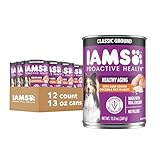
- Complete and Balanced for Senior Dogs: This senior canned dog food is a complete and balanced meal for senior dogs that is made with real chicken as the first ingredient and is formulated to be lower in fat, higher in protein, and full of fiber
- Bone and Joint Health: This IAMS dog food wet pack includes essential minerals like calcium, and natural sources of glucosamine and chondroitin for bone and joint health
- Mental and Visual Sharpness: This IAMS canned dog food recipe is made with DHA Gold for mental and visual sharpness in aging dogs
- Boost Immune Response: IAMS Healthy Aging senior dog food helps boost the immune response of older dogs to healthy adult levels
- Helping Keeping Pets Healthy for Life: With a portfolio of wet and dry food for puppies, adult dogs, and senior dogs, the IAMS dog food brand provides tailored nutrition for every pet’s unique needs at every stage of life
Joseph J. Wakshlag, Ph.D. ’05, D.V.M. ’98, professor of clinical nutrition and sports medicine and rehabilitation at Cornell, explains: “There is no true reason to feed a senior diet to our aging dog unless there are noted problems, such as lean body wasting, arthritis or obesity. These conditions all require different approaches to nutrition — so there is no one-size-fits-all for senior dogs — making this something to discuss with your veterinarian. It can be complex.”
Ask your veterinarian to set a calorie target and choose a texture and nutrient profile that fit your dog’s examination results. A temporary switch to moist food may help a dog with sore teeth, but it should not delay an oral examination.
How can I catch appetite decline earlier?
AVMA and AAHA advise senior pets to have veterinary visits twice a year or more, with age-appropriate examinations and testing such as bloodwork when indicated. Between visits, keep a simple log of meals, treats, water, weight, stool, urine, medications, and energy. Weighing the dog on a consistent schedule can reveal gradual loss that is easy to miss under a thick coat.
Bring the log and medication list to every appointment. Report a trend—smaller meals, slower chewing, more drinking, or repeated skipped meals—even if your dog appears cheerful. Early discussion allows the veterinarian to investigate dental pain, organ disease, medication effects, or nutrition needs before a crisis develops.
Also popular on Amazon

- High-quality protein to help senior dogs maintain lean muscle
- Made with purposeful, easily digestible ingredients mature dogs enjoy
- Uses a balanced set of minerals to promote a healthy heart and healthy bones in older dogs
- Made with natural ingredients with added vitamins, minerals and amino acids
- Made in the USA with global ingredients you can trust
Frequently Asked Questions
My senior dog eats treats but refuses meals. Is that still an appetite problem?
Yes. Treats do not prove that the dog is meeting calorie or nutrient needs, and selective eating can occur with dental pain, nausea, medication effects, or food aversion. Record exactly what is accepted and call your veterinarian if normal meals remain refused or any other sign appears.
Is refusing water more urgent than refusing food?
Often, yes, because reduced fluid intake can worsen dehydration and organ stress quickly. Refusal to drink, especially with vomiting, diarrhea, pain, lethargy, or weakness, warrants prompt veterinary advice rather than home monitoring.
Can stress alone make an older dog stop eating?
A move, schedule change, boarding stay, or household disruption can reduce appetite, but stress should be considered only after observing for illness and pain. If eating does not return promptly, or if drinking, energy, stool, breathing, or behavior changes, contact the veterinarian.
What should I do if my dog can lick food but cannot chew it?
That pattern is consistent with pseudo-anorexia and often points to oral or swallowing pain. Offer no hard objects or force-feeding; arrange an examination so the mouth, teeth, throat, and jaw can be assessed and a safe texture recommended.





Leave a Reply