What’s actually slowing this PC down?
Pick the symptom - the matching free tool is one click away.
A blind dog who suddenly moves differently, pants at rest, hides, cries, or resists touch may be in pain, stressed, frightened, or dealing with another illness. Blindness can make unfamiliar rooms and unexpected approaches more upsetting, but it should not be used to explain away a new symptom. Compare the change with your dog’s normal behavior, note what was happening when it appeared, and contact a veterinarian for an assessment. No single behavior can diagnose pain or anxiety.
Start with your dog’s own baseline
Dogs show discomfort in individual ways. One dog may become quiet and withdrawn; another may become clingy, restless, or irritable. Some dogs with chronic pain continue to greet family members, wag their tails, and show normal vital signs. The most useful first question is therefore not whether your dog matches a checklist, but whether something is different from that dog’s usual pattern.
As an Amazon Associate I earn from qualifying purchases.
Write down when the change began, whether it is getting worse, and what was happening immediately beforehand. A behavior that occurs only after a person approaches silently in a rearranged room has a different context from stiffness that appears every time the dog rises after sleeping. Context helps your veterinarian interpret observations, but it does not establish a diagnosis.
Signs that may suggest pain
Pain can be sudden or gradual. Chronic pain may look like a slow loss of normal activities rather than an obvious cry. Cornell and veterinary pain guidelines describe the following as possible pain-related changes; they are clues to report, not a diagnostic checklist.
#1 Best Overall

- CONFIDENCE FOR BLIND DOGS – Being blind is tough, but bumping into walls is worse. Our comfy blind dog harness helps guide your pup safely—no blind dog halo ring needed! It’s like turning your dog into a four-legged GPS (with way more cuddles). Perfect help for blind dogs finding their way indoors or outside.
- SNUG, COMFY, AND ESCAPE-PROOF – This isn’t some itchy strap that your dog will Houdini out of. With adjustable straps and a no-escape design, this dog harness fits like their favorite PJs. Great for small dog harness, medium sized dogs, and even dog harness for large dogs (aka furry tanks).
- REFLECTIVE & READY FOR NIGHT WALKS – Whether you're headed out for a midnight potty mission or a sunset stroll, the reflective trim keeps your pup visible and safe. It’s stylish blind dog accessories meets smart safety.
- EASY HANDLE = HUMAN SUPERPOWER – Got stairs? Uneven sidewalks? Surprise holes? Our top handle helps you guide, lift, and assist like a superhero sidekick. Works better than a gentle leader for dogs when your blind buddy needs support.
- GREAT FOR SERVICE & TRAINING DOGS TOO – Whether you need a service dog vest, dog training support, or just a super comfy fit for daily walks, this harness handles it all. Works for everything from a halo harness for small blind dog to a dependable no pull dog harness. One harness to rule them all!
Movement and posture changes
- Limping, stiffness, a shortened stride, or reluctance to walk
- Difficulty rising, climbing, turning, lying down, or getting comfortable
- An altered back, head, or limb position, or a tense facial expression
- Less willingness to exercise or stopping sooner than usual
- Restlessness that seems driven by an inability to settle, alternating with unusual lethargy
Watch ordinary transitions such as getting up from a bed, navigating a doorway, or turning around in a narrow space. A blind dog may hesitate because an obstacle is unfamiliar, so note whether the hesitation also occurs in a familiar, clear route or when the dog is not being asked to navigate.
Behavior, mood, and interaction
- Withdrawal, hiding, reduced interaction, or an unusual need to stay close
- Irritability, snapping, aggression, or a negative reaction to normal handling
- Vocalizing, whining, crying, or making sounds at an unusual time
- Flinching, tensing, or pulling away when a particular area is approached
- Excessive licking, rubbing, or grooming focused on one body area
A dog can be painful without vocalizing. Conversely, vocalization can result from fear or frustration. Describe the exact change and its setting rather than labeling it as proof of pain.
Changes in basic routines
- Eating or drinking less, eating more slowly, or refusing a normally valued food
- Sleeping at unusual times, waking repeatedly, or being unable to rest
- House-soiling or a change in toileting habits
- Reduced interest in play, sniffing, or other familiar activities
Physiologic signs such as faster breathing, heart rate, blood pressure, or pupil dilation can occur with pain or stress. They should not be interpreted alone, and normal vital signs do not rule out chronic pain.
Signs that may suggest stress or fear
Stress has a broad behavioral vocabulary. A dog may show only one or two cues, and the same cue can have a medical cause. Read the behavior alongside the event, environment, and your dog’s normal demeanor.
Rank #2
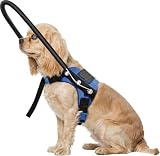
- Proper Fit Guidance: Measure your dog’s chest girth and nose distance before selecting size. Elastic rear strap offers flexible adjustment.
- Navigation Assistance Aid: Designed to help blind dogs detect obstacles earlier during everyday movement.
- Head & Face Protection: Halo structure surrounds the head area to help reduce accidental bumps into walls or furniture.
- Breathable Padded Material: Soft cushioned fabric supports comfort and helps minimize rubbing during movement.
- Secure Vest Construction: Adjustable harness design distributes pressure evenly while keeping the halo securely in place.
Body and facial cues
- Panting or faster breathing when heat and exercise do not explain it
- Trembling, rigid muscles, a lowered body, grimacing, or a tense face
- Lip or nose licking, drooling, yawning, or repeated swallowing out of context
- Freezing, scanning, hypervigilance, or turning the head or body away
Movement and coping behavior
- Pacing, circling, inability to settle, or repeated attempts to leave
- Hiding, crouching, retreating, or seeking a particular person unusually often
- Escape attempts, increased reactivity, barking, growling, or snapping
- Sudden reduction in activity that looks like a shutdown rather than restful sleep
Routine and social changes
- Changes in eating or drinking during or after a stressful event
- Loss of interest in social contact, play, or grooming, or an unusual demand for contact
- Urination or defecation in a normally reliable dog
- Changes in grooming or repetitive behaviors
If a clear stressor is present, reduce or remove it when possible and give your dog a quiet place to regroup. Frequent stress, reactions to many situations, or behavior that does not settle deserves veterinary advice so physical causes can be assessed and, when appropriate, a qualified trainer or veterinary behaviorist can be involved.
How blindness changes the picture
Vision loss can make a safe environment feel unpredictable. Moving furniture, leaving objects in a walkway, blocking a familiar route, or approaching without warning may cause a dog to bump into something or startle. A recently blind dog may therefore pace, freeze, vocalize, or cling even when no painful injury is present. The same dog can also develop an eye disease or another painful condition, so new signs should not automatically be attributed to blindness.
Make navigation more predictable
- Keep furniture, feeding stations, beds, and pathways in consistent locations where practical.
- Clear routes through rooms and use barriers to limit access to stairs, pools, and other hazards.
- Announce your presence with your voice or a consistent sound before touching the dog.
- Use tactile or scent cues and teach simple safety cues so the dog can orient without sight.
- Introduce changes gradually, supervising until the dog learns the new layout.
A blind-dog halo harness is an optional safety accessory that can help protect the face and aid navigation for some dogs. It is not a treatment for blindness, pain, or anxiety, and fit and acceptance vary; introduce any equipment gradually and stop if it increases distress.
Recommended Free Tools
Why pain and stress are difficult to separate
Panting, restlessness, withdrawal, appetite changes, anxiety, and reduced activity occur in both pain and distress. A dog can also be stressed because pain makes movement or handling frightening. Use the following framework to organize observations for your veterinarian, not to diagnose at home.
Rank #3
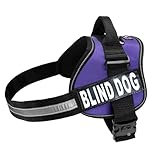
- CONFIDENCE FOR BLIND DOGS – Being blind is tough, but bumping into walls is worse. Our comfy blind dog harness helps guide your pup safely—no blind dog halo ring needed! It’s like turning your dog into a four-legged GPS (with way more cuddles). Perfect help for blind dogs finding their way indoors or outside.
- SNUG, COMFY, AND ESCAPE-PROOF – This isn’t some itchy strap that your dog will Houdini out of. With adjustable straps and a no-escape design, this dog harness fits like their favorite PJs. Great for small dog harness, medium sized dogs, and even dog harness for large dogs (aka furry tanks).
- REFLECTIVE & READY FOR NIGHT WALKS – Whether you're headed out for a midnight potty mission or a sunset stroll, the reflective trim keeps your pup visible and safe. It’s stylish blind dog accessories meets smart safety.
- EASY HANDLE = HUMAN SUPERPOWER – Got stairs? Uneven sidewalks? Surprise holes? Our top handle helps you guide, lift, and assist like a superhero sidekick. Works better than a gentle leader for dogs when your blind buddy needs support.
- GREAT FOR SERVICE & TRAINING DOGS TOO – Whether you need a service dog vest, dog training support, or just a super comfy fit for daily walks, this harness handles it all. Works for everything from a halo harness for small blind dog to a dependable no pull dog harness. One harness to rule them all!
| Observation | What it may help clarify | Important limitation |
|---|---|---|
| Timing and trigger | Whether it follows a startling event, unfamiliar space, movement, rising, eating, rest, or touch | A trigger can coexist with an underlying medical problem. |
| Mobility and posture | New stiffness, limping, difficulty rising, or a changed posture are especially important to document | Navigation hesitation can look similar in a blind dog. |
| Ability to settle | Pacing or repeated repositioning may show discomfort; freezing or hiding may show fear | Either pattern can occur for both reasons. |
| Pattern over time | Gradual, repeated, or worsening changes can reveal chronic problems | Subtle chronic pain may occur with normal greetings and vital signs. |
| Eye signs | Changes in the eye or vision can indicate an urgent ocular problem | Eye urgency applies whether or not the dog also appears anxious. |
Eye changes that need prompt veterinary care
Sudden visual impairment or a changed-looking eye should be treated as a medical problem, not watched indefinitely at home. Contact a veterinarian promptly for a red or cloudy eye, squinting or holding the eye shut, increased tearing or blinking, pawing or rubbing, a sudden change in pupil size or shape, an enlarged eye, or a noticeable change in eye color or discharge.
Cornell identifies anterior lens luxation as an emergency because the lens can move forward and rapidly raise pressure inside the eye, causing severe pain and possible loss of vision. Acute eye changes therefore warrant a clear call to a veterinary clinic; waiting to see whether anxiety cues disappear can risk delaying treatment. A dog that has recently lost vision should be examined by a veterinarian, and a veterinary ophthalmologist may be recommended.
What to do when you notice a change
- Pause and make the area safe. Remove immediate hazards, stop an activity that appears to frighten the dog, and provide a quiet, familiar resting place.
- Observe without provoking. Watch walking, rising, resting, eating, toileting, and interactions. Do not press, bend, or manipulate a suspected painful area to “test” it.
- Record the pattern. Note the date and time, location, preceding event, duration, frequency, and whether the sign is improving or worsening.
- Capture useful evidence. A short video of an unusual gait or behavior, photographs of an eye, and written notes can help because fear in a clinic may mask some pain behaviors.
- Call your veterinarian. Explain that the dog is blind, describe the baseline change, and mention any eye signs, appetite or sleep changes, mobility problems, or reactions to touch.
Do not rely on a single normal meal, greeting, or vital-sign reading to dismiss concern. A professional examination is needed to identify the cause and decide whether tests or treatment are appropriate.
Outdated Drivers Are Slowing You Down
One free scan finds every outdated or missing driver and matches the right update for your exact hardware.Free scan · exact hardware matchWindows Errors? Fix Them Before They Spread
Repair common Windows errors and clear accumulated junk for a smoother, more stable PC - no reinstall needed.Free scan · no reinstallWhen to contact a veterinarian
Arrange an appointment for new or persistent changes
Schedule veterinary care for behavior or mobility changes that are new, unexplained, recurring, worsening, or occurring in combination. Examples include several days of stiffness, reluctance to rise, repeated hiding, altered appetite or sleep, focused licking, house-soiling, or a new reaction to touch. Contact the clinic even if the dog still seems cheerful at times; intermittent or chronic pain can be subtle.
Rank #4

- Measure Before Ordering:Check chest girth and nose length to ensure the best fit. Proper sizing improves comfort and stability.
- Smart Halo Design: The innovative halo structure creates a safe buffer zone around your puppy’s head, absorbing the shock of accidental bumps and keeping fragile eyes and noses out of harm's way.
- Anti-Collision Halo Structure: The lightweight yet sturdy halo protects your dog's head from accidental bumps without interfering with daily activities. Your pet can eat, drink, play, and sleep comfortably while wearing it.
- Comfort Materials: Crafted with soft, cushioned, and breathable fabric that supports long-wear comfort while minimizing skin rubbing and chafing during continuous movement.
- Proactive Obstacle Detection: Engineered specifically to help blind or visually impaired dogs sense their surroundings earlier, giving them the confidence to navigate everyday environments safely.
Call promptly for acute eye or vision changes
Use a prompt-care threshold for sudden blindness, a red or cloudy eye, squinting, pawing, unusual tearing, an enlarged eye, or a sudden pupil change. Tell the clinic when the change began and whether it is affecting one eye or both. The urgency is driven by the eye finding itself, not by whether the dog appears calm.
Seek urgent guidance for rapidly worsening distress
Rapid deterioration, inability to settle, severe reluctance to move, repeated vocalization, or a combination of marked behavior and physical changes should be discussed with a veterinarian without waiting for a routine pattern to develop. The clinic can advise whether the dog needs immediate examination.
Independent reader supportYour contribution helps us test, update, and keep practical guides available for everyone.Prepare for a lower-stress veterinary visit
Bring your observation log, videos, and photographs. Include changes in walking, posture, rest, eating, drinking, sleep, toileting, grooming, and social interaction, as well as the situations that trigger or relieve the behavior. Tell staff before arrival that the dog is blind and explain which voice cues, handling approaches, and routes help the dog stay oriented.
The Tool Desk
Outbyte Driver Updater FREEScan for outdated or missing drivers - takes under a minuteDriver Scan →Outbyte PC Repair FREEClear out junk files and repair common Windows errorsFree Scan →Ask the team to move at the dog’s pace and reduce avoidable surprises. A calm, predictable approach can make the examination safer and may reveal behaviors that fear would otherwise conceal. The veterinarian will combine your history with a physical and, when indicated, eye examination and diagnostic tests.
Best Value

- Custom Fit Sizing: Designed with multiple size options to ensure a comfortable and secure fit for dogs of different breeds.XXS for 13"-19",XS for 18"-22",S for 22"-26"
- Impact Prevention Halo: The halo ring gently contacts obstacles first, guiding dogs away from hazards.
- All-Day Comfort: Lightweight and soft materials allow long-time wear without irritation or pressure.
- Secure Vest Harness: Dual-buckle vest evenly distributes pressure and keeps the halo stable during movement.
- Daily Safety Support: Reduces risk of injury by guiding dogs safely around furniture and obstacles.
Daily habits that reduce avoidable stress
Consistency is the most useful environmental support for a blind dog. Keep routines for meals, walks, rest, and handling as regular as possible. Check pathways at the dog’s level, secure doors and gates, and supervise near stairs or water. Use verbal announcements before touching the dog, especially when it is sleeping. If visitors or household changes are unavoidable, give the dog a familiar retreat and introduce new sounds and scents gradually.
These adjustments can reduce startle-related distress, but they do not replace medical evaluation. A blind dog that remains fearful in a stable environment, develops new mobility problems, or shows any eye change still needs veterinary assessment.
Bottom line
The reliable warning sign is a meaningful change from your blind dog’s normal behavior, especially when it affects movement, rest, appetite, interaction, or the eyes. Pain and stress overlap, and blindness can add navigation-related fear, so use context and a written record rather than trying to diagnose from one cue. Make the environment predictable, avoid provoking a painful area, and involve a veterinarian for any new, persistent, worsening, or unexplained change—urgently for sudden eye or vision problems.
Quick wins for a faster PC:
Repair Windows errors before they cause bigger problemsFix Now →Scan for outdated or missing drivers - takes under a minuteDriver Scan →Clear out junk files and repair common Windows errorsFree Scan →Quick Recap
Product prices and availability are accurate as of the date/time indicated and are subject to change. Any price and availability information displayed on Amazon at the time of purchase will apply.




