Quick wins for a faster PC:
Fix the driver behind crashes, sound loss and screen glitchesFind Drivers →Repair Windows errors before they cause bigger problemsFix Now →Scan for outdated or missing drivers - takes under a minuteDriver Scan →You usually cannot tell whether a puppy is “stray” or lost by looking at it. A puppy wandering alone may have slipped away from its owner, so treat it as potentially lost until identification and local reporting establish more. Put safety first, check identification only when it is safe, arrange a microchip scan, and contact the animal-control agency or shelter serving the place where you found the puppy.
The short answer: appearance does not establish ownership
“Stray” commonly describes a dog found loose or without an immediately identifiable handler. It does not prove that the dog has no home. The RSPCA notes that a loose dog may have wandered away from its owner, and Orange County Animal Care explicitly advises people not to assume that a stray animal has been abandoned. A dirty coat, fearful behavior, apparent breed, friendliness, or a missing collar can tell you something about the puppy’s condition at that moment, but none is a reliable ownership test.
As an Amazon Associate I earn from qualifying purchases.
The useful distinction is between what you can observe and what can verify ownership. A tag, license record, microchip, an owner’s matching report, and the procedures of the local shelter or animal-control agency provide stronger evidence than appearance. Because reporting, intake, stray-hold, and pickup rules differ by jurisdiction, contact the agency serving the location where you found the puppy rather than relying on a nationwide rule.
Free tools Windows power users keep installed
One-click scans. No signup required.
What the puppy’s situation may—and may not—tell you
| What you observe | It may suggest | It cannot prove | Most useful next step |
|---|---|---|---|
| The puppy is alone or wandering | It may need immediate protection | That it was abandoned or has no owner | Assess danger, contain it only if safe, and report it locally. |
| A collar, tag, or license is present | There may be a phone number, license record, or other traceable lead | That the listed person is reachable, that the puppy is not already reported missing, or that no agency report is needed | Use the information if safe and file a found-animal report. |
| No visible tag | No immediate contact information is available | That the puppy has no owner | Ask a shelter, animal-control agency, or veterinary clinic for a microchip scan and notify local agencies. |
| The puppy looks dirty, thin, injured, sick, or frightened | It may be stressed or need professional care | How long it has been missing, whether it was abandoned, or who owns it | Avoid diagnosing it; contact animal services or a veterinarian for instructions. |
Step 1: Make safety the first decision
Move a puppy from immediate danger only when you can do so safely
If the puppy is in traffic or another immediate hazard and you can move it without entering danger, use a calm, low-risk method to get it to a secure area. American Humane lists a leash, fenced area, or carrier as possible containment options when the animal can be approached safely. Do not step into traffic, climb into an unsafe space, or place yourself between a frightened dog and an escape route.
#1 Best Overall

- Engineered for Ultimate Strength: Constructed from 1/2 inch diameter rock climbing rope, this heavy duty dog leash is distinctively durable and strong. It is designed to withstand the strongest pulls from large and energetic dogs, giving you peace of mind that your pup won't break free during walks
- Comfortable Padded Handle: Say goodbye to rope burn. Our soft, cushioned foam handle provides an amazing grip and protects your hands from sudden tugs. Enjoy longer walks and extended training sessions with total comfort, even if your dog is a puller
- Maximum Nighttime Visibility: Highly reflective threads are woven through the entire length of the rope (not just painted on), keeping you and your fur baby visible to passing cars and cyclists during early morning jogs or late-night strolls. Perfect for urban streets and low-light environments
- Tangle-Free 360° Swivel: Featuring a heavy-duty metal clasp that rotates 360 degrees, this ensures the rope never gets twisted or tangled, no matter how much your dog moves around. The zinc alloy hook is rust-proof and easy to clip onto any dog collar or harness in seconds
- Versatile for Any Activity: Park walks, trail hikes, or yard training. Offers ideal balance of freedom and control. Comes in 4ft, 5ft, 6ft lengths and 12 colors. 3/8" diameter suits small to medium dogs – lightweight and non-bulky. For medium and large dogs, choose 1/2" diameter
Pause before pursuing. Chasing can make a puppy run farther, into traffic, or toward another hazard. A calm puppy that permits approach may be guided into a fenced area or carrier. A leash can help contain a cooperative puppy, but having a leash is not a reason to grab, corner, or restrain an animal that is resisting.
Do not attempt an unsafe capture
Back away and call the appropriate local animal-control service or police if the puppy is aggressive, panicked, inaccessible, or behaving in a way that makes approach unsafe. American Humane’s guidance is clear that a finder should not put personal safety at risk. Keep other people and animals away from the area while you wait for trained help, if you can do that without further approaching the puppy.
Get professional instructions for illness or injury
If the puppy appears injured or sick, contact local animal control, an emergency animal service, or a veterinarian for direction. The sources reviewed do not establish a universal set of puppy-specific triage signs, so do not attempt to diagnose the animal or decide that a serious condition can wait based only on appearance. Minneapolis guidance, for example, directs residents to call 311 for sick or injured animals; 311 is a local number, not a national contact.
Do not give medication or make treatment decisions without veterinary advice. Tell the service what you can observe—such as where the puppy is, whether it can walk, and whether it can be approached—so it can decide whether to send help or direct you to a facility.
Step 2: Check identification, but only after the puppy is safe
Read a collar, tag, or license
Once the puppy is calm and safely contained, look for a collar, identification tag, license tag, or number written on the collar. Municipal found-pet guidance recommends checking visible identification, using the information to contact the guardian when possible, and reporting the animal as found. A tag can produce an immediate lead, but it does not replace a local found-animal report: the phone number may be outdated, the puppy may already be listed as missing, or the listed person may not answer.
Rank #2

- 【Professional Retractable Dog Leash】 The ultimate combination: 16 ft strong nylon reflective tape, impact-resistant ABS housing, and a stainless steel anti-chew cable. This design greatly reduces the risk of being bitten through, extending the leash’s lifespan. Augwind’s retractable leash is specifically designed for small to medium dogs under 50 lbs, offering the best value on the market
- 【Safe & Effective】16 ft Strong Reflective nylon webbing; Over 100,000 retraction times; Max anti-jerk tensile strength: 350 lbs; . Whether day or night, on the street or lawn, the Augwind retractable leash makes every walk safe and easy
- 【Quick Lock System】 Operate the pause, lock, and unlock buttons with a single thumb. Enjoy smooth braking and instant response. The Augwind retractable dog leash ensures the safety of both you and your pet on every outing
- 【2026 Equipment Upgrades】1. Reflective webbing 2. Chrome-plated, rust-proof 360° rotating clasp 3. Ergonomic soft silicone handle 4. Reserved slot for poop bag holder 5. Stainless steel anti-chew cable
- 【2-Year Warranty】 We are a professional pet products company committed to bringing the safest, most practical, and affordable pet products to pets and their owners. We promise to solve any quality issues within 2 years. We provide 24/7 after-sales service. If you have any questions, please feel free to contact us
Do not pull at a collar or reach near the puppy’s mouth to read a tag if the animal is tense. Ask animal-control staff or another qualified professional to help if you cannot inspect the identification without a struggle.
Arrange a microchip scan when no tag leads to the owner
A shelter, animal-control agency, or veterinary clinic can routinely scan a found animal for a microchip. The American Veterinary Medical Association explains that a microchip is a small electronic identifier that transmits a unique number when scanned. It is not a GPS tracker and cannot show the puppy’s current location.
The Tool Desk
Outbyte PC Repair FREERepair Windows errors before they cause bigger problemsFix Now →Outbyte Driver Updater FREEFix the driver behind crashes, sound loss and screen glitchesFind Drivers →The scanner’s number is used to look up a registry record, which may allow the registry or authorized organization to contact the owner using the details on file. The United States does not have one single centralized microchip registry, and a chip-based reunion depends on the registration being present and current. A negative result, an unreadable chip, or missing contact details therefore does not prove that the puppy has no owner.
Identification works best in layers. The ASPCA recommends combining an implanted microchip with a collar and personalized tag: a finder can read the tag immediately, while a chip can still help if the collar is lost.
Step 3: Report the puppy to the agency for the place where you found it
Call before deciding whether to transport or hold the puppy
Contact the local shelter or animal-control agency and explain that you found a puppy. The ASPCA’s found-pet guidance directs finders to contact the local shelter, while municipal guidance emphasizes following the instructions of the agency serving that jurisdiction. Ask specifically:
Rank #3
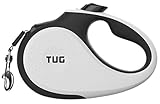
- Small Retractable Dog Leash is Suitable for Dogs Under 35 lbs; Medium For Dogs Under 55 lbs; Large For Dogs Under 110 lbs; Retractable Leashes Not Suitable For Chewing
- 16 ft Tape Retractable Dog Leash With Easy-Adjust Retraction; 360 Degree Tangle-Free Inlet
- Quick Lock And Unlock Feature - Easy Roll-On and Roll-Off With Your Thumb
- Super Comfortable Grip For Those Long Walks! Ergonomic Anti-Slip Handle
- Heavy Duty Internal Coil For Consistent Retraction and Recoil
- Does the agency want you to bring the puppy in, or will it arrange pickup?
- Can a staff member scan for a microchip?
- May you hold the puppy temporarily, and what conditions apply?
- Where should you file the found-animal report?
- What should you do if the puppy is sick, injured, aggressive, or cannot be safely transported?
Do not assume that a shelter in a neighboring city follows the same intake policy. The correct agency is generally the one responsible for the location where the puppy was found, and its instructions may depend on local capacity, stray-hold rules, and whether the animal is injured.
Use local lost-and-found channels as an additional route
Ask the agency which local lost-pet listings it recognizes and search those listings for a matching report. Minneapolis Animal Care and Control, for example, recommends local reporting and Petco Love Lost as an additional channel. That example is not a universal replacement for contacting the responsible agency, and the usefulness of any listing service depends on the area it covers.
When posting or speaking about the puppy, give the exact found location, date and approximate time, and a factual description. Avoid publishing every distinctive detail if you expect people to claim the puppy; retaining one or two identifying details can help an agency or finder evaluate a claimant’s account.
Step 4: Handle owner claims responsibly
If someone contacts you claiming the puppy, ask them to describe distinguishing features or provide information that connects them to the animal before arranging a handoff. Examples might include details about markings, a collar, the puppy’s name, or veterinary records, but no single nationwide proof-of-ownership procedure is established by the sources reviewed.
Keep the local shelter or animal-control agency involved whenever anything is uncertain, the claimant’s story changes, or the puppy’s identification does not match. Follow the agency’s process rather than handing the puppy to the first person who responds to an online post. If the puppy has a microchip or license record, let the authorized organization use that record to help resolve the claim.
Rank #4

- ENHANCED NIGHT VISIBILITY: Keep your dog safe during early morning or evening walks. The upgraded double-sided reflective stitching catches streetlights and car headlights brightly, ensuring you both remain highly visible to traffic in low-light conditions
- CUSHIONED ANTI-BURN HANDLE: A savior for hands when walking active dogs that pull. The soft, thick interior padding prevents painful rope burn and strain, providing a secure, comfortable grip for better control when your furry friend lunges. Includes a sturdy metal D-ring for clipping poop bag dispensers
- PERFECT 6FT BALANCE: The ideal length for urban walks, offering your dog enough freedom to sniff around while keeping them close enough for easy command in busy areas. Choose the 3/4'' width for small breeds, or the robust 1.0'' width for powerful medium to large dogs
- HEAVY-DUTY TANGLE-FREE CLASP: Features a strong metal spinning snap that allows 360° movement, preventing frustrating leash tangles so your dog can move freely around you. Built with high-density nylon webbing for reliable daily strength. NOTE: While tough for pulling, this nylon material is NOT chew-proof. Don't leave unattended with chewers
- COMPLETE THE LOOK: Available in vibrant colors tailored to match your dog's style. For the ultimate coordinated walking set, pair this leash with our matching Joytale reflective nylon collar
Should you take a found puppy to a shelter?
Sometimes the answer is yes, sometimes the agency will arrange pickup, and sometimes it will instruct a finder to hold the puppy temporarily. There is no single rule that applies to every city, county, or country. Call the local shelter or animal-control service first and follow its instructions.
Transport only when the puppy can be moved safely and the receiving facility has confirmed that it can accept the animal. Use a secure carrier or another containment method recommended by the agency. If the puppy is aggressive, panicked, injured, or inaccessible, tell the agency instead of attempting transport yourself.
Local reporting also matters when you intend to keep the puppy temporarily. An official found report creates a route for an owner to be located and helps the agency apply any required holding or notification rules. Holding an animal privately without notifying the responsible authority can delay reunification and may conflict with local requirements.
Independent reader supportYour contribution helps us test, update, and keep practical guides available for everyone.Why common “lost versus stray” clues fail
A dirty or thin puppy
Poor coat condition or a thin appearance may indicate stress or a need for care, but it does not reveal how long the puppy has been away, whether someone is searching, or whether the animal was abandoned. Report the condition to animal services or a veterinarian rather than using it as an ownership verdict.
Do these 3 things before closing this tab:
1Fix the driver behind crashes, sound loss and screen glitches2Clear out junk files and repair common Windows errors3Scan for outdated or missing drivers - takes under a minuteA friendly puppy
Approachability does not prove that a puppy is ownerless. A social dog may have wandered from a home, and a fearful dog may still have an owner. Use behavior to decide how cautiously to approach, not to decide who owns the animal.
Best Value

- Upgrade: The product has been modified to use nylon thread directly sewing, very strong.All handles was sewn onto the leash instead of the cord ties.Package includes: frosted zipper bag,two handles dog leash.
- MAXIMUM TOUGHNESS AND DURABILITY: Nearly 2X thicker and stronger than standard dog leashes. 3mm thick and 1” wide with tightly webbed nylon for enhanced rugged construction.
- DUAL HANDLES FOR TOTAL CONTROL: Soft Neoprene and padded handle, comfortable than ever ;Equipped with an extra traffic handle for amazing control. Use the standard handle for those casual dog walks or quickly grab the built in traffic handle to guide your pup through crowded areas with ease.
- 360° Rotating Clasp: Swivel clasp prevents the leash from twisting and dog getting tangled. Heavy-duty metal clasp makes our training leashes last longer than most ones. Premium components for maximum strength
- BE SAFE AND VISIBLE AT NIGHT: Luminous reflective threading keeps you both safe and visible on your late-evening walks. Enjoy a large 2” heavy duty clip for added safety and thick D-ring to attach your favorite dog training clicker or dog poop bag holder.Packaging details:Frosted zipper bag,Dog leash with D ring
No collar or tag
Collars can come off, tags can be unreadable, and contact information can be out of date. No visible identification means that you need another identification route—usually a microchip scan and a local found report—not that the puppy has no home.
Breed, size, or apparent age
These characteristics can help describe the puppy in a report but cannot distinguish a lost animal from an abandoned one. Use objective details such as color, markings, sex if known, approximate size, and location while leaving ownership questions to identification and agency procedures.
A practical decision path
- Can you approach without danger? If no, keep your distance and call animal control or police. If yes, continue.
- Is the puppy in immediate danger? If you can move it without risking yourself, guide it to safe containment. If not, report the hazard and wait for trained help.
- Is there visible identification? Read a tag or license only when the puppy is calm and safe, then contact the listed number or agency.
- Is there no useful visible identification? Ask a shelter, animal-control agency, or veterinary clinic to scan for a microchip.
- Has the found animal been reported? Contact the agency for the place where you found the puppy and follow its instructions about pickup, transport, temporary holding, and stray-hold procedures.
- Does someone claim the puppy? Ask for matching details or documentation and keep the official agency involved when ownership is uncertain.
What to avoid
- Do not label the puppy abandoned solely because it is alone, dirty, friendly, fearful, or uncollared.
- Do not chase, corner, or grab a puppy that is panicked, aggressive, or trying to escape.
- Do not enter traffic or another hazardous area to make a capture.
- Do not give medication or make a medical diagnosis without veterinary guidance.
- Do not treat a microchip as GPS; it supplies an identification number that depends on registry records and current contact details.
- Do not assume that a shelter’s intake policy, emergency number, or stray-hold period applies outside its jurisdiction.
- Do not return the puppy to an online claimant without checking distinguishing information or involving the responsible agency when the claim is uncertain.
Where the guidance comes from—and where it varies
The core steps are consistent across the cited animal-welfare and veterinary guidance: protect yourself, check identification when safe, obtain a microchip scan, and contact the local authority. The ASPCA explains found-pet reporting at Finding a Lost Pet. Microchip operation and limitations are detailed by the American Veterinary Medical Association in Microchipping: FAQs for pet owners. American Humane provides approach and containment precautions in If You Find a Lost Pet.
What’s actually slowing this PC down?
Pick the symptom - the matching free tool is one click away.
For examples of local procedures, Nashville’s Guidelines for Found Pets describes identification checks and reporting, while the RSPCA’s Found a Lost or Stray Dog? reinforces that a loose dog may have wandered from an owner. The ASPCA’s Position Statement on Pet Identification explains why tags and microchips complement each other. Orange County Animal Care states the central caution plainly in When a Lost Pet is Found: “Don’t assume a stray dog or cat has been abandoned.”
These sources are mainly U.S. guidance, with the RSPCA providing a UK perspective on the same lost-dog principle. Phone numbers, legal definitions, shelter capacity, reporting channels, and holding requirements remain local. Always use the contact details and instructions of the agency responsible for the place where you found the puppy.
Quick Recap
Product prices and availability are accurate as of the date/time indicated and are subject to change. Any price and availability information displayed on Amazon at the time of purchase will apply.




