Recommended Free Tools
Sweat bees are a diverse group of usually small bees in the family Halictidae. They may land on people because they are attracted to salt in perspiration, and many nest in soil, but their appearance and nesting habits vary. If you confirm they are ground-nesting bees, reduce conflict with cultural measures such as dense ground cover, watering the soil during nest-building, or temporarily keeping people away from a large aggregation; avoid routine insecticide use.
Sweat bees are generally docile and beneficial pollinators, but can sting if touched, crushed, or disturbed. A ground-nesting yellowjacket colony is a different and more defensive situation, so identify the insects before acting. Anyone with a history of serious insect-sting allergy should avoid the area and seek medical advice about their emergency plan.
What are sweat bees?
Sweat bee is a common name for multiple species in the bee family Halictidae, not one species. Many are small and metallic green, but size and color vary. They may be dark or metallic green, and some have black-and-yellow abdominal stripes. Many nest in soil, while some use rotting logs or other sites. Their social behavior also varies: some are solitary, while others are communal or semi-social.
Sweat bees are named for their attraction to perspiration, particularly its salt. They also visit flowers for nectar and pollen. Virginia Cooperative Extension, the University of Wisconsin–Madison, and University of Illinois Extension provide overviews of their appearance, behavior, and pollination value in their halictid field guide and UF/IFAS species profile. Research hosted by Utah State University also examined bees’ attraction to sodium chloride.
PC Slower Than It Used to Be?
A free scan shows the junk files, broken settings and background clutter dragging Windows down - then fixes them in one click.Free scan · Windows 10 & 11Outdated Drivers Are Slowing You Down
One free scan finds every outdated or missing driver and matches the right update for your exact hardware.Free scan · exact hardware match#1 Best Overall
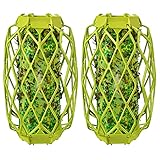
- Eliminate Wasps – VisiLure Traps lure wasps, red wasps, mud daubers, and carpenter bees with appealing colors and a multi-dimensional pattern. Once attracted, they become stuck to the sticky surface and expire.
- Choose VisiLure – The VisiLure TrapStik for Wasps lures insects without odors, chemicals, or wasp sprays. It catches queens and workers, from spring through fall.
- Thoughtful Design – Unique Glue Guards create a barrier around the sticky trap surface to reduce the chances of non-insect catches.
- Prevent Damage – Mud daubers (mud wasps, dirt daubers) and carpenter bees can cause serious property damage. The VisiLure TrapStik can stop this before it starts, without the use of potentially harmful sprays or chemicals.
- Made in the USA – At RESCUE!, our goal is to design, manufacture, and market the safest and most effective pest control solutions available for homeowners. We are proud to manufacture our products in the USA!
Sweat bees are beneficial pollinators. Adults visit flowers for nectar and pollen, and many species contribute to pollination. If bees are in a low-traffic part of the yard and are not creating a safety conflict, leaving them undisturbed is a reasonable option.
How to identify a sweat bee
Observe from a safe distance or take a photograph rather than trying to catch or handle an insect. Metallic green coloring is common among some sweat bees, but color alone cannot confirm identification. Sweat bees can also be dark, red, or yellow-marked.
Many sweat bees nest in soil, but some use rotting wood. A ground-nesting bee may use individual openings or nest tubes, sometimes in an aggregation. A social yellowjacket colony typically uses a shared entrance. This is a useful field clue, not a substitute for expert identification if the situation is unclear. The Oklahoma State University overview of bees and wasps and the NC State Extension guide to bees in turf explain why the phrase ground bee is not a precise identification.
Ground bee describes a nesting location, not a single kind of insect. It may refer to sweat bees or other ground-nesting bees, and people can also mistake yellowjackets for ground-nesting bees. If many insects appear to defend one entrance, do not assume they are sweat bees; keep away and seek local extension or qualified pest-management advice.
Sweat bee vs. hover fly vs. yellowjacket
Some insects can be mistaken for one another, especially when moving. Hover flies are flies, not bees, while yellowjackets are wasps. The table gives general clues, but observation from a safe distance or a clear photograph is better than handling an insect.
| Feature | Sweat bee | Hover fly | Yellowjacket |
|---|---|---|---|
| What it is | Bee in the family Halictidae | Fly, often with bee-like markings | Wasp |
| Appearance | Often small and metallic green; some are dark or have abdominal stripes | Often bee-like in appearance | Often has a sharp yellow-and-black pattern |
| Nest clue | Many nest in soil, sometimes using individual openings; some use other sites | Does not make a bee nest | A social colony typically uses a shared entrance |
| Risk | Generally docile, but can sting if touched, crushed, or disturbed | Cannot sting | May defensively protect a colony; do not approach an uncertain nest |
The wing-count test can be difficult in the field. Do not handle an insect or approach a nest to identify it. The University of Illinois hover-fly guide and Purdue Extension comparison show practical differences between hover flies and stinging bees.
Why do sweat bees land on people?
Sweat bees are attracted to perspiration, particularly its salt. A bee landing on skin is foraging, not necessarily becoming aggressive. Sweat bees also forage on flowers for nectar and pollen.
The safest response is to avoid crushing or disturbing the bee. A bee may sting if touched, crushed, or disturbed, so do not swat at or handle it.
Are sweat bees dangerous?
Sweat bees are generally docile and their stings are described as mild in the cited extension guidance. They can sting if touched or disturbed, however, and that risk is different from the danger posed by a defensive yellowjacket colony.
Rank #2

- QUICK-DROWN FORMULA: Designed to keep insects submerged for quick drowning.
- QUICK & EASY SETUP: No tools are needed to complete the setup.
- FAST ACTING: Starts working immediately with no activation time. Most effective time to use trap is June – October.
- LOW ODOR: Lure is made with simple food ingredients.
- REUSABLE TRAP: Empty trap after 3-4 weeks or when 2/3 full of insects. Refills available for purchase separately.
Do not assume an insect is harmless based only on its size or color. If insects are defending a shared entrance, or if you cannot confidently identify them, keep people and pets away and seek local advice. See the American College of Allergy, Asthma & Immunology guidance on insect-sting allergies for information about sting allergies.
What to do when a sweat bee lands on you
- Stay calm and avoid swatting. Do not crush or squeeze the bee.
- Gently brush it away without grabbing or handling it.
- Move away from the area if bees are repeatedly landing on you.
- Cover exposed skin with clothing if you need to continue outdoor activity.
If a bee lands on a dog or cat, calmly move the pet away and avoid swatting at the animal or picking up the insect with bare fingers. Keep pets from digging or nosing around active nest entrances. Ask a veterinarian before applying products or giving medication to a pet.
How to keep sweat bees from landing on you
If the main problem is contact with people rather than a nest, focus on avoiding the active area and reducing exposed skin:
Free tools Windows power users keep installed
One-click scans. No signup required.
- Wear lightweight clothing that covers more skin during outdoor work.
- Move seating, play, and pet activity away from active nest entrances and flowering patches with frequent bee activity.
- Keep people and pets away from a large aggregation while it is active.
- Choose another location for activities that repeatedly bring you into contact with bees.
What about citronella, peppermint oil, vinegar, or other scents?
Commercial pest-control advice sometimes suggests household scents or mixtures, but the supplied research does not establish reliable sweat-bee-specific efficacy for these methods. Do not treat them as proven repellents or apply household mixtures to people, plants, or pets based on an unsupported claim.
Plant-based repellents studied for mosquitoes are not automatically effective against sweat bees; the CDC discussion of plant-based repellents, for example, concerns mosquito protection rather than sweat-bee control.
How to discourage sweat bees from nesting in a yard
For confirmed ground-nesting bees, focus on the specific place where activity conflicts with people or pets. If the site is low-traffic, leaving the bees undisturbed can preserve pollinator habitat. If an aggregation is in a high-traffic area, temporarily keep people away and consider cultural changes to make the bare soil less suitable.
1. Identify and keep people away from the active area
Observe from a distance. Look for individual soil openings rather than assuming every ground nest is a sweat bee nest. A shared entrance used by many insects may indicate a social yellowjacket colony. Keep children and pets away while you assess the site. Temporarily rope off or otherwise cordon off an aggregation if people must pass nearby.
2. Make a nuisance patch less suitable
For confirmed ground-nesting bees, extension guidance supports cultural measures such as:
- Establish dense turf where the site is suitable for a lawn.
- Use ground cover or heavy mulch where turf will not grow.
- Water or irrigate the soil during nest-building to discourage ground-nesting activity. Water the soil as a cultural deterrent; do not promise that it will eradicate bees.
- Keep people away temporarily from a large aggregation until activity subsides. Ask Extension relays a four-to-six-week avoidance example from Michigan State University Extension; that timing is not a universal schedule for every species or region.
- Renovate bare soil after activity subsides with turf or another appropriate cover.
These measures are intended to reduce conflict at a particular spot, not to eliminate pollinators from the whole yard. The UGA Extension recommendations, UNH Extension guidance, and NC State Extension overview discuss cultural and habitat-based management.
Rank #3

- SAFE & NON-TOXIC WASP TRAP - This bee wasp trap catcher is designed to help attract and capture wasps, yellow jackets, flies and other flying insects in a safe and non-toxic way. Simply add natural bait to draw insects into the trap—no chemical pesticides or harsh agents involved. The durable design makes it suitable for use in gardens, patios and backyard spaces from spring through fall.
- EASY TO USE & REUSABLE DESIGN - The outdoor wasp traps are easy to set up—just add natural non-toxic bait (such as sugar water, apple juice or jam) to the yellow jacket trap and hang it at a suitable distance from your home where insect activity is present. The sealed bottom helps prevent leakage. Made from durable materials, the trap can be reused multiple times—simply empty when full, rinse with warm soapy water and refill.
- GREEN & DURABLE MATERIAL TRAP - Made of sturdy ABS material, this wasp trap is rain-resistant, sun-resistant and corrosion-resistant, suitable for various outdoor conditions including heat, rain and humidity. Designed for physical trapping use only, it works with natural bait and contains no chemical preparations. Secure it easily to branches or hooks with the included nylon cord.
- EFFECTIVE & NEW DESIGN WASP TRAPS - The wasp trap features 8 entrances to increase the opportunity for insects to enter from multiple directions. The funnel-style structure allows insects to enter easily while making exit difficult once inside. Multiple small ventilation holes help disperse the scent of bait to better attract wasps, yellow jackets and hornets.
- HANG WASP CATCHER WHERE YOU WANT - Suitable for gardens, farms, orchards, camping areas, vegetable gardens, patios and more. Each hanging yellow jacket trap includes an 18" nylon cord for convenient outdoor placement. Hang it where insect activity is observed for best results. If you have any questions about your wasp trap, our team is always here to help.
3. Preserve a lower-conflict pollinator area
Dense turf, mulch, and ground cover can make a particular patch less suitable for ground nesting, but may also reduce nesting habitat there. If you want to support pollinators, preserve a separate low-traffic area with suitable flowers or undisturbed ground. The University of Minnesota guide to pollinator nests and Penn State’s native-bee guidance discuss pollinator habitat.
Should you fill sweat-bee holes?
Do not immediately plug, flood, dig up, or repeatedly disturb active holes. The reviewed guidance favors keeping people away during activity and using cultural measures rather than disturbing active nests.
If the nest creates an unavoidable safety conflict, keep people and pets away first and ask a local extension office or qualified pest professional for identification and advice. Once activity subsides, consider renovating bare soil with turf or another appropriate cover. The Ask Extension discussion of active ground nests addresses this issue.
Should you use pesticides?
For a normal ground-nesting bee aggregation, routine insecticide use is not recommended by the reviewed guidance. Identify the insect first: a yellowjacket colony can require a different response from a ground-nesting bee aggregation. Cultural measures and temporary exclusion are the supported approaches for confirmed ground-nesting bees.
Do not pour gasoline, bleach, solvents, household cleaners, or other unregistered substances into a nest. If a defensive wasp nest or an unavoidable safety hazard is suspected, keep away and seek local extension or qualified pest-management advice rather than improvising treatment. The EPA explanation of pesticide labels and its pollinator-protection practices explain pesticide label and pollinator considerations.
When to call a professional
Seek local extension or qualified pest-management advice when:
Quick wins for a faster PC:
Scan for outdated or missing drivers - takes under a minuteDriver Scan →Repair Windows errors before they cause bigger problemsFix Now →- Many insects are defending a shared entrance or you suspect a yellowjacket colony.
- You cannot confidently distinguish a ground-nesting bee from a defensive wasp.
- The nest or aggregation is in an unavoidable high-traffic area.
- Someone in the household has a history of serious insect-sting allergy.
- You need help identifying the insect before deciding how to manage the site.
Ask for identification and localized advice rather than assuming the whole yard needs treatment. Ask Extension directs readers with identification questions toward extension diagnostics; service availability varies by location.
Independent reader supportYour contribution helps us test, update, and keep practical guides available for everyone.What to do if you are stung
For a mild, localized reaction
- Move away from the insects so you are not stung again.
- If a stinger is visibly present, remove it promptly without squeezing the area.
- Wash the area with soap and water.
- Use a cold pack for comfort.
- Follow medical advice if symptoms worsen or you are unsure what treatment is appropriate.
Not every bee sting leaves a visible stinger. Do not dig into the skin looking for one. The Mayo Clinic first-aid guidance covers basic care and warning signs.
Sting emergency
Seek emergency help for signs of a serious allergic reaction, such as trouble breathing, swelling of the tongue or throat, widespread hives, dizziness, or fainting. Anyone with a prescribed epinephrine auto-injector should follow their emergency plan and seek emergency medical care.
Rank #4

- Effective Wasp Hornet Bee trap with Instant Flying Insect Capture – Our Lighted Attraction Technology outdoor wasp hornet trap efficiently hunts and traps wasps, hornets, bees, and all annoying flying insects, keeping your outdoor space free from unwanted flying.
- Solar Powered Design with 24/7 Lighted Attraction – This wasp trap requires no extra batteries, saving energy while providing non-stop wasp attraction day and night. The solar powered wasp trap charges automatically in sunlight, ensuring the built-in light stays on to draw in flies whenever they’re active.
- Weatherproof Outdoor Construction & Durable Hanging Design – Made with heavy-duty trap material, our wasp traps outdoor hanging is waterproof, windproof, and UV resistant, standing up to all outdoor weather conditions. It features tool-free easy installation, allowing you to hang it anywhere outdoors in seconds without hassle.
- 4 Pack Wasp Trap Value Set for Multi-Scene Outdoor Use – Get maximum wasp protection with 4 traps in one set, perfect for covering your entire property. Ideal for backyard, garden, patio, camping, deck, porch, and all outside areas, this set ensures every corner of your outdoor space is protected from wasps and hornets.
- Efficient Dual-Tunnel wasp traps outdoor: Dual-entry design boosts capture rate. Sugar water and light attract wasps, keeping them inside. The bee traps for outside is great for BBQs, picnics, birthdays, and outdoor events. Durable build for long-term outdoor use
If a dog or cat is stung
Move the pet away from the nest. Contact a veterinarian for significant swelling, multiple stings, marked pain, vomiting, weakness, collapse, or breathing changes. Ask a veterinarian before giving a pet medication.
Do these 3 things before closing this tab:
1Clear out junk files and repair common Windows errors2Scan for outdated or missing drivers - takes under a minute3Repair Windows errors before they cause bigger problemsA practical sweat-bee decision tree
- Are the insects small or metallic and visiting flowers or individual soil openings? A sweat bee or another ground-nesting bee is possible. Observe without disturbing it.
- Are many insects using or defending one shared entrance? Do not assume they are sweat bees. Leave the area and seek local identification advice.
- Are bees landing on you? Avoid swatting, gently brush one away, cover exposed skin, and move from the area if needed.
- Is a confirmed ground-nesting bee aggregation in a high-traffic area? Keep people and pets away; consider cultural changes such as dense cover or watering soil during nest-building.
- Is the identification uncertain or the safety conflict unavoidable? Contact a local extension office or qualified pest-management professional.
Common mistakes to avoid
- Assuming every ground-nesting insect is a sweat bee.
- Assuming metallic color alone confirms a sweat bee.
- Swatting at or handling a bee.
- Disturbing active nest holes before identifying the insects.
- Using household scents or mixtures as if they were proven sweat-bee repellents.
- Routinely spraying a localized ground-nesting bee problem instead of using cultural measures.
- Removing all potential pollinator habitat when only one high-traffic patch needs management.
Activity timing varies with species and region. The four-to-six-week avoidance example relayed by Ask Extension comes from Michigan State University Extension and should not be treated as a universal schedule.
FAQ
Are sweat bees dangerous?
They are generally docile and usually pose little risk when left undisturbed, but can sting if touched, crushed, or disturbed. Do not approach an uncertain nest.
Why do sweat bees land on me?
They are attracted to perspiration, particularly its salt. They also visit flowers for nectar and pollen.
Do sweat bees live in hives?
They do not all share one nesting pattern. Many nest in soil, some use rotting logs, and species may be solitary, communal, or semi-social.
The Tool Desk
Outbyte Driver Updater FREEFix the driver behind crashes, sound loss and screen glitchesFind Drivers →Outbyte PC Repair FREEClear out junk files and repair common Windows errorsFree Scan →How can I tell sweat bees from yellowjackets?
Appearance alone may not settle identification. Individual soil openings can be a clue to ground-nesting bees, while a social yellowjacket colony typically uses a shared entrance. If many insects defend one entrance, keep away and seek expert identification.
Will watering the soil get rid of sweat bees?
Watering soil during nest-building is a cultural deterrent recommended for ground-nesting bees, but it is not a guarantee of eradication. Follow local conditions and keep people away while the aggregation is active.
Do peppermint oil, vinegar, or citronella repel sweat bees?
The supplied research does not establish reliable sweat-bee-specific evidence for these methods. Do not treat them as proven repellents.
Should I fill sweat-bee holes?
Do not immediately plug, flood, or dig up active holes. Keep people and pets away, seek identification advice if needed, and consider renovating the soil after activity subsides.
What’s actually slowing this PC down?
Pick the symptom - the matching free tool is one click away.
The Bottom Line
To manage a sweat-bee problem safely, identify the insects and reduce the conflict rather than trying to eliminate every bee. Sweat bees are generally docile pollinators, but can sting if disturbed. For confirmed ground-nesting bees, keep people away from an active aggregation and consider dense turf, ground cover, or watering the soil during nest-building. If insects defend a shared entrance or identification is uncertain, leave the area and seek local extension or qualified pest-management advice.
Quick Recap
Product prices and availability are accurate as of the date/time indicated and are subject to change. Any price and availability information displayed on Amazon at the time of purchase will apply.




