What’s actually slowing this PC down?
Pick the symptom - the matching free tool is one click away.
Yes—monarch butterflies migrate to California each fall and winter, but “thousands” is not guaranteed at every grove or in every year. Western monarchs gather in sheltered coastal trees from roughly October through early February, often with the most dependable cluster viewing from mid-November through December. Check current site conditions before traveling, observe from designated areas, and treat the visit as both wildlife viewing and habitat education.
Yes—monarch butterflies migrate to California each fall and winter, but “thousands” is not a guarantee at every grove or in every year. Western monarchs gather in sheltered coastal trees from roughly October through early February. The most dependable period for seeing clusters is often mid-November through December, although weather, habitat conditions, and the annual population can shift the timing.




As an Amazon Associate I earn from qualifying purchases.
For the best chance of seeing them, choose an established public overwintering site, check its official visitor information shortly before leaving, and stay on designated paths. The most responsible way to help is to protect overwintering habitat, plant locally appropriate native milkweed and seasonal nectar plants, avoid pesticides, and support monitoring or restoration programs.
Why monarchs migrate to California
North America has two principal migratory monarch populations, divided broadly by the Rocky Mountains. The western population breeds across the western United States and southern Canada. In late summer and fall, it moves toward overwintering sites along the California coast, with smaller numbers associated with Baja California and Arizona.
#1 Best Overall
This is not usually a migration from Mexico. The eastern population generally travels to central Mexico, while western monarchs typically overwinter in California’s coastal groves.
The butterflies arriving in late summer and fall are different from the short-lived generations produced earlier in the year. They enter a state called reproductive diapause: instead of immediately reproducing, they conserve energy and build fat reserves for the journey and the winter. These migratory adults can live approximately six to nine months, much longer than the summer generations.
In February and March, many leave the coastal groves and move inland. They seek milkweed, lay eggs, and begin the breeding cycle that produces several shorter-lived generations during spring and summer.
Do these 3 things before closing this tab:
1Scan for outdated or missing drivers - takes under a minute2Clear out junk files and repair common Windows errors3Fix the driver behind crashes, sound loss and screen glitchesWhen is the best time to see California monarchs?
| Period | What to expect |
|---|---|
| October | Overwintering monarchs may begin arriving or clustering, but conditions vary by site and year. |
| Mid-November through December | Often the most dependable period for viewing dense overwintering clusters. |
| January | Many groves still hold butterflies, especially during suitable weather. |
| Early February | The overwintering season is winding down at some locations; verify conditions locally. |
| February and March | Adults begin leaving coastal sites and returning inland to breed. |
Do not plan a special trip based only on a calendar date. A warm spell can make butterflies more active, while cool, cloudy, or damp weather may leave them tightly clustered and difficult to notice. A site can also have far fewer butterflies than expected in a low-count year.
Before traveling, check the destination’s current park or conservation page for hours, parking, fees, accessibility, restrooms, docent programs, and recent viewing conditions. California State Parks and local site managers specifically caution that migration numbers and timing are variable.
Where to see monarch butterflies in California
These sites are among the better-known public-access destinations. They are not equally reliable every year, and public access does not mean butterflies are guaranteed.
Natural Bridges State Beach, Santa Cruz
Natural Bridges contains California’s only State Monarch Preserve. Its sheltered grove provides overwintering habitat, and the park maintains a demonstration milkweed patch where visitors may learn about monarch eggs, caterpillars, and chrysalises.
Rank #2
The park may offer seasonal tours and interpretive programs. Check current State Parks information before visiting, since tour schedules, staffing, access, and butterfly numbers can change.
Lighthouse Field State Beach, Santa Cruz
Lighthouse Field is another consistent public viewing location identified by monarch-conservation organizations. Its overwintering grove includes Monterey cypress and eucalyptus trees. Because it is near Natural Bridges, visitors can combine the two sites in a broader Santa Cruz wildlife outing, provided they verify current parking and access conditions.
Pacific Grove Monarch Sanctuary
Pacific Grove is a well-known public monarch site with wide paths and docent-led interpretation. The sanctuary is free to enter, but parking is limited. The nearby Pacific Grove Museum of Natural History can add context about monarch biology, local ecology, and other coastal wildlife.
Pismo State Beach Monarch Butterfly Grove
Pismo State Beach protects a major Central Coast overwintering site. The surrounding state-park district generally describes the overwintering season as running from approximately November through February.
Recommended Free Tools
The grove is particularly useful for families and first-time visitors because of its educational value, but programs and access can vary. Check current park notices before setting out rather than relying on an old travel article or social-media post.
Other public-access options
Other public sites identified by monarch-conservation resources include Ellwood Mesa in Goleta, Ardenwood Historic Farm, and Camino Real Park. These locations can be worthwhile additions to a regional itinerary, but cluster sizes are not equally dependable at all sites. A location may be open to the public and still have few or no visible clusters in a particular season.
How to watch monarchs without harming them
- Stay on designated paths and viewing areas. Overwintering groves are sensitive habitats. Foot traffic can damage plants, compact soil, and disturb butterflies or the trees they depend on.
- Do not touch, catch, collect, or handle butterflies. Even a seemingly gentle attempt to pick one up can cause injury or unnecessary stress.
- Keep noise and movement controlled. Follow docent and park instructions, especially near tightly packed roosts.
- Keep a respectful distance. Use a camera with optical zoom or compact binoculars rather than stepping closer to a cluster.
- Do not shake branches or enter closed areas. Clusters can be easy to miss when the butterflies are still, but disturbing the trees is not an appropriate way to make them move.
- Dress for coastal weather. Groves may be cool, shaded, windy, or damp even when inland temperatures are comfortable. Layers and shoes suitable for uneven paths are practical.
- Leave pets under control and follow site rules. Dogs, children, and groups should remain on permitted routes and avoid vegetation around the grove.
What to bring
- Layered clothing and comfortable walking shoes
- Water and any needed snacks
- Binoculars or a camera with optical zoom
- A phone for checking the site’s latest notices
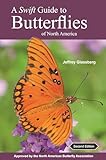
- A monarch butterfly field guide for identifying life stages, host plants, and similar species
A field guide is more useful than a souvenir: it can help visitors recognize eggs, caterpillars, chrysalises, adult monarchs, milkweed, and the plants that provide nectar. Choose a guide that covers life history and habitat, not just photographs.
How many monarchs are there?
The western monarch migration is real, but it is a remnant of a much larger historic phenomenon. The population has undergone a severe long-term decline, while annual counts can fluctuate dramatically.
The Tool Desk
Outbyte Driver Updater FREEScan for outdated or missing drivers - takes under a minuteDriver Scan →Outbyte PC Repair FREERepair Windows errors before they cause bigger problemsFix Now →California Department of Fish and Wildlife reported a count of fewer than 2,000 individuals in 2020–21 and more than 300,000 in 2022–23. Even the higher figure remained far below historical estimates of approximately one to four million overwintering butterflies in the 1980s.
These numbers should be interpreted carefully:
- A high count in one season does not mean the long-term decline has been reversed.
- A low count at one grove does not prove that the entire migration has disappeared.
- Annual weather, habitat conditions, disease, survey conditions, and reproduction all affect the results.
- Counts are estimates from monitored sites, not a perfect census of every monarch in California.
The U.S. Fish and Wildlife Service has also described long-term declines in both monitored migratory populations. That makes California’s groves more than attractive sightseeing destinations: they are concentrated seasonal habitat where monarchs shelter during a vulnerable stage of their life cycle.
What threatens western monarchs?
Several pressures act together rather than producing one simple cause of decline:
- Loss and degradation of overwintering habitat: Monarchs depend on particular groves and the surrounding conditions that buffer them from cold, wind, and excessive exposure.
- Insufficient milkweed: Caterpillars can eat milkweed only; without suitable host plants, monarchs cannot complete their breeding cycle.
- Shortages of nectar: Adults need flowering plants before, during, and after migration to fuel flight and reproduction.
- Disease: Pathogens and parasites can affect individual butterflies and populations.
- Climate-related stress: Heat, drought, wildfire, storms, and unusual seasonal conditions can affect plants, migration, and overwintering habitat.
- Insecticide exposure: Pesticides can harm monarchs directly or reduce the plants and insects that support a healthy ecosystem.
Planting a few flowers can be helpful, but no single backyard action can replace protecting entire overwintering landscapes, breeding areas, and migration corridors.
How Californians can help monarchs at home
1. Plant locally appropriate milkweed
Milkweed is the monarch’s larval host plant: caterpillars depend on it for food, and adult females need it when laying eggs. California guidance includes species such as California milkweed, heartleaf milkweed, desert milkweed, and woolly milkweed where appropriate.
The right choice depends on your region, soil, moisture, elevation, and garden conditions. Buy from a reputable native-plant nursery or consult a local habitat organization and regional planting guide. Avoid an unlabeled or generic “monarch mix” unless you can verify the species, source, and suitability for your location. Do not assume that any milkweed is equally beneficial everywhere.
2. Create a nectar corridor instead of a single flower pot
Adult monarchs need nectar throughout spring and summer breeding, fall migration, and the period before or after overwintering. A stronger garden plan provides a succession of regionally suitable flowers that bloom at different times.
Think in terms of a connected or repeated supply of habitat: several flowering periods, multiple plant types, and pesticide-free management. A single attractive plant may feed a few visitors briefly; a diverse planting can offer resources for longer.
Quick wins for a faster PC:
Repair Windows errors before they cause bigger problemsFix Now →Scan for outdated or missing drivers - takes under a minuteDriver Scan →Clear out junk files and repair common Windows errorsFree Scan →3. Avoid pesticides and unnecessary disturbance
Avoid pesticide use around milkweed and nectar plants whenever possible. Broad insecticide applications can harm monarchs and other beneficial insects, including species that help make a garden ecologically healthy.
If trees on your property regularly hold overwintering clusters, do not trim, remove, or heavily disturb them without professional guidance. Roost trees and the habitat around them should be treated as conservation assets, not ordinary landscaping.
4. Support monitoring and restoration
People who want to contribute beyond gardening can look for opportunities through Xerces, California agencies, State Parks, and local conservation groups. Options may include the Western Monarch Count, habitat restoration, monitoring, and—in programs that accept and train participants—tagging or other community-science activities.
The Western Monarch Count has generated more than two decades of overwintering data through volunteers and partners. Check the current requirements before joining: some activities require training, scheduled survey dates, or coordination with a site leader.
Free tools Windows power users keep installed
One-click scans. No signup required.
Common misconceptions about California monarchs
- “Every monarch in California came from Mexico.”
- Usually not. Western monarchs generally overwinter along the California coast; the eastern population is the one commonly associated with central Mexico.
- “The best time to see clusters is any warm summer day.”
- Summer monarchs are dispersed across breeding habitat. Dense overwintering clusters are primarily a fall-through-winter phenomenon.
- “A low count means the migration has vanished.”
- One site or one year cannot describe the entire population. The accurate picture combines sharp annual variation with a serious long-term decline.
- “All milkweed is equally helpful.”
- Plant species should be selected for the local region and growing conditions. Native-plant guidance is preferable to a one-size-fits-all seed list.
- “Getting closer produces the best photograph.”
- Use zoom, remain in designated areas, and let park staff define safe viewing distances. A distant, undisturbed photograph is a better outcome than a close image that damages habitat.
A better way to plan your monarch trip
- Pick a public site suited to your route, such as Natural Bridges, Lighthouse Field, Pacific Grove, or Pismo State Beach.
- Target the overwintering season, preferably mid-November through December, while recognizing that conditions vary.
- Check official updates shortly before departure for current counts, programs, parking, access, and closures.
- Bring distance-friendly viewing equipment, such as binoculars or a zoom camera.
- Follow the path and staff instructions even if the butterflies appear inactive or difficult to see.
- Use the visit to learn about the full life cycle, milkweed, nectar plants, and overwintering habitat.
- Turn interest into action by planting regionally appropriate habitat, avoiding pesticides, volunteering, or supporting conservation work.
California’s monarch groves offer a memorable wildlife experience precisely because they reveal a migration that still survives under pressure. Visit with realistic expectations: you may see a spectacular living cluster, a few scattered butterflies, or no obvious group at all. In every case, staying on the path and helping preserve the habitat is part of seeing monarchs responsibly.
Frequently Asked Questions
When is the best time to see monarch butterflies in California?
The best general window is October through early February, with mid-November through December often offering the most dependable cluster viewing. Timing varies by weather, site, and annual population, so check the destination’s current official information before traveling.
Where can I see monarch butterflies in California?
Well-known public sites include Natural Bridges State Beach and Lighthouse Field State Beach in Santa Cruz, Pacific Grove Monarch Sanctuary, and Pismo State Beach Monarch Butterfly Grove. Ellwood Mesa, Ardenwood Historic Farm, and Camino Real Park are other public-access possibilities. None guarantees butterflies every season.
Do California monarchs migrate from Mexico?
No. Western monarchs generally overwinter along the California coast, while the eastern monarch population typically travels to central Mexico. Monarchs associated with California may also occur in smaller numbers near Baja California and Arizona.
How can I help monarch butterflies at home?
Plant regionally appropriate native milkweed for caterpillars and a succession of nectar-producing flowers for adults. Avoid pesticides, do not disturb overwintering trees, and consider joining monitoring or habitat-restoration programs. A generic or unlabeled milkweed mix is not automatically suitable.
How should I watch monarchs without disturbing them?
Stay on designated paths, keep your distance, do not touch or collect butterflies, avoid shaking branches, and follow docent or park instructions. Binoculars and a camera with optical zoom let you observe clusters without approaching them.
The Bottom Line
Best odds: visit a public California overwintering grove from October through early February, with mid-November through December often the strongest window. Verify conditions before traveling, observe from designated areas, and help by planting locally appropriate milkweed and successive nectar plants without pesticides.
Quick Recap
Product prices and availability are accurate as of the date/time indicated and are subject to change. Any price and availability information displayed on Amazon at the time of purchase will apply.




