Do these 3 things before closing this tab:
1Clear out junk files and repair common Windows errors2Fix the driver behind crashes, sound loss and screen glitches3Repair Windows errors before they cause bigger problemsAs of October 7, 2026, the suspension is no longer a uniform closure for bovines: APHIS lists Douglas, Arizona, and Santa Teresa, New Mexico, as reopened for cattle and bison. Columbus remains undetermined, other southern livestock ports remain closed, and horse imports follow a separate process. Reopening does not waive inspection, documentation, or treatment requirements, so check the current APHIS rules and port status before arranging any shipment.
New World screwworm is the larval stage of a parasitic fly, Cochliomyia hominivorax, whose larvae burrow into living tissue. The import controls primarily concern livestock, but dogs, cats, horses, wildlife, and people can also be infested when the fly has access to an open wound or body opening.
What the current import status means
The original suspension began on May 11, 2025, and covered live cattle, horses, and bison entering through southern U.S. land-border ports. Since then, APHIS has moved to a controlled, phased reopening for bovines at selected ports. Its cattle and bison page, last modified September 25, 2026, lists Douglas and Santa Teresa as reopened; Columbus is listed as “To be determined,” and all other southern border ports remain closed for livestock.
| Animal or shipment | Current guidance |
|---|---|
| Cattle and bison | APHIS lists Douglas, Arizona, and Santa Teresa, New Mexico, as reopened southern ports. Columbus is undetermined; other southern livestock ports remain closed. Separate protocols apply to feeder cattle, breeding cattle, and cattle for immediate slaughter. |
| Horses from or transiting Mexico | Use the separate equine guidance and confirm access with the specific port. The bovine port list does not establish that a port is open to horses. |
| Bovine embryos and semen | APHIS says these products from Mexico are not permitted at this time. |
| Other Mexican agricultural imports | They are not automatically covered by this livestock suspension; product and route-specific requirements apply. |
For cattle and bison, APHIS links distinct import protocols and model certificates for shipment purpose and says no permit is required under those listed protocols. That does not remove other requirements. Port access, shipment eligibility, certificates, inspections, and treatment protocols are separate checks.
PC Slower Than It Used to Be?
A free scan shows the junk files, broken settings and background clutter dragging Windows down - then fixes them in one click.Free scan · Windows 10 & 11Outdated Drivers Are Slowing You Down
One free scan finds every outdated or missing driver and matches the right update for your exact hardware.Free scan · exact hardware match#1 Best Overall

- Restraint Show Halter: Weaver Livestock cow restraint halters for control are the perfect choice for fairs, shows and heavy-duty use; this fully-adjustable cattle show halter with lead is ideal for all cattle breeds
- High Quality Build: Crafted from doubled and stitched 1" nylon, this show halter for cattle provides a tight, secure fit and professional appearance for your animals; the durable nickel plated hardware ensures long lasting use
- Ideal Choice: The Weaver restraint halter is is specially designed for livestock animals, perfect for guiding and controlling cows, bulls, oxen, calfs; great use for various tasks, from daily handling to showing your prized livestock
- Convenient Design: This large size cattle halter features a chin choker style chain for added control and flexibility; the performance cow halter for cattle is a suitable and reliable solution for your livestock management needs
- Versatile Use: Our black cow show halter is also available in a wide selection of other trendy and traditional color options to suit any style - ideal for both young and adult cattle, making it an essential barn tool and training accessory
APHIS may change or pause further openings if risk rises or Mexico’s progress under the Joint Action Plan is unsatisfactory. Check the current APHIS pages immediately before shipment rather than relying on a previously published status.
How the suspension and reopening developed
- November 2024: Mexico detected New World screwworm, prompting an interruption of Mexican livestock imports and the development of additional controls.
- May 11, 2025: USDA announced an immediate suspension of live cattle, horses, and bison entering through southern U.S. ports, citing northward spread and detections in Oaxaca and Veracruz.
- July 9, 2025: USDA shut down southern livestock trade again after Mexico reported a case in Ixhuatlán de Madero, Veracruz, saying the detection compromised the previously announced phased reopening schedule.
- June 3, 2026: USDA reported a confirmed detection in a three-week-old calf in Zavala County, Texas. Larvae were found in the calf’s umbilical area; USDA said there had been no further detections at the time of that announcement.
- July 24, 2026: USDA announced a conditional, phased reopening plan, with Douglas scheduled to reopen to cattle trade on August 24 and possible later openings at Santa Teresa and Columbus.
- August 24, 2026: Douglas reopened for bovines, according to APHIS’s current port list.
- September 24, 2026: Santa Teresa reopened for bovines, according to APHIS’s current port list.
- October 7, 2026: APHIS lists Columbus as undetermined and says all other southern livestock ports remain closed.
These openings are controlled phases, not evidence that the pest threat has ended. USDA’s July 24 announcement said: “Every animal entering the United States through these ports will undergo a full USDA inspection to ensure it is free of any signs of New World screwworm (NWS).”
What New World screwworm is
New World screwworm, often abbreviated NWS, is a species of parasitic fly. The adult female lays eggs in an open wound or body opening such as the eyes, ears, nose, mouth, or genital region. After hatching, larvae burrow into and consume living tissue, making the wound progressively worse.
The species is Cochliomyia hominivorax. The term “screwworm” is also used for other fly larvae, but New World screwworm larvae are obligate parasites of living flesh. Secondary screwworm species generally feed on tissue that is already dead or decomposing.
New World screwworm can affect:
- cattle, horses, bison, sheep, goats, and other livestock;
- wild mammals and birds;
- dogs, cats, and other pets; and
- people.
Livestock are the principal agricultural concern because infestations can cause production losses, treatment costs, animal suffering, and death. Human infestation is possible, but human risk should not be presented as equivalent to livestock risk. The CDC indicates that most cases occur in animals and that human exposure is associated with wounds and travel or residence in affected regions.
Rank #2

- Multicolored Rope Halter: Ensure effortless and reliable handling with Weaver Livestock’s classic style cattle show halter; this fully-adjustable cow halters are designed for easy control and unmatched comfort, ideal for all cattle breeds
- High Quality Build: Crafted from durable braid poly rope this show halter for cattle provides a tight, secure fit and professional appearance for your animals; the Weaver halter is designed for daily use, ideal for all livestock showmen
- 7' Lead Included: The cow halter lead rope offers ample length of approximately 7' which is perfect for guiding and controlling cows, bulls, oxen, calfs; great use for various tasks, from daily handling to showing your prized livestock
- Perfect Fit: Adjustable design allows you to customize your cattle rope halter for just the right fit, reducing the risk of discomfort; the performance cow halter for cattle is a suitable and reliable solution for your livestock management needs
- Versatile Use: Our multicolored cow show halter is also available in a wide selection of other trendy and traditional color options to suit any style - ideal for both young and adult cattle, making it an essential barn tool and training accessory
Horse imports require separate checks
APHIS guidance for horses from Mexico or transiting Mexico requires at least seven days in quarantine, an official health certificate issued within 30 days of examination, required negative tests, and a screwworm inspection within 24 hours before shipment. Visible wounds must be treated at loading with 3% coumaphos dust or an APHIS-approved screwworm medication.
Reserve quarantine and contact the port in advance because local requirements may vary. Confirm that the specific port can accept the horse; bovine reopening dates do not establish horse access.
Approved treatments are for import protocols
APHIS’s listed products are for pre-export use on animals being presented for import and must be used in accordance with the label and applicable protocol. The list includes 1% injectable doramectin for cattle; 3% topical coumaphos dust for cattle and horses; and a topical combination product with coumaphos, propoxur, and sulfanilamide for cattle and horses.
Free tools Windows power users keep installed
One-click scans. No signup required.
These import protocols are not general domestic treatment advice. APHIS directs questions about products for domestic animals to FDA. Do not apply ivermectin, insecticide, or another systemic product to a pet or livestock animal on your own.
Signs pet owners and horse owners should recognize
An infestation may begin at a small cut, surgical site, bite, umbilical area, or other wound. It can be difficult to recognize early, especially under hair or in a location that is hard to inspect.
Rank #3
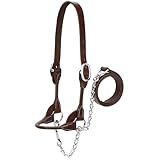
- Dairy/Beef Show Halter Halter: The epitome of style and craftsmanship, Weaver Livestock's rounded cow halters is our go-to choice for show day; this fully-adjustable double crown cattle show halter with lead is ideal for all cattle breeds
- High Quality Build: Crafted from durable brown bridle leather and nickel-plated hardware, this show halter for cattle provides a secure and comfortable fit; features rounded noseband, cheek pieces, durable corner stays with smoothed, finished edges
- 36" Lead Included: The cow halter lead offers ample length of approximately 36" which is perfect for guiding and controlling cows, bulls, oxen, calfs; great use for various tasks, from daily handling to showing your prized livestock
- Convenient Design: This small size cattle halter features double crown adjustments allowing you to perfectly tailor the fit of your halter; the performance cow halter for cattle is a suitable and reliable solution for your livestock management needs
- Versatile Use: Our sleek, modern brown halter with 20" chain provides a professional appearance that you and the judges will love - ideal for both young and adult cattle, making it an essential barn tool and training accessory
Warning signs can include:
- a painful wound that is getting larger or worse instead of healing;
- bleeding or tissue damage;
- a foul odor;
- unusual agitation, pain, or sensitivity around the wound;
- visible larvae or small moving organisms in the wound; and
- signs of secondary bacterial infection or general illness.
Larvae can also be found around the eyes, ears, nose, mouth, or genital region. A wound does not have to look dramatic at first for veterinary attention to be appropriate.
What to do if an animal may be infested
- Contact a veterinarian promptly. A worsening wound or visible larvae requires professional assessment and treatment.
- Do not assume ordinary flystrike is the explanation. Several fly larvae and wound conditions can look similar, and identifying the species can require veterinary or laboratory evaluation.
- Do not self-treat with import-protocol products. Import rules are not general directions for treating a pet or livestock animal at home.
- Limit contact with other animals and avoid unnecessary transport until a veterinarian gives instructions. This helps protect the wound and supports any needed investigation.
- Ask the veterinarian or animal-health authority how to report the suspicion. Suspected animal cases should be reported through veterinary and animal-health channels.
People who find larvae in a wound, or develop a painful and worsening wound after travel or residence in an affected region, should seek medical evaluation rather than attempting self-treatment.
How the United States and Mexico are responding
The issue is both an animal-health problem and a bilateral trade issue. The countries have negotiated measures intended to permit a controlled reopening while reducing the risk of infested animals crossing the border. Mexico’s animal-health authority describes cooperation involving inspection, treatment, certification, surveillance, and sterile-fly measures.
One central tool is the release of sterile flies. USDA and APHIS have shifted sterile-fly dispersal toward Mexico’s northern outbreak area while maintaining operations from other locations during the transition. The goal is to suppress reproduction in the wild population and push the pest southward toward the established biological barrier in Panama.
Sterile-insect releases do not replace inspections and quarantine. They address the pest population in the environment, while animal-health controls aim to stop infested animals from moving through the trade system.
Rank #4

- Features a rounded noseband and cheekpieces.
- Double crown adjustments.
What this means for pet owners in the United States
For most U.S. dog and cat owners, the suspension and phased reopening do not mean household pets face the same exposure as livestock moving across the southern border. The principal controls target livestock trade and affected animal movements. However, pets can be infested if a fly lays eggs in a suitable wound or body opening.
Practical precautions are straightforward:
- keep cuts, bites, hot spots, and surgical wounds clean and monitored;
- follow your veterinarian’s instructions for wound care;
- inspect wounds daily, especially during travel or in areas with known cases;
- contact a veterinarian quickly if a wound worsens, smells foul, bleeds unexpectedly, or contains moving larvae; and
- check current animal-import and pet-travel requirements before crossing the U.S.-Mexico border.
Do not treat every maggot-like larva as New World screwworm, but do not dismiss larvae in a live animal’s wound either. A veterinarian can distinguish possible causes and contact animal-health officials if a reportable pest is suspected.
Independent reader supportYour contribution helps us test, update, and keep practical guides available for everyone.How to check current status before a shipment
- Confirm the species and shipment purpose. Cattle and bison have bovine-specific protocols; horses use separate equine guidance.
- Check the port list. Verify that the chosen port is open for that species and shipment, rather than inferring access from another animal category.
- Review the current protocol and documents. Confirm certificates, tests, inspections, quarantine, and any treatment requirements that apply.
- Contact the port and reserve required facilities. APHIS says horse quarantine arrangements and local requirements should be confirmed in advance.
- Recheck shortly before transport. Port access and disease controls can change or be paused.
APHIS’s screwworm.gov information links to detection dashboards. The Mexico map updates Tuesdays and Thursdays, while the case list within 100 miles updates each business day. Mexico’s SENASICA definition treats a case as active at diagnosis and revisits it after 15 days; it becomes inactive when personnel verify no new wounds or larvae.
Frequently Asked Questions
Are Mexican cattle and bison imports still suspended?
Not uniformly. As of October 7, 2026, APHIS lists Douglas, Arizona, and Santa Teresa, New Mexico, as reopened for bovines. Columbus is undetermined and all other southern livestock ports remain closed. Shipment protocols and inspections still apply.
Can a horse shipment use a reopened bovine port?
Do not infer horse access from the bovine port list. Horses have separate APHIS requirements and the specific port must be checked for current equine access and local arrangements.
Quick wins for a faster PC:
Scan for outdated or missing drivers - takes under a minuteDriver Scan →Repair Windows errors before they cause bigger problemsFix Now →Best Value

- Basic Braided Rope Halter: Ensure effortless and reliable handling with Weaver Livestock’s classic style cattle show halter; these fully-adjustable cow halters are designed for easy control and unmatched comfort, ideal for all cattle breeds
- High Quality Build: Crafted from durable braid poly rope this show halter for cattle provides a tight, secure fit and professional appearance for your animals; the Weaver halter is designed for daily use, ideal for all livestock showmen
- 7' Lead Included: The cow halter lead rope offers ample length of approximately 7' which is perfect for guiding and controlling cows, bulls, oxen, calfs; great use for various tasks, from daily handling to showing your prized livestock
- Perfect Fit: Adjustable design allows you to customize your cattle rope halter for just the right fit, reducing the risk of discomfort; the performance cow halter for cattle is a suitable and reliable solution for your livestock management needs
- Versatile Use: Our black cow show halter is also available in a wide selection of other trendy and traditional color options to suit any style - ideal for both young and adult cattle, making it an essential barn tool and training accessory
What quarantine and inspection rules apply to horses from Mexico?
Current APHIS guidance requires at least seven days in quarantine, an official health certificate issued within 30 days of examination, required negative tests, and a screwworm inspection within 24 hours before shipment. Visible wounds must be treated at loading with 3% coumaphos dust or an APHIS-approved screwworm medication.
Are bovine embryos and semen from Mexico allowed?
APHIS says bovine embryos and semen from Mexico are not permitted at this time. Check the current APHIS guidance before making plans because requirements can change.
Can a dog or cat get New World screwworm?
Yes. Dogs and cats can be infested if the fly lays eggs in an open wound or body opening. A pet with a painful, worsening, foul-smelling wound or visible larvae should be seen by a veterinarian promptly.
Did the United States ban every Mexican agricultural product?
No. The original suspension targeted live cattle, horses, and bison entering through southern U.S. land-border ports. Other products, routes, and animal movements can have separate requirements.
The Bottom Line
Bottom line: APHIS lists two southern ports as reopened for bovines—Douglas and Santa Teresa—while Columbus remains undetermined and other southern livestock ports remain closed. Horse shipments require separate verification, and reopening does not waive the applicable inspection, certificate, quarantine, or treatment controls. Check the current APHIS pages and the specific port immediately before arranging a shipment.
Quick Recap
Product prices and availability are accurate as of the date/time indicated and are subject to change. Any price and availability information displayed on Amazon at the time of purchase will apply.




