
Do these 3 things before closing this tab:
1Scan for outdated or missing drivers - takes under a minute2Clear out junk files and repair common Windows errors3Fix the driver behind crashes, sound loss and screen glitchesSome links on this page are affiliate links: if you buy through them we may earn a commission, at no extra cost to you.
A dog can be uncomfortable around a baby long before it growls or bites. Stiffness, freezing, whale eye (visible white of the eye), pinned-back ears, lip licking, yawning, turning away, a tucked tail, panting, pacing, hiding or attempts to retreat are requests for more distance. Stop the interaction when you see them, give the dog a clear escape route and keep the baby and dog apart unless an alert adult is watching continuously. Growling, snarling, hard staring, lunging, snapping or biting require immediate separation and professional help.
Read the dog’s entire body and the situation rather than relying on one gesture. A wagging tail can occur with tension, and a quiet dog can still be overwhelmed. The goal is not to make the dog tolerate contact; it is to prevent pressure, build calm associations and provide reliable separation.


As an Amazon Associate I earn from qualifying purchases.
What warning signs show that a dog is uncomfortable around a baby?
Discomfort often appears as a cluster of subtle signals. MSPCA-Angell lists a “stiff tense body, whale eyes, flattened ears, lip licking, tail between the legs.” AAHA’s anxiety and distress guidance also includes panting, trembling, muscle rigidity, yawning, freezing, pacing, hiding, turning away, a lowered head and inability to meet a direct gaze.
| Body area | Possible warning signs | What the signal means for handling |
|---|---|---|
| Eyes | Whale eye (sclera showing), widened or dilated eyes, hard staring, scanning, or avoiding eye contact | Increase distance and remove pressure; do not make the dog hold eye contact. |
| Ears and head | Ears flattened or pinned back; head or neck lowered | Pause the interaction and allow the dog to turn away or retreat. |
| Mouth | Lip or nose licking, tight or closed mouth, rapid panting, drooling, muzzle wrinkling, or teeth display | End the contact calmly, especially if mouth tension is increasing. |
| Posture and movement | Stiffness, freezing, crouching, lowered body, weight shifted backward, backing away, hiding, pacing, or escape attempts | Clear a path to a safe zone; never corner or grab the dog. |
| Tail and voice | Low or tucked tail, trembling, whining, barking, growling, or snarling | Treat vocal warnings seriously and separate immediately when intensity rises. |
These signs do not prove what a dog intends, and one isolated lick or yawn can have other causes. Context matters: look for several changes together, compare the dog’s relaxed posture with its posture near the baby, and notice whether the signs stop when distance is restored.
Popular on Amazon
Why should I read the whole dog instead of one signal?
Dogs communicate with combinations of eyes, ears, mouth, muscle tension, weight distribution, tail position and movement. A tail wag only means the tail is moving; it does not automatically mean the dog is comfortable. A broad, loose body with a relaxed mouth is different from a fast wag paired with a rigid torso, fixed stare or weight shifted away.
Watch for a progression. A dog may first look away, lick its lips or yawn, then stiffen or freeze if the baby continues reaching, crawling or crying nearby. Early signals are opportunities to lower demands. Waiting for a growl gives the dog fewer safe ways to ask for space.
Is growling at a baby a warning sign?
Yes. Growling, snarling, teeth display, hard staring, lunging, snapping and biting are escalation warnings. Create distance immediately by moving the baby away and directing the dog to a secure retreat only if that cue is already trained and can be given without chasing or cornering.
Never punish, scold or physically correct a growl. Punishment can suppress the audible warning without changing the dog’s discomfort, leaving a future reaction harder to predict. Treat the growl as useful information: stop the situation, prevent another rehearsal and arrange qualified behavior guidance.
What should I do at the first sign of stress?
- Interrupt calmly. Move the baby away or increase the distance between them. Keep your voice and movements measured; sudden grabbing can add pressure.
- Offer an exit. Open access to a crate, gated room, exercise pen, bed or other dog-only area. If the dog has a trained retreat cue, use it; do not force the dog into a confined space.
- End the session. Stop while the dog can still recover. Do not keep presenting the baby to see whether the dog “gets used to it.”
- Record the trigger. Note whether crying, crawling, reaching, feeding, handling, a toy, food, fatigue or a particular room preceded the reaction. Include distance, body signals and how quickly the dog relaxed after separation.
- Change the next setup. Resume only at a greater distance and only when the dog is loose and calm. If the dog cannot disengage, repeatedly freezes or escalates, keep dog and baby separated and seek professional help.
ASPCA guidance states, “Never force your dog to interact with your baby.” The baby should not be carried toward a hiding dog, and a dog should not be held in place for a photograph or a greeting.
Also popular on Amazon
How much supervision do a dog and baby need?
They need direct, active adult supervision every time they share space. RSPCA Knowledgebase guidance is explicit: “Never leave your baby and dog together unsupervised!” The American Veterinary Medical Association similarly says, “Always supervise young children when around dogs, no matter how well behaved either are.”
Crashes, No Sound, or Screen Glitches?
Random freezes, missing sound and display glitches usually trace back to one bad driver. Find and replace yours safely.Free scan · under a minutePC Slower Than It Used to Be?
A free scan shows the junk files, broken settings and background clutter dragging Windows down - then fixes them in one click.Free scan · Windows 10 & 11Direct supervision means an alert adult is watching the interaction, close enough to intervene, not merely somewhere in the house. If you answer a phone, use the bathroom, turn away to prepare food or become too tired to monitor both, separate them first. Use a securely installed gate, a closed door, an exercise pen or another barrier that the dog cannot push through or climb.
Supervision is not a promise that the dog will never react. Babies move unpredictably, make high-pitched sounds and cannot follow rules. Management prevents a single lapse from becoming a bite while training and professional advice address the underlying pattern.
How should I introduce a dog to a newborn?
Use gradual, choice-based exposure rather than a forced face-to-face greeting. Keep sessions short and stop at the first sign of tension or over-excitement.
1. Start with scent
Before direct contact, let the dog investigate a baby blanket or item of clothing. Reward relaxed behavior at a comfortable distance. Do not push the item into the dog’s face or use it to lure the dog toward the baby.
Recommended Free Tools
Also popular on Amazon
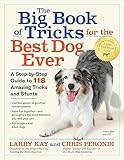
- Book: the big book of tricks for the best dog ever: a step-by-step guide to 118 amazing tricks and stunts
- Language: english
- Binding: paperback
2. Prepare a quiet room and a retreat
Choose a low-traffic room, remove food or toys that could be guarded and make sure the dog can reach its safe zone. An adult should control a loose six-foot leash attached to a properly fitted harness; a second adult should handle the baby when possible.
3. Allow approach by choice
Let the dog decide whether to come closer. Keep the leash loose rather than pulling the dog toward the infant. Permit only a brief sniff, then redirect to a settle, chew, food puzzle or calm activity when the dog remains relaxed.
4. Repeat brief sessions
Several short, quiet sessions are safer than one prolonged interaction. End before the dog becomes tired, frantic or avoidant. Looking away, lip licking, yawning, stiffening, freezing, retreating, growling or escalating excitement means the session has gone too far; separate and try another day at more distance.
5. Reassess as the baby develops
A calm newborn stage does not guarantee a calm crawling stage. Crawling, grabbing, following the dog, reaching into a bed and taking objects can create new triggers. Change the barriers and routines before mobility changes, not after the dog is already being pursued.
Free tools Windows power users keep installed
One-click scans. No signup required.
Which situations commonly trigger discomfort?
Record patterns instead of assuming the baby alone is the cause. Crying may be startling; crawling can reduce the dog’s perceived escape space; reaching can feel threatening; feeding or a dropped snack can activate food guarding; and handling the dog while the baby is nearby can add pain or competition for attention.
Also popular on Amazon
Fatigue also matters. A dog that copes in the morning may have less tolerance after exercise, visitors or a disrupted night. Give the dog undisturbed rest and keep the baby away from food bowls, chews, toys and sleeping areas. Never test tolerance by taking an item away from a tense dog.
What equipment helps create safe separation?
Equipment supports management but cannot make unsupervised contact safe. Select tools that match the dog’s strength, the room layout and the family’s ability to use them consistently.
| Equipment | Useful features | Important limitations |
|---|---|---|
| Extra-tall baby or pet gate | Secure mounting, reliable latch, suitable width and enough height that the dog cannot climb or push over it | A gate is a separation tool, not a substitute for an adult watching when dog and baby are together. |
| Crate or covered kennel | Correct size, ventilation, escape safety and a history of the dog choosing to rest there | Introduce and reinforce it before the baby arrives; never use it as punishment or force the dog inside during a confrontation. |
| Six-foot leash and fitted harness | Good fit, handler control and a quick-release function for calm, planned introductions | Do not tether the dog where the baby can reach the leash, and do not use restraint to force contact. |
| Washable bed or training mat | A designated settle place near routines such as feeding, with a clear escape route | The baby must not crawl onto or disturb the dog’s mat. |
| Food puzzle, long-lasting chew and high-value treats | Pair the baby’s presence with calm, enjoyable activity when the dog can consume safely away from the baby | Consider chew durability, cleaning, supervision and any history of food guarding; remove items only when the dog is separated. |
When should a veterinarian or behavior professional be involved?
A sudden change deserves a veterinary examination. Pain, illness, aging, deafness, blindness and fatigue can reduce tolerance or make a baby’s approach harder for the dog to predict. Medical problems should be considered before treating the behavior as a training failure.
Keep the dog and baby separated and contact a board-certified veterinary behaviorist, certified applied animal behaviorist or suitably qualified reward-based trainer if the dog has snapped or bitten, shown aggression toward the baby, guarded food or toys, repeatedly frozen, or cannot disengage. Ask the professional for a written management plan covering barriers, handling, visitors, feeding and what to do if warning signs return.
Breed, size, past friendliness and a reputation for being “good with kids” cannot guarantee safety. Behavior is specific to the individual dog, the child’s actions, the environment and the dog’s physical state. Until a qualified professional has assessed a serious incident, do not resume shared-room contact simply because the dog seems calm for a day.
Also popular on Amazon
How can I build a calmer household routine?
Separate predictable care tasks so the dog is not repeatedly crowded by baby activity. Feed and exercise the dog before demanding routines when practical, provide a quiet rest period, and reward the dog for settling while the baby is present at a distance. Keep barriers closed during naps, diaper changes and floor play if those moments have produced tension.
Teach and practice retreat, mat-settle and hand-target cues away from the baby first. The cues should guide the dog toward safety, never pull it into contact. Everyone who handles the dog should use the same rules: no forced greetings, no punishment for warnings and no access to the baby’s sleep, food or play area without active supervision.
Frequently Asked Questions
Can a dog be stressed even if it does not growl?
Yes. Freezing, turning away, lip licking, yawning, hiding or a rigid posture may appear before any vocal warning. Treat these quieter behaviors as an early chance to increase distance rather than waiting for a growl.
How long should a first baby-dog sniff last?
There is no safe universal number of seconds. End the sniff as soon as the dog has investigated briefly and remains loose; a shorter session is preferable if the dog looks away, stiffens or becomes overexcited.
What if my dog refuses to leave the baby’s room?
Do not chase or drag the dog around the infant. Move the baby first if possible, use a practiced retreat cue or barrier, and arrange professional help if the dog repeatedly cannot disengage.
Does a calm reaction to a newborn mean crawling will also be safe?
No. Crawling, grabbing and following can change the dog’s perception of space and create new triggers. Reassess barriers and supervision before the baby becomes mobile.
What’s actually slowing this PC down?
Pick the symptom - the matching free tool is one click away.





Leave a Reply