
Some links on this page are affiliate links: if you buy through them we may earn a commission, at no extra cost to you.
A pet’s age is a useful planning framework, not a diagnosis. It helps you anticipate changes in energy, learning, nutrition, behavior and preventive care, but breed, adult size, temperament, lifestyle and disease can move an individual well outside an age chart. A large-breed dog may enter senior care earlier than a small dog, while a 12-year-old cat that suddenly hides or stops grooming needs a veterinary assessment rather than being dismissed as “old.”
Use life stage to choose sensible goals, then adjust them to the animal in front of you. Puppies need intensive supervision and socialization, adult pets benefit from maintained fitness and training, and older pets need closer monitoring of pain, mobility, sensory loss and cognition.
As an Amazon Associate I earn from qualifying purchases.
Quick wins for a faster PC:
Fix the driver behind crashes, sound loss and screen glitchesFind Drivers →Repair Windows errors before they cause bigger problemsFix Now →How should I use a pet’s age when planning care?
Start with three questions: Is the animal still growing, is it physically and socially mature, and is it entering the final part of its expected lifespan? Those answers guide food, exercise, training and checkups more reliably than a single birthday.
- Growth status: Rapidly growing puppies have different nutrient, exercise and orthopedic needs from mature dogs. Kittens remain in a growth and behavioral-development phase through their first year.
- Individual variation: Breed, adult size, temperament, previous experiences, body condition, pain, diagnosed disease and living environment can all change what is appropriate.
- Trend over time: A gradual reduction in stamina may be normal; a sudden change in appetite, movement, sleep, elimination or behavior is a health signal at any age.
The American Animal Hospital Association (AAHA) describes age as a framework for adapting care, while its guidance emphasizes age-, breed- and temperament-appropriate activity and enrichment. Treat the stage labels as prompts for questions to discuss with your veterinarian, not as permission to ignore symptoms.
Popular on Amazon
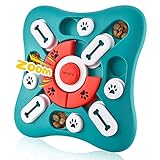
- 【PRODUCT SIZE】10 inch*10 inch*1.3 inch.
- 【3 WAYS TO PLAY, UPGRADE SLOW FEEDER】Our dog mental stimulation toys have a unique squeak button in the middle, which make it easier to attract the attention of dogs and cats. Three different difficulty designs and the 16-hole dog treat dispenser design maximize slow feeding time, even beyond 20 minutes.
- 【FUNNY STIMULATING TOYS】All kinds of dogs and cats love the puzzle game of Spin & Slide and the Seek & Hide with their smell sense and paw skills to find food. Combining circular orbit sliding game and linear orbit sliding game, smart dog and cat must move the slider correctly to get the food reward hidden in the maze.
- 【NON-REMOVABLE PARTS DOG PUZZLE】Our dog treat puzzle is made of non-toxic materials, very durable and suitable for pets to play for a long time. This dog toy has no removable parts because the design has built-in play parts that fold tightly and won't fall off easily.
- 【ANTI-SLIP & EASY TO CLEAN】: The four corners of the bottom are equipped with four anti-skid pads, which can be well fixed during the dog's slow food process; It is easy to clean, also dishwasher safe.
What are the life stages for dogs?
Dog stages depend on maturation and size. AAHA’s 2019 life-stage guidance defines a puppy by rapid growth, a young adult by continued physical and social maturation, and a senior by the final quarter of the estimated lifespan.
| Stage | Typical timing | Main priorities |
|---|---|---|
| Puppy | Birth until rapid growth ends, approximately 6–9 months depending on breed and size | Safe exploration, socialization, bite inhibition, housetraining, chewing outlets, vaccination and parasite discussions, supervision and growth-appropriate nutrition |
| Young adult | After rapid growth until physical and social maturation, commonly about 3–4 years | Continue training, maintain fitness, review behavior, and watch for orthopedic or work-related demands |
| Mature adult | After maturation until the last 25% of estimated lifespan | Individualized activity, weight and dental plans, preventive care, and monitoring for early mobility, anxiety or cognitive changes |
| Senior | The last 25% of estimated lifespan through end of life; no single birthday applies to every dog | Assess pain, mobility, sight, hearing, cognition and anxiety; increase screening and adapt the home and routine |
These boundaries overlap in real life. A giant-breed dog can reach the senior-planning window sooner than a small-breed dog, so your veterinarian should interpret the estimate using breed, size and health history.
What are the life stages for cats?
AAHA and the American Association of Feline Practitioners use simpler age bands: kitten through one year, young adult from one to six, mature adult from seven to 10, and senior over 10. A serious illness can occur at any age, so a stage label never replaces an examination.
| Stage | Age | What to monitor |
|---|---|---|
| Kitten | Birth–1 year | Growth, social and behavioral development, preventive care, safe climbing and play, and appropriate nutrition |
| Young adult | 1–6 years | Healthy activity, body condition, dental care, preventive visits and changes in behavior or elimination |
| Mature adult | 7–10 years | Appetite, hydration, vomiting or diarrhea, grooming, mobility, vision, masses and early cognitive changes |
| Senior | Over 10 years | Mobility, grooming, appetite, hydration, vocalization and behavior; investigate changes instead of attributing them automatically to age |
For cats, small changes can be meaningful because they often hide illness. Keep a simple record of weight, appetite, water intake, litter-box habits and activity so you can report trends accurately.
How much exercise and enrichment does a pet need at each age?
There is no evidence-based universal number of daily exercise minutes that fits every dog, cat or life stage. AAHA recommends daily exercise, mental stimulation and enrichment matched to age, breed and temperament, with health and safety determining the amount.
Also popular on Amazon
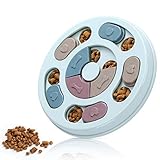
- 【Size】: L9.44" * W9.44"* H1.14" suitable for cats, puppies and small dogs.
- 【Interactive Dog Toys】This is a interactive puppy puzzle , which can easily become the closest companion and toy for your puppies and cats, and will release pressure for dogs. Find food by sliding parts to improve eating pleasure and IQ.
- 【Slow Feed Bowl】This encourages pets to eat at a slower speed, helps to slow down the feeding time to help the dog digest, and can provide your dog with a variety of healthy snacks.
- 【Slow Feede toys】 Use this educational game toy to exercise the dog’s brain, which will help meet the dog’s instinct needs, train the pet’s sense of smell, and let the dog enjoy feeding when using the nose or paw to move the slider, while providing spirit stimulate.
- 【Dog toys】No toy is indestructible. Do not leave toys with unsupervised pets. Remove and replace toy if damaged.
Puppies and kittens
Use several short, supervised play and exploration periods rather than forcing endurance. Offer safe chewing and climbing opportunities, stop before fatigue or frantic behavior, and protect growing joints from repetitive, high-impact activity. Food puzzles, scent games and gentle training can tire the brain without excessive physical strain.
Free tools Windows power users keep installed
One-click scans. No signup required.
Young and mature adults
Build an active routine around the individual’s fitness, body condition and preferences. A working-breed dog may need more structured tasks than a companion dog, while a confident indoor cat may benefit from multiple brief hunting-style play sessions. Vary routes, surfaces and games, and include rest so enthusiasm does not mask pain.
Senior pets
Keep movement regular but adjust intensity and footing. Shorter walks, frequent breaks, warm-up time, ramps, non-slip mats and easy-access litter boxes can preserve independence. If an older pet is reluctant to rise, limps, pants unusually, misses jumps or stops playing, arrange a veterinary evaluation before simply reducing activity.
Enrichment should fit behavior as well as age. A fearful animal may need quiet, predictable puzzles; an aggressive chewer needs durable equipment and supervision; a pet with vision loss may rely more on scent and sound. Introduce one change at a time and remove any item that splinters, can be swallowed or causes frustration.
What training does a pet need at each life stage?
Training is not something a pet outgrows. The goal changes from foundation skills and social learning to reliable habits, then to communication and comfort as abilities change.
Recommended Free Tools
Also popular on Amazon

- Four Challenges & Levels 1-3: Multiple games with a flip game and a linear track sliding game, all requiring dogs to learn steps and find treats. This puzzle is designed to be more fun and difficult, with more unique ways to play. It can enhance your dog's IQ and train their sense of smell
- Prolong the Feeding Time: The 14-hole food storage slow feeder has four ways to play, which is effective in slowing down the dog's eating speed. It is also beneficial to the dog's physical and mental health by increasing the time and difficulty of acquiring food, thus avoiding gastrointestinal issues caused by indigestion
- Safe Materials & Cleanable: Furry friends can safely play with this toy, which is made of food-safe and long-lasting materials. Additionally, it is easy to clean with warm water and soap after use
- Six Silicone Anti-Slip Pads: Six silicone anti-slip pads with high resistance ensure a firm grip and prevent the item from sliding to one side during feeding
- Warm Tips: When playing with the puzzle, please keep your dog with you to prevent any possible destruction of the toy. The toy has a tight design of built-in game components, so you don't need to worry about them being easily dislodged and swallowed by your dog
Why are the first puppy weeks so important?
The American Veterinary Medical Association identifies approximately 3–14 weeks as a critical puppy socialization period. During that window, provide controlled, positive exposure to people, healthy animals, handling, household sounds, surfaces, transport and veterinary routines while following your veterinarian’s infection-risk advice.
- Pair new experiences with food, play or calm praise; never force an overwhelmed puppy toward a trigger.
- Teach name response, gentle handling, bite inhibition, settling, crate comfort and basic cues in very short sessions.
- Plan frequent toilet opportunities, supervise chewing and use safe outlets so the puppy can succeed.
- Continue socialization after 14 weeks; confidence and skills still develop as the dog matures.
What should young and mature adult dogs keep practicing?
AAHA recommends continuing training and behavior review beyond puppyhood. Refresh recall, leash manners, cooperative grooming, calm greetings and settling around distractions. Reassess fear, anxiety, reactivity or changes in sociability rather than assuming they are stubbornness. Working and service dogs may need additional conditioning and orthopedic monitoring.
How does training change for senior pets?
Senior visits should include review of cognition, anxiety, mobility, sight and hearing. Use familiar cues, clearer hand signals or verbal prompts, softer surfaces and shorter sessions. New house-soiling, nighttime wandering, irritability or confusion can reflect pain, sensory loss, cognitive decline or another disease and warrants assessment.
Does my pet need different food as it ages?
Age and activity level are among the factors the U.S. Food and Drug Administration’s AAHA nutrition summary says should inform feeding decisions. Growth diets must support development; adult diets should maintain a healthy body condition; older pets may need a plan adjusted for activity, muscle, weight, dental ability or diagnosed disease.
What’s actually slowing this PC down?
Pick the symptom - the matching free tool is one click away.
- Measure portions and monitor body condition rather than feeding by age label alone.
- Ask your veterinarian when a growing dog should transition from puppy food, especially if the dog will be large or giant.
- Do not change diets abruptly; transition gradually unless a veterinarian directs otherwise.
- For cats, track water intake and appetite closely. Reduced eating, increased thirst, repeated vomiting or weight loss is a reason to call, not simply a senior-food question.
- Dental pain can make an animal appear picky. Have the mouth examined before switching textures repeatedly.
Supplements, calorie restriction and prescription diets should be chosen for a documented need. A label’s “senior” wording does not by itself prove that a food is right for an individual pet.
Also popular on Amazon

- 【Product Size】10 inch*10 inch*1.2 inch.
- 【Interactive Dog Puzzle Toys 】This is a fun interactive puzzle toy,which can encourage and train your dogs or cats to seek foods by sliding the slider, helping pets to increase IQ by learning sequential steps and the challenging play.
- 【Squeaky Dog Toys】This dog puzzle toys is designed with a sounding device in the middle of the toy,which is to attract the pet's attention.Also,you would enjoy the fun of dog squeak puzzle toy with your pets, greatly improve relations with your pets and get fun during interactive dog games.
- 【Mental Excecise&Boredom Buster】Our memory training puzzle toy can keep smart dogs busy and engaged in more thinking and activities.Therefore,clot stimulation toys are great for reducing dogs’boredom,anxiety and destructive behaviors.
- 【Food-Safe PP Material】This dog treat puzzle is made with toxic-free, food-grade PP material. It is durable for interactive play and mental enrichment but not designed as a chew toy. Always supervise your pet during use.Easily washable with water or in the dishwasher.Note: No toy is indestructible. Remove and replace the toy if damaged.
How often should my dog or cat go to the veterinarian?
AAHA’s checklist suggests puppy examinations about every 3–4 weeks, adult examinations every 6–12 months, and senior examinations at least every six months, with screening tailored to the animal. Your veterinarian may recommend a different interval for chronic disease, medication, breed risk, pregnancy, a working role or abnormal findings.
- Puppies and kittens: combine growth checks with vaccination, parasite prevention, nutrition, behavior and safety discussions.
- Adults: review weight, dental health, vaccines, parasites, diet, activity and behavior even when the pet appears well.
- Seniors: discuss blood or urine screening, pain and mobility, cognition, vision, hearing, dental disease and home adaptations at least twice yearly.
Seek care sooner for breathing difficulty, collapse, repeated vomiting, inability to urinate, severe pain, sudden weakness, rapidly changing behavior or refusal of food. Age never makes an emergency normal.
Which changes are normal aging, and which need investigation?
Slower recovery after strenuous activity can accompany maturity, but a meaningful decline should be characterized rather than excused. Record when the change began, how often it occurs and what makes it better or worse.
Do these 3 things before closing this tab:
1Clear out junk files and repair common Windows errors2Scan for outdated or missing drivers - takes under a minute3Repair Windows errors before they cause bigger problems- Mobility: reluctance to climb stairs, jump, rise or walk may indicate pain or weakness.
- Senses: bumping into objects, startling easily or failing to respond can reflect vision or hearing loss.
- Behavior: new fear, aggression, separation distress, nighttime restlessness or confusion deserves a medical and behavioral review.
- Basic functions: changes in appetite, thirst, urination, stool, grooming or weight can signal disease.
Bring videos of unusual movements or nighttime behavior to appointments. They can help a veterinarian distinguish intermittent discomfort from a persistent decline.
Independent reader supportYour contribution helps us test, update, and keep practical guides available for everyone.How can I adapt the home for an older pet?
Small environmental changes can reduce injury and preserve choice. Add non-slip runners on slick floors, keep food, water and resting areas easy to reach, provide ramps or steps only when the pet can use them safely, and improve lighting along nighttime routes. Cats may need a low-entry litter box, a nearby resource on each floor and lower platforms that replace difficult jumps. Keep routines predictable while allowing extra time for eating, toileting and movement.
Also popular on Amazon

- 2 Levels in 1 Toy: start your pups off with a level 1 puzzle, add some treats in the base compartments and watch your dogs get their tasty reward by nudging the lids. For dogs who have mastered level 1, for added challenge in level 2, just put some treats in the top compartments, teach your dogs to press the top cover to dispense treats down into the base compartments and finally enjoy their reward
- Slow Feeder: The large capacity top transparent granary saves you the hassle to refill dog food frequently. The product can also be used as a slow feeder utensil for your dogs, which promotes healthy ingestion by slowing down eating speed by over 10x. Great for large and small dogs
- Not Easy to Tip Over: 4 non-slip rubber mats and weighted base hold the dog puzzle toy firmly in place when dogs eat and nudge and prevent the toy from tipping over
- We Prioritize Safety: the dog puzzle toys are designed with your pet’s health in mind, made of durable food-grade PP materials. Non-removeable parts make it safe and easy to clean. And you can give puzzles toy to your dog or directly out of the box, just no assembly!!
- Trains Dog’s Intelligence: interactive treat puzzle game challenges your puppies to get their reward of treats, works your dog's mind while reducing boredom and destructive behavior like chewing, digging and excessive barking. Size: 4.2 inch height
Temperature access matters: older animals may struggle more with heat or cold. Provide a comfortable resting zone, shade and water, and never leave a pet in a parked vehicle. Continue gentle social contact and enrichment, adapting the activity rather than removing it entirely.
How do I choose age-appropriate enrichment?
A dog puzzle toy can provide mental stimulation, but suitability depends on size, durability, difficulty, supervision and chewing style. Choose an item large enough not to be swallowed, inspect it for damage, and begin at an easy level so the pet learns how it works.
- For puppies, prioritize robust construction, safe chewing and simple food-release tasks.
- For adults, rotate sniffing games, training tasks and puzzles to prevent boredom.
- For seniors or pets with dental, vision or mobility limits, use soft, scent-based or low-effort activities and supervise closely.
Enrichment is successful when the animal remains engaged without distress, destructive escalation or unsafe ingestion. Stop and reassess if frustration, guarding or repetitive behavior appears.
How can I turn life-stage guidance into a practical plan?
- Identify the stage: note species, age, breed or adult-size estimate and whether growth is complete.
- Record the baseline: body condition, normal appetite and elimination, activity, sleep, behavior and current training.
- Set two or three goals: for example, reliable toilet habits for a puppy, daily interactive play for an adult cat or safer footing for a senior dog.
- Schedule preventive care: use the 3–4-week puppy rhythm, 6–12-month adult rhythm or at-least-every-six-month senior rhythm as a starting point, then follow veterinary advice.
- Review monthly: adjust food, activity, equipment and the home when weight, stamina, behavior or mobility changes.
This approach honors the AVMA principle that acquiring a pet means accepting responsibility for another living being’s health and welfare. Age tells you what to ask next; observation and veterinary care tell you what this particular animal needs.
Frequently Asked Questions
How do I estimate when my dog enters the senior stage if I do not know its lifespan?
Use the best available breed or size estimate and discuss it at a wellness visit. If ancestry is unknown, behavior, mobility, dental condition, muscle and screening results are more useful than assigning a precise birthday.
Can an older pet still learn new behaviors?
Yes, provided pain, sensory loss and cognitive problems are addressed. Keep sessions short, use rewards and adapt cues to what the pet can see, hear and physically do.
What should I track between veterinary visits?
Record weight, appetite, water intake, toileting, sleep, activity, grooming and any episodes of limping, coughing, vomiting or confusion. A dated log makes gradual changes easier to recognize and explain.
Is a senior-labeled diet automatically better for an older dog or cat?
No. Senior formulas differ, and the right choice depends on body condition, activity, dental ability and medical findings. Ask your veterinarian before changing food or restricting calories.
Quick Recap
Product prices and availability are accurate as of the date/time indicated and are subject to change. Any price and availability information displayed on Amazon at the time of purchase will apply.





Leave a Reply