Fish fins work together to propel, steer, brake, maneuver, and stabilize a fish. The caudal fin, or tail, is an important source of propulsion in many fish, while paired fins often help with steering and fine control and median fins commonly help with stability. These are typical roles, not fixed rules: fin shape, placement, and function vary among species.
Pectoral and pelvic fins are paired—they occur as left-right sets. Dorsal, anal, and caudal fins are median, meaning they lie along the body’s centerline. Some fish also have an adipose fin, whose function remains uncertain.
What are the different fish fins called?
These are the major fin types and their common locations and roles. Some fish have more than one dorsal fin, and not every species has every fin.
| Fin | Where it is | Typical roles |
|---|---|---|
| Caudal | At the tail | Often a major source of propulsion; can help change direction |
| Pectoral | Paired fins on the sides near the gill-cover area | Steering, maneuvering, braking, and specialized movement such as gliding |
| Pelvic | Paired fins on the underside; position varies | Steering, braking, stability, and movement up or down |
| Dorsal | Along the back; some fish have more than one | Commonly stability; in some fish, defense or propulsion |
| Anal | Along the underside toward the rear | Commonly stability; in some fish, propulsion with the dorsal fin |
| Adipose | A small, fleshy fin between the dorsal and tail regions, in fish that have one | Function is not settled; proposed roles should be treated as possibilities |
Caudal fin: propulsion and direction changes
The caudal fin is the tail fin. It is an important source of propulsion in many fish and can help the fish change direction. Tail shape can offer clues about swimming style, but it does not predict performance by itself.
Recommended Free Tools
#1 Best Overall

- QUIET AQUARIUM FILTER: The Tetra Whisper IQ Power Filter with Stay Clean technology contains a sound shield for quiet filtration less than 40 dB.
- SELF PRIMING: Submerged motor starts up with no priming required.
- CAPACITY: The Tetra Whisper IQ 20 Power Filter works in filters up to 20 gallons (130 GPH).
- STAY CLEAN TECHNOLOGY: By maintaining healthy pH levels, creates easier maintenance for healthier fish.
- CARTRIDGE REFILLS: Change cartridges monthly; uses large-sized Tetra Whisper Bio-Bag Filter Cartridges (refills sold separately).
As broad patterns, rounded tails are associated with slower swimming, acceleration, and maneuvering; forked tails with rapid swimming and bursts; and crescent-shaped, or lunate, tails with sustained long-distance swimming. These are adaptations described in resources from the University of Hawaiʻi at Mānoa and Virginia Tech Extension, not guarantees for every fish.
Pectoral fins: steering and specialized movement
Pectoral fins are paired fins on the sides, near the gill-cover area. They can help a fish steer, maneuver, brake, or move backward. Depending on the species and fin shape, they can also support gliding or other specialized movement.
Rank #2

- QUIET AQUARIUM FILTER: The Tetra Whisper IQ Power Filter with Stay Clean technology contains a sound shield for quiet filtration less than 40 dB.
- SELF PRIMING: Submerged motor starts up with no priming required.
- CAPACITY: The Tetra Whisper IQ 45 Power Filter works in tanks up to 45 gallons (215 GPH).
- STAY CLEAN TECHNOLOGY: By maintaining healthy pH levels, creates easier maintenance for healthier fish.
- CARTRIDGE REFILLS: Change cartridges monthly; uses large-sized Tetra Whisper Bio-Bag Filter Cartridges (refills sold separately).
Pelvic fins: stability and fine control
Pelvic fins are paired fins on the underside of the fish. Their position varies among groups. They can help steer, brake, stabilize the body, and move the fish up or down. In some bottom-dwelling fish, their placement helps the fish hold position among rocks.
Dorsal and anal fins: stability and other roles
The dorsal fin runs along the back, and the anal fin lies on the underside toward the rear. Both commonly contribute to stability. Some fish use dorsal and anal fins together for propulsion, and a dorsal fin may also be flared for defense. Their roles depend on the species and fin form.
PC Slower Than It Used to Be?
A free scan shows the junk files, broken settings and background clutter dragging Windows down - then fixes them in one click.Free scan · Windows 10 & 11Outdated Drivers Are Slowing You Down
One free scan finds every outdated or missing driver and matches the right update for your exact hardware.Free scan · exact hardware matchRank #3
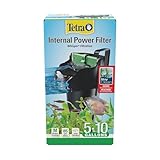
- INTERNAL POWER FILTER: Tetra Whisper Internal Power Filter for 5- to 10-gallon aquariums uses medium Whisper BioBag filter cartridges that are easy to change.
- QUIET 85 GPH MOTOR: The internal pump efficiently filters up to 85 gallons per hour.
- POWERFUL FILTRATION: Water flows through the cartridge floss, trapping debris and fish waste, while Ultra-activated carbon helps remove odor and discoloration.
- SPACE-SAVING DESIGN: Your aquarium can be 1” from the wall with the internal filter designed to clip directly on your aquarium wall and be hidden by décor.
- EASILY ADJUSTABLE: Adjustable clip allows for a variety of setups to easily adjust to high or low water levels.
What is an adipose fin for?
An adipose fin is a small, fleshy fin found in some fish groups, including salmonids and catfish. Its function is not settled. Sources describe possible roles, but there is no basis here for treating any one proposed explanation as a universal answer.
How fin shape and species change the story
Fin form and placement reflect different ways of swimming and living. Broad pectoral fins can support gliding; other fins may help a fish crawl, prop itself on a surface, or hold position among rocks. These are examples of specialized adaptations, not jobs shared by every fish.
Rank #4

- Powerful Pump: 300 GPH water pump effectively filters 55-150 gallons; ideal for large aquariums, turtle tanks, and ponds.
- Enhanced Aeration: Equipped with an adjustable valve to increase oxygen levels, promoting healthier, more active fish and turtles.
- Double Deep Filtration: Dual-stage black biochemical sponge removes odors and impurities; keeps water clear and fresh.
- Dynamic Water Flow: Boosts wave size and surface movement; improves circulation for a healthier aquatic environment.
- Adjustable Body: The aquarium filter features a detachable design. For tanks under 15 inches tall, you can lay the filter flat or remove the lower half of the filter sponge for a better fit.
The Department of Primary Industries and Regional Development, Western Australia, the University of Hawaiʻi at Mānoa, and Virginia Tech Extension describe common fin locations and roles while noting variation among fish. The South Carolina Department of Natural Resources, Confederated Salish and Kootenai Tribes, and Texas Parks and Wildlife Department discuss fin anatomy and the uncertainty around adipose-fin function.
Independent reader supportYour contribution helps us test, update, and keep practical guides available for everyone.FAQ
Which fish fin is used for forward movement?
The caudal fin is an important source of propulsion in many fish. Other fins can contribute to movement too, depending on the species and swimming style.
Best Value

- WITH ROTATING BIO-WHEEL: Patented Bio-Wheel technology provides excellent wet/dry biological filtration.
- MULTI-STAGE FILTRATION: Delivers mechanical, chemical and biological aquarium filtration to maintain a clean aquatic environment.
- MARINELAND FILTRATION PRODUCTS: Count on Marineland brand for the most reliable, technically advanced aquariums and accessories on the market.
- COMPATIBILITY: Use with Marineland Rite-Size Filter Cartridges (see individual filter for sizing recommendations).
- FIVE SIZES: Available in 75 GPH, 100 GPH, 150 GPH, 200 GPH and 350 GPH sizes.
Which fish fins are paired?
Pectoral and pelvic fins are paired, occurring as left-right sets. Dorsal, anal, and caudal fins are median, or unpaired.
What is the adipose fin for?
Its function is uncertain. Some sources discuss possible roles, but they do not establish one universal function for all fish with an adipose fin.
Do all fish use their fins in the same way?
No. Fin shape, position, and use vary by species and its way of life. The same fin type may support different movements in different fish.
Quick Recap
Product prices and availability are accurate as of the date/time indicated and are subject to change. Any price and availability information displayed on Amazon at the time of purchase will apply.
What’s actually slowing this PC down?
Pick the symptom - the matching free tool is one click away.




