
Some links on this page are affiliate links: if you buy through them we may earn a commission, at no extra cost to you.
A pet adoption event usually lets you meet available animals, talk with shelter or rescue staff, and begin an application or adoption. The exact process depends on the organization: some events accept walk-ins and offer on-site meet-and-greets, while foster-based groups may require an application or an appointment with the foster caregiver first. Check the event’s instructions before leaving home, and treat the meeting as a chance to gather information—not a guarantee that you can adopt that animal or take it home immediately.
What happens at a pet adoption event?
Most events follow a recognizable pattern, but every shelter, rescue and foster network sets its own rules. You may check in, browse animal profiles, speak with an adoption counselor or foster caregiver, meet one or more pets, and complete an application if a match looks promising. Some organizations can finish an adoption the same day; others need references, landlord confirmation, a home visit, additional veterinary care or a later appointment.
As an Amazon Associate I earn from qualifying purchases.
The Tool Desk
Outbyte Driver Updater FREEScan for outdated or missing drivers - takes under a minuteDriver Scan →Outbyte PC Repair FREEClear out junk files and repair common Windows errorsFree Scan →| Stage | What may happen | What to confirm |
|---|---|---|
| Before arrival | You read the listing and animal profile, then check whether the event is walk-in, appointment-based or application-first. | Hours, location, identification, payment methods, household attendance, resident-pet rules and same-day availability. |
| Check-in | Staff may explain the queue, available animals, meet-and-greet process and application requirements. | Whether a particular animal is still available and how introductions are scheduled. |
| Meet-and-greet | You speak with staff or a foster caregiver and observe the animal in a kennel, room or temporary event setting. | Known health, behavior, history, daily routine and information that remains unknown. |
| Application and counseling | An adoption counselor may discuss your household, housing, experience, schedule and expectations. | Required documents, approval timing, contract terms, fee and remaining care. |
| Pickup or follow-up | The pet may leave that day, or the organization may schedule pickup after treatment, surgery or another approval step. | Transport equipment, microchip registration, licensing, records and post-adoption support. |
For example, Seattle Animal Shelter describes both shelter and foster pathways, counseling and typical same-day pickup, while noting that some animals must stay for additional veterinary care or surgery. Pasadena Humane and King County Regional Animal Services also describe their own walk-in, meet-and-greet and processing procedures. These local examples illustrate why an event’s current instructions matter more than a general assumption.
Before you go: prepare for the organization’s process
Read the event listing and call if anything is unclear
Confirm the current hours, address, parking or check-in instructions and whether the animal you are interested in will actually attend. Foster-based organizations may list animals online but arrange meetings at a separate location. Ask whether applications must be submitted in advance, whether appointments fill quickly, and whether adoptions are processed in the order applications are approved.
Popular on Amazon
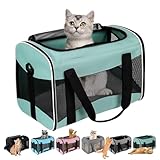
- [PRODUCT DIMENSIONS] Pet travel carrier size : 17x11x11 inches, recommended up to 15 lb pets, it is suitable for large, medium cats and small dogs. Please don't choose your airline cat carrying case based on weight, please refer to your pet's length and height when choosing a pet carrier size.
- [AIRLINE APPROVED] This cat carrier is designed with airline approved, it can fit comfortably under most flight seats, we can take our pets wherever we want. Dog travel carrier offers two attachment loop handles that can be used as a dual harness or as a luggage strap for balanced carry and secure transport.
- [EXCELLENT MATERIAL] Collapsible cat carrier is made of polyester fabric, supported by a steel ring, washable, wear-resistant and durable. The three sides and the top of this pet carrier are nylon mesh, scratch-resistant and not easy to damage, it can not only check your pet in real time, but also ensure enough air circulation.
- [SAFE AND COMFORTABLE] Dog travel bag has metal zippers on the top and side entrances, durable and not easy to deform, it allows your pets to enter and exit easily. The cat carrying case is equipped with an anti-escape safety buckle, which can effectively prevent pets from accidentally falling. It is suitable for car rides and vet rides.
- [PORTABLE AND FOLDABLE] Pet travel carrier comes with a detachable and hand washable wool pet bed, it can provide a comfortable sleeping space for your traveling pet. The cat travel case comes with an adjustable shoulder strap and handle for easy portability. When not in use, you can fold it up for storage.
Ask who needs to attend
Some organizations want every household member involved in the decision. Ask whether children should attend and whether all adults must provide identification or sign the contract. If you rent, verify that your landlord or housing provider permits the species, breed, size and number of animals before you apply.
Plan for resident animals
Do not bring a resident dog or cat unless the organizer specifically requests it. Pasadena Humane, for instance, asks visitors to leave resident pets at home and provides guidance for introductions. Another organization may use a different protocol, so ask how and when a controlled introduction should occur.
Bring the documents and payment method requested
A shelter’s checklist may include valid government-issued identification and a payment method. Have your address and landlord information available if required. If same-day pickup is possible, bring a secure carrier for a cat or small animal, or a properly fitted collar or harness and leash for a dog. Never rely on an improvised box, an unfastened leash or a pet riding loose in a vehicle.
Questions to ask about health and medical records
Ask for specific, documented information rather than a broad assurance that the pet is healthy. Petfinder advises asking what medical care an animal has received and whether known medical needs exist. Seattle Animal Shelter says adopters receive copies of available medical and behavioral records. Records can be incomplete, especially when an animal arrived as a stray or came from an unknown history.
- What vaccinations, tests, parasite treatments, dental procedures or surgeries are documented?
- Has the animal been spayed or neutered? If not, is the procedure scheduled, required by the contract or included in the fee?
- Does the pet take medication, need a special diet or have allergies, chronic conditions, previous injuries or follow-up appointments?
- What signs should a new adopter monitor during the first days at home?
- Can I receive copies of all available veterinary records, test results and discharge instructions?
- Which parts of the medical history are unknown or have not yet been evaluated?
An organization cannot promise that no undiscovered condition exists. Ask what has been examined, by whom and when, and budget for routine and unexpected veterinary care after adoption.
Also popular on Amazon
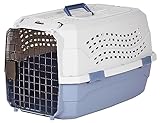
- Hard sided pet carrier with 2 doors for front and top entry; suitable for cat or medium size dog weighing 12 - 20 pounds
- Durable plastic construction with steel wire doors; screws keep the top and bottom sections securely connected
- Spring load latches ensure easy one-handed door opening and closing; top door swings open to the left or right and includes a top carry handle
- Plenty of air ventilation on the sides, top, and back of the carrier
- Note: Be sure to measure the size of the pet when choosing carrier size
Questions to ask about behavior and daily life
Separate observation from certainty
Ask what staff or the foster caregiver has directly observed and in what setting. A behavior assessment can reveal useful patterns, but shelter behavior is not a guarantee of how an animal will act after moving, decompressing and settling into a new routine.
Crashes, No Sound, or Screen Glitches?
Random freezes, missing sound and display glitches usually trace back to one bad driver. Find and replace yours safely.Free scan · under a minuteWindows Errors? Fix Them Before They Spread
Repair common Windows errors and clear accumulated junk for a smoother, more stable PC - no reinstall needed.Free scan · no reinstall- How does the pet behave around unfamiliar adults, handling, grooming, feeding and rest?
- Has the animal lived with children, dogs, cats or other animals? What was observed, and what has not been tested?
- What are the pet’s energy level, exercise needs, play style and tolerance for being alone?
- What training, socialization or enrichment does the animal already have?
- Are there known fears, triggers, guarding behaviors, escape attempts, separation concerns or bite incidents?
- What behavior assessment or written observations can you share?
- What routines help the animal feel safe, and what changes should be introduced slowly?
Ask for examples: “What happened the last time the dog met another dog?” is more useful than “Is the dog good with dogs?” If an answer is “unknown,” treat that as information to plan around, not as evidence that the behavior will be fine.
Questions about fit with your household
An animal can be adoptable and still not be the right match for every home. Compare the pet’s known needs with your actual schedule, space, experience and budget rather than deciding on appearance or an emotional first meeting.
People, children and routines
Discuss allergies, fears, mobility limitations, work hours, travel and who will provide daily care. Ask whether the pet has lived with children of similar ages and how supervision should work. A puppy, kitten or high-energy adult may need more frequent breaks, training and enrichment than your household can provide.
Housing and space
Confirm permission from a landlord, condominium association or local authority. Consider stairs, fencing, noise rules, elevator access, outdoor areas and a quiet place for the pet to decompress. A large dog may need more than a yard; a small animal may still require secure, species-appropriate housing.
Quick wins for a faster PC:
Scan for outdated or missing drivers - takes under a minuteDriver Scan →Repair Windows errors before they cause bigger problemsFix Now →Also popular on Amazon

- High Quality Design:Sturdy steel cage structure and wooden support board maintain good spatial stability and shape. Breathable mesh windows on four sides,which can ensure good air circulation and views,make pets have a comfortable and safe travel.It can also be easy for you to check on your pets.There is a front pocket to store pet toys,treats,etc.
- Dimension and Weight:Made of durable tear-resistant fabric.Four easy entrances for pets. Dimensions: 17 inch x 11 inch x 11 inch (L*W*H), suitable for pets up to 16 lbs.Please don't choose your carrier based on weight only,consider your pet's length and height when choosing a carrier.
- Airline Approved & Safty:Can be placed under the seats of most airplanes(Four non-slip feet on the bottom to prevent movement), and comfortably on the seat next to you in a car or bus.It has a adjustable shoulder strap.Can also be fastened to the car seat with a safety belt or shoulder strap to keep your pet safe.
- Easy to Clean :You can clean the stains and dirt on the surface with a soft cloth.Soft mat inside the pet carrier is removable and washable.You can take it out and wash it easily to solve all stains.
- Easy to Collapsible & Lightweight:When not in use,fold it into a flat,space saving and easy to store.Only 2.2lbs,it's easier to carry around.It can also used as a toy of pet house,allowing pets to play in a safe space to relax and rest.
Resident pets
Ask the organization to explain its introduction process. Plan separate spaces, gradual scent exchange and controlled meetings rather than putting animals together immediately. Follow the organization’s instructions about leashes, barriers, feeding and supervision.
Time and money
List food, routine veterinary examinations, vaccinations, parasite prevention, grooming, training, boarding, pet sitting, equipment and emergency care. Seattle Animal Shelter specifically advises planning for unforeseen medical expenses. Ask what costs are likely in the first month, including medication, a follow-up examination, licensing and supplies.
Adoption fees, timing and contract terms
Before signing, ask for the total amount due and exactly what it covers. Fees may include some veterinary services, microchipping or supplies, but inclusions vary by organization and animal.
- What is the adoption fee for this specific animal?
- Which vaccinations, sterilization, tests, parasite treatments, microchip and registration are included?
- Are licensing, prescription medication, follow-up surgery or other charges separate?
- Is the animal medically cleared to leave today?
- What does the contract require regarding veterinary care, identification, housing and transfer to another home?
- When and how will the microchip be registered to me?
- What identification or license must be obtained after adoption?
Local figures demonstrate why you should not use another organization’s fee as a benchmark. Pasadena Humane lists $150 for dogs six months and older and $300 for puppies under six months on its current fee schedule; those are its local amounts and can change. King County Regional Animal Services states that its processing estimate is about 30 minutes, but that is an estimate for its process, not a universal event duration. Pasadena Humane also cites a 120-hour stray-holding period, which is a local legal or operational timeline rather than a general waiting rule.
Recommended Free Tools
Can you take the pet home the same day?
Sometimes, but never assume it. Ask before you invest time in an application or bring a vehicle to the event. Same-day pickup may depend on approval, completed surgery, medical clearance, identification, payment and suitable transport.
Also popular on Amazon

- Pet Carrier: 17.5” L x 11” W x 11” H, Recommended max load of 16 lbs cats small dogs. Please do not choose your carrier based on weight--please reference your pet's length and height in selecting a pet carrier size.
- Fits for under-seat dimensions of most airlines. Every airline has a specific set of rules and regulations, please contact with airline before flying with your cats small dogs.
- Mesh windows for ventilation, top and side entry with locking zippers for safety. Carrying handles, adjustable shoulder strap which can also be used as seatbelt, and back strap can fasten the pet carrier to your luggage.
- Pet carrier comes with a removable base insert, which creates a solid surface for your pet to stand on, along with a removable & hand washable cozy fleece pet bed, which offers a cozy sleeping space for your traveling cats small dogs.
- "Toys for pets, of textile materials". Mostly used as a Toy of Fabric Pet Home for pets playing and relaxing.
One organization reports that most shelter animals can go home the same day while noting that some remain for additional veterinary care or surgery. A foster placement may require the caregiver’s approval, a home visit or a later handoff. If the pet cannot leave, ask what steps remain, who will contact you and whether another applicant can be approved first.
Return policies and post-adoption help
Ask what happens if the match is unsafe, medically unmanageable or simply unsuitable after a reasonable adjustment period. Confirm whether the animal must be returned to the organization, whether a trial period exists, who pays for transport and whether rehoming to another person is prohibited.
Support can include behavior advice, training referrals, a veterinary examination, phone consultation or access to records. Petfinder recommends asking about both return policy and post-adoption support. SPCA of Texas says its animals may be returned to it at any time at no cost; that is that organization’s policy, not a rule for all shelters or events. Get the policy in writing before you leave.
Free tools Windows power users keep installed
One-click scans. No signup required.
How to compare two animals or two organizations
Use the same questions for each option and write down answers. A calm event environment can make differences hard to remember later.
| Comparison area | Questions to record | Why it matters |
|---|---|---|
| Health | Documented care, medications, pending procedures and unknowns. | Shows likely follow-up work and financial exposure. |
| Daily routine | Energy, exercise, alone time, feeding, grooming and enrichment. | Tests whether the pet fits your schedule. |
| Social history | Experience with children, dogs, cats and handling. | Identifies introduction and supervision needs. |
| Support | Training referrals, counseling, records and return terms. | Shows what help exists after the adoption. |
| Process | Application steps, approval timing, fee inclusions and pickup rules. | Prevents surprises and helps you plan. |
When comparing organizations, note whether the information comes from a shelter record, a foster caregiver’s direct experience or an unverified report. More information is useful, but a long history is not automatically better than a short one; the important issue is whether the known needs fit your home and whether unknowns are manageable.
Also popular on Amazon

- AIRLINE APPROVED CARRIER - With airline-approved design, you can take your pet to go to everywhere. This pet carrier provides two connecting loop handles for balanced carrying as a dual seat belt or luggage strap to secure transport
- SAFETY DESIGN - The adjustable shoulder strap help you hands-free carrying and makes it more safe and convenient pet carrier bag for your travel
- DURABLE - This cat carrier is made of durable and lightweight polyester fabric. The four-side mesh will not only give a safe and comfortable travel for your pet, but also easy for you to check on your pet
- PORTABLE & FOLDABLE - This dog carrier is easy to carry and store, which has a padded shoulder strap and handles
- BOTH SIZES AND WEIGHTS - The mediun cat carrier is designed for small and medium pets within 15" x 9" x 9"(smaller than product) and 15 lbs. Please do not choose your carrier only based on weight. Reference your pets' length and height in selecting a carrier size.If carried on board, the maximum dimensions should not exceed 18IN*11IN*11IN.
Event-day checklist
- Review the event’s current listing, hours, location and animal availability.
- Confirm walk-in, appointment and application requirements.
- Ask which household members should attend and whether resident pets should stay home.
- Bring the requested identification and payment method.
- Bring a carrier or a collar or harness and leash only if same-day transport is permitted and the organizer requests suitable equipment.
- Carry a notebook or use your phone to record medical, behavior and contract details.
- Ask for copies of available records and written instructions for pending care.
- Do not sign until you understand the fee, pickup timing, return policy and ongoing obligations.
When to pause instead of adopting
Pause if your housing approval is uncertain, the household disagrees, the pet’s needs exceed your available time or budget, or staff cannot explain what care is still pending. Also pause if you feel pressured to decide before you can review records and contract terms. You can thank the staff, take the information home and return after discussing it with everyone responsible for care.
The goal of an adoption event is not to leave with the first animal you meet. It is to establish whether the pet’s known needs, unknowns and support options are compatible with your household for the long term.
Do these 3 things before closing this tab:
1Clear out junk files and repair common Windows errors2Scan for outdated or missing drivers - takes under a minute3Repair Windows errors before they cause bigger problemsFrequently Asked Questions
What questions should I ask when adopting a dog from an animal shelter or rescue?
Ask about documented medical care and unknowns, behavior around people and other animals, exercise and alone-time needs, training, adoption-fee inclusions, pending treatment, return terms and post-adoption support.
What is the process for adopting a dog from an animal shelter or rescue?
Check the event rules, complete any required application, meet the dog with staff or a foster caregiver, discuss household fit, review records and the contract, pay the applicable fee, and follow the organization’s pickup and transport instructions. The order and timing vary.





Leave a Reply