
Some links on this page are affiliate links: if you buy through them we may earn a commission, at no extra cost to you.
A routine animal-hospital visit usually follows a predictable path: check-in, a detailed history, observation from a distance, a gentle nose-to-tail examination, and a discussion of preventive care or tests. The veterinarian adapts the process to your cat’s age, lifestyle, symptoms and comfort. Cat-friendly clinics use minimal restraint and may pause or change position when a cat becomes frightened. Emergency visits begin differently, with immediate triage and stabilization if needed.
What happens when my cat arrives at the hospital?
After check-in, a technician, veterinary student or other team member usually records the reason for the visit and gathers background information before the veterinarian completes the assessment. In teaching hospitals, a senior student may collect the history and perform the initial physical examination, followed by faculty review and a care plan.
As an Amazon Associate I earn from qualifying purchases.
Quick wins for a faster PC:
Fix the driver behind crashes, sound loss and screen glitchesFind Drivers →Repair Windows errors before they cause bigger problemsFix Now →Scan for outdated or missing drivers - takes under a minuteDriver Scan →Have your cat’s current medical records, medication list and preventive-care information available. A concise timeline of any appetite, drinking, breathing, behavior or litterbox changes helps the clinician interpret what they see.
What questions will the veterinarian ask?
The history is a clinical tool, not paperwork. Expect questions about:
Popular on Amazon

- Pet Carrier: 17.5” L x 11” W x 11” H, Recommended max load of 16 lbs cats small dogs. Please do not choose your carrier based on weight--please reference your pet's length and height in selecting a pet carrier size.
- Fits for under-seat dimensions of most airlines. Every airline has a specific set of rules and regulations, please contact with airline before flying with your cats small dogs.
- Mesh windows for ventilation, top and side entry with locking zippers for safety. Carrying handles, adjustable shoulder strap which can also be used as seatbelt, and back strap can fasten the pet carrier to your luggage.
- Pet carrier comes with a removable base insert, which creates a solid surface for your pet to stand on, along with a removable & hand washable cozy fleece pet bed, which offers a cozy sleeping space for your traveling cats small dogs.
- "Toys for pets, of textile materials". Mostly used as a Toy of Fabric Pet Home for pets playing and relaxing.
- Diet, appetite, exercise and water consumption
- Breathing, coughing, vomiting or diarrhea
- Behavior, sleep, activity and unusual habits
- Urination, defecation and litterbox use
- Indoor-only or indoor/outdoor living
- Current medicines, supplements, flea or tick control and other parasite prevention
Accurate answers can reveal changes that are not obvious during a short appointment, especially in cats that hide illness.
Why does the veterinarian watch my cat before touching it?
Observation begins as soon as the cat enters the room. The clinician assesses alertness, demeanor, breathing pattern, gait, stance, coordination and general comfort before handling changes the cat’s behavior.
The Tool Desk
Outbyte Driver Updater FREEFix the driver behind crashes, sound loss and screen glitchesFind Drivers →Outbyte PC Repair FREEClear out junk files and repair common Windows errorsFree Scan →At every life stage, the record should include weight, body-condition score and muscle-condition score. These measurements help distinguish a naturally small cat from one losing muscle or carrying excess body fat.
What does a vet check on a cat?
The hands-on examination is a systematic check from the face to the tail. The veterinarian normally examines:
Also popular on Amazon
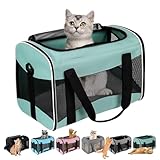
- [PRODUCT DIMENSIONS] Pet travel carrier size : 17x11x11 inches, recommended up to 15 lb pets, it is suitable for large, medium cats and small dogs. Please don't choose your airline cat carrying case based on weight, please refer to your pet's length and height when choosing a pet carrier size.
- [AIRLINE APPROVED] This cat carrier is designed with airline approved, it can fit comfortably under most flight seats, we can take our pets wherever we want. Dog travel carrier offers two attachment loop handles that can be used as a dual harness or as a luggage strap for balanced carry and secure transport.
- [EXCELLENT MATERIAL] Collapsible cat carrier is made of polyester fabric, supported by a steel ring, washable, wear-resistant and durable. The three sides and the top of this pet carrier are nylon mesh, scratch-resistant and not easy to damage, it can not only check your pet in real time, but also ensure enough air circulation.
- [SAFE AND COMFORTABLE] Dog travel bag has metal zippers on the top and side entrances, durable and not easy to deform, it allows your pets to enter and exit easily. The cat carrying case is equipped with an anti-escape safety buckle, which can effectively prevent pets from accidentally falling. It is suitable for car rides and vet rides.
- [PORTABLE AND FOLDABLE] Pet travel carrier comes with a detachable and hand washable wool pet bed, it can provide a comfortable sleeping space for your traveling pet. The cat travel case comes with an adjustable shoulder strap and handle for easy portability. When not in use, you can fold it up for storage.
- Skin and coat: hair loss, parasites, wounds, lumps, scaling and grooming changes.
- Eyes, ears and nose: discharge, redness, odor, pain and breathing-related abnormalities.
- Mouth: teeth, gums, oral tissues, odor and signs of dental disease.
- Heart and lungs: heart rate, rhythm, murmurs, breathing effort and lung sounds.
- Circulation and lymph nodes: pulse quality and enlarged or painful nodes.
- Throat, limbs and paws: swelling, range of motion, pain, gait and nail or pad problems.
- Abdomen: the bladder, kidneys, liver, intestines, spleen and stomach are palpated for size, shape, tenderness or abnormal masses.
- Back and musculoskeletal system: posture, spinal comfort and movement.
The veterinarian combines these findings with the history rather than treating any single observation as a diagnosis.
Will the vet restrain my cat?
Cat-friendly handling is deliberately slow and flexible. The team lets the cat influence positioning, uses short breaks and applies only as much restraint as is necessary for safety.
PC Slower Than It Used to Be?
A free scan shows the junk files, broken settings and background clutter dragging Windows down - then fixes them in one click.Free scan · Windows 10 & 11Crashes, No Sound, or Screen Glitches?
Random freezes, missing sound and display glitches usually trace back to one bad driver. Find and replace yours safely.Free scan · under a minuteA towel or blanket may provide a loose wrap when extra control is needed. Tight restraint and scruffing are avoided because they can increase fear and make future visits harder. If a cat becomes distressed, the clinician may change the examination sequence, allow recovery time or postpone a non-urgent part.
How does age change the examination?
The core examination remains the same, but the emphasis shifts as cats age.
Also popular on Amazon

- High Quality Design:Sturdy steel cage structure and wooden support board maintain good spatial stability and shape. Breathable mesh windows on four sides,which can ensure good air circulation and views,make pets have a comfortable and safe travel.It can also be easy for you to check on your pets.There is a front pocket to store pet toys,treats,etc.
- Dimension and Weight:Made of durable tear-resistant fabric.Four easy entrances for pets. Dimensions: 17 inch x 11 inch x 11 inch (L*W*H), suitable for pets up to 16 lbs.Please don't choose your carrier based on weight only,consider your pet's length and height when choosing a carrier.
- Airline Approved & Safty:Can be placed under the seats of most airplanes(Four non-slip feet on the bottom to prevent movement), and comfortably on the seat next to you in a car or bus.It has a adjustable shoulder strap.Can also be fastened to the car seat with a safety belt or shoulder strap to keep your pet safe.
- Easy to Clean :You can clean the stains and dirt on the surface with a soft cloth.Soft mat inside the pet carrier is removable and washable.You can take it out and wash it easily to solve all stains.
- Easy to Collapsible & Lightweight:When not in use,fold it into a flat,space saving and easy to store.Only 2.2lbs,it's easier to carry around.It can also used as a toy of pet house,allowing pets to play in a safe space to relax and rest.
| Life stage | Additional emphasis |
|---|---|
| All ages | Weight, body-condition score, muscle-condition score and demeanor |
| Kittens | Congenital abnormalities, dentition and infectious-disease concerns |
| Young adults | Cardiorespiratory findings, skin and coat health, and oral disease |
| Mature and senior cats | Oral, abdominal, thyroid, kidney, eye, heart, musculoskeletal and pain findings |
What tests are done at a cat checkup?
Testing is case-dependent; a normal physical examination does not automatically require every available test. Depending on age, symptoms, lifestyle and risk factors, the veterinarian may discuss:
- Fecal examination
- Heartworm testing
- Complete blood count
- Blood biochemistry
- Urinalysis
- Thyroid-hormone testing
The clinician should explain what a test is intended to find, the available options and the expected cost before diagnostics or treatment proceed. Preventive recommendations may also cover infectious and zoonotic disease risks, parasites, dental care, nutrition, behavior and age- or breed-related concerns.
What’s actually slowing this PC down?
Pick the symptom - the matching free tool is one click away.
How often should a cat have an examination?
Every cat should receive a veterinary examination at least annually. The appropriate interval depends on age and health: early kittenhood may involve monthly wellness examinations, an average adult cat commonly has annual visits, and middle-aged, senior and geriatric cats may benefit from examinations twice a year.
These are scheduling recommendations, not substitutes for an appointment when a cat develops new signs. A change in appetite, breathing, urination, behavior or comfort warrants contacting a veterinary practice sooner.
Also popular on Amazon
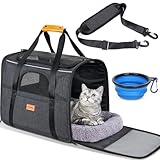
- 【 Spacious & Comfortable Cat Carrier 】The large cat carrier provides ample space for your feline friend to move, turn, and stretch during travel. Measuring 17.3 x 12.2 x 13.4 inches, it is wider and taller than most cat carriers, ensuring your pet feels comfortable and at ease while on the go.
- 【Balanced Mesh Design】Unlike other cat carrier hard, our cat carrier soft strikes the perfect balance with 40% mesh surface area. This ensures your pet can observe the surroundings and breathe easily while feeling safe and secure at the same time. The cat carrier large is suitable for pets in all kinds of situations.
- 【Built-in Dual-Sided Cushion】The detachable pad offers two distinct comforts: a cool side for summer and a super-soft, warm side for winter. You can easily flip it to match the season, providing the perfect temperature for your pet in any weather.
- 【Includes Foldable Bowl】Designed for on-the-go use, our foldable bowl carries 410g of food or 20oz of water. After use, simply collapse it and attach it directly to your pet's collar or leash, perfect for keeping your pet fueled and hydrated anywhere.
- 【Safe & Durable】Safety is our top priority, and the pet carrier for cat is equipped with a secure buckle to prevent your pet from escaping. The cat carrier soft is made of reinforced snow silk fabric and hard mesh material, ensuring durability and preventing any tearing during long-distance travel.
What should I bring to my cat’s examination?
- Prepare the carrier before the appointment and place a familiar towel or blanket inside.
- Bring medication, vaccination and parasite-prevention records, including doses and the time each medicine was last given.
- Bring a stool sample collected within the previous 24 hours if the hospital requests one.
- Write down recent changes in eating, drinking, litterbox habits, breathing, movement or behavior.
Keeping the carrier available at home, rather than introducing it only on appointment day, can make loading less stressful.
Independent reader supportYour contribution helps us test, update, and keep practical guides available for everyone.What is different about an emergency examination?
An emergency team starts with triage instead of a leisurely full history. Staff may record baseline vital parameters, move the cat to a treatment area, begin stabilization and perform urgent diagnostics or therapy with permission while the emergency clinician obtains the complete history and examination.
Free tools Windows power users keep installed
One-click scans. No signup required.
Once the cat is stable, the team can return to a more comprehensive assessment and explain findings, options and next steps.
What happens after the examination?
The veterinarian reviews the history and examination findings, identifies the most likely problems and explains whether monitoring, preventive care, testing or treatment is appropriate. You should leave knowing which signs to watch for, what follow-up is needed and when to contact the hospital again.
Also popular on Amazon
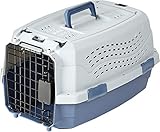
- Hard sided pet carrier with 2 doors for front and top entry; suitable for cat or extra-small dog breeds, such as chihuahuas and toy poodles (up to 11 pounds)
- Durable plastic construction with steel wire front door; screws keep the top and bottom sections securely connected
- Top door can swing open to the left or right for easy access and convenience
- Plenty of ventilation on sides, top, and back of the carrier
- Note: Be sure to measure the size of the pet when choosing carrier size
Frequently Asked Questions
How long does a cat examination take?
There is no single standard duration. A straightforward wellness visit may be completed after the history and physical examination, while fear, multiple problems, laboratory work or emergency stabilization can extend the appointment.
Can a veterinarian examine a frightened cat without forcing it?
Often, yes. The clinician can rearrange the sequence, use brief pauses and change positioning; a non-urgent portion may be deferred if continuing would create unnecessary distress.
Does an indoor cat still need regular veterinary examinations?
Yes. Indoor living does not eliminate dental, kidney, thyroid, weight, pain or other medical problems, and the annual minimum applies to all cats.
Is the ‘one human year equals seven cat years’ rule accurate?
No. Cat aging is not a simple seven-to-one conversion, so veterinarians use life stage and health status rather than that shortcut when planning care.





Leave a Reply