
Some links on this page are affiliate links: if you buy through them we may earn a commission, at no extra cost to you.
Before adopting, ask the rescue centre for documented information about the animal’s history, health, behaviour, daily routine, compatibility with your household, total costs, contract terms and return policy. Ask who supplied each fact, what was observed in foster care or at the centre, and what remains unknown. Then meet the pet, involve every household member, and verify the answers in writing before you commit. No shelter can guarantee a complete history or a perfect temperament, but a transparent organisation will explain its evidence and provide a plan for support if the placement fails.
What is the animal’s history?
Start with the circumstances that brought the pet into care. History can explain medical needs, fears and habits, but many rescued animals arrive with incomplete records. Treat the account as evidence with a source, not as a complete biography.


As an Amazon Associate I earn from qualifying purchases.
Questions about intake
- Was the animal a stray, an owner surrender, a transfer from another organisation or part of a cruelty case?
- What condition was it in on arrival, including weight, injuries, illness, pregnancy or signs of neglect?
- Has it lived in a home, kennel, foster placement or multiple settings?
- Has it been adopted before? If so, why was it returned, and what changed after that placement?
- Which details come from an owner, a previous shelter, a veterinarian, a foster caregiver or direct staff observation?
Ask the centre to identify unknowns explicitly. The Humane Society of Harford County cautions that age, health and temperament often cannot be guaranteed when records are missing. An honest “we do not know” is more useful than a confident guess.
What medical records and care should I request?
Request copies of the veterinary record before signing, not just a verbal summary. You need to know what was completed, what is due next and what care may cost soon after adoption.
Popular on Amazon

- "COMPLETE MEDICAL RECORDS FOR DOGS & PUPPIES: Comprehensive health record booklets designed to track vaccinations, deworming, exams, and treatments. Ideal for maintaining organized, accurate medical histories for individual dogs or entire litters."
- 25 INDIVIDUAL BOOKLETS PER PACK: Includes 25 separate health records, making it easy for breeders, shelters, rescues, or clinics to document care for multiple pets. A convenient, cost-effective option for professional use."
- CLEAR, CUSTOMIZABLE FORMAT FOR EASY RECORDING: Each booklet includes clearly labeled sections for vaccines, dates, and notes. Simple, organized design allows pet owners and professionals to record information quickly and legibly at home or during vet visits."
- PORTABLE & DURABLE DESIGN: Compact size fits easily into travel folders, puppy packets, or veterinary files. Sturdy paper stock ensures each record withstands handling over time, ideal for breeders and adopters."
- IDEAL FOR PET OWNERS, BREEDERS & CLINICS: A must-have tool for dog owners, shelters, veterinarians, and groomers to track a pet’s complete health history. Simplifies communication between caregivers, adopters, and clinics."
Minimum health checklist
- Vaccinations appropriate for the pet’s age and species, with dates and products used.
- Heartworm testing for dogs and any preventive prescription, including the next dose date.
- Fecal testing and/or deworming, with results and treatment dates.
- Spay or neuter status, operative notes and any restrictions during recovery.
- Microchip number, the registry used and instructions for changing the keeper’s details.
- Dental examination or treatment, flea and tick prevention, blood tests, imaging and other procedures.
- Current diagnoses, allergies, medications, diet restrictions and follow-up appointments.
Petfinder describes age-appropriate vaccination, heartworm testing, fecal testing and/or deworming, and spay/neuter as a baseline for dogs; some organisations also provide microchipping, dental work or flea and tick care. Confirm exactly what this centre includes rather than assuming every item is covered.
Ask about near-term care
- What veterinary visit does the centre recommend after adoption, and within what timeframe?
- Are additional vaccines, tests, surgery or medication already scheduled?
- Are there chronic conditions, special-care needs or likely expenses that a routine examination may reveal?
- Which emergency signs should prompt an immediate call or visit?
Have a veterinarian chosen before pickup. Keep the records, medication labels and discharge instructions together; a pet health record book can help you track due dates and hand copies to future caregivers.
Recommended Free Tools
How was the pet’s behaviour assessed?
Ask how conclusions were reached, in which environments and over what period. A single kennel test is a snapshot, not a guarantee of behaviour in your home.
Evidence and observers
- Who assessed the pet, what qualifications or training did they have, and when did the assessment occur?
- Was the animal observed in a kennel, play yard, foster home, public setting or more than one context?
- Can you read the assessment, daily logs or foster notes?
- What did staff, volunteers and foster caregivers each observe?
The ASPCA recommends using multiple information sources because surrender forms can lack context. Ask for consistent patterns across observers and settings, and ask what has not yet been tested safely.
Compatibility and safety questions
- How does the pet respond to adults, children, visitors and people wearing hats or using mobility aids?
- What is known about interactions with dogs, cats, small animals, livestock or other species?
- Has the pet shown fear, reactivity, resource guarding, escape attempts, handling sensitivity or a bite history?
- What situations trigger barking, hiding, lunging, scratching or other stress signals?
- How does the pet recover after a startling event?
Ask for precise descriptions rather than labels such as “good with kids.” Find out the children’s ages, the setting, whether food or toys were present and whether an adult supervised the interaction. A “no known history” statement means the behaviour has not been documented, not that the risk is absent.
Also popular on Amazon

- All-in-one pet care tracking: vaccinations, vet visits, medical exams, medications and more
- Easy access to pet’s health info: stay organized and on top of your pet's health
- Ample writing space: never run out of space; designed to last entire life of pet
- High-quality materials: durable and elegant design for long-lasting use
- Portable size: convenient A5 size, perfect for on-the-go; practical for vet visits and storage
What training and routine does the pet already know?
Knowing the current routine lets you reproduce familiar cues during the first days and identify where you need a gradual training plan.
Daily-life questions
- How long can the pet be left alone comfortably, and what happens when that limit is exceeded?
- What exercise, sniffing, play, climbing or other enrichment does it receive each day?
- What are the feeding times, portions, treats and food sensitivities?
- For dogs, is it house-trained, crate-trained or comfortable on a leash? For cats, is litter use reliable and what litter or box style is preferred?
- Where does the pet sleep, and what helps it settle?
- Which words, hand signals, rewards and handling methods work best?
The American Kennel Club’s adoption checklist specifically highlights housetraining, child and pet compatibility, leash walking and special care. Ask what training was attempted, what succeeded and what caused setbacks; then request a written routine if one exists.
Adjustment expectations
Ask how the centre expects the first days and weeks to look. A pet may be quiet in a shelter, overwhelmed after moving or more active once it feels secure. Find out which behaviours are normal decompression and which require a call to the rescue or a professional trainer.
Is the pet a practical fit for my household?
Compare the pet’s needs with your real schedule, housing and budget, not with an idealized version of your lifestyle.
Home and landlord checks
- Does your lease permit this species, size or breed type?
- Are there pet deposits, monthly pet rent, insurance requirements or local licensing rules?
- Can doors, windows, balconies, fencing and gates be secured against escape?
- Will allergies, noise limits, stairs or a shared outdoor area affect care?
People and resident animals
- Who will feed, exercise, clean, train and provide medication every day?
- Can every adult commit to the same rules and supervision plan?
- How should introductions to resident pets be managed?
- Does the rescue recommend temporary separation or an isolation period for health and decompression?
Broward guidance notes that introductions may require separation and can take weeks or longer. Ask for a staged plan: separate spaces, scent exchange, barrier viewing and short supervised contact. Do not leave unfamiliar animals together unsupervised until the rescue or your veterinarian considers it safe.
What’s actually slowing this PC down?
Pick the symptom - the matching free tool is one click away.
Also popular on Amazon
Absences and travel
Tell the centre your normal workday, weekends away and holiday plans. Ask whether the pet has used a sitter, boarding facility or dog walker, and identify who can take over if the primary caregiver is ill.
What does the adoption fee include?
Request an itemised written fee and a list of costs that remain yours. Fees and requirements vary by centre, so the organisation’s current written terms control.
| Cost or service | Question to ask |
|---|---|
| Adoption fee | What is the exact amount, and is it refundable if the adoption is cancelled or fails? |
| Veterinary care | Which vaccines, tests, sterilisation, dental work, parasite treatments and medications are included? |
| Identification | Is a microchip included, and who pays to register or transfer it? |
| Licensing | Is a municipal licence included, or must I obtain and renew it? |
| Transport | Is transport included, and are there separate transfer or travel charges? |
| Support | Are training referrals, a veterinary discount or follow-up consultation available? |
Also budget for supplies, the first independent veterinary examination, food, parasite prevention, grooming, insurance or emergency savings. Do not treat an apparently low fee as the total first-year cost.
Which paperwork and obligations continue after adoption?
Read the entire contract before paying. Ask the staff member to explain every clause that affects ownership, breeding, housing, medical care or future transfers.
The Tool Desk
Outbyte PC Repair FREERepair Windows errors before they cause bigger problemsFix Now →Outbyte Driver Updater FREEFix the driver behind crashes, sound loss and screen glitchesFind Drivers →Documents to obtain
- Signed adoption agreement and receipt.
- Complete veterinary record, medication list and treatment schedule.
- Microchip number, registry instructions and transfer confirmation.
- Vaccination certificates and sterilisation certificate, if applicable.
- Any licence paperwork, transport documents or behavioural guidance.
Clarify whether the contract requires sterilisation by a deadline, prohibits breeding or resale, restricts relocation, or requires notifying the centre before surrendering or transferring the pet. Keep digital and paper copies.
Also popular on Amazon
What happens if the adoption does not work out?
Ask for the return policy in writing before adoption. The AKC’s checklist specifically asks whether the shelter will take a dog back if it does not work out with the family, while Petfinder says a shelter or rescue group should accept the pet back regardless of circumstance.
Questions about the safety net
- Does the organisation accept returns at any time, including after months or years?
- Must I contact the centre before rehoming, and is an appointment required?
- Is any part of the fee refundable or transferable?
- Who is the emergency contact outside office hours?
- What post-adoption help is available for medical, behaviour or training problems?
Save the emergency number in your phone and ask what to do if the pet is lost, injured or unsafe. A clear return route protects the animal from an unsuitable private handoff and gives you a responsible option during a crisis.
How should I compare two suitable pets?
Use the same questions and evidence standard for each animal. A simple comparison prevents the most charismatic meeting from deciding a long-term commitment.
| Decision area | What to compare |
|---|---|
| Medical | Documented conditions, pending procedures, medication and probable near-term expenses. |
| Time and energy | Exercise, enrichment, time alone and daily supervision. |
| Behaviour | Responses to children, visitors, resident animals, handling and known triggers. |
| Training | House or litter habits, leash skills, cues, barriers and management needs. |
| Evidence quality | Completeness and source of records, plus consistency across observers and settings. |
| Housing | Lease rules, space, fencing, noise and introduction requirements. |
| Support | Return terms, emergency contact, training help and veterinary follow-up. |
Choose the match whose needs your household can reliably meet, not necessarily the younger, quieter or most immediately affectionate animal.
Independent reader supportYour contribution helps us test, update, and keep practical guides available for everyone.What should I do during the meeting before I decide?
- Bring every decision-maker and, where the centre permits, arrange a controlled meeting with resident dogs or cats.
- Observe the pet at rest, during handling, around food or toys, and while moving through a new space. Follow staff instructions and never create a risky test.
- Repeat important questions to different staff or the foster caregiver and note whether the answers align.
- Ask to see records and take photographs or copies with permission.
- Discuss a trial, foster-to-adopt period or follow-up call if the organisation offers one.
- Wait until you can explain the daily routine, medical plan, total initial costs and return procedure to another household member.
Do not rush because another applicant is interested. A responsible centre should allow informed questions and tell you when information is unavailable.
Also popular on Amazon
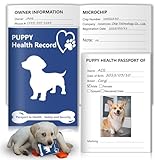
- Product Include:When you choose our dog vaccines records tracker, you'll receive one notebook.This 12-page puppy health journal has 8 dedicated pages for tracking your pup’s health, vet visits, and key details, with 4 blank pages at the end for jotting down extra notes, pet-related info, or anything else you want to record.
- Ideal Size for Record Keeping:Each dog vaccine record book measures 5x3.5 inches folded; 5x7 inches unfolded, allowing for easy portability and storage.These handy health records notebook for dogs with double sided printing, featuring enough space for all your pets important information,plus, it has dedicated spots for sticking on vaccine stickers and adding cute puppy photos.They offer a stylish and organized approach to pet health documentation, a must have addition to your pet supplies.
- Premium Quality: The puppy health record tracker’s cover features 300gsm coated paper with vibrant full-color printing and a protective laminate finish. Inside, 100gsm high-quality offset paper pages are durable and ink-resistant, ensuring no bleeding from pens or markers—so your records stay neat and easy to read.
- Effortlessly Track Vaccinations and More:The canine health record booklets pages include:owner and puppy information,medical history and hospitalizations,vaccination record and sticker,dog service providers,fecal examinations and de-worming,heartworm screening, prevention and treatment etc.This record keeping tool will ensure every important detail is accounted for and make this task easy, organized, and straightforward.Add this essential tool to your pet supplies for a happier, healthier pet.
- Essential for Pet Owners:Designed for veterinary clinics and pet owners, these puppy vaccination record books make tracking key health details—like shots, checkups—simple and organized. When you’re away and leave your pup with a sitter or family, the dog medical record and vaccine book serves as a quick reference for their medical history. Plus, dedicated sections for photos, physical markings, and ID info prepare you for emergencies, helping you recover your friend quickly if they get lost.
Which warning signs should make me pause?
Pause the adoption and seek clarification when the centre will not show records it says exist, dismisses specific safety questions, gives contradictory accounts, pressures you to pay immediately or cannot explain its return process. Missing information alone does not make an animal unsuitable; refusing to acknowledge missing information does.
For behaviour concerns, ask what management has worked and whether a qualified professional can help. For medical uncertainty, arrange an independent veterinary examination as soon as possible and understand any adoption-contract deadlines for reporting problems.
Do these 3 things before closing this tab:
1Clear out junk files and repair common Windows errors2Fix the driver behind crashes, sound loss and screen glitches3Repair Windows errors before they cause bigger problemsFrequently Asked Questions
Should I bring my children to meet a rescue pet?
Ask the centre first, because some animals should meet children only under a controlled plan. If a visit is approved, bring the children who will live with the pet, keep the interaction brief and supervised, and follow the staff member’s handling instructions.
Can a rescue centre guarantee that a dog is safe with cats?
No. A centre can report observed interactions and management needs, but behaviour may change in a new home. Ask whether the dog has lived with cats, how the test was conducted and what separation plan is recommended.
How soon should I see my own veterinarian after adoption?
Ask the rescue for its recommended timeframe and any contract deadline, then book the appointment before pickup when possible. Bring every record, medication and diet instruction so the veterinarian can verify preventive care and identify follow-up needs.
What should I do if the pet is missing after adoption?
Contact the rescue’s emergency number, the microchip registry and local animal-control or shelter services immediately. Ask the centre before adoption which identification details must be updated and whether it provides lost-pet assistance.
Quick wins for a faster PC:
Scan for outdated or missing drivers - takes under a minuteDriver Scan →Repair Windows errors before they cause bigger problemsFix Now →Fix the driver behind crashes, sound loss and screen glitchesFind Drivers →




Leave a Reply