Quick wins for a faster PC:
Repair Windows errors before they cause bigger problemsFix Now →Fix the driver behind crashes, sound loss and screen glitchesFind Drivers →Clear out junk files and repair common Windows errorsFree Scan →Before your pet’s first visit with a new veterinarian, ask the current clinic to send the complete medical record and confirm the new practice has received it. Then check how the new team will handle active treatment, prescriptions, pending test results and after-hours emergencies. These steps help the veterinarian understand your pet’s history and help you avoid preventable gaps in care.
Start with the medical record—not the invoices
A new veterinarian needs more than a list of vaccines and charges to understand what has happened and why. An invoice may show that a test or medication was billed, but it does not necessarily include examination findings, results, the veterinarian’s assessment, treatment discussions or follow-up instructions. Request the full record before the first appointment, and check directly with the new practice that it arrived.


As an Amazon Associate I earn from qualifying purchases.
Ask the current clinic to send the complete file
You can ask: “Can you send my pet’s complete medical record to the new practice, including examination notes, diagnoses, laboratory and imaging results, treatment plans, medication history and vaccine history?” Ask whether any records from a specialist, emergency hospital, imaging center or outside laboratory are missing from the clinic’s file. If they are, request copies from the relevant provider as well.
Do these 3 things before closing this tab:
1Repair Windows errors before they cause bigger problems2Scan for outdated or missing drivers - takes under a minute3Clear out junk files and repair common Windows errorsAlso ask whether test results are still pending and whether the current veterinarian recommends a follow-up date or monitoring plan. Those details matter if a result comes in after you have started arranging care elsewhere. Give the current clinic the new practice’s contact information and ask how it will transmit the file; then contact the receiving clinic to confirm it has what it needs.
#1 Best Overall
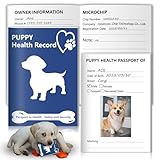
- Product Include:When you choose our dog vaccines records tracker, you'll receive one notebook.This 12-page puppy health journal has 8 dedicated pages for tracking your pup’s health, vet visits, and key details, with 4 blank pages at the end for jotting down extra notes, pet-related info, or anything else you want to record.
- Ideal Size for Record Keeping:Each dog vaccine record book measures 5x3.5 inches folded; 5x7 inches unfolded, allowing for easy portability and storage.These handy health records notebook for dogs with double sided printing, featuring enough space for all your pets important information,plus, it has dedicated spots for sticking on vaccine stickers and adding cute puppy photos.They offer a stylish and organized approach to pet health documentation, a must have addition to your pet supplies.
- Premium Quality: The puppy health record tracker’s cover features 300gsm coated paper with vibrant full-color printing and a protective laminate finish. Inside, 100gsm high-quality offset paper pages are durable and ink-resistant, ensuring no bleeding from pens or markers—so your records stay neat and easy to read.
- Effortlessly Track Vaccinations and More:The canine health record booklets pages include:owner and puppy information,medical history and hospitalizations,vaccination record and sticker,dog service providers,fecal examinations and de-worming,heartworm screening, prevention and treatment etc.This record keeping tool will ensure every important detail is accounted for and make this task easy, organized, and straightforward.Add this essential tool to your pet supplies for a happier, healthier pet.
- Essential for Pet Owners:Designed for veterinary clinics and pet owners, these puppy vaccination record books make tracking key health details—like shots, checkups—simple and organized. When you’re away and leave your pup with a sitter or family, the dog medical record and vaccine book serves as a quick reference for their medical history. Plus, dedicated sections for photos, physical markings, and ID info prepare you for emergencies, helping you recover your friend quickly if they get lost.
Check whether authorization is needed
Ask the current clinic, “Do you need my written authorization, and what is the best way to submit it?” Record-release procedures vary by jurisdiction and practice. VCA Animal Hospitals’ guidance says owner permission is required in most U.S. states and Canadian provinces, not all of them, so do not assume one rule applies everywhere. Follow the clinics’ instructions and check local requirements if anything is unclear.
What to do if the records are delayed
Ask the current clinic when it expects to send the file and ask the new practice whether paper or electronic copies you already have would help in the meantime. Bring any important documents that may not have arrived, such as specialist reports, recent test results or discharge instructions. A personal folder can keep those copies and appointment notes together, but it does not replace requesting the full record or having the clinics transfer it.
Protect continuity for medication and active treatment
Do not assume the new practice will automatically renew a prescription written elsewhere. The veterinarian may need to examine your pet, review the history and decide what is appropriate under applicable rules. Before the transition, ask the current clinic how to avoid a medication gap while the new veterinarian reviews the case; do not change a dose, stop a medication or extend its use without veterinary guidance.
The Tool Desk
Outbyte Driver Updater FREEScan for outdated or missing drivers - takes under a minuteDriver Scan →Outbyte PC Repair FREERepair Windows errors before they cause bigger problemsFix Now →Rank #2

- All-in-one pet care tracking: vaccinations, vet visits, medical exams, medications and more
- Easy access to pet’s health info: stay organized and on top of your pet's health
- Ample writing space: never run out of space; designed to last entire life of pet
- High-quality materials: durable and elegant design for long-lasting use
- Portable size: convenient A5 size, perfect for on-the-go; practical for vet visits and storage
Give the new veterinarian a clear handoff
Tell the new team about current diagnoses, medications, allergies and previous reactions to vaccines or medications. Include any known reaction to anesthesia or sedation, as well as handling preferences or approaches that have helped your pet remain calm. Mention treatments already underway, recommended rechecks, pending test results and any concerns the previous clinic was monitoring.
For an ongoing condition, bring home observations or logs that the veterinarian has already asked you to track—for example, weight, food intake, glucose readings or pain observations. Include the dates and explain how each measure was collected if that information is relevant. These notes complement the medical record; they are not a reason to interpret results or alter care on your own.
Ask how follow-up will work
For a pet receiving active treatment, ask the prospective practice how it will review the current plan, who will check pending results and how it will arrange a recheck if one is needed. Ask how you will hear about routine and urgent results, what contact route to use with follow-up questions, and what timeframe to expect. If specialist care is involved, ask how the practice shares records and coordinates next steps with that team.
Questions to ask a prospective practice before booking
Confirm that the clinic is accepting new patients and routinely treats your pet’s species, age and health needs. Then use these questions to find out whether its services and day-to-day arrangements suit your household:
- Services and referrals: “Which routine services, diagnostic tests and specialists are available here, and which needs require a referral?” Ask about services relevant to your pet’s known conditions rather than relying on a general list.
- Scheduling and location: “What are your regular hours, how far ahead are appointments usually booked, and what should I do if my pet needs care outside those hours?” Consider how practical the clinic is to reach when your pet is unwell, not just on a routine visit.
- Results and communication: “How do you share normal and urgent test results, and how can I contact the care team with a follow-up question?” Listen for a clear process, including who contacts you and what to do if you have not heard back within the expected timeframe.
- Record transfer: “How do you receive records, and should I bring paper copies as a backup?” Tell the clinic when records are being sent and ask it to confirm receipt before the visit if possible.
- Patient comfort: “How do you accommodate pets who are anxious, fearful, reactive, have limited mobility or struggle in a busy waiting room?” If relevant, ask about cat-friendly or Fear Free practices and what you can arrange before arrival.
- Costs and estimates: “What is the fee for an initial examination, how do you provide estimates for diagnostics and treatment, and what payment options do you accept?” Ask what may cause an estimate to change after an examination or test. A quote helps with planning, but clinical findings can affect the care recommended.
- Specialist coordination: “If my pet needs a specialist, how do you share records and coordinate follow-up with that team?” Clarify who will arrange the referral and how information will get back to your primary-care veterinarian.
Compare clinics against your pet’s actual needs
No single feature determines whether a practice is the right fit. AAHA’s owner guidance recommends considering services and specialist access, communication, emergency arrangements, facility considerations, cost and accreditation. Weigh those factors against your pet’s needs and your household’s practical constraints.
Clinical fit and access
Check whether the practice sees your pet’s species and has experience with the relevant life stage or health needs. A clinic may provide routine care but refer some diagnostics or specialist services elsewhere. Ask which services are performed on site and which require a referral, so you know what an extra appointment or transfer might involve. Also consider regular hours, appointment lead times and travel time.
Communication and patient comfort
A useful conversation should leave you understanding how to ask questions, receive results and know what happens next. Ask how the staff approaches a pet who is frightened, reactive, uncomfortable around other animals or unable to move easily through a typical waiting room. The answer can help you judge whether the practice will plan around your pet’s needs rather than expecting every animal to manage the same visit.
Cost clarity and payment choices
Compare the initial examination fee and ask how the clinic estimates diagnostics and treatment. Find out whether staff will discuss an estimate with you before proceeding and what could change it if the examination reveals something unexpected. Payment arrangements differ between practices; ask directly about accepted payment methods, payment plans or financial assistance rather than assuming they are available. If insurance is relevant to your household, ask how the clinic handles insurer paperwork or direct arrangements, since those practices vary too.
What accreditation can—and cannot—tell you
AAHA accreditation is voluntary, so it can be one comparison point rather than a requirement for choosing a veterinarian. AAHA says accredited practices are evaluated on “nearly 50 mandatory standards and almost 900 total standards,” including areas such as medical records, patient care, surgery and emergency care. These are AAHA’s descriptions of its accreditation evaluation, not independent proof that a particular clinic will produce a better outcome for your pet.
Independent reader supportYour contribution helps us test, update, and keep practical guides available for everyone.Know the emergency plan before you need it
Ask the new practice what it handles in-house, what it refers elsewhere and what to do when its doors are closed. Specifically ask whether it accepts emergency visits, whether calls outside regular hours go to an answering service or another provider, and which emergency veterinary hospital the team recommends. Record the name, address and contact details of the emergency clinic so you are not trying to find them under pressure.
AAHA’s owner guide recommends checking whether a regular practice accepts emergency visits and knowing the closest emergency veterinary practice. A referral arrangement or a nearby emergency hospital is not the same as round-the-clock care at your primary clinic, so ask what actually happens after hours. If your pet urgently needs veterinary attention, contact a veterinarian or emergency clinic rather than delaying care to finish an administrative transfer.
Make the first appointment useful
- Arrange the transfer: Ask the current clinic to send the complete record to the new practice, and complete any authorization it requests.
- Confirm receipt: Contact the new clinic before the visit. Ask whether anything is missing, especially recent test results, specialist or emergency records, and information about active treatment.
- Prepare a concise handoff: Write down current medications with doses and instructions, diagnoses, allergies, reactions, handling preferences, pending results and the follow-up plan you have been given.
- Bring relevant records and observations: Take copies of key documents that may not have arrived and any home monitoring notes already recommended by a veterinarian.
- Set an agenda: Write down your main concerns and what you hope to resolve. For an ongoing condition, note what has changed and when.
- Before leaving, clarify next steps: Ask what the veterinarian recommends next, who will contact you about results and when, and whom to contact if a new question or concern comes up.
AAHA’s 2019 position on the veterinarian-client-patient relationship says the relationship supports medical judgment, sufficient knowledge of the patient, ongoing care or arranged coverage, and legible records that support continuity. The position describes a physical examination within the past 12 months, or more frequently when the animal’s age, condition or therapy calls for it. This is AAHA’s position, not a universal legal rule; requirements can differ by jurisdiction. The practical point for a transition is to give the new veterinarian enough history to assess your pet and decide what examination or follow-up is appropriate.
Quick Recap
Keep a simple transition checklist
- Full record requested from the current clinic; authorization completed if required.
- Receipt of records confirmed with the new practice; missing outside records identified.
- Medication continuity, active treatment, pending results and rechecks discussed.
- Diagnoses, allergies, previous reactions and handling preferences shared.
- First-visit documents, monitoring notes and questions gathered.
- Regular-hours contact route and after-hours emergency clinic identified.
Product prices and availability are accurate as of the date/time indicated and are subject to change. Any price and availability information displayed on Amazon at the time of purchase will apply.




