Quick wins for a faster PC:
Fix the driver behind crashes, sound loss and screen glitchesFind Drivers →Clear out junk files and repair common Windows errorsFree Scan →Before your pet starts a prescription medicine, leave the appointment with a written, medicine-specific plan: why it is being used, exactly how to give it, what to do if a dose is missed or vomited, which side effects need attention, and when follow-up is due. These answers depend on the individual animal and drug, so do not infer a dose or change instructions from general advice.
Start with the medicine’s purpose and expected result
Ask what condition or symptom the medicine is intended to treat, what improvement to look for, and how soon you might see it. A medicine may be intended to relieve a symptom, manage a chronic condition, or treat a problem over a defined course. Knowing the goal gives you a practical way to notice whether treatment appears to be helping and to report changes clearly.
As an Amazon Associate I earn from qualifying purchases.
- “What should improve, and how will we know the medicine is working?” Ask what changes matter for your pet and when the veterinarian would want to hear that there has been no improvement.
- “How long should my pet take it?” Confirm the intended duration and whether the treatment requires consistent dosing or completion of a prescribed course, even if your pet seems better.
- “Are there other treatment options?” If alternatives exist, compare their expected benefits, possible side effects, ease of administration, and monitoring needs. FDA notes that choosing among medicines for some conditions can involve balancing likely outcomes against side effects.
Do not stop early, extend treatment, or change the plan solely because your pet looks better or worse. Ask the veterinarian what to do in that situation.
Get exact instructions for every dose
“Give as directed” is not enough to rely on from memory. Write down the amount, schedule, route, and food instructions for this particular prescription. If more than one medicine is being started or continued, record each separately so their directions do not get mixed up.
#1 Best Overall
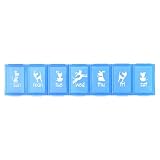
- Provides daily reminder for medication
- Helps prevent "multiple" doses by other family members
- Allows easy differentiation from pet verses human medication
- Allergen Information: Gluten Free
- Amount and timing: What exact amount should I give each time, and how often? Ask when the first dose should be given and what to do if the regular schedule is disrupted.
- Route: Is it given by mouth, applied to the skin, placed in an eye or ear, or administered another way? Ask for a demonstration if you have not used that form of medicine before.
- Food: Should I give it with food, before a meal, or on an empty stomach? Medicines differ, so do not assume food is always helpful or always necessary.
- Liquids and measuring: Does the liquid need shaking? Which measuring device should I use? If one was supplied, ask the veterinarian to show you how to measure the prescribed amount with it.
- Tablets and capsules: May this specific medicine be split, crushed, opened, or otherwise altered? Do not alter a tablet or capsule unless the veterinarian specifically says to. If instructed to halve a tablet, FDA recommends using a pill cutter for a more accurate split.
Repeat the directions back in your own words before leaving. That gives the veterinary team a chance to catch a misunderstanding about the amount, frequency, route, or food timing.
Agree in advance on what to do when a dose goes wrong
A missed dose, a dose your pet spits out, or medicine vomited shortly after administration can create an immediate question: give more, wait, or call? The correct response depends on the medicine. Ask for a specific plan before you need one, and keep it with the written directions.
- Missed dose: If I remember late, should I give it then or wait for the next scheduled dose?
- Spit-out or vomited dose: How can I tell whether enough was swallowed, and should I repeat any of it?
- Possible extra dose: Whom should I contact, including after hours, if I may have given too much?
Do not guess or automatically give a replacement dose after vomiting or spitting out medicine. FDA advises contacting the veterinarian right away after a suspected overdose. Write down the clinic’s daytime and after-hours contact instructions, rather than waiting until a problem occurs to find them.
Tell the veterinarian about your pet’s full health and medication picture
Before prescribing, give the veterinarian a complete, current list of what your pet takes. Include prescription medicines, nonprescription medicines, and supplements, even if they seem unrelated to the condition being treated. Bring the packages or clear photos of their labels if you are unsure of a name or strength.
Rank #2

- Easy to Fill: AUVON AM PM pill organizer 7 day is designed to open on the same side and the lid stays open at 180°, so it is easier and more efficient to fill and retrieve your pills
- Large storage: AUVON weekly pill organizer consists of seven daily pill boxes, each with two compartments for day and night. A single compartment can hold 8 fish oils or 16 capsules. The one single compartment size: 1.5" x 1.7" x 0.8", and the daily pill box size: 3.1" x 1.7" x 0.8"
- High Quality: The shell and inner hinges are reinforced for 10,000 uses. The medication organizer letters were UV printed, which is long-lasting for 10,000 times of use, so you do not need to worry about the rub-off labels
- Portable Designed: Each day of the pill holder can fit in any of your wallet or pockets, and the whole morning and night pill boxes with a black case can protect your medication privacy while holding a week's pills for your travel
- Safe for Use: Made of BPA-free materials that are safe for humans, you can safely store your daily pills in this daily vitamin organizer. Tips: Please put your pills in a dry environment
Also mention known allergies, previous medication reactions or problems, and chronic health conditions. These details can affect the veterinarian’s assessment of interactions and other risks. If anything changes after the appointment—for example, another provider prescribes a medicine—ask the veterinarian whether the original plan still applies.
Useful questions include:
- Could this medicine interact with any of my pet’s current medicines or supplements?
- Does an allergy, past reaction, or chronic condition change the risks for my pet?
- Should I check with you before starting any new medicine or supplement during this course?
The veterinarian needs the complete list to assess the particular combination. Do not assume that an over-the-counter product or supplement is irrelevant because it was not prescribed.
Know which side effects require action
Ask which possible side effects to watch for, which ones warrant an immediate call, and whom to contact if the clinic is closed. Also ask whether you should stop the medicine if a side effect appears or continue until you receive instructions. That last point should be settled for the specific prescription rather than guessed from general guidance.
FDA’s general owner guidance says to stop a medicine and call if side effects occur. Its guidance for Client Information Sheets tells owners to call the veterinarian, who can decide whether the pet should stop taking the medicine. Because the advice is not phrased identically across these general materials, ask your veterinarian for an advance, medicine-specific response plan. The veterinarian can tell you what to do for this drug and your pet, including what symptoms need urgent attention.
Rank #3

- AM/PM COMPARTMENTS: Plan doses for morning and evening with separate AM/PM compartments
- LARGE CAPACITY: Each compartment can hold 12 aspirin sized tablets
- CONTOURED BOTTOMS: Planner compartments have contoured bottoms so retrieving your medication out of the planner is simple
- CLEAR LIDS: Clear planner lids keep your medication visable to help prevent missed doses
- HEALTHY LIVING: Amazon Basic Care products make living healthier simply easier
When calling about a possible reaction, be ready to describe what you noticed, when it began, when the last dose was given, and whether anything else changed. Do not wait for a scheduled recheck if the veterinarian has told you a symptom needs an earlier call.
Find out what follow-up or monitoring is planned
Some treatments need a recheck, laboratory tests, or other monitoring, especially when they continue over time. Ask when the next appointment should be, what will be assessed, and whether a test needs to happen before the visit or before a refill. These details help you distinguish a short course from a treatment plan that needs periodic review.
- When should I bring my pet back for a recheck?
- Will blood tests or other monitoring be needed, and when?
- What changes should I report between appointments?
- Who should I contact if the medicine does not seem to help by the expected time?
Put the recheck date or monitoring window on your calendar. If the intended duration or follow-up timing is unclear, ask the clinic to clarify it before you run out of medicine.
The Tool Desk
Outbyte Driver Updater FREEFix the driver behind crashes, sound loss and screen glitchesFind Drivers →Outbyte PC Repair FREEClear out junk files and repair common Windows errorsFree Scan →Ask about written information, storage, and disposal
Ask whether the medicine has a Client Information Sheet or package insert you can take home. FDA says some, but not all, animal medicines have owner-facing Client Information Sheets. If one is available, use it as a reference alongside—not instead of—the instructions your veterinarian gave for your pet.
Rank #4

- KEEP TRACK OF YOUR PILLS. You can simply organize your weekly pill organizer 2 times a day at the beginning of the week and place the box on the counter to easily keep track and maintain your AM PM medication regimen, which is great if you're traveling or on-the-go since you can detach exactly the days you need
- PORTABLE BUT BIG ENOUGH. Inner individual vitamin organizer can fit into your pocket or purse without being bulky, and keep your daily medicine, supplements always on hand. However, each pill pack is also with a nice capacity to hold 6 fish oils or 14 capsules for daily uses. (size of each case: 2.8" x 1.7" x 0.7", overall size: 5.8'' x 3.1'' x 1.9'')
- SECURE PILLS FROM SPILLING. No worries about unwanted dumpage of pills found by pets and kids for your slightest unintentional.Outer solid ABS holder and 7 daily food-grade PP pill dispenser cases keep your medicine and supplement safe
- SAY BYE TO RUB-OFF. No need to worry about printings rubbed off with the upgraded Printing Technology for up to 100,000 times of use
- WHAT YOU RECEIVE: 1 x AUVON AM PM Pill Organizer, our 12-month Warranty, and Friendly Customer Service
Confirm any special storage or handling requirements, including whether the medicine needs refrigeration or protection from light, and ask how to dispose of unused medicine. Keep it in its original labeled container so the name and directions remain identifiable. Store animal medicines away from human medicines and where pets and children cannot reach them. Do not share one pet’s prescription with another, and do not give your pet a human medicine unless the veterinarian directs you to.
For additional medicine information, FDA points owners to DailyMed and Animal Drugs @ FDA. FDA notes that its animal-drug database does not contain every kind of animal medicine, so an absent listing does not establish that a medicine is inappropriate. For questions about your pet’s prescription, ask the prescribing veterinarian.
Know how the prescription will be filled
Ask the veterinarian how to fill the prescription and what to do if the product you receive looks different from what you expected. In the United States, animal prescription medicines are dispensed by or on the lawful order of a licensed veterinarian under federal requirements; state or local rules may also apply.
Do these 3 things before closing this tab:
1Repair Windows errors before they cause bigger problems2Scan for outdated or missing drivers - takes under a minute3Clear out junk files and repair common Windows errorsFDA cautions pet owners to avoid online sellers that do not require a valid veterinary prescription. Contact the veterinarian if a delivered product looks different, causes a reaction, or does not seem to work. Do not substitute a different product or change the dose on your own while trying to resolve a dispensing concern.
A concise checklist to take to the appointment
Use these questions to make sure the conversation covers the decisions you will need to make at home:
- What is this medicine treating, what improvement should I expect, and how soon?
- How long should my pet take it, and should the prescribed course be completed if my pet seems better?
- What exact amount should I give, how often, by what route, and in relation to food?
- Does the liquid need shaking, and what measuring device should I use?
- May this exact tablet or capsule be altered, and can you demonstrate how to give it?
- What should I do after a missed dose, vomiting, or a dose my pet spits out?
- Whom should I contact after hours or after a possible overdose?
- Which side effects need an immediate call, and should I stop or continue the medicine while waiting for advice?
- Could my pet’s other medicines, supplements, allergies, past reactions, or chronic conditions change the risks?
- When is the recheck, and are tests or other monitoring needed?
- How should I store and dispose of the medicine, and is there written information to take home?
FDA’s Center for Veterinary Medicine says, “Most medication errors are preventable.” A clear written plan, an accurate medication list, and a question about anything uncertain can help prevent avoidable mistakes. Ask the veterinarian to write down any instruction that is easy to forget or specific to this medicine.
Quick Recap
Product prices and availability are accurate as of the date/time indicated and are subject to change. Any price and availability information displayed on Amazon at the time of purchase will apply.
What’s actually slowing this PC down?
Pick the symptom - the matching free tool is one click away.




