
Some links on this page are affiliate links: if you buy through them we may earn a commission, at no extra cost to you.
If an unfamiliar dog approaches aggressively, stop, stay calm, turn slightly sideways, avoid eye contact, and keep your hands near your neck with your elbows in. Do not run or scream. Let the dog pass or lose interest, then back away slowly. If an attack seems imminent, place a backpack, jacket, purse, bicycle, or another object between you and the dog.
Your response changes if the dog is already biting, if you are knocked down, or if skin is broken. The steps below separate those situations so you can protect yourself first, then handle wound care, rabies and tetanus questions, and reporting.

As an Amazon Associate I earn from qualifying purchases.
Recommended Free Tools
What should I do when an unfamiliar dog approaches?
The safest response is stillness followed by a slow retreat. A running person can trigger a chase, while sudden gestures or direct staring may increase the dog’s arousal.
- Stop and stay calm. Stand still, keep your breathing controlled, and do not scream, run, or make quick movements. Avoid direct eye contact.
- Turn your body slightly sideways. Keep one shoulder toward the dog rather than facing it squarely. Raise your hands toward your neck and keep your elbows close to your body.
- Use a low, firm voice if needed. A brief command such as “no” or “go home” can communicate that you are not inviting contact. Do not shout repeatedly.
- Wait, then leave slowly. When the dog loses interest or settles, move away at a walking pace. Keep the dog in your peripheral vision and do not turn your back to run.
- Create a barrier if the dog closes in. Put a backpack, purse, jacket, bicycle, parcel, or another object between your body and the dog. Hold the object out rather than trying to strike the animal.
The Centers for Disease Control and Prevention (CDC) summarizes the first priority this way: “If an unfamiliar dog approaches you, stay still, be calm, and avoid direct eye contact with the dog.”
Popular on Amazon

- Made in USA
- Can Spray up to 10 feet
- Comes in 1 or 2 Packs
How can I tell whether a dog may be dangerous?
Body language is a warning system, not a guarantee. A dog can be frightened and defensive without looking conventionally “aggressive,” so give any unfamiliar dog space.
Signals of possible aggression
- A stiff, enlarged-looking posture or fur raised along the back or tail
- Ears held forward, a fixed stare, bared teeth, growling, barking, lunging, or charging
- A rigid tail or body held as if ready to spring
Signals of fear that can precede a defensive bite
- Crouching, lowering the head, flattening the ears, or tucking the tail
- Lip licking, yawning, turning away, or trying to make the body look smaller
A wagging tail alone does not establish that a dog is friendly. Tail movement can occur when a dog is highly aroused, so assess the whole posture and give the animal room.
What’s actually slowing this PC down?
Pick the symptom - the matching free tool is one click away.
Situations to avoid
Do not approach, pet, or reach toward an unfamiliar dog. Give extra distance to any dog that is loose, barking, growling, behind a fence, or tied up. Do not lean over a fence or put your hands through its openings.
What changes if the dog is actively attacking?
Once a dog lunges or tries to make contact, your priority is to keep teeth away from your face, throat, and hands. Keep the barrier between you and the dog and look for a safe route behind a door, gate, vehicle, or other solid object.
Do not run at this stage; running can keep the chase going and may leave you without a barrier. Keep movements deliberate. If you are holding a bag, coat, bicycle, or similar item, present that item as the target while protecting your body behind it. As soon as the dog disengages, move to safety without approaching it or attempting to catch it.
Also popular on Amazon

- Accurate up to 10 feet (3 meter)
- Carry when cycling, running, or walking; ideal for kennel staff and mail carriers
- Stops dog in his tracks
- Distracts animal from the object of its aggression, giving valuable seconds to help the user retreat to a safe place
- Clips onto belt or pocket.
What should I do if a dog knocks me down?
Use a protective ground posture rather than trying to stand up while the dog is on top of you.
The Tool Desk
Outbyte Driver Updater FREEFix the driver behind crashes, sound loss and screen glitchesFind Drivers →Outbyte PC Repair FREEClear out junk files and repair common Windows errorsFree Scan →- Roll into a tight ball.
- Tuck your head so your face is turned away from the dog.
- Cover your ears and neck with your hands and forearms.
- Keep as still and quiet as you can.
- Use a bag, jacket, or another object as a shield whenever you can do so without exposing your head or neck.
Remain in that position until the dog moves away. Then get behind a physical barrier and check yourself for bleeding, punctures, scratches, and pain before deciding what to do next.
What should I do after a dog bite or scratch?
First determine whether the injury is minor or deep. Dog teeth can puncture tissue even when the surface mark looks small.
For a minor bite or scratch
- Wash the wound thoroughly with soap and running water.
- Apply antibiotic cream.
- Cover it with a clean bandage.
Watch the area for increasing redness, swelling, warmth, drainage, worsening pain, or other signs that it is becoming infected.
For a deep wound or uncontrolled bleeding
Press a clean, dry cloth firmly against a deep wound and seek medical attention right away. Call emergency services if bleeding will not stop or if you feel faint or weak. Do not delay emergency care to identify the dog or question its owner.
Also popular on Amazon
Nearly one in five people bitten by a dog requires medical attention, according to a 2026 CDC statement. That figure is a reminder that even an encounter that seems manageable deserves a careful injury check.
When should I seek medical advice about rabies or tetanus?
Contact a healthcare professional when the wound is serious or deep, shows possible infection, the dog’s rabies-vaccination status is unknown, or it has been more than five years since your last tetanus shot. A clinician, working with your local or state health department when appropriate, can determine whether rabies postexposure prophylaxis is needed.
Do not rely on the dog’s appearance to rule out rabies. Record what happened while it is fresh: the date and location, what the dog looked like, where it went, and the owner’s information if available. This information helps health officials make a timely risk assessment.
How do I report the dog bite?
Report a bite to local animal control or the police, particularly when the dog is sick, acting strangely, or its vaccination status is unknown. Reporting creates an official record and helps authorities locate the animal for a health assessment.
Outdated Drivers Are Slowing You Down
One free scan finds every outdated or missing driver and matches the right update for your exact hardware.Free scan · exact hardware matchWindows Errors? Fix Them Before They Spread
Repair common Windows errors and clear accumulated junk for a smoother, more stable PC - no reinstall needed.Free scan · no reinstallIf it is safe to ask, obtain the owner’s name and contact details, the dog’s rabies-vaccine license number, and the veterinarian’s information. Do not follow, corner, or confront the dog to collect those details. Ask a bystander to note information if you are injured or need immediate medical care.
Also popular on Amazon
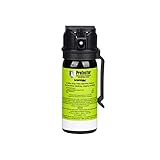
- PERSONAL PROTECTION YOU CAN TRUST: SABRE, the creator of Protector, is the #1 pepper spray brand trusted by police & consumers & a leader in the personal safety category. Pepper spray is made in the USA.
- HUMANE AND EFFECTIVE DOG SPRAY: Protector dog pepper sprays are all natural and contain 1.0% Major Capsaicinoids, the maximum strength allowed by the United States Environmental Protection Agency (EPA).
- MAXIMUM STRENGTH: Backed by independent lab testing & SABRE’s industry exclusive in-house HPLC lab, we promise consistent, maximum strength capsaicinoid levels in every canister of this pepper spray for dogs to help give you peace of mind, confidence & safety when you need it most.
- PROTECTION AT A SAFE DISTANCE: Includes a Protector self defense pepper spray canister with 7 bursts. This dog spray self defense features a long 15-foot (4.6-meter) range provides protection at a distance.
- STAY SAFE WITH FREE SAFETY TRAINING: Feel secure with every SABRE product; Packaging includes links to free training videos so that, in the face of danger, you are better prepared to use your SABRE Pepper Spray.
How should adults handle an aggressive-dog encounter involving a child?
Young children need active adult supervision around dogs, including familiar family pets. A child should have the owner’s permission before interacting with a dog; familiarity with the household does not remove the need for supervision.
Teach children never to disturb a dog that is eating, sleeping, caring for puppies, or trying to be left alone. Children should not approach a loose, barking, growling, fenced, or tied dog. If an unfamiliar dog approaches, an adult should give the child simple instructions to stop moving and stay quiet while the adult creates distance and a barrier.
How can I prevent an encounter before it becomes dangerous?
Prevention starts with distance. Cross the street, wait for the owner to secure a loose dog, or choose another route instead of passing close to an animal that is barking, growling, tied, or behind a fence.
Quick wins for a faster PC:
Clear out junk files and repair common Windows errorsFree Scan →Scan for outdated or missing drivers - takes under a minuteDriver Scan →Never reach through a fence, enter an unfamiliar yard, or try to pet a dog because it appears calm. Ask the owner before any interaction, and let the dog choose whether to approach. Leave a dog alone when it is eating, sleeping, caring for puppies, or retreating from people.
Independent reader supportYour contribution helps us test, update, and keep practical guides available for everyone.Should I carry dog-repellent spray?
People who regularly encounter loose dogs, such as mail carriers, may consider a dog-repellent spray as optional preparedness equipment. USPS occupational guidance lists carrying dog repellent for mail carriers.
Also popular on Amazon

- Humane Behavior Interruption: Helps redirect barking, lunging, or jumping using a short burst of plant-based citronella scent. Designed to interrupt behavior quickly — without causing pain or injury
- Safe Distance Defense: Stay protected with a powerful directional spray stream — up to 14 or 18 feet depending on the version. Ideal for deterring off-leash dogs or breaking escalating behavior from a safe range
- Compact & Travel-Ready Design: Choose the 0.5oz keychain with clasp for convenient on-the-go use or the 2oz flip-top for daily walks and outdoor adventures. Both fit easily in pockets, bags, or on your leash or belt
- Eco-Conscious & Non-Toxic Formula: This dog deterrent spray is formulated with natural citronella oil. This pet deterrent spray is free from pepper, alcohol, or propellants — making it a cruelty-free alternative for pet correction and protection
- Built for Everyday Walkers: Use as a dog repellent spray, dog fight stopper or personal defense tool. Trusted by pet parents, trainers, joggers, and mail carriers to help stay in control during unexpected dog encounters
Use any spray only according to its label and applicable local law. Keep it accessible, understand its operating instructions before an emergency, and treat it as a last-resort barrier—not a replacement for staying still, avoiding eye contact, backing away slowly, using available objects as shields, or obtaining emergency help.
What professional help is appropriate when a dog shows aggression?
An aggressive incident warrants help even when nobody was injured. The ASPCA recommends prompt assistance from a Certified Applied Animal Behaviorist, a veterinary behaviorist, or a qualified Certified Professional Dog Trainer.
Those professionals can evaluate triggers, medical contributors, handling practices, and management of the dog’s environment. Until an assessment occurs, the owner should prevent situations that allow the dog to repeat the threatening behavior and should follow local reporting requirements after any bite.
Frequently Asked Questions
Can an owner’s reassurance make it safe to approach an unfamiliar dog?
No. A dog’s behavior can change quickly, and an owner’s statement does not replace your need for distance. Wait for the owner to secure the dog and give explicit permission before any interaction, especially when a child is present.
What information should I write down after an encounter?
Note the time and place, the dog’s description, the direction it traveled, and whether it appeared ill or behaved unusually. If an owner is present and you are safe, record the owner’s contact details, rabies-license number, and veterinarian so animal control and health officials can follow up.
Does a small puncture really need attention?
A puncture can be deeper than it looks and may become infected. Clean minor wounds promptly, monitor them, and seek professional advice when the injury is deep, worsening, or the dog’s vaccination status cannot be confirmed.
Do these 3 things before closing this tab:
1Repair Windows errors before they cause bigger problems2Fix the driver behind crashes, sound loss and screen glitches3Clear out junk files and repair common Windows errorsWho can evaluate a dog after it acts aggressively but does not bite?
A Certified Applied Animal Behaviorist, veterinary behaviorist, or qualified Certified Professional Dog Trainer can assess the behavior. Prompt evaluation is appropriate even when nobody was hurt, because preventing a repeat incident is easier before another encounter.





Leave a Reply