
Some links on this page are affiliate links: if you buy through them we may earn a commission, at no extra cost to you.
Reduce a cat’s veterinary panic by treating the carrier, journey and clinic visit as one gradual training project. Keep the carrier open at home as a familiar resting place, reward voluntary exploration, transport your cat securely and quietly, request low-stress handling and a quiet wait, and speak with the veterinarian in advance if fear is severe. Do not force a struggling cat into a carrier or give medication without veterinary direction. Hissing, swatting, freezing and escape attempts usually signal fear, pain or frustration—not deliberate misbehavior.
Why does my cat panic at the vet?
Veterinary fear often begins before the examination. Being confined, feeling the carrier swing, travelling in a moving vehicle, encountering unfamiliar smells and sounds, being handled by strangers and remembering a previous difficult visit can all make a cat feel trapped and out of control. Pain can intensify every part of the experience.
As an Amazon Associate I earn from qualifying purchases.
The Tool Desk
Outbyte Driver Updater FREEScan for outdated or missing drivers - takes under a minuteDriver Scan →Outbyte PC Repair FREEClear out junk files and repair common Windows errorsFree Scan →The 2022 AAFP/ISFM Cat Friendly Veterinary Interaction Guidelines state that “Fear is the most common cause of aggression in cats at the veterinary practice.” A cat that hisses, swats, freezes, crouches, vocalizes or tries to escape is communicating distress. Treating those signals as fear, anxiety, pain or frustration helps you choose safer responses than scolding or forcing.
There is no single authoritative statistic for how many cats panic at veterinary visits, so a percentage would be misleading. What is clear is that preparation and handling choices can prevent added stress.
Popular on Amazon
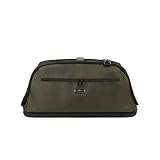
- Mobile pet bed, in-cabin airplaine carrier and car seat, fits pets up to 17-1/2-pound
- Includes padded shoulder strap, machine washable Ultra Plush bedding and an instruction card
- Top and ends open for easy access to the pet, large zipper pockets on both sides
- Luggage grade nylon outside and Ultra Plush polyester inside
- Compresses from 22-inch long, 10-1/2-inch wide, 10-1/2-inch high down to 16-inch long, 10-1/2-inch wide, 8-inch high
How do I get my cat into the carrier without a fight?
Start between appointments. The aim is for the carrier to become an ordinary, rewarding place rather than a warning that predicts a trip.
Make the carrier part of the furniture
Leave the carrier open in a room your cat already uses. Put soft bedding inside and add a familiar scent, such as a blanket that normally rests in the cat’s sleeping area. Offer occasional treats or toys near the carrier and, later, inside it. Keep each interaction brief and voluntary; end while the cat is still comfortable.
Quick wins for a faster PC:
Repair Windows errors before they cause bigger problemsFix Now →Fix the driver behind crashes, sound loss and screen glitchesFind Drivers →Clear out junk files and repair common Windows errorsFree Scan →Retrain a carrier-shy cat in small stages
- Place rewards a short distance from the carrier.
- Move the rewards to the entrance when the cat approaches calmly.
- Put them just inside the doorway, then farther inside only after the previous step is easy.
- Allow the cat to enter and leave without closing the door at first.
- Introduce brief door-closing and lifting practice only when the cat remains relaxed, rewarding after each step.
Never force the cat in during training. One frightening episode can undo substantial progress. If an appointment is imminent and the cat will not enter, call the clinic for a handling and medication plan rather than turning the attempt into a prolonged struggle.
Use a carrier that reduces wrestling
Top-opening or removable-top carriers allow a veterinary team to examine a cat with less pulling, tipping and reaching. A stable carrier that can remain set up as a resting place may also reduce the association between the carrier and unpleasant travel. Prioritize secure construction, adequate ventilation, easy cleaning and an opening that lets the team work with the cat in the lower half when appropriate.
Also popular on Amazon

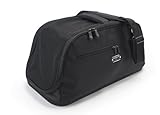
- Mobile pet bed, in-cabin airplaine carrier and car seat, fits pets up to 17-1/2-pound
- Includes padded shoulder strap, machine washable Ultra Plush bedding and an instruction card
- Top and ends open for easy access to the pet, large zipper pockets on both sides
- Luggage grade nylon outside and Ultra Plush polyester inside
- Compresses from 22-inch long, 10-1/2-inch wide, 10-1/2-inch high down to 16-inch long, 10-1/2-inch wide, 8-inch high
Which carrier features matter most?
No single design suits every cat, but the features below address common sources of panic. The guidance does not establish a universal “best” model or a required size, so choose a carrier that fits your cat safely and can be handled without swinging.
| Feature | Why it can help | What is not established |
|---|---|---|
| Stable base | Reduces swinging and the sensation of losing balance during carrying and travel. | No comparative performance figure is stated. |
| Top opening | Can permit examination with less pulling or tipping. | It does not guarantee a calm response. |
| Removable top | Lets the cat remain in the familiar bottom section while staff examine it, when clinically suitable. | The clinic may still need another approach for a particular procedure. |
| Good ventilation | Supports safe airflow while a cover is used selectively. | A specific ventilation standard is not stated. |
| Easy-clean surfaces | Make it practical to keep bedding fresh after drooling, vomiting or accidents. | No cleaning product or material is prescribed. |
| Usable as a bed | Keeps the carrier from appearing only on appointment days and supports positive association. | Individual cats may prefer a different resting location. |
Can I give my cat something to calm down before the vet?
Ask the veterinarian before the appointment, especially if your cat has previously panicked, become unsafe to handle, vomited, drooled or tried to escape. The veterinarian may recommend a pre-visit anxiolytic or another individualized plan. Do not use a human medicine, a leftover prescription or an improvised dose.
Free tools Windows power users keep installed
One-click scans. No signup required.
Medication can make a difficult visit safer, but it does not replace carrier training, quiet transport and gentle handling. Give any prescribed medicine exactly according to the clinic’s instructions, including timing and whether food is allowed.
How calming options differ
| Approach | Role | Oversight and limitations |
|---|---|---|
| Carrier training and environmental changes | Foundational work that changes the cat’s association with the carrier and trip. | Requires repetition between appointments; progress should remain voluntary. |
| Synthetic feline pheromone product | Optional aid discussed in feline-handling guidance for the carrier or vehicle. | Use only as directed and allow any alcohol scent from a spray to dissipate before the cat has access. |
| Prescription pre-visit medication | May help cats with severe fear, previous traumatic visits or unsafe defensive behavior. | Choice, dose and timing are individualized by a veterinarian; medication is not a substitute for low-stress handling. |
Could pain be causing the panic?
Yes. Resistance to being picked up, placed in the carrier or touched may reflect pain or an uncomfortable condition, not only emotional fear. Report new handling sensitivity and ask for a pain assessment, particularly when the behavior is a change from your cat’s normal pattern.
Also popular on Amazon

- Removable mesh dome reveals an everyday pet bed, crash-tested car seat, and carrier that's perfect for travel!
- Includes padded shoulder strap, mesh dome top with carrying handle, washable bedding, water-resistant foam liner, and instruction card.
- Made from luggage-grade nylon outside and ultra-plush polyester inside.
- Chew-resistant mesh panels positioned on three sides enable ample airflow and facilitate visibility.
- Dimensions: 17" W x 13.5" H, weighs 4.5 lbs. Recommended for small pets weighing 15 pounds and under.
What about fasting?
Fasting depends on the planned procedure and the individual cat. Ask the veterinary team for the exact food and water timing, and follow those instructions rather than withholding food for an unnecessarily long period.
How should I transport a panicked cat?
Keep the cat secured in the carrier for the entire car ride. A loose cat can escape or be injured, and opening the carrier in the vehicle creates an avoidable risk.
Do these 3 things before closing this tab:
1Scan for outdated or missing drivers - takes under a minute2Clear out junk files and repair common Windows errors3Fix the driver behind crashes, sound loss and screen glitches- Support the carrier from underneath or hold it with two arms so it does not swing.
- Place it securely in the vehicle where it cannot slide or tip during braking and turns.
- Drive smoothly and keep noise low.
- Use familiar bedding or a piece of clothing with a familiar scent.
- Cover the carrier if your cat settles with visual shielding, while maintaining adequate airflow.
- If using a synthetic feline pheromone spray, apply it only as directed and let any alcohol smell dissipate before the cat enters.
Tell the clinic in advance if motion has caused vomiting, drooling or extreme distress. That information can affect the pre-visit plan.
What should I ask the veterinary clinic to do?
Call before leaving home and explain exactly what happens: freezing, hissing, swatting, vocalizing, vomiting, drooling or escape attempts. Ask whether you can wait in the car or go directly to a quiet examination room, and whether the team can minimize handling.
Also popular on Amazon
- Keep the cat in the carrier until the veterinary team is ready.
- Tell staff which touches, positions and rewards have worked at home.
- Bring favorite treats, but offer them only if the cat is willing to eat.
- Ask staff to let the cat exit voluntarily whenever possible.
- Request that nobody tips, drags or reaches in to pull the cat out unless safety or medical necessity requires a different approach.
AAHA’s feline-visit guidance describes covering the carrier, limiting handling, using treats as distraction and advocating for the cat’s preferred handling. A top-opening or removable-top carrier can support those choices, but the team still decides what is medically safe for the examination.
Independent reader supportYour contribution helps us test, update, and keep practical guides available for everyone.What if my cat hisses or tries to escape at the clinic?
Do not punish, yell at or physically overpower the cat. Hissing and escape attempts are defensive signals that the cat feels threatened. Keep the carrier closed and tell the staff what you are seeing so they can adjust the environment and handling.
Crashes, No Sound, or Screen Glitches?
Random freezes, missing sound and display glitches usually trace back to one bad driver. Find and replace yours safely.Free scan · under a minuteWindows Errors? Fix Them Before They Spread
Repair common Windows errors and clear accumulated junk for a smoother, more stable PC - no reinstall needed.Free scan · no reinstallA quiet room, reduced visual and auditory stimulation, a covered carrier and fewer people touching the cat can prevent escalation. If the cat cannot be handled safely, the veterinarian may pause, change the plan or discuss medication for a future visit. Severe reactions are a reason to plan earlier next time, not evidence that the cat is being stubborn.
How can I make the next vet visit less stressful?
After the appointment, give your cat a quiet retreat and let it decompress at its own pace. Keep interactions gentle and watch for continuing stress signals. Avoid turning the return home into another demand for handling.
Also popular on Amazon

- Comfortable travel in the car or plane together with your pet
- In accordance with IATA as a flight travel bag for dogs and cats
- Innovative, functional and a luxurious companion thanks to the stylish design
- Package dimensions (L x W x H): 8.128 x 27.432 x 59.435 cm
When the cat is settled, put the carrier back in its usual safe-space role with bedding, treats or toys. Keeping it available between appointments prevents the sudden appearance of the carrier from becoming the first warning of the next trip. Continue short, voluntary sessions rather than waiting until the next appointment is imminent.
At the next booking, share what happened: which stage caused distress, whether the cat ate, how transport went and which handling choices helped. That information lets the veterinary team refine the waiting-room, examination and medication plan instead of repeating an avoidable trigger.
What’s actually slowing this PC down?
Pick the symptom - the matching free tool is one click away.
Frequently Asked Questions
Should I cancel a routine appointment if my cat panics?
Do not cancel or delay needed care without speaking with the veterinary practice. Call ahead, describe the reaction and ask whether the clinic can change the waiting arrangement, handling plan or pre-visit medication strategy.
What if my cat refuses treats during the visit?
Treats are a possible distraction, not a requirement. Tell the team that food is not working and prioritize distance, visual cover, minimal handling and a quiet room instead of repeatedly offering food to an overwhelmed cat.
Can I open the carrier in the waiting room to comfort my cat?
Keep the carrier closed until the veterinary team is ready or specifically instructs you otherwise. An open door in an unfamiliar environment creates an escape risk; comfort can come from a stable carrier, familiar scent and reduced visual stimulation.
How early should I discuss calming medication?
Contact the practice when booking, particularly after a traumatic visit or an unsafe defensive reaction. The veterinarian needs enough information to decide whether medication is appropriate and to explain the individualized timing and administration instructions.





Leave a Reply