Recommended Free Tools
An abrupt, unexplained change in your dog’s behavior is health information, not simply “bad behavior.” Pain, illness, sensory or neurologic changes, age-related disease, and changes at home can all look behavioral. Because you cannot reliably separate those causes by observation alone, make the surroundings safe, check for emergency warning signs, and contact a veterinarian—especially when the change persists, worsens, or comes with physical changes.
Start with safety and urgency
Get emergency help now for severe signs
Call a local veterinary emergency service for triage if your dog collapses, has a seizure, cannot stand or walk without assistance, has an obvious fracture, or has suffered major trauma. These are emergency indications described by VCA. Severe pain or a rapid deterioration also warrants prompt veterinary contact rather than home observation.


As an Amazon Associate I earn from qualifying purchases.
- Collapse: your dog suddenly falls, becomes unresponsive, or cannot remain upright.
- Seizure: uncontrolled shaking, stiffening, paddling, or loss of awareness.
- Loss of mobility: inability to stand or walk without help.
- Major injury: a collision, fall, bite, or other trauma, or a limb that appears fractured.
VCA’s emergency guidance is available at Emergencies in Dogs and its urgent-care guidance at Urgent Care for Pain or Limping.
Reduce risk while you arrange care
A frightened or painful dog may bite even if it has never done so before. Move children and other pets away, give the dog a quiet area, and avoid crowding, cornering, forced handling, or attempts to inspect a painful body part. Do not punish growling or snapping: those behaviors can be warnings that the dog feels threatened or hurts. Use a calm voice and allow an exit route while you call the veterinary team.
#1 Best Overall

- "COMPLETE MEDICAL RECORDS FOR DOGS & PUPPIES: Comprehensive health record booklets designed to track vaccinations, deworming, exams, and treatments. Ideal for maintaining organized, accurate medical histories for individual dogs or entire litters."
- 25 INDIVIDUAL BOOKLETS PER PACK: Includes 25 separate health records, making it easy for breeders, shelters, rescues, or clinics to document care for multiple pets. A convenient, cost-effective option for professional use."
- CLEAR, CUSTOMIZABLE FORMAT FOR EASY RECORDING: Each booklet includes clearly labeled sections for vaccines, dates, and notes. Simple, organized design allows pet owners and professionals to record information quickly and legibly at home or during vet visits."
- PORTABLE & DURABLE DESIGN: Compact size fits easily into travel folders, puppy packets, or veterinary files. Sturdy paper stock ensures each record withstands handling over time, ideal for breeders and adopters."
- IDEAL FOR PET OWNERS, BREEDERS & CLINICS: A must-have tool for dog owners, shelters, veterinarians, and groomers to track a pet’s complete health history. Simplifies communication between caregivers, adopters, and clinics."
Why a dog may suddenly act differently
Pain or another medical problem
Dogs often hide pain, and behavior may change before an obvious injury is visible. Signs can include irritability, withdrawal, hiding, restlessness, difficulty settling, unusual panting while resting, reluctance to move, and sensitivity to touch. A dog may limp or become stiff, hesitate to climb stairs, jump, walk, or rise, lick one area repeatedly, eat or sleep differently, or begin having indoor accidents. Cornell lists these and related changes in Recognizing pain in dogs; VCA provides additional examples in How Do I Know if My Dog is in Pain?.
None of these signs identifies a specific disease. A stomach problem, dental pain, orthopedic injury, infection, or another condition can produce overlapping behavior. A veterinary examination is the way to investigate rather than guessing from a single symptom.
Sensory, neurologic, or age-related changes
Hearing or vision loss can make a dog startle when approached, become clingier, or react defensively to familiar people or animals. Neurologic disease and degenerative conditions can alter sleep, house-training, recognition, movement, or social responses. Older dogs may show several changes at once. VCA’s discussion of senior-pet behavior problems explains why pain, sensory loss, mobility limitations, and medical disease should be considered alongside behavioral explanations: Behavior Counseling – Senior Pet Behavior Problems.
Do these 3 things before closing this tab:
1Repair Windows errors before they cause bigger problems2Scan for outdated or missing drivers - takes under a minute3Clear out junk files and repair common Windows errorsRank #2

- All-in-one pet care tracking: vaccinations, vet visits, medical exams, medications and more
- Easy access to pet’s health info: stay organized and on top of your pet's health
- Ample writing space: never run out of space; designed to last entire life of pet
- High-quality materials: durable and elegant design for long-lasting use
- Portable size: convenient A5 size, perfect for on-the-go; practical for vet visits and storage
Routine, household, or environmental stress
A move, a new household member or pet, a changed work schedule, construction noise, visitors, or another frightening event can affect appetite, sleep, elimination, and social behavior. Note what changed and when. Context is useful to a veterinarian, but it does not prove the problem is “just stress”: a medical issue can begin at the same time as a household change, and pain or sensory loss can make ordinary events feel threatening.
Use the pattern to guide the veterinary history—not to diagnose
Two broad explanations often overlap: a physical contributor and a contextual contributor. The most useful observations are timing, associated body changes, and recent changes in the dog’s surroundings.
| What to compare | Details to record | Why it matters |
|---|---|---|
| Onset and course | Exact day or approximate time it began; sudden versus gradual; stable, intermittent, or worsening | A timeline helps the clinician connect behavior with an injury, illness, medication, or event. |
| Behavior itself | Hiding, pacing, vocalizing, clinginess, staring, confusion, growling, snapping, house-soiling, or changed responses to people | Specific descriptions are more useful than “acting weird.” |
| Movement and touch | Limping, stiffness, reluctance to rise, jump, climb, walk, or be touched; repeated licking of one spot | These may accompany pain or mobility problems. |
| Body routines | Appetite, drinking, sleep, urination, bowel movements, panting at rest, and energy | Changes in normal functions can point to a health problem even when behavior is the first thing noticed. |
| Surroundings | Move, new person or animal, schedule change, visitors, noise, fear trigger, recent travel, or altered exercise | Environmental stress can contribute and helps the veterinarian interpret the timing. |
These clues narrow the history; they do not let an owner determine the cause remotely. A dog can have both a medical problem and a stressful environmental change.
A practical step-by-step plan
- Separate and observe safely. Keep the dog away from children and other animals if it is fearful, painful, or aggressive. Do not force an interaction or provoke a reaction for a video.
- Screen for emergency signs. Check whether the dog can stand and walk, and look for collapse, seizure, major trauma, or an obvious fracture. If any is present, contact emergency veterinary care immediately.
- Call your regular veterinarian about a new unexplained change. Tell the receptionist what changed, when it began, whether it is progressing, and any appetite, sleep, mobility, drinking, urination, or elimination changes. The clinic can advise whether your dog needs an urgent visit, same-day assessment, or a routine appointment.
- Write a short timeline. Include recent activity or possible injury, meals, medications already given, unusual exposures, and environmental changes. A notebook or phone note keeps details together.
- Capture evidence only when safe. Cornell recommends written notes, photographs, or video; a home video may show a limp or behavior that is absent in the clinic. Film from a distance without waking, restraining, cornering, or otherwise provoking the dog. Never delay emergency care to document a sign.
- Follow transport instructions. Ask the clinic how to move the dog safely. A painful dog may resist lifting or handling, so tell staff about any snapping, bite history, or mobility limitation before arrival.
Cornell’s guidance on recognizing pain and preparing for an appointment is available at Recognizing pain in dogs and What to expect when taking your limping dog to the veterinarian.
Outdated Drivers Are Slowing You Down
One free scan finds every outdated or missing driver and matches the right update for your exact hardware.Free scan · exact hardware matchWindows Errors? Fix Them Before They Spread
Repair common Windows errors and clear accumulated junk for a smoother, more stable PC - no reinstall needed.Free scan · no reinstallWhen sudden aggression appears
New growling, snapping, lunging, or biting deserves a veterinary check. Pain, reduced vision or hearing, mobility difficulty, and other physical changes can make a dog defensive. VCA specifically recommends veterinary examination for sudden aggression in its diagnostic guidance: Dog Behavior Problems – Aggression – Sibling Rivalry – Diagnosis.
Until the dog is assessed
- Use doors, gates, a separate room, or a leash handled by an adult to prevent close contact.
- Do not punish, “test,” hug, corner, stare at, or physically restrain the dog unless a veterinary professional has instructed you how to do so safely.
- Tell the clinic whether the reaction occurs during eating, resting, touch, movement, waking, or interaction with a particular person or animal.
- If a bite has occurred, keep everyone away from the dog and contact the veterinary team promptly for handling and triage advice.
Changes that should prompt a prompt call even without an emergency
Contact your veterinarian when a new behavior persists, recurs, progresses, or appears with any physical or routine change. Examples include a previously social dog repeatedly hiding, a dog that pants at rest and cannot settle, sudden reluctance to climb stairs, new indoor accidents, a marked appetite or sleep change, or sensitivity when touched. A single unusual episode that completely resolves may still be worth mentioning, particularly in an older dog or after a possible injury; recurrence lowers the threshold for an appointment.
Do not wait for a limp or visible wound before calling. Dogs may express discomfort through social withdrawal, irritability, altered sleep, or changes in normal habits. Conversely, a dog can behave unusually after a stressful event without having a medical disorder. Only an examination and the relevant history can sort those possibilities responsibly.
Independent reader supportYour contribution helps us test, update, and keep practical guides available for everyone.What to tell the veterinary team
Before the appointment, prepare concise answers to these questions:
What’s actually slowing this PC down?
Pick the symptom - the matching free tool is one click away.
- What was the last time your dog behaved normally?
- What exactly happened during the first unusual episode, and how long did it last?
- Is the pattern getting more frequent or intense?
- Can your dog walk, rise, eat, drink, sleep, urinate, and defecate normally?
- Does touch, stairs, jumping, waking, food, another animal, or a particular noise trigger it?
- Was there recent exercise, a fall, travel, a new medication, a household change, or a possible exposure?
- What medications or supplements has your dog received, and when?
Bring the timeline and any safely obtained media. Describe what you saw without labeling the cause: “growled when I touched the left hip” is more useful than “became dominant.” The veterinarian may need to distinguish pain, illness, sensory change, neurologic disease, age-related decline, and environmental stress, so details from home can be important when the behavior does not occur in the clinic.
Best Value
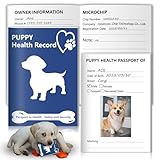
- Product Include:When you choose our dog vaccines records tracker, you'll receive one notebook.This 12-page puppy health journal has 8 dedicated pages for tracking your pup’s health, vet visits, and key details, with 4 blank pages at the end for jotting down extra notes, pet-related info, or anything else you want to record.
- Ideal Size for Record Keeping:Each dog vaccine record book measures 5x3.5 inches folded; 5x7 inches unfolded, allowing for easy portability and storage.These handy health records notebook for dogs with double sided printing, featuring enough space for all your pets important information,plus, it has dedicated spots for sticking on vaccine stickers and adding cute puppy photos.They offer a stylish and organized approach to pet health documentation, a must have addition to your pet supplies.
- Premium Quality: The puppy health record tracker’s cover features 300gsm coated paper with vibrant full-color printing and a protective laminate finish. Inside, 100gsm high-quality offset paper pages are durable and ink-resistant, ensuring no bleeding from pens or markers—so your records stay neat and easy to read.
- Effortlessly Track Vaccinations and More:The canine health record booklets pages include:owner and puppy information,medical history and hospitalizations,vaccination record and sticker,dog service providers,fecal examinations and de-worming,heartworm screening, prevention and treatment etc.This record keeping tool will ensure every important detail is accounted for and make this task easy, organized, and straightforward.Add this essential tool to your pet supplies for a happier, healthier pet.
- Essential for Pet Owners:Designed for veterinary clinics and pet owners, these puppy vaccination record books make tracking key health details—like shots, checkups—simple and organized. When you’re away and leave your pup with a sitter or family, the dog medical record and vaccine book serves as a quick reference for their medical history. Plus, dedicated sections for photos, physical markings, and ID info prepare you for emergencies, helping you recover your friend quickly if they get lost.
Common mistakes to avoid
- Assuming the newest household change is the whole explanation. Stress may be relevant, but it does not exclude pain or illness.
- Waiting for the dog to “get over it.” Persistence or progression is a reason to call, not a reason to postpone care.
- Forcing an examination at home. Manipulating a painful area can worsen distress and create a bite risk.
- Punishing warnings. Suppressing growling can remove an important signal without resolving the underlying problem.
- Delaying urgent care for a perfect video. Documentation is helpful only when it can be gathered without risk or delay.
After the appointment
Follow the veterinarian’s treatment and monitoring instructions and report whether the behavior improves, stays the same, or changes in a new way. Keep the same timeline going so you can identify links between treatment, activity, sleep, appetite, mobility, and behavior. If medical contributors are addressed but a fear or stress response remains, ask the veterinary team about a behavior plan; behavioral support should build on, not replace, evaluation for physical causes.
The safest rule is straightforward: a sudden change is a signal to investigate. Protect people and animals immediately, use emergency services for collapse, seizure, major trauma, inability to stand or walk, or an obvious fracture, and arrange veterinary advice for every persistent, worsening, or unexplained change.
Quick Recap
Product prices and availability are accurate as of the date/time indicated and are subject to change. Any price and availability information displayed on Amazon at the time of purchase will apply.
Quick wins for a faster PC:
Scan for outdated or missing drivers - takes under a minuteDriver Scan →Repair Windows errors before they cause bigger problemsFix Now →



