Quick wins for a faster PC:
Scan for outdated or missing drivers - takes under a minuteDriver Scan →Clear out junk files and repair common Windows errorsFree Scan →Your pet’s first veterinary appointment usually combines a health-history interview, a nose-to-tail physical examination, and a preventive-care plan. Bring every record you have, a list of medicines and concerns, and ask the clinic about a stool sample before you collect one. Book promptly after bringing the animal home: the American Animal Hospital Association (AAHA) recommends a kitten visit within the first week, while VCA Animal Hospitals says most puppies should be seen at six to eight weeks, unless illness requires an earlier visit.
When to schedule the first appointment
The right timing depends on species, age, health, and what records came with the pet. The published schedules below are practical starting points; the clinic may adjust them for an individual animal.
As an Amazon Associate I earn from qualifying purchases.
| Pet | General starting point | Call sooner when |
|---|---|---|
| Kitten | AAHA advises arranging an appointment within the first week at home. | The kitten seems sick, is not eating, has diarrhea, is sneezing, or is unusually quiet. |
| Puppy | VCA says most puppies should have a first visit at six to eight weeks of age. | Any signs of illness appear before that age or before the scheduled appointment. |
When you call, tell the receptionist the pet’s species, age or estimated age, where it came from, and any symptoms. Ask whether the clinic has separate arrival instructions for new, sick, or anxious animals. Some practices may direct you to wait in the car, use a side entrance, or go directly to an exam room; only the clinic can tell you its current procedure.
PC Slower Than It Used to Be?
A free scan shows the junk files, broken settings and background clutter dragging Windows down - then fixes them in one click.Free scan · Windows 10 & 11Crashes, No Sound, or Screen Glitches?
Random freezes, missing sound and display glitches usually trace back to one bad driver. Find and replace yours safely.Free scan · under a minuteWhat to gather before leaving home
Bring all available records
- Adoption or shelter paperwork.
- Breeder records, when applicable.
- Vaccine certificates and dates.
- Deworming or other parasite-treatment records.
- Records from any previous veterinarian. Ask that practice to send the file if you do not have a copy.
Even an incomplete record helps the veterinarian avoid assumptions. Write down the dates and product names you do know, and say plainly what is unknown rather than guessing.
#1 Best Overall

- Pet Carrier: 17.5” L x 11” W x 11” H, Recommended max load of 16 lbs cats small dogs. Please do not choose your carrier based on weight--please reference your pet's length and height in selecting a pet carrier size.
- Fits for under-seat dimensions of most airlines. Every airline has a specific set of rules and regulations, please contact with airline before flying with your cats small dogs.
- Mesh windows for ventilation, top and side entry with locking zippers for safety. Carrying handles, adjustable shoulder strap which can also be used as seatbelt, and back strap can fasten the pet carrier to your luggage.
- Pet carrier comes with a removable base insert, which creates a solid surface for your pet to stand on, along with a removable & hand washable cozy fleece pet bed, which offers a cozy sleeping space for your traveling cats small dogs.
- "Toys for pets, of textile materials". Mostly used as a Toy of Fabric Pet Home for pets playing and relaxing.
Prepare a concise health and routine list
Use your phone or a printed note to record current medicines and parasite preventives, including dose and the last time given. Add the food brand and amount, feeding schedule, water intake if it seems unusual, activity level, sleep, behavior changes, and elimination habits. Note vomiting, diarrhea, coughing, sneezing, discharge, itching, poor appetite, or changes in energy, with approximate start dates. Include every question you want answered; a written list is easier to use once the examination begins.
Ask about a stool sample first
AAHA recommends asking the clinic whether a stool sample is needed. VCA discusses bringing one for dogs as part of parasite checking. Collection instructions, acceptable freshness, and container requirements vary, so do not arrive with an unrequested sample or assume an old sample can be tested. If the clinic wants one, ask when and how to collect it and how to store it during transport.
Make the trip safer and less stressful
For a kitten: make the carrier ordinary
Leave the carrier open in the home before the appointment, with familiar bedding, treats, or a toy inside. Allow the kitten to investigate voluntarily instead of introducing the carrier only on travel day. A carrier with a removable top can make handling less stressful because the veterinarian may be able to examine the kitten in the bottom half rather than pulling it out. Secure the carrier so it cannot slide or tip during the journey, and keep the kitten contained from the moment you leave home until the clinic staff says it is safe to open the door.
What’s actually slowing this PC down?
Pick the symptom - the matching free tool is one click away.
Rank #2
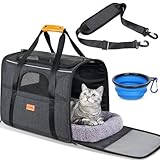
- 【 Spacious & Comfortable Cat Carrier 】The large cat carrier provides ample space for your feline friend to move, turn, and stretch during travel. Measuring 17.3 x 12.2 x 13.4 inches, it is wider and taller than most cat carriers, ensuring your pet feels comfortable and at ease while on the go.
- 【Balanced Mesh Design】Unlike other cat carrier hard, our cat carrier soft strikes the perfect balance with 40% mesh surface area. This ensures your pet can observe the surroundings and breathe easily while feeling safe and secure at the same time. The cat carrier large is suitable for pets in all kinds of situations.
- 【Built-in Dual-Sided Cushion】The detachable pad offers two distinct comforts: a cool side for summer and a super-soft, warm side for winter. You can easily flip it to match the season, providing the perfect temperature for your pet in any weather.
- 【Includes Foldable Bowl】Designed for on-the-go use, our foldable bowl carries 410g of food or 20oz of water. After use, simply collapse it and attach it directly to your pet's collar or leash, perfect for keeping your pet fueled and hydrated anywhere.
- 【Safe & Durable】Safety is our top priority, and the pet carrier for cat is equipped with a secure buckle to prevent your pet from escaping. The cat carrier soft is made of reinforced snow silk fabric and hard mesh material, ensuring durability and preventing any tearing during long-distance travel.
For a puppy: practice and restrain
Short, calm car rides before the appointment can help a puppy learn that travel is routine. Use a crate or an approved canine harness restraint; do not allow the puppy to roam loose in the vehicle or ride on the driver’s lap. Ask the clinic whether it offers a brief, quiet introduction visit for an anxious dog. The team can also tell you where to wait and whether your puppy should avoid shared floors or busy areas before its vaccine plan is complete.
Ask about arrival and waiting-room procedures
Clinic layouts and infection-control practices differ. Confirm whether cats should remain covered in carriers, whether dogs should wait outside or in the car, and how to handle a pet that becomes distressed. Arrive with enough time to check in, but avoid prolonged exposure to a crowded waiting room when the clinic gives you another option.
What usually happens in the exam room
1. The team reviews history and daily life
The veterinarian or technician will ask about the pet’s previous care and current routine. Expect questions about eating, the food and amount offered, feeding schedule, activity, behavior, and elimination. Explain what you have observed at home, including normal details; a change in litter-box use, stool, thirst, or play can be clinically useful even when it seems minor.
Rank #3
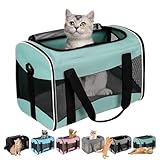
- [PRODUCT DIMENSIONS] Pet travel carrier size : 17x11x11 inches, recommended up to 15 lb pets, it is suitable for large, medium cats and small dogs. Please don't choose your airline cat carrying case based on weight, please refer to your pet's length and height when choosing a pet carrier size.
- [AIRLINE APPROVED] This cat carrier is designed with airline approved, it can fit comfortably under most flight seats, we can take our pets wherever we want. Dog travel carrier offers two attachment loop handles that can be used as a dual harness or as a luggage strap for balanced carry and secure transport.
- [EXCELLENT MATERIAL] Collapsible cat carrier is made of polyester fabric, supported by a steel ring, washable, wear-resistant and durable. The three sides and the top of this pet carrier are nylon mesh, scratch-resistant and not easy to damage, it can not only check your pet in real time, but also ensure enough air circulation.
- [SAFE AND COMFORTABLE] Dog travel bag has metal zippers on the top and side entrances, durable and not easy to deform, it allows your pets to enter and exit easily. The cat carrying case is equipped with an anti-escape safety buckle, which can effectively prevent pets from accidentally falling. It is suitable for car rides and vet rides.
- [PORTABLE AND FOLDABLE] Pet travel carrier comes with a detachable and hand washable wool pet bed, it can provide a comfortable sleeping space for your traveling pet. The cat travel case comes with an adjustable shoulder strap and handle for easy portability. When not in use, you can fold it up for storage.
2. The veterinarian performs a physical examination
A first examination commonly includes the skin and coat, eyes, ears, mouth and teeth, heart and lungs, abdomen, and movement. The clinician may look for external parasites and assess overall condition. Handling may be gradual, particularly for a frightened kitten or puppy. Tell the team if a body area is painful or if a specific handling method has worked better at home.
Free tools Windows power users keep installed
One-click scans. No signup required.
3. Tests are selected for the individual pet
A stool check, blood test, vaccines, parasite prevention, or another screening test may be recommended, depending on the animal’s age, symptoms, lifestyle, and records. None is guaranteed at every first visit. Ask what each proposed test is intended to find, whether preparation is required, when results will be available, and what decision would change if the result is positive or negative.
Preventive-care topics to discuss
Vaccines and parasite protection
Bring the vaccine and deworming history so the veterinarian can determine what has already been given and what remains due. Ask which diseases are relevant to your area and lifestyle, when the next dose is needed, and what mild post-vaccination effects are expected. Discuss internal and external parasite prevention, including the products’ dosing schedule and whether the pet’s age or weight limits particular choices. Never double-dose because a record is missing; let the clinic decide how to handle an uncertain history.
Rank #4

- Hard sided pet carrier with 2 doors for front and top entry; suitable for cat or medium size dog weighing 12 - 20 pounds
- Durable plastic construction with steel wire doors; screws keep the top and bottom sections securely connected
- Spring load latches ensure easy one-handed door opening and closing; top door swings open to the left or right and includes a top carry handle
- Plenty of air ventilation on the sides, top, and back of the carrier
- Note: Be sure to measure the size of the pet when choosing carrier size
Nutrition and growth
Ask whether the current diet is appropriate for the pet’s species, age, size, and health. The team can review portion size, meal frequency, treats, water, and how to change foods without upsetting digestion. For a growing puppy or kitten, ask how weight and body condition should be monitored between visits and what change would warrant a call.
Behavior and home routines
Bring up biting, scratching, fear, hiding, separation distress, house-training, litter-box habits, sleep, and introductions to children or other animals. Early advice can prevent a manageable behavior from becoming established. Ask for specific, humane steps and what progress should look like rather than waiting for a serious problem.
Dental care
The mouth and teeth are part of the physical examination. Ask when to begin tooth brushing, which products are safe, how to handle teething, and which signs—such as bad breath, drooling, bleeding, difficulty eating, or pawing at the mouth—deserve a prompt call.
Best Value

- AIRLINE APPROVED CARRIER - With airline-approved design, you can take your pet to go to everywhere. This pet carrier provides two connecting loop handles for balanced carrying as a dual seat belt or luggage strap to secure transport
- SAFETY DESIGN - The adjustable shoulder strap help you hands-free carrying and makes it more safe and convenient pet carrier bag for your travel
- DURABLE - This cat carrier is made of durable and lightweight polyester fabric. The four-side mesh will not only give a safe and comfortable travel for your pet, but also easy for you to check on your pet
- PORTABLE & FOLDABLE - This dog carrier is easy to carry and store, which has a padded shoulder strap and handles
- BOTH SIZES AND WEIGHTS - The mediun cat carrier is designed for small and medium pets within 15" x 9" x 9"(smaller than product) and 15 lbs. Please do not choose your carrier only based on weight. Reference your pets' length and height in selecting a carrier size.If carried on board, the maximum dimensions should not exceed 18IN*11IN*11IN.
Identification and reproductive planning
Discuss microchipping, including when it can be done and how to keep the registration information current. Ask about spay or neuter timing in relation to the pet’s breed, size, health, and household plans. The veterinarian can explain the advantages, timing, and preparation for that individual animal rather than applying a single age to every pet.
Independent reader supportYour contribution helps us test, update, and keep practical guides available for everyone.Questions worth asking before you leave
- Which vaccines, tests, or preventive treatments were given today, and what are their dates?
- What should I monitor at home, and which signs require a same-day call?
- What food amount, feeding schedule, and treat limit fit this pet?
- When should parasite prevention be repeated?
- What is the next vaccine, examination, or laboratory appointment?
- When should microchipping or spay/neuter planning be revisited?
- Who should I contact after hours if a concern develops?
Ask the staff to write down product names, doses, next due dates, and any restrictions. If you are unsure how to give a medicine or use a preventive, demonstrate the steps back to the team before going home.
Before you walk out: confirm a usable plan
- Review what was examined and what was done, including vaccines, treatments, samples, or tests.
- Confirm which results are pending, how they will be delivered, and when you should follow up if no message arrives.
- Write down home-monitoring instructions and the clinic’s call procedure for worsening signs.
- Book the next visit before leaving, or set a calendar reminder for the date the team gives you.
- Take home copies of updated records and keep them with adoption or shelter paperwork.
For a healthy new pet, the first appointment establishes a baseline and a preventive schedule. For a pet with symptoms, the priority may instead be diagnosis, stabilization, or an earlier recheck. Follow the veterinarian’s individualized plan rather than treating a general puppy or kitten timetable as a substitute for direct advice.
Recommended Free Tools
When to contact the clinic urgently
Do not wait for a routine first visit when a kitten is not eating, has diarrhea, is sneezing and unwell, or is unusually quiet, as AAHA specifically identifies these signs as reasons to call sooner. For a puppy, contact the clinic when any illness sign appears before the planned six-to-eight-week visit. When you call, describe the symptom, when it began, appetite and energy, and whether it is getting worse. The clinic will advise whether the pet should be seen immediately, isolated from other animals, or monitored with a scheduled appointment.
How guidance differs for cats and dogs
| Preparation point | Cat | Dog |
|---|---|---|
| Timing guidance | AAHA: within the first week at home; sooner for illness signs. | VCA: generally six to eight weeks of age; sooner for illness signs. |
| Travel practice | Keep an open carrier available with bedding, treats, or toys. | Practice short car rides and use a crate or approved harness restraint. |
| Stress reduction | A removable-top carrier may allow examination with less removal and handling. | Ask about a quiet introduction visit if the puppy is anxious. |
| Clinic protocol | Ask whether the carrier should remain covered or whether cats go directly to an exam room. | Ask where the dog should wait and whether shared areas should be avoided. |
These are species-specific preparations, not competing products or universal rules. Your clinic’s instructions take precedence.
What a successful first visit gives you
You should leave knowing the pet’s current health findings, which preventive steps were completed, what remains uncertain, how to care for the animal at home, and exactly when to return. The AAHA kitten guidance (June 4, 2024, and checklist updated April 29, 2026) and VCA dog guidance (updated March 19, 2025) emphasize preparation, individualized examination, and follow-up rather than a fixed checklist. Bring the records, describe the pet’s real routine, and ask for written next steps; that information makes the appointment more useful for both you and the veterinary team.
Quick Recap
Product prices and availability are accurate as of the date/time indicated and are subject to change. Any price and availability information displayed on Amazon at the time of purchase will apply.




