
Some links on this page are affiliate links: if you buy through them we may earn a commission, at no extra cost to you.
A comprehensive dog dental cleaning is usually performed under general anesthesia. While your dog is asleep, the veterinary team can examine and chart each tooth, take dental X-rays, clean above and below the gumline, and treat disease that may not be visible during an awake exam. Before the appointment, follow your clinic’s instructions for food, water, and medication; ask how unexpected findings and extra treatment will be handled; and plan to follow the discharge instructions at home.
How to prepare your dog for a dental cleaning
Your clinic’s instructions take priority over general advice. Fasting, water access, and whether to give regular medications on the morning of the procedure can vary with the dog and the clinic’s plan. Call if an instruction is unclear, and tell the team if your dog has eaten or drunk when they were meant to fast.
As an Amazon Associate I earn from qualifying purchases.
Crashes, No Sound, or Screen Glitches?
Random freezes, missing sound and display glitches usually trace back to one bad driver. Find and replace yours safely.Free scan · under a minuteWindows Errors? Fix Them Before They Spread
Repair common Windows errors and clear accumulated junk for a smoother, more stable PC - no reinstall needed.Free scan · no reinstallShare your dog’s health and medication history
Give the veterinary team a complete list of medications and supplements, relevant medical conditions, and any previous experience with anesthesia. Mention recent changes in energy, breathing, coughing, sneezing, vomiting, or other symptoms, as well as any concerns you have about the procedure. These details help the team plan anesthesia and decide whether further assessment is appropriate. AAHA’s anesthesia guidance describes the information owners can provide.
Ask about pre-anesthetic assessment
Ask whether blood work or other pre-anesthetic testing is recommended for your dog, and what the estimate includes. The veterinarian may recommend tests or additional evaluation based on the dog’s health; there is no single testing plan established for every patient. AAHA’s dental-care overview and VCA’s dog dental cleaning guidance describe pre-procedure assessment.
Popular on Amazon

- COMPLETE DOG DENTAL KIT: Includes a 2.5 oz tube of chicken flavor enzymatic dog toothpaste, a long-handled double-ended toothbrush, and a finger brush, giving you a full at-home dog tooth brushing kit in one pack.
- ENZYMATIC BAKING SODA FORMULA: This Arm & Hammer enzymatic toothpaste for dogs uses baking soda for fresh breath and helps with tartar control*. Added calcium is part of the formula for stronger teeth.
- CHICKEN FLAVOR TOOTHPASTE: The chicken flavored dog toothpaste is made to make brushing more appealing. Start with a small amount so your dog can adjust to the flavor, then build a steady brushing habit over time.
- TARTAR CONTROL SUPPORT: Brushing regularly with this dog toothpaste and toothbrush helps with tartar control* and fresh breath. Use the toothpaste with either brush as part of a consistent at-home dental care routine.
- TWO BRUSH SIZES INCLUDED: The long-handled double-ended toothbrush and the finger brush give you two brush sizes to suit all size pets. The finger brush is made for training and for sensitive pets.
Agree on what happens if treatment is needed
Dental X-rays and a complete examination under anesthesia may reveal disease that was not apparent beforehand. Before the appointment, ask what your consent authorizes, how the clinic will handle costs beyond the initial estimate, and whether the team will proceed with additional treatment if it cannot reach you. AAHA notes in its 2019 Dental Care Guidelines that the full treatment plan and cost may not be known until the anesthetized examination and radiographs are reviewed.
What happens during a veterinary dental cleaning
The visit may start with an awake oral exam and a review of your dog’s history. The team then follows its anesthesia plan and monitors your dog during the procedure. Under anesthesia, the veterinarian can examine and chart the mouth tooth by tooth, take dental X-rays, and probe around teeth for periodontal pockets or other abnormalities. The team removes plaque and tartar above and below the gumline, then polishes the teeth. If the examination reveals diseased teeth, extraction or other treatment may be recommended. VCA’s overview of a dental exam and cleaning describes these steps.
Free tools Windows power users keep installed
One-click scans. No signup required.
Also popular on Amazon
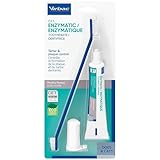
- #1 BRAND CHOSEN BY VETERINARIANS: Proven effective and trusted for over 30 years, C.E.T. is the top recommended dental brand by veterinary professionals to reduce plaque & tartar buildup
- Dual-sided toothbrush designed specifically for canine mouths with soft bristles for comfortable brushing
- Long handle with reverse angle allows for easy use and soft bristles for comfortable brushing while the finger-brush slips over finger for ease of use and better control
- Great tasting poultry-flavored toothpaste is ideal for dogs and cats that quickly build up plaque and tartar
- Complete kit with everything pet owners need to start a program of regular oral hygiene for their dog or cat. Ideal to help acquaint dogs/cats and their owners with the tooth brushing experience
Hidden problems are one reason findings can change the plan. AAHA’s 2024 client guidance says more than 50% of a tooth’s structure is below the gumline and can only be seen on X-rays. The 2019 AAHA guidelines cite one study in which 28% of grossly normal teeth in dogs had clinically important radiographic findings. These figures describe what may be missed by looking only at visible tooth surfaces; they do not predict what will be found in an individual dog.
Why comprehensive cleaning generally requires anesthesia
A complete dental assessment requires a dog to stay still for X-rays and probing, and treatment includes cleaning under the gumline. AAHA’s guidelines call for general anesthesia with endotracheal intubation, appropriate monitoring, and physiologic support for dental procedures. An awake scaling service may remove some visible tartar, but it cannot provide the same radiographic assessment, probing, or subgingival cleaning. It should not be treated as equivalent to comprehensive veterinary dental care. See AAHA’s explanation of anesthesia’s role and VCA’s cleaning overview.
Also popular on Amazon
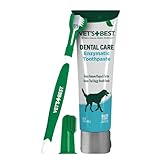
- DOG TOOTH BRUSHING KIT: Keep your dog's teeth and gums healthy with our dog toothbrush and toothpaste kit; our toothpaste is made with aloe, neem oil, grapefruit seed extract, baking soda, and enzymes to keep you dog's mouth fresh
- DOG DENTAL CARE MADE EASY: Our dog tooth paste gently cleans away plaque and tartar, serving as an effective dog breath freshener; rid your dog of bad breath and gift them a healthier mouth with our dog tooth brushing kit.
- TRIPLE HEAD TOOTHBRUSH: Our dog dental cleaning kit features a triple-sided dog tooth brush that cleans all sides of your dog's teeth at once, making tooth brushing faster and more efficient; no more struggling to clean those hard to reach back teeth
- NATURAL FLAVORS: Our toothpaste for dogs has natural flavors that your furry friend will love, making dog tooth brushing a more enjoyable experience even for the pickiest of pups, so you can keep their dog breath fresh without any fuss
- DENTAL KIT FOR DOGS OF ALL SIZES: Regular teeth cleaning supports your pet’s health. Use our dog toothbrush and toothpaste between vet visits to maintain oral hygiene, reduce plaque and tartar buildup, and keep your dog’s mouth fresh and healthy.
AAHA Veterinary Content Specialist Emily Singler, VMD, explains: “without anesthesia, there’s no way to fully assess and address your pet’s dental health. Non-anesthetic dental cleanings may make your pet’s teeth look and smell better in the short term, but they create a false sense of security and don’t really make your pet’s mouth healthier.”
Anesthesia is not risk-free, and an article cannot determine the right plan for an individual dog. Discuss your dog’s health, recommended tests, monitoring, and any specific concerns with the veterinarian. AAHA’s guidelines also describe individualized clinical judgment, including referral when a patient’s anesthetic or procedural needs exceed what the primary veterinarian can provide.
Quick wins for a faster PC:
Scan for outdated or missing drivers - takes under a minuteDriver Scan →Repair Windows errors before they cause bigger problemsFix Now →Fix the driver behind crashes, sound loss and screen glitchesFind Drivers →Also popular on Amazon

- 🐶PROFESSIONAL PET TOOTH TOOL - 4 styles of dental cleaning care tools include dental probe, tartar scraper, sickle scaler and round plaque remover. easily clean the mouth of stubborn stains, food debris, remove plaque and tartar, keep your pet's breath fresher.
- 🐶CARE FOR PET DENTAL HEALTH - Our pet tooth cleaning kit is widely applicable, suitable for pets of different sizes and different breeds, such as cats, dogs, etc. you can confidently provide professional-level dental care for your pets, saving a lot of time and energy.
- 🐶EASY TO USE - This pet tooth dental pick oral hygiene tool is designed in different shapes, which allows easy and convenient access to different spots, with anti-slip handles to increase friction and stability in operation, you can easily solve the in the hard-to-reach areas of the mouth.
- 🐶HIGH QUALITY STAINLESS STEEL - The pets dental kit is made of food-grade high-quality stainless steel, which allows rust resistance, durability and safety, easy to clean and sterilize. Comes with a durable storage box to keep your pet's tooth cleaning tools clean and tidy.
- 🐶SATISFIED SERVICE - This pet oral care product is suitable for pet dogs and cats. We will provide worry-free warranty for all the comsumers if you have any issues with this product you could contact us for solutions, we will give you the best shopping experience without any worries!
What to expect when your dog comes home
Many dogs go home the same day, but discharge timing depends on the procedure and the clinic’s plan. Your dog may be sleepy, confused, or unsteady for a while after anesthesia. Follow the written instructions for food, water, medications, activity, oral care, and follow-up—especially if teeth were extracted. Do not give human or over-the-counter medication unless your veterinarian directs you to do so.
Call your clinic or its after-hours service if your dog’s recovery worries you or does not match the expectations in the discharge instructions. AAHA’s general anesthesia guidance identifies prolonged difficulty waking, persistent distress, and ongoing vomiting or diarrhea as reasons to contact a veterinarian; use your clinic’s instructions for the appropriate response in your dog’s case.
Home dental care after recovery
Once your dog’s mouth has recovered, daily brushing can help maintain oral health. AAHA recommends a soft-bristled, pet-specific toothbrush and dog toothpaste; do not use human toothpaste. If your dog had extractions, painful gums, or other treatment, ask the veterinarian when brushing can resume. A dog toothbrush and toothpaste kit can support this routine, but it is not a substitute for professional examinations or treatment. AAHA’s dental-care guidance also discusses VOHC-accepted dental products as optional adjuncts.
Plaque can begin forming again soon after a cleaning. VCA’s dog dental cleaning guidance says plaque forms in as little as six hours after a cleaning. Brushing and other veterinarian-approved home-care measures help support oral health between professional visits.





Leave a Reply