
Some links on this page are affiliate links: if you buy through them we may earn a commission, at no extra cost to you.
Adopting a senior dog usually means welcoming an individual with an established history, not accepting a diagnosis based on age. Before bringing the dog home, obtain the shelter’s medical records, confirm what care the adoption fee includes, and arrange a veterinary appointment soon after adoption. Your veterinarian can establish a baseline and decide which examinations or tests fit this dog’s history, lifestyle, geography, and symptoms. At home, expect an adjustment period that varies by dog rather than a guaranteed timetable. Predictable routines, traction on slippery floors, comfortable bedding, and an optional ramp or steps can make the transition easier when the dog’s mobility or confidence calls for them. Costs also vary widely: local fees and included services differ, and a shelter’s estimate is not a national price promise.
What does “senior dog” actually mean?
There is no universal birthday at which every dog becomes senior. The American Animal Hospital Association (AAHA) describes the senior life stage as roughly the final 25% of a dog’s estimated lifespan, so breed, size, genetics, and individual health all matter. A shelter’s age label helps you plan, but it is not a medical diagnosis or a guarantee that the dog has age-related disease.
As an Amazon Associate I earn from qualifying purchases.
AAHA’s senior-care guidance emphasizes that “old age is not a disease.” An older dog may be healthy, active, and comfortable, while another of the same stated age may need treatment for dental, orthopedic, heart, kidney, endocrine, or other conditions. The useful question is not simply how old the dog is, but what has been documented, what signs are present now, and what preventive plan suits that individual.
What should I ask the shelter or rescue before adoption?
Request the available history in writing and ask which care is complete, which is due, and which findings still need follow-up. The Association of Shelter Veterinarians’ shelter-care standards describe accurate medical records as essential. A well-organized file may include the intake assessment, dated examinations, diagnoses, laboratory or imaging results, vaccinations, procedures, medications and doses, parasite treatments, and treatment responses.
Popular on Amazon

- 【 Sturdy & Stable Dog Car Ramp 】The large dog's pet ramp is made of high-grade aluminum which makes the folding dog ramp stairs sturdy but more lightweight, our latest upgraded and improved version of the ramp includes an internal load-bearing crossbar to ensure long-lasting stability and support up to 250 lbs. Its mechanically designed structure provides strong support. Perfect for small, medium & large dogs' indoor and outdoor use when getting into a vehicle, car, SUV, truck, couch, or high bed
- 【 Anti-slip & Comfortable Dog Ramp 】Our folding dog ramp features a non-slip gray carpet surface, it is made of dense anti-tear plastic fibers with Loofah-like texture grip, provides plenty of traction, and absorbs the impact as the dog steps on, relieves the pressure on the paws and joints and reduce the pet's muscle ache and joint tension caused by jumping. The top of each step has an anti-slip rubber-like surface, which ensure that your pet will not slip while walking in any weather conditions
- 【 Longer Length for Gentle Angle】 The length of dog car ramps is increased to 63 inches, and a width of 17.3 inches, allowing for a smoother angle between the pet ramp and the car, better reducing the dog's muscle and joint straining caused by jumping, easing pain and better protecting against injury. Complete with a safety rope and stainless steel buckles, this ramp offers extra security
- 【 Four-Fold for Portability & Multifunctional 】: The dog ramp with extra long length of 63 inches and a width of 17 inches. Unlike other dog loading ramps on the market can only be two-fold or three-fold, our dog vehicle ramps can be quadruple folded into a convenient size of 17.5*17*5.5inch. The dog ramp stair is perfect for your dog's entering cars, SUVs, trucks, high beds, and couches
- 【 Easy to Store & Carry 】: The outdoor dog ramp can be folded flat, only 5.5 inches high, and weighs 13.5 pounds when folded, making it very easy to store for storage. You can easily store it in your car, living room, and bedroom without taking up too much space. Plus the padded foam handle and lightweight design are more convenient to carry anytime and anywhere. so you can easily carry it indoors or outdoors. Have your best friend join you on vacation with no trouble
Questions about the dog’s current health
- What was found during intake and later examinations?
- Are there known conditions, recurring symptoms, injuries, masses, allergies, or behavior changes?
- What medications, supplements, or special diets is the dog receiving, and when was each dose last given?
- Which vaccinations, parasite preventives, dental procedures, sterilization, microchip registration, or diagnostic tests have been completed?
- What care is recommended but not yet completed?
- Who performed each examination, on what date, and can you have copies of the results?
Why an intake exam is not the same as a full medical guarantee
Shelters commonly assess animals at intake; the shelter-veterinary standards say a comprehensive examination by a veterinarian or trained personnel is ideally completed within 24 hours of intake. That assessment is valuable, but it cannot rule out every disease, especially when signs are subtle, incubation periods are involved, or the dog’s history is incomplete. Treat the records as a starting point for your own veterinarian, not as a promise that no future problem will appear.
When should my newly adopted senior dog see a veterinarian?
Book a baseline appointment soon after adoption and bring every record, medication container, and written observation you have. AAHA recommends veterinary examinations every six months for dogs older than seven years, including apparently healthy dogs, while also stressing that plans must be individualized. That recommendation does not mean every dog needs an identical test package on a fixed date; your veterinarian will set the interval and scope.
Recommended Free Tools
What a baseline visit can cover
- A complete physical examination, including heart and lungs, joints and gait, skin, eyes, ears, lymph nodes, abdomen, body condition, and pain indicators.
- Dental and oral evaluation, because periodontal disease can be extensive even when a dog continues to eat.
- Weight, muscle condition, appetite, thirst, urination, stool, sleep, and activity review.
- Mobility, stiffness, reluctance to use stairs, difficulty rising, and possible pain.
- Vision, hearing, cognitive or sleep changes, and how the dog responds to handling.
- Review of all medicines and preventives, including possible interactions and dosing adjustments.
- Known or suspected heart, kidney, liver, endocrine, orthopedic, neurologic, or other chronic conditions.
- Nutrition, treats, dental home care, exercise, and realistic goals for comfort and function.
Write down what you observe during the first days: coughing, panting at rest, vomiting, diarrhea, changes in drinking or urination, appetite loss, limping, confusion, itching, or a new lump. A dated log can help the veterinarian distinguish a persistent pattern from a one-time change.
Which screening tests might a senior dog need?
Screening is a discussion with the veterinarian, not an automatic “senior package.” AAHA’s guidance lists a complete blood count (CBC), chemistry panel, and urinalysis every six to 12 months as examples for senior dogs. The appropriate interval depends on age, prior results, medications, symptoms, and the veterinarian’s assessment.
| Possible evaluation | How guidance frames it | What changes the decision |
|---|---|---|
| CBC | Listed by AAHA as a possible senior screening test, commonly repeated every six to 12 months. | Previous abnormalities, anemia signs, illness, medication monitoring, and the physical examination. |
| Blood chemistry | Listed with CBC and urinalysis in AAHA’s senior-testing table. | Kidney or liver concerns, endocrine disease, dehydration, diet, medications, and earlier results. |
| Urinalysis | Listed as a possible six- to 12-month senior screening test. | Drinking or urination changes, urinary signs, kidney concerns, diabetes risk, and blood-test findings. |
| Heartworm and tick-borne disease tests | AAHA’s table gives annual testing as an example. | Local disease prevalence, travel, mosquito and tick exposure, preventive use, and symptoms. |
| Fecal testing | Frequency depends on lifestyle and preventive care rather than a universal senior schedule. | Exposure to other animals, outdoor access, travel, gastrointestinal signs, and parasite risk. |
Additional imaging, blood-pressure measurement, eye evaluation, cardiac testing, or other diagnostics may be appropriate when the examination or history points that way. Ask what question each test is intended to answer, how a result would change treatment, and what follow-up would be required. This keeps screening useful without treating every older dog as if it has the same risks.
Also popular on Amazon

- Folding Travel Ramp: Designed to fit most SUV, van, car and truck models, this foldable lightweight ramp weighs only 10 lbs but is sturdy enough to support small, medium, and large dogs up to 150 pounds; Full dimensions 62" L X 16" W X 4" H
- Safe and Portable: Safety tested featuring high-traction treads, side rails and rubber feet to ensure stability and prevent wobbling, this ramp folds in half and locks with a safety latch for convenient storage between excursions
- Mobility Solutions: We carry a whole line of supplies to help your senior pet get to their favorite spots, including ramps, lift harnesses, collapsible travel crates and truck/SUV hitch steps
- Your Pet Deserves The Best: Explore all our products including leashes and harnesses, bark collars and wireless fences, pet doors, self-cleaning litter boxes and accessories, fountains and feeders, dog and cat toys and more
- Unleash A Lifetime Of Joy: Since 1998 we’ve been on a mission to create places and spaces where pets are happy, healthy and safe; Our US-based customer care experts are available to answer your questions by phone, email or chat
How much does it cost to adopt and care for a senior dog?
No reliable universal total exists. Adoption fees, included services, local veterinary prices, and the dog’s medical needs differ. A senior dog may cost less to adopt than a puppy in one shelter and more in another, while the first veterinary year could be routine or involve dental treatment, diagnostics, medication, or management of a chronic condition.
Do these 3 things before closing this tab:
1Scan for outdated or missing drivers - takes under a minute2Clear out junk files and repair common Windows errors3Fix the driver behind crashes, sound loss and screen glitchesWhat an adoption fee may include
Some shelters bundle sterilization, vaccinations, microchipping, parasite prevention, and a limited examination or post-adoption wellness visit. Others provide a different combination or charge separately. Fairfax County, for example, lists a participating-veterinarian examination certificate among its dog-adoption inclusions. Pasadena Humane lists a free health examination within 14 days. These are local policies, not national guarantees, and deadlines and participating providers can change.
Ask for an itemized answer before paying:
- Which vaccinations and parasite treatments were given, and when are they next due?
- Is sterilization complete or scheduled?
- Is the microchip registered to you, or must you complete registration?
- Is a post-adoption examination included, where must it occur, and what is the deadline?
- Are known medications, dental work, imaging, or rechecks included?
- Who pays for care that your veterinarian recommends after adoption?
How to use published cost figures responsibly
The Humane Society Silicon Valley’s public guide estimates average annual medical costs at $500–$1,000. That is the organization’s estimate, with no year stated on the page accessed, rather than an independently established national average. Your dog’s actual spending may be lower or much higher depending on location, health, preventive choices, and treatment decisions.
Local fee examples show why a single number misleads. The Humane Society of the Pikes Peak Region listed a senior-dog adoption fee of $115 effective March 10, 2026. Vancouver listed a $119 senior-dog fee on its current page. Neither figure predicts fees at another shelter or the medical costs after adoption.
A practical first-year budget conversation
After reviewing the records, ask a local veterinarian for estimates in separate categories: the initial examination, recommended laboratory work, dental evaluation or cleaning, medications, parasite and heartworm prevention, vaccinations, and any recheck or referral. Request low, expected, and more-complex scenarios when possible. Set aside an emergency reserve or investigate insurance before treatment is needed; coverage, waiting periods, exclusions, and pre-existing-condition rules vary by policy.
What’s actually slowing this PC down?
Pick the symptom - the matching free tool is one click away.
Also popular on Amazon

- OEKO-TEX Certified Material: Safe and non-toxic, free from harmful chemicals, ensuring no harm to your pets and family members.
- 2-In-1 Design: The 3-tier dog stairs feature an innovative 2-in-1 design, functioning both as traditional stairs and easily transforming into a gentle dog ramp. This versatile design is perfect for chairs and sofas, essentially offering two different heights and designs in one dog stair.
- 35D High-Density Foam: These pet stairs features a soft, low-angle ramp design with 35D high-density foam, providing optimal support and reducing stress on your dog's joints. Ideal dog stairs for small dogs and medium dogs, especially those with knee injuries or older pets who need extra care.
- No Assembly Required: The dog stairs for bed is convenient and hassle-free, simply unbox the pet steps, your furry friend can start using it right away. Due to vacuum compression, the surface of the puppy stairs may appear slightly wrinkled, and it will recover within 24-48 hours.
- Machine-Washable & Waterproof Cover: The removable cover is equipped with a TPU waterproof layer to prevent leaks and is easy to clean—just toss pet stairs for high beds in the washing machine or hand wash. Note: The foam interior should not be cleaned.
How long will a senior dog take to adjust at home?
There is no evidence-based universal number of days for adjustment, and a “3-3-3” timetable should not be presented as a guaranteed clinical schedule. Some dogs settle quickly; others need weeks or longer, particularly after kennel stress, multiple moves, pain, sensory loss, or major routine changes.
Build a predictable first routine
- Prepare a quiet resting area where the dog can retreat without being disturbed.
- Feed the same food and use the shelter’s familiar schedule initially when practical; change diets gradually with veterinary advice.
- Keep bathroom trips, meals, medication, walks, and bedtime at consistent times.
- Limit visitors, intense outings, and unsupervised interactions until you understand the dog’s signals.
- Use short, calm activity and reward-based handling rather than forcing exercise or contact.
- Record appetite, water intake, elimination, sleep, mobility, and signs of distress for the veterinary visit.
Ask the shelter about the dog’s preferred sleeping place, walking pattern, handling tolerance, fears, house-training history, and relationships with other animals. Familiar cues can reduce the number of changes the dog must process at once. Contact the veterinarian promptly for concerning symptoms rather than assuming they are merely adjustment stress.
What home changes help an older dog move safely?
Modify the environment according to observed need, not age alone. AAHA identifies ramps and good-traction surfaces as examples of senior-friendly changes. Soft bedding, clear pathways, and stable food and water stations can also make daily movement easier when a dog is stiff or weak.
Match the aid to the problem
- Slippery floors: add rugs or other traction-supportive surfaces along the routes the dog actually uses, and secure them so they do not slide.
- Difficulty with stairs: block unsafe access when necessary and discuss whether a ramp, gate, or supervised route is appropriate.
- Jumping into a vehicle or onto furniture: consider a stable ramp or pet steps sized for the dog and the available space; introduce it gradually with rewards.
- Stiffness or cold sensitivity: provide supportive, washable bedding away from drafts while preserving easy access to the bathroom.
- Vision or hearing loss: keep furniture in predictable places, approach within the dog’s awareness, and use consistent touch or visual cues.
For a ramp, compare stability, surface grip, dimensions, weight capacity, and whether it fits the intended couch, stair, or vehicle access. A ramp is optional equipment for a specific access problem, not a requirement for every senior dog. If pain, weakness, or repeated falls appear, seek a veterinary assessment before relying on a mobility aid.
The Tool Desk
Outbyte Driver Updater FREEScan for outdated or missing drivers - takes under a minuteDriver Scan →Outbyte PC Repair FREERepair Windows errors before they cause bigger problemsFix Now →How should I compare shelters or rescue groups?
Compare the quality and clarity of the information you receive, not just the advertised fee. A lower fee may include fewer services, while a higher fee may bundle preventive care or a post-adoption examination.
Also popular on Amazon
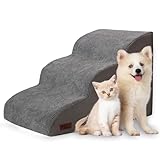
- PET STAIRS:The sturdy and stable stairs and ramps are designed so that your pet can walk steadily on them to the bed or couch for a close encounter with you. Perfect for small dogs, senior dogs or pets with limited mobility.We recommend it for pets weighing less than 50 pounds
- STABLE AND NON-SLIP:The pet ramp has a corduroy fabric outer cover to increase the friction between your pet's paws and the steps. Climbing ladder has a non-slip bottom surface, stable structure to bring enough security to the little ones
- EASY TO PUT:By placing the pet stairs in your living room or bedroom, you can watch your furry friend play with confidence that the silicone footprints on the bottom won't let him slip and slide around, whether on the carpet or the floor
- EASY TO ASSEMBLE:For easy transportation, the dog ramp is packed in vacuum compression. Normally, it can be fully popped up and unfolded into the shape of a staircase after 48-72 hours
- SUITABLE HEIGHT: 3 steps are suitable for sofas and chairs. 4 steps are suitable for sofas and beds.5 steps are suitable for beds and high beds
| Comparison point | What to verify |
|---|---|
| Medical records | Are dated examinations, diagnoses, test results, procedures, vaccinations, and medication details provided? |
| Known conditions | Are current symptoms, treatment plans, limitations, and unresolved recommendations explained? |
| Fee inclusions | Which sterilization, vaccines, microchip, parasite prevention, and examinations are covered? |
| Follow-up care | Is an examination offered, by whom, within what deadline, and with what exclusions? |
| Responsibility after adoption | Who pays for recommended diagnostics or treatment once the dog leaves the shelter? |
Read the adoption agreement for return policies, disclosure language, medical reimbursement limits, and deadlines. Keep copies of the agreement and records in a home file that you can share with your veterinarian or emergency clinic.
What are the most common mistakes new senior-dog adopters make?
- Assuming age predicts health: use the records and examination, not a label, to plan care.
- Skipping the baseline appointment: apparently healthy dogs can have dental disease or laboratory abnormalities without obvious signs.
- Ordering every test without a question: ask how each test fits the dog’s history, risks, and treatment goals.
- Budgeting from one shelter’s fee: separate adoption inclusions from local veterinary costs and possible chronic-care needs.
- Expecting instant attachment: allow the dog to settle through routine, rest, and low-pressure interaction.
- Installing equipment without assessing fit: a poorly sized or unstable ramp can create a fall risk; select and introduce aids deliberately.
What should I expect in the first month?
Expect information to become clearer in stages. The shelter records provide the starting history, the veterinary examination establishes a baseline, and daily observation reveals how the dog eats, sleeps, moves, eliminates, and responds to the home. Use that information to refine preventive visits, testing, medication, nutrition, exercise, and environmental support.
A senior dog may need more frequent monitoring than a younger dog, but senior status does not dictate one rigid schedule or inevitable high cost. The most reliable preparation is a written medical history, a veterinarian-guided plan, a realistic local budget, and a home arranged around the dog’s actual comfort and mobility.
Free tools Windows power users keep installed
One-click scans. No signup required.
Frequently Asked Questions
Should I adopt a senior dog if I have never owned a dog before?
Yes, if you can provide consistent care and arrange veterinary support. Ask the shelter for behavior and handling information, choose a dog whose activity and support needs match your household, and plan for learning medication, mobility, and monitoring routines with professional guidance.
Can a senior dog still learn house rules or new behaviors?
Older dogs can learn through short, reward-based sessions, although pain, hearing or vision loss, anxiety, and cognitive changes may affect pace. Have the veterinarian address medical barriers first, then keep cues and routines consistent.
What warning signs after adoption require urgent veterinary help?
Seek prompt care for breathing difficulty, collapse, repeated vomiting, inability to urinate, severe pain, sudden weakness, bloated abdomen, uncontrolled bleeding, or marked neurologic changes. For less dramatic but persistent changes in appetite, thirst, elimination, coughing, or mobility, call your veterinarian rather than waiting for the next routine visit.
Is pet insurance available for an older adopted dog?
Availability and exclusions depend on the insurer, age limits, waiting periods, and pre-existing-condition definitions. Review the policy before enrolling and do not assume a shelter’s short-term benefit or promotional coverage continues after its stated period.





Leave a Reply