Feed your dog a complete and balanced food that suits their age, size, health, and your veterinarian’s advice. There is no universally effective food that kills or cures canine yeast infections. In most dogs, yeast is an overgrowth of organisms that normally live on the skin, and successful treatment depends on controlling the overgrowth and finding the reason it keeps returning.
Do not remove grains, carbohydrates, or specific ingredients simply because your dog has a yeast infection. A diet change becomes medically useful when your veterinarian suspects a food allergy or adverse food reaction and uses a strict elimination-and-challenge trial to investigate it.
As an Amazon Associate I earn from qualifying purchases.
The short answer: keep feeding a nutritionally complete diet
If your dog is eating well and their veterinarian has not recommended a change, continue a commercial dog food with a nutritional adequacy statement showing that it is complete and balanced for the appropriate life stage. The U.S. Food and Drug Administration explains that this statement means the food is intended to provide the sole diet and meet established nutrient requirements when fed as directed.
PC Slower Than It Used to Be?
A free scan shows the junk files, broken settings and background clutter dragging Windows down - then fixes them in one click.Free scan · Windows 10 & 11Outdated Drivers Are Slowing You Down
One free scan finds every outdated or missing driver and matches the right update for your exact hardware.Free scan · exact hardware matchChoose food according to your dog’s age, size, body condition, activity, existing medical conditions, and medication needs. A yeast infection by itself is not a reason to switch automatically to grain-free food, a low-carbohydrate formula, a raw diet, or a meat-only diet.
#1 Best Overall

- Number 1 vet-recommended probiotic brand to support digestive health (online survey among all US vets who indicated brand as one of 1-3 brands recommended Q4 2025).
- For Dogs of All Ages: Probiotic dog powder supplement for the dietary management of puppies and adult dogs with diarrhea.
- Proven Probiotics: Dog digestive support supplement containing a probiotic for dogs proven to promote intestinal health and balance.
- Easy-to-Feed: Easy-to-Feed powder supplement includes dog immune system supporting antioxidants.
- Trusted Brand: FortiFlora digestive probiotics for dogs are developed in collaboration with Purina nutritionists, researchers and veterinarians.
If your dog has diabetes, obesity, pancreatitis, kidney disease, gastrointestinal disease, or another condition requiring a therapeutic diet, follow the veterinary plan rather than trying to manage yeast through an unsupervised food change. There is no single best diet for every allergic or itchy dog.
Commercial note: Therapeutic diet categories mentioned below are not yeast treatments or universal recommendations. If a veterinarian recommends one, use the specific product and feeding instructions they select. Prescription availability and authorization requirements vary by country and product.
Why dogs get yeast overgrowth
Malassezia pachydermatis is a yeast that can normally be present on canine skin. Problems arise when the skin environment allows it to multiply excessively. Overgrowth can cause:
What’s actually slowing this PC down?
Pick the symptom - the matching free tool is one click away.
- Intense itching or persistent scratching
- Red, inflamed, greasy, scaly, or thickened skin
- A musty, sour, or unpleasant odor
- Hair loss, darkening, or thickening of the skin after repeated inflammation
- Constant paw licking or chewing
- Recurrent ear infections, head shaking, ear odor, redness, or discharge
Common contributors include allergies, a damaged skin barrier, trapped moisture, skin folds, parasites, hormonal or endocrine disease, and other dermatological problems. Yeast often returns when the underlying condition remains uncontrolled. That is why changing food alone frequently fails even when the dog appears to improve temporarily.
A veterinarian may examine skin or ear samples under a microscope using cytology to determine whether yeast is present and whether bacteria are present too. Skin scrapings or other tests may be needed to investigate parasites and alternative causes of itching. A visible odor or rash can suggest yeast, but it cannot reliably identify the organism or rule out a bacterial infection.
Rank #2
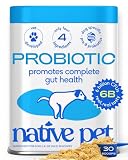
- Dog-Specific Strains, Real Results: Unlike one-size-fits-all formulas, Native Pet delivers 6 Billion CFUs from 4 strains selected specifically for canine digestive systems. Vet-formulated for targeted gut health support, this probiotic powder helps dogs with sensitive stomachs and supports stool quality and digestive recovery - most dogs show noticeable stool improvement within 7 days
- Simple Weight-Based Dosing: No measuring cups or complicated calculations - just use the included scoop. Give 1 scoop per 50 lbs of body weight daily, with smaller dogs using proportionally less (e.g., a 25-lb dog gets ½ scoop). Split the daily scoop across 2 meals for added flexibility with this dog probiotic supplement powder
- Clean Label You Can Trust: Native Pet commits to 5 or fewer inactive ingredients per formula. Developed by a board-certified veterinary nutritionist, this formula contains only what works, no unnecessary fillers. Shelf-stable powder, no refrigeration needed, just store in a cool, dry place. Suitable for dogs of all breeds, sizes, and life stages, from puppies through seniors. For specific allergen concerns, check the product label for the complete ingredient list
- Prebiotics and Fiber for Daily Gut Balance: 2 prebiotic fiber sources - inulin from Jerusalem artichoke and organic pumpkin powder - nourish beneficial gut bacteria and support complete digestive balance. Designed for daily long-term use as part of your dog's regular feeding routine, not just as a short-term fix. Best of all, it's shelf-stable; store it right in your pantry with no refrigeration required before or after opening
- Picky Pup Approved, All Ages Welcome: This fine probiotic powder mixes seamlessly into wet or dry dog food without changing taste or texture - even your pickiest pup won't notice it's there. Vet-formulated and Made in the USA with globally sourced ingredients, it's the daily digestive support pet parents seeking clean, science-backed canine nutrition can feel good about. Please Note: Packaging may vary due to design changes. Contents remain unchanged in quality and ingredients.
When diet may be part of the solution
Food allergy is one possible contributor to recurrent itching, ear disease, and secondary yeast or bacterial infections. It is not the only explanation, and food allergy is generally less common than environmental allergy and several other causes of pruritus.
The useful question is therefore not Which food kills yeast? It is Could a food allergy be helping drive the skin inflammation that allows yeast to recur? If the answer might be yes, a veterinarian can use a controlled elimination diet to test that possibility.
Improvement during a diet trial supports the possibility of food allergy, but it is not usually considered confirmed until the previous diet is reintroduced as a challenge, when that is clinically appropriate. If the original signs return after reintroduction, the evidence for food allergy is much stronger.
How a veterinary elimination trial works
A real food-allergy trial is more demanding than buying a food labeled limited ingredient and hoping the itching stops. Follow your veterinarian’s instructions closely:
- Select the trial diet with your veterinarian. The usual commercial choices are a prescription hydrolyzed-protein diet or a prescription diet containing a genuinely novel protein that your dog has not eaten before. Your dog’s previous foods, treats, supplements, and flavored medicines matter when deciding what counts as novel.
- Feed only the selected diet and water. During the trial, do not give table scraps, treats, rawhides, dental chews, flavored supplements, or other foods unless the veterinarian specifically approves them. Even a small exposure can make the result difficult to interpret.
- Check every medication and preventive. Flavored tablets, chewable flea or heartworm preventives, pill pockets, and capsule ingredients may contain animal proteins. Do not stop essential medication or parasite prevention on your own. Ask the veterinarian whether an unflavored alternative is suitable or how the product should be included in the trial.
- Continue for the prescribed duration. Veterinary allergy guidelines commonly recommend a trial lasting about 4 to 12 weeks. Approximately 8 weeks captures most food-allergic dogs, while a smaller group may require the full 12 weeks. Skin and ear infections may need separate treatment during this period.
- Record what happens. Track itching, paw chewing, ear odor or discharge, licking, redness, hair loss, stool changes, treats, accidental exposures, and medication changes. A dog food allergy symptom diary can make missed exposures easier to identify and gives you a more objective way to compare symptoms over time.
- Complete the challenge only with veterinary guidance. If signs improve, your veterinarian may have you reintroduce the former food. A return of the original signs supports food allergy; no change makes food allergy less likely and directs attention to other causes.
Over-the-counter foods are not preferred for a diagnostic elimination trial because they may contain undeclared proteins or have manufacturing cross-contact that compromises the test. An over-the-counter limited-ingredient food may be appropriate for some dogs as a later maintenance diet, but it is not automatically equivalent to a prescription diagnostic diet.
Rank #3

- Something Yummy for a Happy Tummy! - Probiotic Bites are functional soft chew dog supplements that support gut flora and immune support for your canine companion.
- Featuring Our Gut First Blend - This blend of Bacillus coagulans, Bacillus subtilis, Saccharomyces boulardii supports gut health and immune system function for your doggy.
- For a Healthy Gut - Fido can continue to digest with more zest! Probiotic Bites help support gut flora and normal digestive function for small, medium, and large breeds – whether an adult or senior!
- Immune System Support - At a total of 3 billion CFU per chew, the probiotics in these Probiotic Bites provide paw-erful support for your dog's immunity.
- Good Gut Bacteria - These chewables include pawsome probiotic strains such as Lactobacillus acidophilus, L. plantarum, L. brevis, L. fermentum, and Lactococcus lactis.
Hydrolyzed versus novel-protein diets
| Diet type | How it is intended to help | Important limitation |
|---|---|---|
| Hydrolyzed-protein diet | The protein is broken into smaller fragments designed to be less likely to trigger recognition by the immune system. | It is still a diagnostic tool, not a cure for yeast. The product must be fed exclusively and selected according to the dog’s history and medical needs. |
| Novel-protein veterinary diet | It provides a protein the individual dog has genuinely not eaten before. | Novel means new to that dog. Venison, duck, fish, or another unusual-sounding protein is not novel if the dog has already eaten it. |
If your veterinarian recommends a hydrolyzed protein dog food, use the prescribed veterinary diet rather than treating a retail product with similar wording as interchangeable. Prescription hydrolyzed and novel-protein veterinary diets may require veterinary authorization, and the correct choice depends on your dog’s history and concurrent conditions.
Free tools Windows power users keep installed
One-click scans. No signup required.
Once the diagnostic trial is complete, your veterinarian may recommend continuing the therapeutic diet, choosing a suitable maintenance food, or testing individual ingredients. Do not add treats back randomly if you still need to determine which ingredients your dog can tolerate.
Foods and remedies that should not be promised as cures
Veterinary guidance does not establish a general anti-yeast feeding protocol based on any of the following:
- Cutting out sugar or carbohydrates: Canine skin yeast overgrowth is not reliably cured by removing grains or carbohydrates from the bowl.
- Grain-free food: Grain-free is not the same as hypoallergenic, hydrolyzed, or novel-protein, and it does not address most causes of recurrent yeast disease.
- Yogurt or probiotics: These products should not be presented as a treatment for a diagnosed skin or ear yeast infection. Some contain ingredients that can also break an elimination trial.
- Raw meat: A raw diet has not been established as a general treatment for Malassezia and can create nutritional, bacterial, and handling risks.
- Meat-only or improvised diets: These can be nutritionally incomplete, especially when fed for more than a very short period.
- Ordinary chicken-and-rice recipes: They are not a properly designed elimination diet and may contain a protein your dog has already eaten.
If a commercial therapeutic diet is unsuitable or unavailable, ask about a veterinary nutritionist-formulated homemade elimination diet. Homemade diets should be professionally formulated to meet nutritional requirements; an internet recipe or a meat-and-vegetable mixture is not a safe substitute.
Do not treat an ear or skin infection with leftovers
Do not give human antifungal medicine, leftover veterinary medication, or an ear product without an examination. Ear disease may involve yeast, bacteria, mites, inflammation, or more than one problem at the same time. The eardrum also needs to be assessed before certain ear medications are used.
Rank #4

- Gut & Digestive Health Support: Our pet probiotic prebiotic blend supports healthy digestion, skin health, gut balance and nutrient absorption, helping to reduce sensitive stomachs, irregular stools, low energy and allergy-related discomfort.
- 12 Probiotic Strains, Plus Prebiotics: With powerful probiotics for gut health, this USDA-certified organic probiotic for cats and dogs includes 5 billion CFUs per scoop plus acacia, agave inulin and FOS prebiotics for a balanced microbiome.
- Picky Eater Friendly: Our flavorless cat and dog food topper with prebiotics and probiotics works seamlessly with any diet and is perfect for pet parents looking for a stress-free alternative to probiotic chews, pills or flavored supplements.
- Easy-to-Give Everyday Food Topper: During allergy season and beyond, add to your pet’s food at home or on-the-go, using provided scoop (½ scoop under 15 lbs, 1 scoop 16–60 lbs, 2 scoops 60+ lbs); made in the USA, NASC Certified and GMP-Compliant.
- Vet-Founded & Formulated: Co-founder and veterinarian Dr. Dulake creates formulas for pet parents focused on treating the root cause, not just the symptom; at Fera Pets, we combine Eastern and Western philosophies to deliver long-term wellness for your pets.
Depending on the findings, a veterinarian may prescribe topical antifungal treatment, ear cleaning, treatment for bacterial infection, anti-inflammatory care, or—when disease is severe or resistant—systemic antifungal medication. The appropriate treatment depends on the site, organism, severity, underlying condition, and the dog’s overall health.
When your dog needs a veterinary appointment
Arrange an examination if your dog has a strong or persistent odor, recurrent ear problems, intense itching, red or thickened skin, hair loss, darkening skin, discharge, pain, head shaking, or repeated relapses. Seek prompt care for a painful ear, marked swelling, loss of balance, severe lethargy, or a dog that is rapidly worsening.
For recurrent cases, ask the veterinarian about:
- Skin or ear cytology to check for yeast and bacterial infection
- Ear examination and eardrum assessment before medication is placed in the canal
- Testing for parasites or other skin disease when indicated
- Evaluation for environmental allergy, food allergy, endocrine disease, or another underlying condition
- A properly controlled elimination-and-challenge trial if food allergy is a reasonable possibility
- A long-term prevention plan for bathing, moisture control, allergy management, and recurrence monitoring
A practical feeding plan for today
- Keep feeding the dog’s current complete and balanced food if it is tolerated and no veterinarian has advised otherwise.
- Do not abruptly remove grains, carbohydrates, or several ingredients based only on the word yeast.
- Book an appointment if the dog has odor, itching, ear signs, skin changes, or repeated infections.
- Ask whether cytology is needed and whether an allergy or other underlying disease is being investigated.
- If food allergy is suspected, obtain the specific veterinary diet and trial instructions before changing foods.
- Feed the trial diet exclusively, record symptoms and exposures, and do not interpret a partial improvement as proof without the planned challenge.
The best food for a dog with yeast overgrowth is usually not a special anti-yeast food. It is a nutritionally complete diet that fits the dog’s needs, combined with accurate diagnosis and treatment of the infection and any condition causing the skin barrier to break down.
Frequently Asked Questions
Can changing my dog’s food cure a yeast infection?
Usually not. Food can matter when an allergy is contributing to skin inflammation and recurrent yeast, but a diet change does not replace veterinary diagnosis or antifungal treatment. A veterinarian-guided elimination-and-challenge trial is needed to investigate food allergy.
The Tool Desk
Outbyte Driver Updater FREEScan for outdated or missing drivers - takes under a minuteDriver Scan →Outbyte PC Repair FREEClear out junk files and repair common Windows errorsFree Scan →Should I feed my dog grain-free food for yeast?
Not solely because of yeast. Grain-free food is not automatically hypoallergenic and has not been established as a general treatment for Malassezia overgrowth. Change diets only for a documented clinical reason and with veterinary guidance.
Best Value
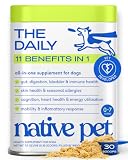
- 11-in-1 Daily Dog Vitamins, No Fillers: Simplify your dog's wellness routine to a single daily scoop. Native Pet's multivitamin for dogs is formulated with a Board-Certified Veterinary Nutritionist using quality ingredients and no artificial additives.
- Gut Health and Joint Comfort in Every Scoop: Probiotics support healthy digestion and stool quality for dogs prone to gut sensitivity, while glucosamine and collagen support joint comfort and everyday movement. With consistent daily use, your dog gets targeted nutritional support where it matters most. Consult your veterinarian before use if your dog is on medication or has an existing health condition
- Skin, Coat, Energy, and Beyond: Dull coat, dry skin, seasonal scratching - whether it's occasional dry patches or ongoing seasonal irritation, this formula delivers targeted daily nutrients to support healthy skin and a shiny coat. It also supports energy, heart health, and cognitive function to keep dogs engaged and alert. Ideal during seasonal changes or for aging dogs showing signs of slowing down; works for active breeds, seniors, and every dog in between
- Beef Bone Broth Flavor Dogs Enjoy: This beef bone broth-flavored powder mixes effortlessly into kibble, wet food, or raw meals as a simple food topper. Just 1 scoop daily provides a 30- to 120-day supply, depending on package size. Suitable for dogs of all breeds and life stages.
- Made in the USA, Clean Label You Can Trust: Native Pet dog supplements are made in the USA with high quality ingredients and no artificial additives. This minimally processed powder delivers higher active ingredient concentration, covering all 11 nutritional bases in a single daily scoop. Please Note: Packaging may vary due to design changes. Contents remain unchanged in quality and ingredients.
Is yogurt good for a dog with a yeast infection?
Yogurt should not be relied on to treat a skin or ear yeast infection. It may also add ingredients that compromise a strict food-allergy trial. Ask your veterinarian before adding supplements or human foods.
How long should a dog stay on an elimination diet?
Veterinary allergy guidance commonly uses a 4- to 12-week trial. About 8 weeks captures most food-allergic dogs, while some require 12 weeks. The diet must be fed exclusively, and the duration and challenge should be directed by your veterinarian.
Can I make a homemade diet for the trial?
Do not improvise a meat-only, chicken-and-rice, or meat-and-vegetable diet. If a homemade elimination diet is necessary, have it formulated by a veterinary nutritionist so it is both appropriate for the trial and nutritionally complete.
The Bottom Line
Bottom line: Feed a complete and balanced food suited to your dog unless your veterinarian recommends a specific change. There is no proven universal food that kills canine yeast. Recurrent skin or ear yeast usually calls for cytology, appropriate antifungal treatment, and investigation of allergies or other underlying disease. Use a prescription hydrolyzed or genuinely novel-protein diet only as part of a strict, veterinarian-guided elimination trial when food allergy is suspected.
Quick Recap
Product prices and availability are accurate as of the date/time indicated and are subject to change. Any price and availability information displayed on Amazon at the time of purchase will apply.




