
Some links on this page are affiliate links: if you buy through them we may earn a commission, at no extra cost to you.
Book a comprehensive senior wellness appointment promptly—ideally soon after adoption—rather than scheduling vaccines alone. Bring every shelter or previous-owner record, the medication and supplement list, diet information, and short videos of your dog’s gait or unusual behavior. The veterinarian should perform a complete physical and dental examination, assess pain and mobility, and discuss baseline complete blood count (CBC), blood chemistry, and urinalysis. Vaccines, parasite tests, thyroid and blood-pressure checks, heartworm testing, and fecal testing should be chosen from the dog’s documented history, lifestyle, geography, and examination findings. Plan wellness visits about every six months and call sooner for appetite, thirst, weight, mobility, behavior, or wound changes.
What should happen first after adopting a 14-year-old dog?
Arrange a new-patient senior examination and records review as the first medical step. A 14-year-old dog is well beyond the American Animal Hospital Association’s senior threshold of more than seven years, even if the dog appears comfortable. The appointment establishes a current baseline, identifies problems that may be hidden at home, and lets the veterinarian create a preventive plan suited to the dog’s remaining years.
As an Amazon Associate I earn from qualifying purchases.
Shelter medicine guidance says a comprehensive examination is ideally performed within 24 hours of intake. That intake check is useful but does not replace an adopter’s appointment: your veterinarian needs the dog’s current home environment, diet, behavior, medications, and a plan for monitoring changes over time.
Call the clinic before the visit
- Tell the receptionist the dog is 14, recently adopted, and has an unknown or incomplete history if that is the case.
- Ask whether the clinic wants the dog fasted for bloodwork. Do not withhold water or food unless the veterinary team gives specific instructions.
- Ask how to bring a fresh stool sample and whether urine collection is useful for the planned tests.
- Request a longer appointment if the dog has mobility problems, fear, coughing, pain, or several records to review.
Bring information the veterinarian cannot obtain during a brief examination
- All shelter, rescue, breeder, or previous-owner records, including dates of vaccinations, deworming, flea and tick products, heartworm prevention, illnesses, surgeries, and diagnostic results.
- Microchip number and registration details, reproductive status, estimated birth date, and any adoption contract or medication instructions.
- Names, doses, schedules, and start dates for prescription drugs, over-the-counter products, supplements, and topical treatments.
- Diet, treats, appetite, water intake, urination, bowel movements, sleep, activity, and any changes noticed since adoption.
- Short videos showing walking, rising, using stairs, coughing, circling, nighttime restlessness, or other behavior that may not appear in the examination room.
What does the first senior examination include?
The veterinarian should combine a detailed history with a head-to-tail physical examination. AAHA senior-care guidance specifically includes the mouth, eyes, joints, spine, abdomen, heart, lungs, mobility, behavior, and pain; a thorough visit also records body-condition and muscle-condition scores.
Popular on Amazon
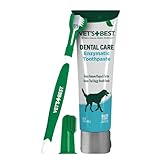
- DOG TOOTH BRUSHING KIT: Keep your dog's teeth and gums healthy with our dog toothbrush and toothpaste kit; our toothpaste is made with aloe, neem oil, grapefruit seed extract, baking soda, and enzymes to keep you dog's mouth fresh
- DOG DENTAL CARE MADE EASY: Our dog tooth paste gently cleans away plaque and tartar, serving as an effective dog breath freshener; rid your dog of bad breath and gift them a healthier mouth with our dog tooth brushing kit.
- TRIPLE HEAD TOOTHBRUSH: Our dog dental cleaning kit features a triple-sided dog tooth brush that cleans all sides of your dog's teeth at once, making tooth brushing faster and more efficient; no more struggling to clean those hard to reach back teeth
- NATURAL FLAVORS: Our toothpaste for dogs has natural flavors that your furry friend will love, making dog tooth brushing a more enjoyable experience even for the pickiest of pups, so you can keep their dog breath fresh without any fuss
- DENTAL KIT FOR DOGS OF ALL SIZES: Regular teeth cleaning supports your pet’s health. Use our dog toothbrush and toothpaste between vet visits to maintain oral hygiene, reduce plaque and tartar buildup, and keep your dog’s mouth fresh and healthy.
History and identification
The clinic will verify the dog’s estimated age, sex, reproductive status, identification, previous diagnoses, procedures, and treatments. Shelter standards call for dated records of physical findings, vaccinations, diagnostic results, procedures, and treatments. If records are missing, the veterinarian can document what is known, label what is uncertain, and avoid assuming that an undocumented vaccine or test was completed.
Physical, dental, and pain assessment
The examination checks heart and lung sounds, pulses, temperature, lymph nodes, abdomen, skin, eyes, ears, oral tissues, and neurologic responses. The veterinarian should watch the dog stand, walk, turn, and sit, then palpate joints and spine for pain or reduced range of motion. Note whether the dog has difficulty rising, slips on smooth floors, hesitates on stairs, or tires quickly.
Recommended Free Tools
The mouth deserves its own discussion. Broken teeth, infection, gum disease, oral masses, and painful chewing can be concealed by a dog that still eats. Ask what findings can be managed at home and whether suspected disease warrants professional cleaning and dental radiographs under anesthesia.
Daily-function questions
Be prepared to describe hearing and vision, appetite and thirst, elimination, sleep-wake patterns, interaction with people and animals, anxiety, confusion, vocalization, and activity. These observations help distinguish normal adjustment after adoption from medical disease, sensory loss, or cognitive change.
Should a 14-year-old adopted dog get bloodwork right away?
Discuss baseline CBC, blood chemistry, and urinalysis at the first visit. AAHA’s guidance for an unhealthy senior describes a senior blood profile with urinalysis as a minimum database, and apparently healthy seniors commonly receive comprehensive screening every 6–12 months. Whether to run everything immediately or stage tests depends on examination findings, stress, cost, prior results, and whether sedation or another procedure is being considered.
Also popular on Amazon

- COMPLETE DOG DENTAL KIT: Includes a 2.5 oz tube of chicken flavor enzymatic dog toothpaste, a long-handled double-ended toothbrush, and a finger brush, giving you a full at-home dog tooth brushing kit in one pack.
- ENZYMATIC BAKING SODA FORMULA: This Arm & Hammer enzymatic toothpaste for dogs uses baking soda for fresh breath and helps with tartar control*. Added calcium is part of the formula for stronger teeth.
- CHICKEN FLAVOR TOOTHPASTE: The chicken flavored dog toothpaste is made to make brushing more appealing. Start with a small amount so your dog can adjust to the flavor, then build a steady brushing habit over time.
- TARTAR CONTROL SUPPORT: Brushing regularly with this dog toothpaste and toothbrush helps with tartar control* and fresh breath. Use the toothpaste with either brush as part of a consistent at-home dental care routine.
- TWO BRUSH SIZES INCLUDED: The long-handled double-ended toothbrush and the finger brush give you two brush sizes to suit all size pets. The finger brush is made for training and for sensitive pets.
| Evaluation | What it can establish | How the veterinarian may use it |
|---|---|---|
| CBC | Red-cell, white-cell, and platelet patterns | Looks for anemia, inflammation, infection patterns, or platelet abnormalities that may change treatment or anesthesia planning. |
| Blood chemistry | Kidney, liver, glucose, protein, electrolyte, and related values | Provides organ-function context for diet, medication, fluid therapy, and dental or other anesthesia decisions. |
| Urinalysis | Urine concentration, cells, protein, glucose, blood, and sediment findings | Adds information that blood tests alone can miss, particularly for urinary or kidney concerns. |
| Additional tests | Imaging, urine-protein measurement, ECG, or disease-specific panels | Selected when history, breed, symptoms, examination findings, or a planned procedure creates a specific question. |
Immediate versus staged testing
- Immediate baseline: A reasonable choice when records are absent, the dog has weight loss or increased thirst, the examination is abnormal, or a procedure may be needed soon. It gives the clinic current information before treatment.
- Staged workup: May suit a stable dog with reliable recent results, severe fear, limited funds, or a normal initial examination. The veterinarian can start with the most decision-changing tests and schedule the rest.
- Repeat or targeted testing: Abnormal results often require confirmation or a focused test rather than a broad panel repeated without a question.
Ask what each proposed test will change. Diagnostic yield, cost, handling stress, and the dog’s comfort all matter; there is no universal panel for every 14-year-old.
Which vaccines and parasite tests are still needed?
Reconcile the records before repeating vaccines. AAHA and AVMA preventive guidance calls for at least annual examinations, annual heartworm testing, and at least annual internal-parasite testing, while senior recommendations tailor core vaccines and year-round flea, tick, and heartworm prevention to lifestyle.
| Preventive item | Reference frequency for an apparently healthy senior | What changes the plan |
|---|---|---|
| Wellness examination | Every six months (AAHA, 2024) | Chronic disease, medication changes, frailty, or new signs may require more frequent visits. |
| Fecal parasite testing | One to four times per year (AAHA, 2022) | Outdoor access, travel, household members, exposure risk, and preventive use. |
| Tick-borne disease testing | Annually (AAHA, 2022) | Regional tick prevalence, travel, tick exposure, symptoms, and prior results. |
| Heartworm testing | Annually (AAHA, 2022) | Prevention gaps, missed doses, travel, and local transmission risk. |
| CBC, chemistry, and urinalysis | Every 6–12 months (AAHA, 2022) | Existing disease, medications, abnormal findings, and whether anesthesia is planned. |
| Thyroxine (T4) and blood pressure | Annually (AAHA, 2022) | Signs, breed and history, kidney or endocrine concerns, and previous values. |
These are screening references, not a promise that every test belongs at every appointment. Vaccine choices depend on documented products and dates, legal requirements, exposure to other dogs, boarding or travel, geography, and health status. If the history is genuinely unknown, the veterinarian will weigh the risks of vaccinating, testing for prior exposure, or obtaining records before proceeding.
How should dental disease be handled in an elderly adopted dog?
Have the mouth examined at the first visit even if eating appears normal. If tartar, loose or fractured teeth, gum infection, oral pain, or a mass is suspected, ask about a professional dental procedure with dental radiographs under anesthesia. Radiographs can reveal disease below the gumline that a visual examination cannot.
Balancing dental benefit and anesthesia risk
Age alone does not determine whether anesthesia is appropriate. The veterinarian should use the examination and current laboratory results to assess organ function, airway and heart concerns, hydration, pain, and monitoring needs. A staged approach may be sensible when a dog needs stabilization or additional evaluation before dentistry; delaying a painful infection also has consequences.
What’s actually slowing this PC down?
Pick the symptom - the matching free tool is one click away.
Also popular on Amazon
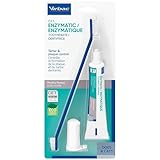
- #1 BRAND CHOSEN BY VETERINARIANS: Proven effective and trusted for over 30 years, C.E.T. is the top recommended dental brand by veterinary professionals to reduce plaque & tartar buildup
- Dual-sided toothbrush designed specifically for canine mouths with soft bristles for comfortable brushing
- Long handle with reverse angle allows for easy use and soft bristles for comfortable brushing while the finger-brush slips over finger for ease of use and better control
- Great tasting poultry-flavored toothpaste is ideal for dogs and cats that quickly build up plaque and tartar
- Complete kit with everything pet owners need to start a program of regular oral hygiene for their dog or cat. Ideal to help acquaint dogs/cats and their owners with the tooth brushing experience
Home support
Once the veterinarian confirms that brushing is safe, daily toothbrushing with dog-formulated toothpaste or a veterinary dental diet can slow new plaque accumulation. Never use human toothpaste, and do not force a painful mouth open. Home care supports, but does not replace, professional treatment of diseased teeth.
Independent reader supportYour contribution helps us test, update, and keep practical guides available for everyone.What pain, mobility, nutrition, and behavior issues should be screened?
Senior dogs often compensate for gradual change. Ask the veterinarian to screen explicitly for arthritis, weakness, gait change, muscle loss, sensory decline, cognitive change, and behavior change rather than waiting for a crisis.
Mobility and pain
Describe slipping, reluctance to jump, slower walks, difficulty rising, nighttime pacing, altered posture, licking a joint, or irritability when touched. The plan might include weight adjustment, controlled exercise, prescription pain relief, rehabilitation, or further imaging. Do not give human pain medicines unless a veterinarian specifically prescribes them; several are dangerous to dogs.
Home modifications
If weakness or arthritis is identified, nonslip flooring, secure ramps, a harness, and appropriately managed stairs can reduce falls. Keep food, water, and a comfortable bed on the same level when possible. Introduce changes gradually so a dog newly adjusting to a home is not overwhelmed.
Nutrition and muscle condition
Body weight alone can miss age-related muscle loss. The veterinarian should score both body condition and muscle condition, review calories and treats, and decide whether a senior, kidney-support, gastrointestinal, or other diet is justified by findings. Change foods gradually unless an urgent medical reason requires a faster transition.
Also popular on Amazon

- SUPERIOR FORMULA FOR DOGS & PUPPIES - Upgrade to a professional-grade pet toothpaste crafted from natural ingredients. Our superior pet dental care formula ensures unparalleled oral hygiene without the harsh chemicals.
- IRRESISTIBLY DELICIOUS BACON & CHICKEN FLAVORS – Dogs and cats go absolutely wild for our real bacon and chicken flavors! They lick the brush clean and beg for more, turning daily tooth brushing into the highlight of their day instead of a battle.
- DOUBLE ENZYMATIC PLAQUE BUSTER - Unlock a brighter smile for your furry friend! Our enzymatic puppy toothpaste for small dog is enriched with the dual power of papaya and pineapple enzymes. Our natural pet teeth cleaning formula eliminates plaque and tartar buildup, ensuring a radiant smile.
- GOODBYE BAD BREATH - Harness the natural power of extra virgin coconut oil in our dog and cat toothpaste. Say goodbye to bad dog and cat breath and reduce the risk of dental issues like plaque and gum disease.
- NATURALLY SOOTHING & MOISTURIZING - Soothe inflamed gums and promote oral health with our dog and cat toothpaste's Virgin Hemp Seed Oil and Calendula Oil. Our toothpaste is an essential component of your pet tooth brushing kit in preventing gum disease and oral discomfort.
Sensory and cognitive changes
Report bumping into objects, failing to respond to familiar sounds, getting lost, staring, altered sleep, house-soiling, new anxiety, or repetitive vocalization. Hearing and vision loss, pain, endocrine disease, urinary disease, and cognitive dysfunction can look similar at home, so diagnosis starts with history and physical findings rather than assuming “old age.”
How often should a 14-year-old dog see the veterinarian?
Use approximately six-month senior wellness visits as the starting schedule. At each visit, compare weight, muscle condition, blood pressure, laboratory values, dental status, mobility, medications, and quality-of-life observations with prior records. A trend is often more informative than a single result.
Schedule sooner when treatment is being adjusted, a chronic condition is unstable, or the dog has a new sign. Contact the clinic promptly for progressive lethargy, appetite or thirst changes, unexplained weight loss, worsening mobility, major behavior change, repeated vomiting or diarrhea, breathing difficulty, collapse, seizures, or a wound that does not heal.
Crashes, No Sound, or Screen Glitches?
Random freezes, missing sound and display glitches usually trace back to one bad driver. Find and replace yours safely.Free scan · under a minuteWindows Errors? Fix Them Before They Spread
Repair common Windows errors and clear accumulated junk for a smoother, more stable PC - no reinstall needed.Free scan · no reinstallHow can you make the first appointment more useful?
- Build a one-page timeline. List adoption date, known illnesses, surgeries, vaccines, parasite products, medications, diet changes, and the date each symptom began.
- Record normal routines. Note daily food and water amounts, urination and stool frequency, sleep, walks, stairs, and interactions for several days if the dog is stable enough.
- Bring objective examples. Videos of walking, rising, coughing, or nighttime behavior can show patterns the dog masks in a clinic.
- Ask for priorities. Have the veterinarian separate urgent treatment, useful baseline information, and optional screening so you can make informed decisions if several issues are found.
- Leave with a written plan. Record medication doses, preventive dates, laboratory recheck timing, dental recommendations, weight goals, and the signs that should trigger an earlier call.
Frequently Asked Questions
Can a shelter intake examination replace the veterinarian visit after adoption?
No. Intake examinations are designed to identify immediate problems and document the animal on arrival. Your veterinarian needs updated information from the dog’s current home and must establish a continuing record, preventive schedule, and response-to-treatment baseline.
What if my newly adopted dog is too frightened for a complete examination?
Tell the clinic before arrival so staff can plan low-stress handling and allow extra time. The veterinarian may divide care into visits, use pre-visit medication when appropriate, or postpone nonurgent procedures until trust and safety improve.
Should I change my senior dog’s food immediately?
Usually not unless the veterinarian identifies an urgent medical reason. Keep the current diet stable long enough to document intake and stool quality, then transition gradually if a different calorie level or therapeutic diet is recommended.
How can I tell whether a new behavior is adjustment stress or illness?
Track when it occurs, what precedes it, appetite and elimination changes, sleep, and physical limitations. A persistent or progressive pattern, especially with pain, thirst, weight loss, or disorientation, warrants a veterinary assessment rather than assuming it is adoption-related.
The Tool Desk
Outbyte PC Repair FREERepair Windows errors before they cause bigger problemsFix Now →Outbyte Driver Updater FREEFix the driver behind crashes, sound loss and screen glitchesFind Drivers →Quick Recap
Product prices and availability are accurate as of the date/time indicated and are subject to change. Any price and availability information displayed on Amazon at the time of purchase will apply.





Leave a Reply