Tell your child plainly that the pet died: its body stopped working, and it will not come back. Then listen, answer questions in simple terms, and let your child grieve at their own pace. There is no single correct reaction or timetable; steady reassurance, familiar routines, and optional ways to remember the pet can help.
How to tell a child their pet has died
Choose a quiet moment and use direct, concrete words such as “died” and “death.” You might say, “Milo died. His body stopped working, so he can’t eat, breathe, or feel pain anymore, and he won’t come home.” Adapt the detail to your child’s age and questions.



As an Amazon Associate I earn from qualifying purchases.
Avoid saying the pet “went to sleep,” “ran away,” or was “put to sleep.” Young children may take those phrases literally and become afraid of sleep or expect the pet to return. Florence Soares-Dabalos, a licensed mental-health professional at UC Davis, explains: “Children are concrete thinkers and interpret what we say literally.” Families can include spiritual beliefs if they wish, while also making the physical fact of death clear. UC Davis School of Veterinary Medicine and the American Academy of Pediatrics offer further guidance.
Windows Errors? Fix Them Before They Spread
Repair common Windows errors and clear accumulated junk for a smoother, more stable PC - no reinstall needed.Free scan · no reinstallOutdated Drivers Are Slowing You Down
One free scan finds every outdated or missing driver and matches the right update for your exact hardware.Free scan · exact hardware matchGive the child time to react and ask questions. Answer honestly, briefly, and without details they have not asked for. It is fine to say, “I’m not sure; I’ll find out,” or “I’m sad too.” Children may ask the same question more than once as they try to understand what death means.
#1 Best Overall
What to say when a pet is seriously ill or may be euthanized
If there is time, explain a serious or terminal illness in a calm, private setting. Tell the child what is happening in language they can understand, invite questions, and offer the chance to say goodbye if they want to. Use the veterinarian’s explanation to describe euthanasia honestly: the veterinarian gives medicine to end the pet’s suffering when it cannot get better. Do not blame the veterinarian or make the child responsible for the decision.
There is no universal rule about whether a child should be present during euthanasia. Consider the child’s maturity and wishes, the family’s circumstances, and the veterinarian’s advice. Explain what the child would see and hear before they decide; they should not feel pressured either to attend or to stay away. The Ohio State University Veterinary Medical Center’s handout discusses children’s needs around serious illness and loss.
How children may show grief
Grief can look different from one child to another, and the same child may respond differently at different times. Sadness, anger, irritability, quietness, play, regression, or changes in sleep and routine can all occur. A child who seems unconcerned may not yet understand that death is permanent; that does not prove the pet did not matter to them.
Free tools Windows power users keep installed
One-click scans. No signup required.
Some school-age children worry that a thought, argument, or wish caused the pet’s death. Reassure them clearly that they did not cause it. Older children may want more detail, withdraw, or show changes at school. Notice what your child is doing without insisting they talk or grieve in a particular way. UC Davis Weill School of Veterinary Medicine describes ways children may understand and express pet loss.
Caregivers do not need to hide their own sadness. A simple, honest response such as “I miss her too” can show a child that grief is a normal response to love and loss. As Soares-Dabalos puts it, “Any time we normalize death as a part of life, the better our children will be able to cope with other losses, not just death.”
Ways to help a child remember the pet
Offer remembrance ideas as choices, not assignments. Follow the child’s lead, and stop or switch activities if one feels upsetting.
- Draw or write about a favorite memory.
- Make a scrapbook or memory box with photos and keepsakes.
- Frame a paw print or create another simple keepsake.
- Plant something or hold a small memorial, if that suits the family.
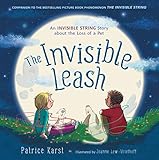
Use materials you already have; a ritual does not need to cost money or be elaborate. A book can also give a child language for questions. The American Academy of Pediatrics lists age-specific reading suggestions, and Children’s Mercy lists When a Pet Dies by Fred Rogers for ages 3 to 6. These are optional conversation aids, not treatment or a requirement. Choose a book that fits the child’s readiness and the family’s language and beliefs. Children’s Mercy’s guidance includes additional suggestions.
Do these 3 things before closing this tab:
1Fix the driver behind crashes, sound loss and screen glitches2Repair Windows errors before they cause bigger problems3Scan for outdated or missing drivers - takes under a minuteKeep reassurance and routine; do not rush a new pet
Keep familiar schedules where possible, including meals, school, bedtime, and ordinary family activities. Routine can help a child feel secure while the family adjusts. Reassure them that they are cared for and can ask questions later, too.
Best Value

- HEARTFELT PET LOSS STORY FOR CHILDREN: "Paw Prints In Heaven" is a beautiful, comforting children's book designed to help young readers cope with the loss of a beloved pet. This touching pet memorial book by Connie Stubbs, illustrated by Shari Sherman, is the perfect way to support children during difficult times and provide a sense of peace after the loss of a furry family member.
- PERSONALIZATION SECTION FOR SPECIAL MEMORIES: This hardcover book includes a personalization page where you can add the unique memories of your pet, making it a treasured keepsake. A thoughtful pet memorial gift that turns your child's memories into a lasting tribute to their pet, providing comfort and love.
- TOUCHING ILLUSTRASTIONS AND CAPTIONS: With 14 beautiful illustrations and moving captions, this book tells the story of a dog's journey to heaven, offering a comforting narrative to help children understand the loss of their pet. The story is designed to help both young and old deal with the grief and healing process.
- GREAT REMEMBRANCE GIFT FOR KIDS: A wonderful gift for any child who has lost a pet, "Paw Prints In Heaven" offers solace and healing through its gentle story. This hardcover pet loss book is the ideal choice for parents or guardians seeking a meaningful way to help kids process their emotions after saying goodbye to a furry companion.
- DURABLE HARD COVER AND 24 PAGES OF COMFORT: The 10x10 hardcover format ensures the book lasts for years, making it a durable and cherished keepsake. With 24 pages, this pet memorial children's book offers a thoughtful and lasting reminder of the love shared between a child and their pet.
Give the family time before deciding whether to bring home another animal. A new pet cannot replace the one who died, and presenting it as a replacement can leave a child feeling that the loss is being dismissed. Discuss another pet when the family is ready and make clear that it would be a different animal and relationship. Children’s National Hospital offers guidance for caregivers supporting children through pet loss.
When to seek professional help
Contact your child’s pediatrician or a qualified child mental-health professional if distress is severe, persists, or interferes with daily life. Signs worth discussing include ongoing sleep problems, anxiety or depression, loss of appetite, lethargy, poor self-care, or substantial disruption to school and routines. You do not need to wait for a particular duration if your child’s distress is intense or you are worried about their safety.
Children’s Mercy advises consulting a primary care physician when intense grief is still disrupting life after more than a month. Treat that as one source’s guide, not a required waiting period. A clinician can help assess what is happening and identify support suited to the child and family. When seeking a therapist, look for appropriate child-focused credentials and clinical experience; the pediatrician can help with a referral.
What’s actually slowing this PC down?
Pick the symptom - the matching free tool is one click away.
Quick Recap
Product prices and availability are accurate as of the date/time indicated and are subject to change. Any price and availability information displayed on Amazon at the time of purchase will apply.




