
What’s actually slowing this PC down?
Pick the symptom - the matching free tool is one click away.
Some links on this page are affiliate links: if you buy through them we may earn a commission, at no extra cost to you.
Take a cat to a veterinarian for any new or worsening nighttime pacing, wandering, repeated waking, or loud vocalization—particularly if the cat is seven or older or has other changes in eating, drinking, urination, weight, mobility, grooming, vision, hearing, or litter-box use. Cats are naturally most active around dusk and dawn, but a departure from an individual cat’s normal pattern can signal pain, hyperthyroidism, urinary or kidney disease, high blood pressure, sensory loss, neurologic disease, anxiety, or feline cognitive dysfunction. Seek emergency care for breathing difficulty, inability to urinate or pass stool, sudden inability to use the back legs, or dehydration.
Why is my cat restless and meowing at night?
Nighttime activity is not automatically abnormal. Cats are crepuscular, meaning many are naturally liveliest around dusk and dawn. The important question is whether the behavior is new, persistent, escalating, or paired with other changes. A senior cat that suddenly paces, wanders, cries, or wakes the household should be medically evaluated rather than assumed to be “just getting old.” The American Animal Hospital Association (AAHA) specifically advises that senior cats with new or unusual behavior be checked for medical conditions.

As an Amazon Associate I earn from qualifying purchases.
Free tools Windows power users keep installed
One-click scans. No signup required.
Arrange a veterinary appointment for any unexplained change, even if your cat still eats and appears comfortable during the day. Contact the clinic sooner when restlessness occurs with weight loss, appetite or thirst changes, altered urination or stool, vomiting or diarrhea, a neglected coat, stiffness, trouble jumping, vision or hearing changes, confusion, or litter-box accidents. The pattern and associated signs help the veterinarian decide how quickly your cat needs to be seen.
What nighttime signs mean my cat needs urgent or emergency care?
Do not wait to monitor overnight when a restlessness episode may reflect a loss of a basic body function. Go to an emergency veterinarian, or call one for immediate triage, if any of the following occurs:
Popular on Amazon
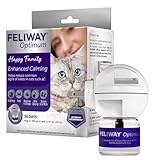
- HELPS REDUCE SIGNS OF STRESS USING A PATENTED PHEROMONE: FELIWAY Optimum is an advanced cat pheromone diffuser that helps reduce signs of stress in cats and helps ease tension between cats.*
- HELPS CATS FEEL CALM IN EVERYDAY SITUATIONS: FELIWAY Optimum is a cat calming diffuser that helps reduce stress‑related behaviors like urine spraying, scratching, hiding, and fearful reactions to change. Cat parents reported noticeable reductions in these behaviors, including a 77% reduction in urine spraying.
- SUPPORTS HARMONY IN MULTI‑CAT HOMES: Helps promote calmer interactions between cats. 72% of cat parents noticed reduced tension between their cats
- SAFE** AND NON-SEDATING: FELIWAY Optimum is not a sedative. It’s safe for use around cats, kittens, people and other pets.
- CONTINUOUS CALMING SUPPORT: This plug‑in cat pheromone diffuser provides 24/7 support when used as directed. To get started, plug into an open outlet with the vents pointed upward, allow at least 4 feet of clearance, and follow the label instructions.
- Breathing difficulty: open-mouth breathing, obvious effort, blue or gray gums, or inability to settle because breathing is hard.
- Inability to urinate: repeated trips to the litter box with straining, crying, or producing no urine, especially in a male cat.
- Inability to pass stool accompanied by distress: repeated straining, a painful abdomen, vomiting, or marked lethargy.
- Sudden inability to use the back legs: dragging, collapse, severe weakness, or an abrupt change in walking.
- Dehydration or severe decline: inability to keep water down, profound weakness, collapse, or very dry or tacky gums.
Sudden severe functional loss should never be written off as normal aging. If you are unsure whether a sign is an emergency, phone a veterinary hospital and describe exactly what you see; do not delay while trying a home remedy.
When should I book a routine veterinary visit?
Book an appointment for any new or unusual nighttime behavior, and tell the clinic whether it began suddenly, occurs every night, or is becoming more frequent. A prompt visit is especially important when the cat is older or when the behavior appears with changes in appetite, thirst, urination, stool, weight, grooming, movement, senses, social behavior, or litter-box habits.
The Tool Desk
Outbyte PC Repair FREERepair Windows errors before they cause bigger problemsFix Now →Outbyte Driver Updater FREEScan for outdated or missing drivers - takes under a minuteDriver Scan →There is no validated rule such as “wait three nights.” The safe observation period depends on the cat’s baseline, age, accompanying signs, and functional ability. A single mild episode in a young cat that immediately returns to normal may be less concerning than a subtle but steadily worsening pattern in a senior cat. When in doubt, schedule the examination and continue documenting what happens while you wait.
Could pain or arthritis be causing nighttime pacing?
Yes. Arthritis, other musculoskeletal pain, and dental disease can make a cat unable to settle. Pain may be easier to notice at night, when the home is quiet and the cat is attempting to change sleeping positions, climb, or reach a litter box. Instead of an obvious limp, you may see repeated rising and lying down, reluctance to jump, stiffness after rest, irritability when touched, reduced grooming, or vocalization.
Make essential resources reachable without stairs or high jumps while arranging care. Do not give human pain medicine: common products can be dangerous or fatal to cats. A veterinarian can examine joints, muscles, the mouth, and teeth and decide whether imaging, dental treatment, or cat-specific pain management is appropriate.
Also popular on Amazon
Could hyperthyroidism explain a cat that is active and vocal at night?
Hyperthyroidism is a common concern in older cats with a new combination of nighttime restlessness and increased body activity. Warning clues include weight loss despite a normal or increased appetite, increased thirst or urination, vomiting or diarrhea, a rough or unkempt coat, and an unusually driven or agitated demeanor. Veterinary sources also describe hyperthyroid cats becoming restless at night, howling, or waking family members.
These signs are not diagnostic by themselves. Kidney disease, diabetes, intestinal disease, pain, and anxiety can produce overlapping changes. A veterinarian generally confirms or rules out thyroid disease with a physical examination and thyroid-hormone testing, interpreted alongside blood chemistry, urine findings, and the cat’s overall condition.
Is nighttime pacing in an older cat a sign of dementia?
Feline cognitive dysfunction can alter the sleep-wake cycle and cause wandering, disorientation, getting stuck in corners, or loud nighttime vocalization. However, the same outward behavior can result from treatable medical problems. Cornell’s feline guidance notes that arthritis, kidney failure, hypertension, hyperthyroidism, and dental disease may mimic cognitive decline; neurologic disease and loss of vision or hearing can also disrupt orientation.
Age raises the likelihood of several of these conditions, but it does not identify which one is present. A cat should not be labeled as having dementia until a veterinarian has looked for pain, organ disease, high blood pressure, sensory impairment, and neurologic abnormalities. If the cat seems unresponsive, circles, repeatedly becomes trapped in a corner, or suddenly cannot navigate familiar areas, describe those details promptly because they may indicate a neurologic or sensory problem.
What other medical and behavioral causes are possible?
Nighttime restlessness is a symptom, not a diagnosis. The pattern below can help you organize observations for the appointment, but only an examination and appropriate tests can distinguish these causes.
Also popular on Amazon

- SPECIFICALLY DESIGNED FOR MULTI-CAT HOMES: FELIWAY MultiCat is a cat calming diffuser that helps reduce tension between cats, including conflict, fighting, chasing, and blocking, supporting a calm home for cats living together
- HELPS CATS GET ALONG BETTER: This cat pheromone diffuser promotes calm interactions and helps ease ongoing tension, supporting more peaceful relationships in multi-cat households
- HELPS REDUCE TENSION BETWEEN CATS: 84% of cat parents noticed improvement in tension and conflict between their cats when using FELIWAY MultiCat
- SAFE* AND NON-SEDATING: FELIWAY MultiCat is not a sedative. It is safe for use around cats, kittens, people and other pets.
- CONTINUOUS CALMING SUPPORT FOR SHARED SPACES: Plug-in cat pheromone diffuser provides 24/7 calming support. To get started, plug into an open outlet with vents pointed upward and allow 4+ ft of clearance, and follow the label instructions.
| Possible explanation | Clues that increase concern | Why timing matters |
|---|---|---|
| Pain, arthritis, or dental disease | Stiffness, reluctance to jump, reduced grooming, touch sensitivity, chewing difficulty | Quiet nighttime hours may expose difficulty settling or moving. |
| Hyperthyroidism | Weight loss with appetite, thirst or urination increases, vomiting, diarrhea, unkempt coat, agitation | Excess metabolic drive can produce nighttime activity and vocalization. |
| Kidney or urinary disease | More drinking or urinating, litter-box changes, straining, nausea, poor appetite, dehydration | Urinary obstruction or severe dehydration requires urgent attention. |
| Hypertension | Sudden vision change, disorientation, weakness, unusual behavior | Acute sensory loss can make a familiar home frightening. |
| Diabetes or other metabolic disease | Thirst and urination changes, weight change, appetite shifts, weakness | Metabolic instability can worsen overnight and should be assessed. |
| Vision or hearing impairment | Startling easily, bumping into objects, difficulty finding food or litter, louder vocalization | Darkness and reduced household cues can make navigation harder. |
| Neurologic disease | Circling, getting stuck, altered responsiveness, seizures, sudden weakness | Sudden functional or awareness changes warrant rapid evaluation. |
| Anxiety or environmental stress | Restlessness linked to a move, new animal, schedule change, conflict, or noises | Stress can coexist with illness, so a new behavior still merits medical review. |
| Feline cognitive dysfunction | Disrupted sleep-wake cycle, disorientation, wandering, nighttime cries in an older cat | Diagnosis requires excluding more readily treatable disease. |
How does a veterinarian investigate nighttime restlessness?
The appointment begins with a detailed history and a physical examination. Your description of when the behavior occurs, what the cat does, and what has changed elsewhere may be as useful as the examination itself.
History and physical examination
Expect questions about age, prior illnesses, medications or supplements, diet, appetite, water intake, urination, stool, weight, grooming, mobility, vision, hearing, household changes, and the exact vocalization or pacing pattern. The veterinarian will assess body condition, mouth and teeth, joints, abdomen, heart, hydration, neurologic function, and sensory responses.
Laboratory and blood-pressure testing
Depending on the findings, the veterinarian may recommend blood chemistry, a complete blood evaluation, thyroid-hormone testing, urinalysis, and blood-pressure measurement. These tests can identify or support diagnoses such as kidney disease, diabetes, hyperthyroidism, urinary problems, dehydration, or hypertension. A heart assessment or additional cardiac testing may be advised when the examination suggests cardiovascular disease.
Neurologic and sensory evaluation
Further neurologic, eye, or hearing assessment may be needed when the cat circles, becomes trapped, fails to respond normally, loses vision, or shows an abrupt change in balance or strength. The work-up is tailored to the signs rather than automatically assuming cognitive dysfunction.
Recommended Free Tools
How often should older cats be examined?
For cats age seven and older, the American Association of Feline Practitioners behavior guidance recommends examinations twice yearly, with age-appropriate diagnostic testing once or twice each year. Regular visits can detect blood-pressure, thyroid, kidney, dental, mobility, and sensory problems before a nighttime crisis develops. A new behavior between scheduled visits still warrants an earlier appointment.
Also popular on Amazon

- Help Your Cat Feel Safe Again: Create a calmer, more comfortable home with advanced calming pheromone technology that helps reduce common signs of stress including hiding, scratching, urine spraying, conflicts between cats, and nervous behavior. Ideal for everyday emotional support
- Continuous 120-Days Comfort: Each refill delivers calming support for up to 30 days when used continuously, package include: 2 diffusers, 4 refills. Designed to cover rooms up to approximately 750 sq ft, making it perfect for bedrooms, living rooms, and multi-cat households
- Supports Positive Everyday Behavior: Whether introducing a new pet, moving into a new home, welcoming visitors, or dealing with loud noises such as fireworks or thunderstorms, the diffuser helps cats feel more secure and adapt to changes more comfortably
- Easy Plug-In, No Daily Effort: Simply plug the diffuser into an open wall outlet and let it work around the clock. No sprays, no pills, no complicated routines—continuous calming support with minimal maintenance
- Trusted Care for Cats of Every Age: Suitable for kittens, adult cats, senior cats, and multi-cat families. Designed to support a peaceful home environment while helping strengthen the bond between cats and their owners
What can I safely do at home while waiting for the appointment?
Home adjustments can reduce hazards and stress, but they do not diagnose or treat the underlying cause.
- Keep the routine predictable. Feed, play, and settle the cat at consistent times. Avoid abruptly changing sleeping areas or meal schedules.
- Improve access. Put food, water, and litter boxes on the same level where the cat spends the night. Use a low-sided box for a cat with painful joints, weakness, or disorientation.
- Add safe lighting. A gentle night-light can help a cat with declining vision find resources and avoid obstacles.
- Reduce jumping demands. Provide ramps or stable steps and nonslip footing near beds, sofas, and litter areas when climbing appears painful or unsafe.
- Limit hazards. Block access to balconies, stairs, cords, toxic plants, and places where a confused cat could become trapped.
- Record the pattern. Note the time, duration, route, vocalization, appetite, water intake, urination, stool, mobility, grooming, and any medication exposure. Short videos from a safe distance can show the veterinarian behavior that does not occur in the clinic.
- Use calming aids only as an adjunct. AAHA notes that pheromones may reduce stress during veterinary visits. A diffuser may be reasonable around the appointment, but it cannot establish a diagnosis and must not postpone care.
Never give human medication, leftover prescriptions, essential oils, or an unverified calming product. Tell the veterinarian about every product the cat may have ingested or received.
How can I tell whether the pattern is normal crepuscular activity?
Compare the current behavior with your cat’s established baseline rather than with another cat. Normal crepuscular activity is usually brief, predictable, and not accompanied by decline in body condition or function. A concerning pattern is new, progressively longer or louder, occurs at unusual times, or leaves the cat unable to rest, navigate, eat, drink, urinate, defecate, or interact normally.
Use four checks when deciding how quickly to call:
- Onset: sudden change is more urgent than a stable lifelong habit.
- Associated signs: changes in weight, appetite, thirst, urine, stool, breathing, mobility, senses, grooming, or litter use increase medical concern.
- Age and history: older cats and cats with chronic disease have a lower threshold for examination.
- Function: breathing, urination, defecation, hydration, standing, and walking determine emergency urgency.
What should I tell the veterinarian?
Bring a concise timeline rather than only saying that the cat “acts strange.” Record the first night, frequency, approximate duration, whether the cat paces in a particular direction, where it vocalizes, and whether it can settle afterward. Include recent weight if available, medication and supplement names, diet changes, household disruptions, and any exposure to toxins.
Also report what you do not see: for example, normal appetite, normal urine volume, or no vomiting. Negative observations help the veterinarian prioritize tests, while a video can reveal gait, breathing effort, vocalization quality, or disorientation more accurately than memory.
Also popular on Amazon

- Valua Pack – This cat pheromone diffuser set includes 3 pack, making it easier to provide a calming environment in multiple rooms or for multiple cats.
- SUITABLE FOR CATS OF ALL AGES – Designed for kittens, adult cats, and seniors, this diffuser helps create a soothing atmosphere. For optimal performance, replace the diffuser head every six months.
- LONG-LASTING SUPPORT – Each refill vial provides continuous use for up to 30 days. The diffuser is odorless, making it a great choice for households sensitive to scents.
- VISIBLE RESULTS IN TWO WEEKS – Many cat owners notice a reduction in common unwanted behaviors such as excessive grooming, meowing, or restlessness within two weeks of use. Individual results may vary.
- EASY TO USE – Simply plug the diffuser into a standard electrical outlet to begin releasing calming pheromones throughout your home. Its compact design makes it suitable for travel or temporary environmental changes.
Frequently Asked Questions
Can stress alone make a cat cry and wander at night?
Stress from a move, a new animal, construction noise, or a changed schedule can disrupt sleep and increase vocalization. Because illness and stress can occur together, a new or persistent pattern should still be discussed with a veterinarian before it is attributed solely to the environment.
Should I keep my cat awake during the day to stop nighttime activity?
Do not force prolonged wakefulness or sharply restrict sleep. Offer short, voluntary play and feeding opportunities during daylight, then let the veterinarian address medical causes that may be driving the disrupted sleep-wake cycle.
How should I transport a restless cat to the clinic?
Use a secure carrier lined with a familiar towel and keep the carrier level and well ventilated. Covering part of it can reduce visual stimulation; call the clinic beforehand if the cat becomes dangerously distressed so staff can advise on arrival procedures.
Can a night-light help an older cat that wanders?
A low-intensity light near food, water, and the litter box can improve orientation when vision is declining. It is an access aid, not a treatment, and should be combined with an examination for eye disease, hypertension, neurologic problems, or cognitive change.





Leave a Reply