
Do these 3 things before closing this tab:
1Fix the driver behind crashes, sound loss and screen glitches2Clear out junk files and repair common Windows errors3Scan for outdated or missing drivers - takes under a minuteSome links on this page are affiliate links: if you buy through them we may earn a commission, at no extra cost to you.
You can lower the cost of dog ownership safely by cutting waste and convenience—not preventive medicine. Compare veterinary fees, use reputable low-cost sterilization programs, groom at home when your skills and your dog’s temperament make that safe, control food portions, and plan for large bills. Do not save money by skipping examinations, core or legally required vaccines, parasite testing and prevention, dental care, identification, balanced nutrition, or prompt treatment of illness and injury. The right mix depends on your dog’s age, health, breed, lifestyle, geography and local rules, so confirm an individualized plan with your veterinarian.
Which dog expenses should I never skip?
Protect expenses that prevent disease, detect problems early or limit suffering. The American Animal Hospital Association–American Veterinary Medical Association (AAHA–AVMA) canine preventive-care guideline says every dog should receive a veterinary examination at least annually, with more frequent visits when age, chronic disease, medication, pregnancy, behavior or other risks warrant it.
As an Amazon Associate I earn from qualifying purchases.
Annual veterinary examinations
A wellness visit is more than a vaccine appointment. The guideline’s examination includes a medical history, physical examination, dental and pain assessment, body- and muscle-condition evaluation, and review of behavior and nutrition. Comparing clinics for the fee is sensible; eliminating the visit is not. The ASPCA’s 2021 cost-cutting guidance warns that treating an advanced illness is more expensive and riskier than protecting against problems during regular examinations.
Vaccines required by law or needed for protection
Core immunizations protect against rabies, canine distemper virus, canine parvovirus and canine adenovirus-2 under existing guidelines. Rabies vaccination and licensing requirements vary by jurisdiction, so follow local law. The ASPCA advises owners never to skip a legally required shot or one needed for the dog’s protection. Non-core vaccines should be chosen with a veterinarian according to boarding, travel, wildlife exposure, regional disease patterns and other lifestyle factors rather than purchased indiscriminately.
Popular on Amazon
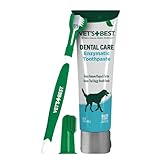
- DOG TOOTH BRUSHING KIT: Keep your dog's teeth and gums healthy with our dog toothbrush and toothpaste kit; our toothpaste is made with aloe, neem oil, grapefruit seed extract, baking soda, and enzymes to keep you dog's mouth fresh
- DOG DENTAL CARE MADE EASY: Our dog tooth paste gently cleans away plaque and tartar, serving as an effective dog breath freshener; rid your dog of bad breath and gift them a healthier mouth with our dog tooth brushing kit.
- TRIPLE HEAD TOOTHBRUSH: Our dog dental cleaning kit features a triple-sided dog tooth brush that cleans all sides of your dog's teeth at once, making tooth brushing faster and more efficient; no more struggling to clean those hard to reach back teeth
- NATURAL FLAVORS: Our toothpaste for dogs has natural flavors that your furry friend will love, making dog tooth brushing a more enjoyable experience even for the pickiest of pups, so you can keep their dog breath fresh without any fuss
- DENTAL KIT FOR DOGS OF ALL SIZES: Regular teeth cleaning supports your pet’s health. Use our dog toothbrush and toothpaste between vet visits to maintain oral hygiene, reduce plaque and tartar buildup, and keep your dog’s mouth fresh and healthy.
Parasite testing and year-round control
The AAHA–AVMA guideline calls for annual heartworm testing, at least annual internal-parasite testing, and year-round broad-spectrum control effective against heartworms, intestinal parasites and fleas. Tick prevention is risk-based: a dog hiking in a tick-endemic area may need a different approach from one living in a low-risk urban setting. Stopping prevention because a dog spends most of its time indoors can still expose it to mosquitoes, fleas brought inside and contaminated environments; ask your veterinarian which products and schedule fit your area.
Dental examinations and daily home care
The American Veterinary Medical Association says a dog’s teeth and gums should be checked by a veterinarian at least once a year. Home brushing can slow plaque accumulation, but it does not replace an examination or treatment of painful disease below the gumline. Ask the veterinarian which canine toothpaste, brush or other dental products are appropriate and how often to use them. Never use human toothpaste containing ingredients that can harm dogs.
The Tool Desk
Outbyte PC Repair FREEClear out junk files and repair common Windows errorsFree Scan →Outbyte Driver Updater FREEFix the driver behind crashes, sound loss and screen glitchesFind Drivers →Complete nutrition, clean water and identification
Feed a nutritionally complete food appropriate to the dog’s life stage and condition, and provide clean water. The ASPCA recommends food formulated under Association of American Feed Control Officials (AAFCO) guidelines. An inexpensive food can become costly if it is fed in excessive portions or fails to meet nutritional needs. Keep a collar with current contact information and a permanent identification method such as a microchip; update the registration whenever your phone number or address changes.
Prompt treatment for illness or injury
Delaying care can turn a manageable problem into an emergency. Seek veterinary advice promptly for breathing difficulty, collapse, repeated vomiting or diarrhea, uncontrolled bleeding, suspected poisoning, severe pain, inability to urinate, heat illness or sudden neurological changes. If cost is a concern, tell the clinic before the visit and ask about an estimate, staged diagnostics, payment arrangements or local assistance. Do not substitute a home remedy or leftover medication for professional triage.
Reproductive care and sterilization decisions
The AAHA–AVMA guideline includes reproductive and genetic counseling and recommends spay/neuter unless a dog is specifically intended for breeding. The best timing is individualized by breed, size, age, health and household plans. A lower price is worthwhile only when the provider offers appropriate examination, anesthesia, monitoring, pain control and discharge instructions.
How can I reduce veterinary and preventive-care costs safely?
Reduce the price of delivering care, not the care itself. Ask for written estimates and compare what each fee includes, then use prevention to avoid expensive complications.
Outdated Drivers Are Slowing You Down
One free scan finds every outdated or missing driver and matches the right update for your exact hardware.Free scan · exact hardware matchPC Slower Than It Used to Be?
A free scan shows the junk files, broken settings and background clutter dragging Windows down - then fixes them in one click.Free scan · Windows 10 & 11Also popular on Amazon

- COMPLETE DOG DENTAL KIT: Includes a 2.5 oz tube of chicken flavor enzymatic dog toothpaste, a long-handled double-ended toothbrush, and a finger brush, giving you a full at-home dog tooth brushing kit in one pack.
- ENZYMATIC BAKING SODA FORMULA: This Arm & Hammer enzymatic toothpaste for dogs uses baking soda for fresh breath and helps with tartar control*. Added calcium is part of the formula for stronger teeth.
- CHICKEN FLAVOR TOOTHPASTE: The chicken flavored dog toothpaste is made to make brushing more appealing. Start with a small amount so your dog can adjust to the flavor, then build a steady brushing habit over time.
- TARTAR CONTROL SUPPORT: Brushing regularly with this dog toothpaste and toothbrush helps with tartar control* and fresh breath. Use the toothpaste with either brush as part of a consistent at-home dental care routine.
- TWO BRUSH SIZES INCLUDED: The long-handled double-ended toothbrush and the finger brush give you two brush sizes to suit all size pets. The finger brush is made for training and for sensitive pets.
Compare preventive-care fees
Call several licensed practices and ask for itemized prices for an examination, vaccines, heartworm testing, fecal testing, microchipping and common parasite preventives. Check whether the quote includes an examination, laboratory interpretation, supplies and follow-up. A very low advertised vaccine price may not include the medical assessment a safe visit requires. Keep records from every provider so tests are not unnecessarily repeated.
Use verified community spay/neuter programs
Many animal shelters offer low- or no-cost sterilization programs, but availability and eligibility are local. Before booking, ask who performs the surgery, whether a veterinarian examines the dog beforehand, what anesthesia and monitoring are used, how pain is managed, what happens if a complication occurs and whether follow-up is included. Confirm that the dog’s vaccinations and identification needs can be addressed safely rather than assuming every low-cost clinic offers the same package.
Do routine grooming at home when it is safe
Regular brushing and nail trimming can reduce professional-grooming visits. Start with short, reward-based sessions and use equipment suited to the coat. Stop and book a professional or veterinary appointment when the coat is severely matted, the dog is fearful or aggressive, nails are overgrown into the pads, skin is inflamed, or a lump, wound or other medical concern appears. Clippers and scissors can cause serious injury when a dog moves suddenly; grooming is not a substitute for treating skin or ear disease.
Control portions and compare food by fed day
Measure meals rather than topping up a bowl. Overfeeding contributes to obesity and related health problems, even when the food itself is nutritionally sound. Compare the cost of a food by how many days the package feeds your dog at the recommended portion, not by the sticker price alone. Recalculate portions after weight changes, sterilization, growth, illness or a change in activity, and ask the veterinarian before switching a puppy, senior or medically managed dog to a cheaper formula.
Quick wins for a faster PC:
Fix the driver behind crashes, sound loss and screen glitchesFind Drivers →Clear out junk files and repair common Windows errorsFree Scan →Scan for outdated or missing drivers - takes under a minuteDriver Scan →Prevent dental and parasite problems early
A toothbrush and veterinarian-approved toothpaste used consistently can cost less than treating advanced dental disease. Likewise, keeping parasite prevention current can avoid infestations, anemia, intestinal disease or heartworm treatment. Use products exactly as labeled for the dog’s species, weight and age; never combine or split doses without veterinary direction, and ask before using a product in a puppy, pregnant dog or dog taking other medication.
Build a plan for large bills
AAHA identifies several ways to prepare: a designated veterinary savings account, a preventive-care plan, a medical credit card and pet insurance. A savings account gives you access to money you have already set aside but requires discipline and time to grow. Credit can spread a bill over payments but may add interest or fees. Insurance can help with eligible accidents and illnesses, but the policy’s exclusions and reimbursement rules determine whether it fits your finances.
Also popular on Amazon
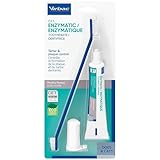
- #1 BRAND CHOSEN BY VETERINARIANS: Proven effective and trusted for over 30 years, C.E.T. is the top recommended dental brand by veterinary professionals to reduce plaque & tartar buildup
- Dual-sided toothbrush designed specifically for canine mouths with soft bristles for comfortable brushing
- Long handle with reverse angle allows for easy use and soft bristles for comfortable brushing while the finger-brush slips over finger for ease of use and better control
- Great tasting poultry-flavored toothpaste is ideal for dogs and cats that quickly build up plaque and tartar
- Complete kit with everything pet owners need to start a program of regular oral hygiene for their dog or cat. Ideal to help acquaint dogs/cats and their owners with the tooth brushing experience
How much should I budget for a dog?
The ASPCA’s 2021 update provides illustrative U.S. planning figures, not current quotes. Actual prices vary with location, dog size, age, health, provider and the coverage selected. The annual figures below are recurring estimates from that 2021 update; the first-year figures combine one-time and annual items as presented by the ASPCA.
| Expense | ASPCA figure | How to interpret it |
|---|---|---|
| Food | $300 per year | 2021 estimate; portion size and diet change the total. |
| Routine medical costs (vaccines and wellness visits) | $225 per year | 2021 estimate; does not represent every dog’s testing or treatment needs. |
| Preventive medication (heartworm, flea and tick) | $185 per year | 2021 estimate; products, weight and regional risk affect cost. |
| Toys | $37 per year | 2021 estimate; replacement frequency varies. |
| Treats | $60 per year | 2021 estimate; treats should fit the dog’s calorie plan. |
| Health insurance | $516 per year | 2021 estimate; premiums and policy terms vary substantially. |
| Total annual cost | $1,391 | ASPCA’s 2021 illustrative total, not a guaranteed budget. |
| Spay/neuter (one time) | $300 | ASPCA 2021 figure; local program eligibility can change the price. |
| Initial medical costs (one time) | $300 | ASPCA 2021 figure; puppies, rescues and sick dogs may need more. |
| Collar, leash and harnesses (one time) | $60 | ASPCA 2021 figure. |
| Microchipping (one time) | $20 | ASPCA 2021 figure; registration may have separate requirements. |
| Crate (one time) | $60 | ASPCA 2021 figure; size and construction affect price. |
| Training assets (one time) | $200 | ASPCA 2021 figure; classes and behavior support vary by need. |
| Grooming tools (one time) | $40 | ASPCA 2021 figure; coat type determines equipment. |
| Professional grooming (annual) | $300 | ASPCA 2021 figure; frequency and coat condition drive cost. |
| Dental (annual estimate) | $500 | ASPCA 2021 figure; veterinary dental needs are individual. |
| First-year total | $3,221 | ASPCA’s 2021 illustrative total, not a present-day quote. |
Is pet insurance better than an emergency savings account?
Neither is universally better. Insurance transfers some eligible, potentially catastrophic costs to an insurer in exchange for premiums and policy conditions; savings gives you flexible cash for any provider but may not cover a large early bill. Compare the actual contract and your ability to maintain reserves rather than choosing from the monthly premium alone.
What’s actually slowing this PC down?
Pick the symptom - the matching free tool is one click away.
| Decision factor | Questions to ask |
|---|---|
| Coverage | Are accidents, illnesses, hereditary conditions, diagnostics, surgery, medication and rehabilitation included? |
| Pre-existing conditions | What conditions are excluded, and how does the insurer define a pre-existing sign or symptom? |
| Deductible and copay | Is the deductible annual or per condition, and what percentage remains your responsibility? |
| Reimbursement | Is payment based on the actual invoice, a benefit schedule or an annual limit, and when are claims paid? |
| Provider choice | Can you use any licensed veterinarian, including an emergency hospital or specialist? |
| Affordability over time | Can you sustain premiums, deductibles and uncovered costs as the dog ages? |
AAHA notes that almost all policies exclude pre-existing conditions and that reimbursement structures differ. Read waiting periods, annual or lifetime limits, exclusions, renewal terms and claim procedures before enrolling. A preventive-care plan offered by a clinic is generally a budgeting arrangement for specified routine services, not the same product as insurance for unexpected illness.
Which choices need to be individualized?
There is no single minimum-cost plan for every dog. Puppies and seniors often need more frequent examinations; chronic disease can require scheduled laboratory monitoring; pregnancy changes medication and nutrition decisions; and a dog’s breed, body size, behavior, travel, housing and local parasite prevalence alter risk.
- Ask the veterinarian to separate core care from lifestyle-based recommendations and explain the reason for each test, vaccine or treatment.
- Request a written preventive schedule with due dates for examinations, vaccines, parasite testing, refills and dental review.
- Keep vaccination certificates, laboratory results, medication doses, microchip registration and emergency contacts together.
- Revisit the plan after a move, new pet, boarding routine, travel, diagnosis, weight change or major behavior change.
Use five tests for any proposed saving: does it reduce medical risk, does it avoid a recurring or catastrophic exposure, can you reverse it if unsuitable, does it fit this dog’s individual risk, and do you have the skill and equipment to perform it safely? If a saving fails the safety test, pay for qualified help.
Independent reader supportYour contribution helps us test, update, and keep practical guides available for everyone.What should I do when money is tight right now?
Call the veterinary practice before postponing care. Explain your budget, ask for the most urgent diagnostic step, request an itemized estimate and discuss staged treatment, generic medications, payment options, local shelters or veterinary-assistance funds. Continue legally required vaccines and essential parasite protection while you work through the bill, unless the veterinarian gives a medically specific alternative.
Free tools Windows power users keep installed
One-click scans. No signup required.
Also popular on Amazon

- SUPERIOR FORMULA FOR DOGS & PUPPIES - Upgrade to a professional-grade pet toothpaste crafted from natural ingredients. Our superior pet dental care formula ensures unparalleled oral hygiene without the harsh chemicals.
- IRRESISTIBLY DELICIOUS BACON & CHICKEN FLAVORS – Dogs and cats go absolutely wild for our real bacon and chicken flavors! They lick the brush clean and beg for more, turning daily tooth brushing into the highlight of their day instead of a battle.
- DOUBLE ENZYMATIC PLAQUE BUSTER - Unlock a brighter smile for your furry friend! Our enzymatic puppy toothpaste for small dog is enriched with the dual power of papaya and pineapple enzymes. Our natural pet teeth cleaning formula eliminates plaque and tartar buildup, ensuring a radiant smile.
- GOODBYE BAD BREATH - Harness the natural power of extra virgin coconut oil in our dog and cat toothpaste. Say goodbye to bad dog and cat breath and reduce the risk of dental issues like plaque and gum disease.
- NATURALLY SOOTHING & MOISTURIZING - Soothe inflamed gums and promote oral health with our dog and cat toothpaste's Virgin Hemp Seed Oil and Calendula Oil. Our toothpaste is an essential component of your pet tooth brushing kit in preventing gum disease and oral discomfort.
Cut discretionary spending first: duplicate toys, oversized treat portions, impulse accessories and unnecessary grooming appointments. Keep the money saved in a veterinary fund so a routine saving decision strengthens—not replaces—your emergency capacity.
What does responsible cost control look like?
Responsible savings preserve prevention and move routine work to lower-cost, safe channels. Compare fees, verify community programs, learn gentle grooming and portion control, and choose food for nutritional adequacy and cost per fed day. Never trade away examinations, core or required vaccines, testing and prevention for parasites, dental evaluation, identification, balanced food or timely treatment. Those are the expenses most likely to protect both your dog’s welfare and your future budget.
Frequently Asked Questions
How do I check whether a low-cost spay or neuter clinic is reputable?
Ask whether a licensed veterinarian performs the surgery, what pre-anesthetic examination and monitoring are provided, which pain medicines go home, and how complications and follow-up are handled. Confirm the total price in writing, including required tests, and verify that the program is authorized to operate where you live.
Is a veterinary wellness plan the same as pet insurance?
No. A wellness plan usually bundles or discounts named routine services through a clinic, while insurance addresses eligible unexpected accidents or illnesses under a contract. Read both documents for exclusions, limits, renewal terms and what you must pay at the visit.
Does an indoor dog still need heartworm and flea protection?
Indoor living lowers some exposures but does not eliminate mosquitoes, fleas carried indoors or contact with contaminated environments. The appropriate product and schedule depend on regional disease risk, the dog’s health and lifestyle, so confirm them with your veterinarian.
What can I do if my dog needs urgent care and I cannot pay the full bill?
Call the clinic or emergency hospital immediately and describe the symptoms and your budget. Ask for triage, an itemized estimate, staged diagnostics, payment options and referrals to legitimate local assistance; delaying severe symptoms can make treatment more expensive and less successful.





Leave a Reply