What’s actually slowing this PC down?
Pick the symptom - the matching free tool is one click away.
Most healthy adult cats sleep or rest for roughly 12 to 16 hours a day, and some may spend closer to 18 hours resting. That can be normal. Cats usually sleep in several naps rather than one long nighttime period, so a cat may appear to sleep all day while becoming active around dawn, dusk, or when the household settles down.
The most important question is not simply how many hours your cat sleeps. It is whether the pattern has changed and whether your cat still responds normally to food, treats, play, familiar sounds, and other favorite stimuli. A cat that has always slept a great deal may be healthy; a cat that suddenly sleeps more, is difficult to engage, or shows other changes may be lethargic or ill.
As an Amazon Associate I earn from qualifying purchases.
The 8 most common reasons cats sleep so much
1. Cats conserve energy for short bursts of activity
Cats are built for brief, intense activity rather than sustained endurance. Their wild ancestors—and domestic cats that retain the same physiology—would spend energy in short bursts while hunting, chasing, climbing, and exploring, then rest between activities.
Even when a house cat receives meals without hunting, its body still follows this basic pattern. A long nap after play, a period of exploration, or an active evening is often simply recovery and energy conservation, not a sign that anything is wrong.
#1 Best Overall

- LUXURY COMFORT: The donut dog bed design with raised edges dog pillows provides head and neck support, while the round dog beds for small dogs provide ample security for your pet. The dog cat couch can give your small dog its own space and provide a more comfortable and stable sleep with an anti anxiety dog bed
- SIZE: This dog bed medium size dog soothing bed measures approximately 20 x 20 x 8, making it perfect for a 10 pound cat or snuggle puppy on a furry small dog bed
- WASHABLE DOG BED: The puppy bed is non removable and is recommended for hand washing to facilitate the care of the calming dog bed. If the machine is washed, throw the entire dog donut bed into the washing machine, choose a gentle cycle, and dry it at low temperature after washing
- HIGH QUALITY MATERIALS: The pet soothing plush dog bed is made of durable and soft plush fabric, reminiscent of a pet mother's embrace. The small dog bed donut interior is filled with ultra soft and environmentally friendly PP cotton, which is very suitable for cold winters
- WATERPROOF & ANTI-SLIP: This kitty beds for indoor cats have a waterproof and anti-slip bottom to ensure durability and stability, ensuring the safety of pets
2. Cats are generally crepuscular, not strictly nocturnal
Cats are often described as nocturnal, but they are more accurately crepuscular: they tend to be most alert around dawn and dusk, when small prey would historically be active. An indoor cat may therefore nap through much of the day, become energetic in the evening, and wake again in the early morning.
Individual cats can also adjust their schedule around household activity. A cat that sleeps while the home is quiet may become lively when you return from work or go to bed. This does not necessarily mean the cat is sleeping excessively; it may simply be resting between its preferred activity periods. VCA explains more about cats’ daily rhythms.
3. Kittens sleep to support growth and development
Kittens generally sleep more than adult cats because their bodies and nervous systems are developing rapidly. Newborn kittens sleep most of the time, and young kittens may sleep up to approximately 20 hours a day.
Sleep supports growth, physical recovery, immune function, and brain development. A kitten that alternates between deep sleep and vigorous periods of nursing, eating, playing, and exploring is usually behaving normally. Very young kittens should still be monitored closely: poor feeding, weakness, unusual quietness, difficulty breathing, or failure to wake and respond normally warrants prompt veterinary advice.
4. Senior cats often need more rest
Older cats commonly become less active and playful and may spend more time sleeping. Aging can bring a normal reduction in activity, but a noticeable increase in sleep should not automatically be dismissed as “just old age.” Senior cats are also more likely to develop health problems, including arthritis, dental disease, kidney disease, hyperthyroidism, hypertension, and cognitive dysfunction.
Rank #2

- Design Features: Love's cabin dog beds feature nest-like walls, round pet bed offers a safe, warm cozy place for small dog to snooze.In order to better maintain the shape of the donut nest,our interior filling is 25% more than most competition.
- Donut Cuddler Shape: The round dog bed allows pets to curl up while the raised rim creates a sense of security and provides head and neck support. Premium ultra-soft filling offers joint and muscle pain relief, is a great choice for elderly or sick dog pets. The 20 inch round pet bed is perfect for cat or puppy and other pets up to 11 lbs.
- High Quality Fabric: Our product is OEKO-TEX STANDARD 100 certified, ensuring a healthy living environment for dogs and cats! Made of premium quality cut pile fabric, stuffed with soft durable superior suede fabric, offers maximum comfort and warmth for your furry friends.
- Machine Washable: Easy wash and care, wash the entire bed on the gentle cycle with cold water and tumble dry in low heat.
- Non-slip Bottom: It features slip-resistant oxford bottom helps keep the bed in place on smooth surfaces, your pet can play and rest securely in the calming dog bed.
Watch for changes in weight, appetite, thirst, urination, grooming, mobility, vocalization, or litter-box habits. Joint pain can be subtle and may appear mainly as lethargy, increased napping, reluctance to jump, or a preference for warm, comfortable locations. Cornell’s guidance on senior cats explains why changes in an older cat deserve attention.
5. Indoor life may provide fewer reasons to stay active
An indoor cat with limited play, exploration, novelty, climbing, or feeding challenges may sleep more simply because there is less to do. This does not mean every sleepy indoor cat is bored or unhealthy, but an unstimulating environment can reduce activity and leave a cat with few reasons to stay awake.
Do these 3 things before closing this tab:
1Scan for outdated or missing drivers - takes under a minute2Clear out junk files and repair common Windows errors3Fix the driver behind crashes, sound loss and screen glitchesOffer short, regular play sessions rather than expecting one long workout. Rotate toys, provide scratching surfaces, create safe vertical space, and use appropriate food puzzles or hiding opportunities. Follow your cat’s ability and preferences: a kitten may enjoy chasing and climbing, while an older or overweight cat may need gentler, low-impact activities.
6. Warmth and comfort encourage napping
Cats often choose warm, soft, elevated, enclosed, or secure places for sleep. Temperature, weather, and the comfort of a particular bed can all influence where—and possibly how much—a cat rests. Older cats or cats with reduced muscle tone may be especially attracted to warm, supportive bedding.
Give your cat a clean, dry resting place away from drafts and household hazards. In a home with several cats, provide more than one resting option so cats can choose whether to sleep together or separately. A comfortable bed may support rest, but it cannot diagnose or treat pain or disease.
Rank #3

- Extra Soft: Indulge your pet in luxurious comfort with the plush sherpa surface, providing fluffy and ultra-cozy softness. It creates a cozy resting environment for your beloved companion to unwind and experience ultimate relaxation.
- Enhanced Comfort: The round bolster design promotes ultimate comfort and security, offering your pet a variety of cozy positions to snuggle. The cushioned bolster shape is deeply filled to support your pet’s head and neck for a more restful sleep.
- Premium Filling: Featuring an ultra-soft polyester fiber filling, this dog bed offers joint and muscle relief. And it can retain its shape and loft even after extended use, ensuring a consistently comfortable experience for your furry friend.
- Pet-Safe: This standard 100 by OEKO-TEX certified cat & dog bed creates a safe and comfortable space for your pet to relax and rejuvenate. The non-skid bottom adds stability, preventing slips and protecting your pet.
- Easy Care: With its removable pillow cushion, this dog bed is easy to maintain. Simply machine wash it entirely in cold water and on a gentle cycle for a like-new restoration.
7. Cats take many light naps while remaining partly alert
What looks like sleep may sometimes be light rest. Cats can doze while remaining responsive to sounds, movement, or an approaching person. They also experience deeper sleep, during which whiskers, ears, paws, or the tail may twitch. These movements are generally consistent with REM sleep.
Crashes, No Sound, or Screen Glitches?
Random freezes, missing sound and display glitches usually trace back to one bad driver. Find and replace yours safely.Free scan · under a minutePC Slower Than It Used to Be?
A free scan shows the junk files, broken settings and background clutter dragging Windows down - then fixes them in one click.Free scan · Windows 10 & 11It is reasonable to say that cats show sleep stages associated with dreaming, but the content of any dream—and whether it resembles human dream experience—cannot be established from twitching alone. Avoid interpreting every paw movement as proof that a cat is hunting, running, or having a particular dream.
8. Extra sleep can signal pain, illness, or stress
Increased sleep is a nonspecific sign. It can accompany pain, systemic illness, neurologic disease, stress, or reduced mobility. The concern is greatest when the change is sudden, persistent, or paired with reduced responsiveness or other symptoms.
Possible warning signs include:
- Not responding normally to food, treats, play, or familiar sounds
- Reduced appetite, weight loss, or refusing food
- Hiding, withdrawal, confusion, or a marked personality change
- Vomiting or diarrhea
- Breathing difficulty
- Weakness, collapse, an abnormal gait, or major difficulty jumping or walking
- Obvious pain, sensitivity to touch, or reluctance to move
- Decreased grooming or a suddenly unkempt coat
- Increased thirst or urination
- New vocalization, disorientation, or litter-box changes
VCA’s veterinary guidance on excessive sleeping recommends assessing the change against the cat’s normal routine rather than relying on a fixed number of hours.
Normal sleep versus lethargy: how to tell the difference
A sleeping cat usually wakes, reacts, and returns to normal behavior when appropriately stimulated. It may come for food, show interest in a favorite toy, groom itself, interact with people, use the litter box, and move normally during its awake periods.
Rank #4

- Private & Cozy: The enclosed bottom area provides a hidden space for cats, small dogs, and rabbits to sleep in, while the upper platform can be used as an all-purpose nap pad to look out the window, lounge, and unwind. Great for multi-cat households.
- Spacious Comfort: The cat hideout's bottom compartment measures 16.5 x 16.5 x 13", ensuring a spacious yet cozy den for cats of all ages. The top platform is larger than most brands, providing plenty of room for your cat to stretch out and get cozy.
- Pet Safe Design: Cat hideaway made from pet-friendly MDF materials with CARB Certification and soft lambswool fabric. This large cat house is equipped with a durable sisal scratching board and plush hanging ball to keep your cat engaged and happy.
- Sturdy & Stylish: Constructed with sturdy and lightweight MDF boards for added durability. The classic style works anywhere in the home, from the living room to your bedroom, an office, the garage, or wherever your pet needs a cozy cat cave. Surroundings of the cat houses & condos and the top cushion is made of lightweight and sturdy MDF boards. Cats under 20 Lbs can jump and play freely.
- Easy Care & Assembly: This cat cube for indoor cats can be quickly assembled or folded flat for easy storage and travel. Portable and lightweight. The removable cushions feature reversible, machine-washable covers that provide all-season comfort.
Lethargy is different from ordinary sleep. A lethargic cat has unusually little spontaneous activity and remains depressed or poorly interactive even when stimulated. Merck Veterinary Manual describes lethargy as quiet sleeping or lying down without normal interaction when there are no obvious stimuli. Merck’s description of the neurologic examination includes this distinction.
| More consistent with normal sleep | More concerning for lethargy or illness |
|---|---|
| The pattern is longstanding or predictable. | The increase is sudden or continues beyond the cat’s usual pattern. |
| The cat wakes for food, treats, play, or familiar sounds. | The cat is difficult to engage or responds less than usual. |
| Eating, drinking, grooming, movement, and litter-box habits are normal. | Appetite, weight, grooming, mobility, thirst, urination, or litter-box habits have changed. |
| The cat has normal active periods between naps. | The cat is weak, withdrawn, painful, confused, or inactive while awake. |
When should you call a veterinarian?
Contact a veterinarian promptly if your cat’s sleep increases noticeably and the change is accompanied by not eating, weakness, collapse, breathing difficulty, repeated vomiting or diarrhea, obvious pain, confusion, or major mobility changes. A cat that is difficult to wake or does not respond normally should not be diagnosed by counting sleep hours at home.
For less dramatic changes, make a note of when the new pattern began and track appetite, drinking, grooming, activity, mobility, vomiting, stool, urination, and interaction. A short video of unusual walking, breathing, or behavior can also help a veterinarian. Older cats deserve particular attention because pain and disease can develop subtly.
Independent reader supportYour contribution helps us test, update, and keep practical guides available for everyone.How to make a cat’s sleep environment more comfortable
Environmental improvements are useful when your cat is otherwise behaving normally, and they can make rest safer and more comfortable. They are not substitutes for a veterinary assessment when sleep behavior changes suddenly.
- Provide a clean, dry bed: Place it in a quiet area where your cat can rest undisturbed. A soft cat bed may be useful for a cat that seeks warmth and cushioning.
- Consider accessibility for older cats: A low-entry or supportive bed can make resting easier for a senior cat or one that has difficulty climbing. An orthopedic cat bed for senior cats may improve comfort, but it does not treat arthritis or another medical condition.
- Add appropriate enrichment: Use an interactive cat toy for brief play sessions or a cat puzzle feeder for a suitable feeding challenge. Introduce puzzles gradually and ensure your cat can access enough food.
- Create choice and vertical space: A secure cat tree with perch or window perch can provide a resting and observation point. Make sure elevated equipment is stable and appropriate for the cat’s age and mobility.
- Support normal scratching: A sturdy scratching post can encourage stretching and normal behavior, although it is an enrichment item rather than a treatment for sleepiness.
- Reduce competition in multi-cat homes: Distribute beds, perches, hiding places, food, water, scratching areas, and litter boxes so cats can rest without being cornered or repeatedly disturbed.
Keep blankets, beds, cords, heaters, and elevated perches safe. Avoid overheating a sleeping area and do not force an older or painful cat to climb to reach food, water, or a litter box. General ASPCA cat-care guidance covers ordinary supplies and environmental care.
Best Value
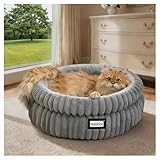
- Secure & Cozy: The cat bed features a higher supportive edge that offers excellent support for your pet's neck and head. It caters to pets who love to curl up, ensure your pet feels safe and snug.
- Non-shedding comfy fabric: This dog bed is made from non-shedding milk plush, helping to maintain a cleaner home, you won't have to worry about loose fibers creating extra mess. Your pet will feel incredibly warm and soft
- Anti-Slip Bottom: The round cat bed features a nonskid bottom, providing stability and preventing it from sliding. Whether it's on the tile floors or hardwood, this feature ensures your pet's safety and comfort.
- Easy Care: With the removable cushion, this kitten bed is easy to maintain. Simply machine wash it entirely in cold water and on a gentle cycle for a like-new restoration.
- Tips: Due to the compressed packaging, the cat bed may appear deformed upon unpacking. Please allow 48 hours for the bed to fully expand and return to its original shape.
A simple checklist for a sleepy cat
- Compare today’s behavior with your cat’s usual routine, not with a universal “normal” number.
- Gently test normal responsiveness with food, a familiar sound, or a favorite toy.
- Check whether eating, drinking, grooming, movement, social interaction, and litter-box use are unchanged.
- Look for pain, breathing problems, vomiting, diarrhea, weakness, confusion, hiding, or weight change.
- Improve comfort and enrichment only when the cat otherwise seems well.
- Call a veterinarian promptly for a marked change, poor responsiveness, or any serious accompanying symptom.
Frequently Asked Questions
Do cats really sleep 16 hours a day?
Many adult cats sleep or rest around 12 to 16 hours daily, while some rest closer to 18 hours. Kittens may sleep up to approximately 20 hours. These are useful ranges, not rules: your cat’s normal baseline and behavior while awake matter more than an exact number.
How can I tell whether my cat is sleeping or lethargic?
A normally sleeping cat usually wakes and responds to food, treats, play, or familiar sounds, then resumes ordinary eating, grooming, movement, and interaction. A lethargic cat has unusually little spontaneous activity and remains poorly responsive or depressed when stimulated.
Should I worry if my older cat sleeps more?
Older cats often rest more, but a new increase should not automatically be attributed to age. Arrange veterinary advice if it comes with appetite or weight changes, reduced grooming, mobility problems, increased thirst or urination, confusion, vocalization, or other behavior changes.
The Tool Desk
Outbyte Driver Updater FREEFix the driver behind crashes, sound loss and screen glitchesFind Drivers →Outbyte PC Repair FREERepair Windows errors before they cause bigger problemsFix Now →The Bottom Line
Sleeping a lot is usually normal for a cat when the pattern is familiar and the cat remains responsive, active at times, and otherwise healthy. A sudden or persistent change—especially with poor appetite, weakness, pain, breathing difficulty, vomiting, confusion, or mobility problems—is a reason to contact a veterinarian rather than assuming your cat simply needs more sleep.
Quick Recap
Product prices and availability are accurate as of the date/time indicated and are subject to change. Any price and availability information displayed on Amazon at the time of purchase will apply.




