Hamsters sometimes eat their babies because maternal cannibalism can be a response to limited energy, an unusually large or unhealthy litter, cold or insecure conditions, or severe disturbance. It is a documented behavior—especially in Syrian or golden hamsters—but it does not automatically mean the mother is cruel, permanently aggressive, or incapable of caring for the pups that remain.
For a pet hamster that has just given birth, the safest response is usually to keep the enclosure quiet, provide reliable food and water without dismantling the nest, maintain a stable temperature, and avoid handling the mother or pups. Contact an exotic-animal veterinarian promptly if the mother is ill, pups are cold or injured, or she repeatedly attacks apparently healthy pups.
As an Amazon Associate I earn from qualifying purchases.
Why a mother hamster may eat some of her pups
Pregnancy and nursing require a great deal of energy. A mother must produce milk, keep herself warm, defend a nest, and care for several rapidly growing pups. If the litter is larger than she can support, reducing the number of pups may leave more milk and energy available for the survivors.
Do these 3 things before closing this tab:
1Repair Windows errors before they cause bigger problems2Fix the driver behind crashes, sound loss and screen glitches3Clear out junk files and repair common Windows errorsResearch on Syrian hamsters has linked pup cannibalism with the mother’s energy reserves and the conditions after birth. Lighter or leaner mothers, and mothers exposed to food restriction, were more likely to consume pups. Larger initial litters were also associated in one study with more cannibalism, smaller final litters, and greater body mass among the pups that survived. This is a possible biological explanation, not a diagnosis of what happened in any particular home.
#1 Best Overall

- ODOR CONTROL for long-lasting freshness, Kaytee Clean & Cozy can be used with any type of habitat for a fresh animal home
- CRAFTED WITH YOUR PET IN MIND, Kaytee Clean & Cozy is fragrance-free, 99% dust-free, soft on paws, and gentle on noses
- ABSORBS UP TO 6X TIMES its weight in liquid to maintain a fresh, dry habitat and more absorbent than other types of bedding
- SUPER SOFT PAPER, this premium animal bedding is free of any harmful chemicals or by-products
- THE IDEAL SOLUTION FOR SMALL ANIMALS, including rabbits, guinea pigs, mice, rats, hamsters, gerbils, chinchillas and more
One laboratory study reported that more than 75% of Syrian hamster mothers consumed at least part of a pup during the first few days after birth. That figure comes from a specific research setting and species; it is not a prediction for every pet hamster, every litter, or every dwarf hamster.
Common contributing factors
- Insufficient energy or food: pregnancy and lactation can expose inadequate diets or low body reserves. A seed-only diet, too little food, or restricted access to food and water can worsen the problem.
- A very large litter: the mother may be unable to nurse and protect every pup successfully.
- A weak, sick, deformed, or dead pup: a mother may abandon or consume a pup that is unlikely to survive. A dead pup may also be eaten after death, so an owner usually cannot tell whether the mother killed it or removed the carcass.
- Cold conditions: cold pups use energy rapidly and may fail to thrive. The MSD Veterinary Manual identifies temperatures below approximately 10°C (50°F) as a risk factor, while its general environmental guidance gives about 17–26°C (64–79°F) as an appropriate range for pet hamsters.
- An insecure or poorly supplied nest: inadequate nesting material can leave the mother and pups exposed, making it harder to maintain warmth and security.
- Disturbance and stress: handling pups, repeatedly inspecting them, cleaning or rearranging the nest, loud noise, sudden movements, or chasing the mother can disrupt maternal behavior.
- Overcrowding or another adult hamster: hamsters are generally housed alone outside breeding. A male left with the mother can cause stress, fighting, and further mating.
Does touching a hamster baby make the mother eat it?
The familiar claim that a mother will automatically reject or eat a pup because a person touched it and changed its smell is too simple. Scent alone has not been established as a universal explanation for this behavior.
However, the practical advice remains important: do not handle newborn pups unnecessarily. Handling often involves opening the nest, moving bedding, making noise, and frightening the mother. A stressed mother may move pups into her cheek pouches or behave unpredictably; prolonged disturbance can contribute to injury, abandonment, or death. Avoiding interference protects the litter without assuming that human scent is the sole mechanism.
Outdated Drivers Are Slowing You Down
One free scan finds every outdated or missing driver and matches the right update for your exact hardware.Free scan · exact hardware matchPC Slower Than It Used to Be?
A free scan shows the junk files, broken settings and background clutter dragging Windows down - then fixes them in one click.Free scan · Windows 10 & 11There are exceptions for genuine emergencies—for example, a pup is trapped, injured, outside the enclosure, or at immediate risk. If intervention is necessary, minimize handling and ask an exotic-animal veterinarian or experienced small-animal rescue for guidance.
What to do if your hamster has given birth
The first week is the period when restraint matters most. Merck veterinary guidance advises not disturbing a new mother or her pups for approximately one week, apart from essential care. You do not need to count the litter repeatedly or verify that every pup is present.
Rank #2

- ODOR ABSORBENT TO MINIMIZE PET ODORS: Effectively neutralizes odors to keep bunny bedding & hamster bedding fresh; Ideal for pet bedding, ferret cages, and litter boxes, it helps maintain a clean environment for your pets and a better experience for you
- EASY CLEANUP: Oxbow bedding absorbs moisture effectively, making cleanup quick and effortless; Perfect for a rabbit litter box and small animal habitats, it keeps your pet’s space clean while providing a soft, comfortable bedding option
- CLEANER, LOW-DUST FORMULA: Processed to remove 99.9% of dust, this bedding helps keep rabbit litter boxes, guinea pig cages, and small animal habitats cleaner; It supports better air quality and reduces mess for a healthier, tidier environment
- PURE PAPER FOR SAFETY & COMFORT: Made from never-printed paper, Oxbow bedding is ultra-soft, hygienic, and doesn't include any inks or dyes; Perfect for rabbit litter boxes and guinea pig cages, it provides a cozy and safe habitat for your small pets
- PREMIUM OXBOW QUALITY: Made with the finest natural ingredients, Oxbow bedding is perfect for rabbits, and other small pets; Designed for comfort and cleanliness, it’s ideal for rabbit litter boxes, guinea pig cages, and premium small animal bedding
- Keep the enclosure quiet and stable. Put the cage in a calm area away from children, dogs, cats, television speakers, and heavy traffic. Do not move the cage, change the layout, or clean the nest unless there is a serious welfare reason.
- Keep food and water continuously available. Offer the mother her normal complete hamster diet and check that the water bottle or bowl is actually working. Avoid abrupt food changes and do not substitute treats, fruit, or seeds for a nutritionally complete primary diet.
- Supply safe nesting material. Plain white facial tissues or unprinted paper towels torn into strips are recommended by veterinary guidance. If you are preparing a nest, choose hamster nesting material made from plain, unscented paper rather than cotton-like fluff.
- Avoid dangerous fibers. Do not use string, thread, scented paper, or long, string-like “fluff.” Cotton-style nesting products can entangle limbs, cause strangulation, become impacted in cheek pouches, or be swallowed and contribute to an intestinal obstruction. Safe paper nesting is supportive husbandry, not a guarantee that cannibalism will not occur.
- Maintain a stable, appropriate temperature. Protect the enclosure from drafts, cold rooms, direct sunlight, overheating, and sudden temperature changes. Do not place a heat lamp, heating pad, or other device against the cage without veterinary guidance; overheating and burns are additional risks.
- Remove an adult male if he is still present—but do it safely. A male should normally be separated after mating or birth. If removing him requires chasing the mother, tearing apart the nest, or putting either hamster at risk, contact a veterinarian or experienced rescue for a low-disturbance plan.
- Leave the nest alone. The mother may hide pups, move them, or cover them with bedding. A changing visible count does not necessarily mean that pups have disappeared.
Food, bedding, and water: what actually helps
The goal is to remove preventable stressors—not to “treat” maternal cannibalism with a special supplement. A complete pelleted hamster food can be used as the main diet when it is appropriate for the species and supplied according to veterinary or manufacturer guidance. Do not start supplements, hand-feeding formulas, antibiotics, or high-calorie products without professional advice.
Clean, low-dust paper-based hamster bedding can help provide a stable, burrowable environment, while additional plain paper strips give the mother material for a protected nest. Bedding cannot compensate for a cold room, poor nutrition, illness, overcrowding, or repeated interference.
Check essential equipment from outside the nest where possible. A functioning hamster water bottle and secure nest box may help maintain reliable access to water and a protected resting place, but accessories should never become a reason to repeatedly dismantle the mother’s nest.
When missing pups require veterinary attention
A missing pup does not by itself prove that the mother killed it. A pup may have died because it was weak, chilled, unable to nurse, congenitally abnormal, or ill and then been consumed. Focus on the mother’s current condition and the surviving pups rather than repeatedly disturbing the nest to reconstruct what happened.
Seek prompt advice from an exotic-animal veterinarian if:
Rank #3

- ODOR CONTROL for long-lasting freshness. Kaytee Clean & Cozy can be used with any type of habitat for a fresh animal home.
- CRAFTED WITH YOUR PET IN MIND, Kaytee Clean & Cozy is fragrance-free, 99% dust-free, soft on paws, and gentle on noses.
- ABSORBS UP TO 6X TIMES its weight in liquid to maintain a fresh, dry habitat and more absorbent than other types of bedding.
- SUPER SOFT PAPER, this premium animal bedding is free of any harmful chemicals or by-products.
- THE IDEAL SOLUTION FOR SMALL ANIMALS, including rabbits, guinea pigs, mice, rats, hamsters, gerbils, chinchillas and more.
- the mother is lethargic, weak, bleeding, struggling to breathe, not eating, or not drinking;
- her mammary glands are markedly swollen, hot, painful, discolored, or producing abnormal discharge;
- she appears unable to care for herself or the litter;
- pups are cold, injured, scattered away from the nest, persistently crying, visibly thin, or repeatedly failing to nurse;
- the mother repeatedly attacks apparently healthy pups;
- an adult male or another hamster has fought with the mother or pups; or
- you suspect the cage temperature, water supply, or nesting material has failed.
Do not hand-rear newborns or force-feed them based only on online advice. Very young pups are difficult to feed safely, and inappropriate formula or technique can cause aspiration, chilling, or death. Keep the environment stable while arranging professional help.
Free tools Windows power users keep installed
One-click scans. No signup required.
How long do hamster pups need their mother?
Pups generally begin nibbling solid food at around 7–10 days, but they are not fully weaned until approximately 21–28 days. Timing varies with species and individual development. Do not separate pups simply because they have started eating solids.
Once pups are old enough to be separated, species, sex, temperament, and local veterinary guidance matter. Syrian hamsters are generally solitary and should not remain housed together indefinitely. Dwarf species can have different social and husbandry needs, but shared housing is not automatically safe. Plan separation and future housing before the litter reaches weaning age.
Merck recommends a veterinary check for the mother during pregnancy and a check for pups at about one month of age. An exotic-animal veterinarian can also advise on species-specific weaning, sexing, separation, and nutrition.
Does eating a pup mean the mother is aggressive or unhealthy?
Not necessarily. Maternal cannibalism has been documented as part of hamster reproductive behavior, and it can occur under a range of conditions. It does not automatically mean the mother is generally aggressive, that she will attack all remaining pups, or that she can never be bred or cared for safely again.
Recommended Free Tools
Rank #4

- ODOR ABSORBENT TO MINIMIZE PET ODORS: Effectively neutralizes odors to keep bunny bedding & hamster bedding fresh; Ideal for pet bedding, ferret cages, and litter boxes, it helps maintain a clean environment for your pets and a better experience for you
- EASY CLEANUP: Oxbow bedding absorbs moisture effectively, making cleanup simple without hassle; Perfect for a rabbit litter box and small animal habitats, it keeps your pet’s space clean while providing a soft, comfortable bedding option
- 99.9% DUST REDUCED: Processed to eliminate nearly all dust, our bedding helps keep your rabbit litter box, guinea pig cages, and small animal habitats cleaner; Ideal for rabbits, guinea pigs, and hamsters, it supports air quality and minimizes mess
- PURE PAPER FOR SAFETY & COMFORT: Crafted from unprinted, high-quality paper, this bedding delivers a soft, absorbent, and hygienic surface for your small pet; Made without inks or dyes, it creates a cozy environment for rest, play, and burrowing
- PREMIUM OXBOW QUALITY: Made with the finest natural ingredients, Oxbow bedding is perfect for rabbits, and other small pets; Designed for comfort and cleanliness, it’s ideal for rabbit litter boxes, guinea pig cages, and premium small animal bedding
At the same time, it should not be dismissed. In a household, cold temperatures, inadequate food, poor nesting, crowding, and human disturbance are preventable contributors. Correct those conditions and monitor the mother and litter from outside the nest. If the behavior is repeated or accompanied by signs of illness, veterinary assessment is more useful than trying to assign blame.
Independent reader supportYour contribution helps us test, update, and keep practical guides available for everyone.Limits of what the evidence can tell you
The strongest research described here concerns Syrian or golden hamsters (Mesocricetus auratus), often under laboratory conditions. Dwarf hamsters and other species may differ in litter size, gestation, maternal behavior, and housing requirements. Research percentages therefore should not be used to predict what an individual pet will do.
Nor can an owner reliably distinguish active killing from consumption of a pup that had already died. The safest interpretation is practical: provide adequate food, water, warmth, nesting, space, and quiet; avoid unnecessary handling; and obtain veterinary help when the mother or pups show signs of trouble.
Choosing nesting material
Look for plain, unscented, unprinted paper that tears into short strips and does not contain long fibers, threads, loops, or perfume. Avoid cotton wool, “fluffy” fiber bedding, string, yarn, and materials that can wrap around a limb or be swallowed. Never treat a nesting product as a prevention guarantee; it is one part of a secure environment.
What’s actually slowing this PC down?
Pick the symptom - the matching free tool is one click away.
Choosing food for a nursing hamster
Use a species-appropriate complete hamster food as the nutritional foundation, with clean water always available. A treat-heavy or seed-only diet may not provide dependable nutrition during lactation. Do not make a sudden diet change immediately after birth; if the current diet is inadequate, transition and supplementation should be discussed with an exotic-animal veterinarian.
Best Value
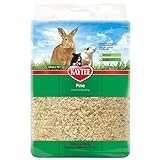
- Soft wood bedding
- All-natural and biodegradable
- Recommended for open, well ventilated cages and aquariums
- Specially processed to eliminate dust and wood debris
Bedding and nest stability
Paper-based, low-dust bedding can support burrowing and insulation. Provide enough depth for normal nesting and avoid scented, dusty, or potentially hazardous materials. Add paper strips without digging through the occupied nest. If the enclosure is dangerously wet, contaminated, or unsafe, call a veterinarian or experienced rescue before carrying out a major clean.
Water and a protected nest
Check the water source daily from outside the enclosure when possible. A bottle must not be blocked, leaking, or positioned where the mother cannot reach it. A secure hide or nest area can reduce exposure and disturbance, but installing or moving one immediately after birth may be more disruptive than helpful; prioritize quiet stability.
When to call an exotic-animal veterinarian
For maternal illness, injured pups, suspected abandonment, repeated attacks, mastitis-like swelling, bleeding, or failure to nurse, contact a veterinarian experienced with hamsters and other exotic small mammals. Emergency care should not be delayed for product shopping or remote advice. If an unexpected litter is larger than you can house, a reputable hamster rescue or responsible rehoming organization may be able to advise on safe separation and placement once the pups are old enough.
Frequently Asked Questions
Should I remove the mother from the babies if she eats one?
Usually no. Removing the mother can deprive the remaining pups of warmth and milk and may cause additional stress. Keep the enclosure quiet and seek veterinary advice if she repeatedly attacks pups, appears ill, or the babies are cold, injured, or failing to nurse.
How long should I avoid touching newborn hamster pups?
Avoid handling and nest disturbance for approximately one week unless there is an emergency. Continue essential food and water care without dismantling the nest. After that period, ask an exotic-animal veterinarian for species- and situation-specific guidance.
Can I prevent a hamster from eating her babies?
You cannot guarantee prevention, but you can reduce avoidable risks by providing complete food, constant water, safe paper nesting, appropriate warmth, a quiet enclosure, and no overcrowding or adult male. These measures support welfare; they do not eliminate biological or medical causes.
What should I do if the mother abandons the litter?
Do not immediately attempt hand-rearing or force-feeding. Keep the enclosure warm and quiet, avoid repeated handling, and contact an exotic-animal veterinarian urgently for instructions. Newborn hamsters can deteriorate quickly and are difficult to rear safely without professional guidance.
The Bottom Line
Bottom line: A hamster may eat some pups when energy is limited, the litter is too large, a pup is weak or dead, or the mother is cold, stressed, disturbed, or overcrowded. Do not blame the mother or assume that touching a pup alone caused it. Keep her and the nest quiet, provide safe paper nesting, complete food, water, and stable warmth, and call an exotic-animal veterinarian for any sign of illness, injury, repeated attacks, or failing pups.
Quick Recap
Product prices and availability are accurate as of the date/time indicated and are subject to change. Any price and availability information displayed on Amazon at the time of purchase will apply.




