Do these 3 things before closing this tab:
1Fix the driver behind crashes, sound loss and screen glitches2Clear out junk files and repair common Windows errors3Scan for outdated or missing drivers - takes under a minuteDogs can fear unfamiliar places because a location reminds them of an upsetting experience—or because something there, such as a sound, smell, surface, or object, feels threatening. Freezing, retreating, trembling, barking, whining, or refusing to move are signs of distress, not stubbornness. Help your dog by making the situation easier, pairing safe exposure with something they value, and letting them set the pace.
Why can a place feel frightening to a dog?
A dog may associate a location with an earlier painful or frightening event. A veterinary or grooming visit, for example, can make a dog wary of returning even when the original cause of distress is no longer present. Dogs may also notice environmental cues people miss, including sounds and scents, or react to an ordinary-looking object such as a statue or dumpster. Once a place predicts fear, the dog may become anxious there before the original trigger appears.
Experiences during early puppy development can matter, and pleasant, varied experiences may help puppies become more comfortable in different settings. But exposure is not automatically beneficial: an experience that overwhelms or frightens a puppy can increase fear. Socialization should be shaped around the puppy’s response, not a checklist of places to visit. The American Veterinary Society of Animal Behavior (AVSAB) makes this distinction in its guidance, “Socialization Is More Than Mere Exposure.”
How can you tell your dog is afraid?
Look at the whole pattern of behavior. Cowering, backing away, trembling, barking, whining, or refusing to move can all signal that the situation is too difficult. A dog who freezes is not necessarily being defiant; give them space rather than pulling or pushing them forward.
Crashes, No Sound, or Screen Glitches?
Random freezes, missing sound and display glitches usually trace back to one bad driver. Find and replace yours safely.Free scan · under a minuteWindows Errors? Fix Them Before They Spread
Repair common Windows errors and clear accumulated junk for a smoother, more stable PC - no reinstall needed.Free scan · no reinstall#1 Best Overall

- #1 VET-RECOMMENDED DOG ANXIETY VEST – Help your dog feel calmer. Trusted by veterinarians, trainers and millions of pet parents, ThunderShirt is the original dog calming vest used to reduce anxiety without medication.
- PATENTED DESIGN - CALMING PRESSURE TECHNOLOGY– This patented easy-to-apply dog calming vest provides constant, gentle pressure to your dog’s torso, helping ease anxiety naturally, similar to swaddling an infant.
- RESULTS DOG OWNERS TRUST – 89%* of pet parents reported improvement in their dog’s stress-related behaviors when using the ThunderShirt Dog Calming Vest.
- HELPS RELIEVE ANXIETY FROM COMMON TRIGGERS – Ideal for thunderstorms, fireworks, separation anxiety, vet visits, grooming appointments, crate training, travel, loud noises, and new visitors at home; curbing unwanted stress-related behaviors like hiding, barking, and destructive behaviors.
- COMFORTABLE & EASY TO USE – Lightweight, breathable, and machine washable dog calming vest. Simply fasten around the neck and torso for a secure fit. No training required. The Sport model is made of 100% durable, lightweight breathable polyester fabric providing comfortable, all-day wear while maintaining full mobility.
If your dog stops taking a normally appealing treat, treat that as useful information: the exercise may be too intense. Food acceptance alone does not prove a dog is comfortable, so watch their posture and movement as well. If distress appears, create more distance, reduce the intensity, or end the session.
How to build confidence gradually
Desensitization and counterconditioning mean introducing a trigger at a tolerable level and pairing it with something the dog values, so the experience can become less threatening over time. VCA’s introduction to desensitization and counterconditioning recommends starting at a non-stressful intensity and progressing only while the dog remains comfortable. There is no universal schedule or guaranteed recovery timeline.
Rank #2

- #1 VET-RECOMMENDED DOG ANXIETY VEST – Help your dog feel calmer. Trusted by veterinarians, trainers and millions of pet parents, ThunderShirt is the original dog calming vest used to reduce anxiety without medication.
- PATENTED DESIGN - CALMING PRESSURE TECHNOLOGY– This patented easy-to-apply dog calming vest provides constant, gentle pressure to your dog’s torso, helping ease anxiety naturally, similar to swaddling an infant.
- RESULTS DOG OWNERS TRUST – 89%* of pet parents reported improvement in their dog’s stress-related behaviors when using the ThunderShirt Dog Calming Vest.
- HELPS RELIEVE ANXIETY FROM COMMON TRIGGERS – Ideal for thunderstorms, fireworks, separation anxiety, vet visits, grooming appointments, crate training, travel, loud noises, and new visitors at home; curbing unwanted stress-related behaviors like hiding, barking, and destructive behaviors.
- COMFORTABLE & EASY TO USE – Lightweight, breathable, and machine washable dog calming shirt. Simply fasten around the neck and torso for a secure fit. No training required
- Look for the specific cue. Note where and when your dog becomes worried, and what is present: sounds, scents, surfaces, objects, people, animals, or movement. A location may involve several cues. When practical, change one factor at a time so you can see what your dog can handle.
- Choose an easier starting point. Begin far enough from the place, or at a quiet enough time, that your dog can notice what is happening without becoming distressed. You might start across the street, at the edge of a parking lot, or with a sound played more quietly—depending on the trigger.
- Pair the cue with something your dog values. When your dog notices the cue, offer a suitable reward such as food, play, or another favored activity. The reward should suit the individual dog. A treat pouch can make small rewards convenient to carry, but it is optional and does not treat fear.
- Make only small changes. If your dog stays relaxed and engaged, adjust one aspect slightly: distance, duration, volume, movement, or closeness to the location. Keep the next step modest rather than combining several harder conditions at once.
- Pause, retreat, or finish when needed. If your dog shows distress, increase distance, lower the intensity, or end the session. Let them move away or leave. A successful practice does not have to end with entering a building or completing a route.
Progress may require repeated, unhurried practice. One comfortable session is not a reason to rush ahead; keep working at your dog’s pace and adjust the plan if worry returns. VCA’s place-specific guidance notes, “If your dog is exposed too quickly, her fear could escalate.”
How to manage places that are hard to avoid
Management lowers the chance of overwhelming your dog while you work on the underlying fear. It is not a cure by itself, but avoiding an unnecessarily intense encounter is compatible with gradual training. AVSAB’s guide to management for fearful dogs suggests choosing quieter times, selecting routes where triggers are less likely, and using a car or tree as a visual barrier when helpful.
The Tool Desk
Outbyte Driver Updater FREEFix the driver behind crashes, sound loss and screen glitchesFind Drivers →Outbyte PC Repair FREERepair Windows errors before they cause bigger problemsFix Now →Rank #3

- #1 VET-RECOMMENDED DOG ANXIETY VEST – Help your dog feel calmer. Trusted by veterinarians, trainers and millions of pet parents, ThunderShirt is the original dog calming vest used to reduce anxiety without medication.
- PATENTED DESIGN - CALMING PRESSURE TECHNOLOGY– This patented easy-to-apply dog calming vest provides constant, gentle pressure to your dog’s torso, helping ease anxiety naturally, similar to swaddling an infant.
- RESULTS DOG OWNERS TRUST – 89%* of pet parents reported improvement in their dog’s stress-related behaviors when using the ThunderShirt Dog Calming Vest.
- HELPS RELIEVE ANXIETY FROM COMMON TRIGGERS – Ideal for thunderstorms, fireworks, separation anxiety, vet visits, grooming appointments, crate training, travel, loud noises, and new visitors at home; curbing unwanted stress-related behaviors like hiding, barking, and destructive behaviors.
- COMFORTABLE & EASY TO USE – Lightweight, breathable, and machine washable dog calming shirt. Simply fasten around the neck and torso for a secure fit. No training required
- Use a quieter route or visit at a less busy time, if possible.
- Keep enough distance for your dog to remain comfortable, and use a visual barrier when it helps.
- If ordinary walks are overwhelming, take a temporary break and offer home activities such as training games or a snuffle mat for enrichment. These activities can provide stimulation during the break, but they do not replace individualized behavior support when that is needed.
What not to do
- Do not drag, scold, or force your dog forward. VCA advises gently removing a worried dog from the situation when possible.
- Do not use overwhelming exposure as a shortcut. AVSAB warns that frightening or excessive exposure can increase fear and recommends reward-based training. Its Humane Dog Training Position Statement says teaching new skills can build confidence and offer animals alternative patterns of behavior.
- Do not assume a quiet dog is comfortable. Freezing or staying still is not proof that the dog feels safe; watch for signs of distress and allow them room to move away.
- Do not expect a quick fix. The pace depends on the dog and the situation; avoid setting a deadline or pushing on after signs of worry.
When to contact a veterinarian or behavior professional
Speak with a veterinarian if the fear is new, severe, persistent, getting worse, or could be related to pain or another health problem. A veterinary assessment can help identify medical contributors. For serious behavior problems, medication may sometimes be part of treatment, but that decision belongs to the veterinarian.
Consider experienced professional help if your dog cannot stay comfortable even at a manageable distance, reacts intensely, or is not progressing. Depending on the dog’s needs, options include a reward-based trainer with experience helping fearful dogs, a certified applied animal behaviorist, or a veterinary behaviorist. Ask how the professional works, what experience they have with fear, whether they use reward-based methods, and whether they will coordinate with your veterinarian.
Rank #4
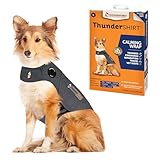
- #1 VET-RECOMMENDED DOG ANXIETY VEST – Help your dog feel calmer. Trusted by veterinarians, trainers and millions of pet parents, ThunderShirt is the original dog calming vest used to reduce anxiety without medication.
- PATENTED DESIGN - CALMING PRESSURE TECHNOLOGY– This patented easy-to-apply dog calming vest provides constant, gentle pressure to your dog’s torso, helping ease anxiety naturally, similar to swaddling an infant.
- RESULTS DOG OWNERS TRUST – 89%* of pet parents reported improvement in their dog’s stress-related behaviors when using the ThunderShirt Dog Calming Vest.
- HELPS RELIEVE ANXIETY FROM COMMON TRIGGERS – Ideal for thunderstorms, fireworks, separation anxiety, vet visits, grooming appointments, crate training, travel, loud noises, and new visitors at home; curbing unwanted stress-related behaviors like hiding, barking, and destructive behaviors.
- COMFORTABLE & EASY TO USE – Lightweight, breathable, and machine washable dog calming shirt. Simply fasten around the neck and torso for a secure fit. No training required
AVSAB’s summary of a 2025 study describes more than 370 dogs with moderate or severe fears in ASPCA behavioral rehabilitation centers. The structured shelter program included 15 minutes of behavior modification per day, five days a week, alongside enrichment and, for almost all dogs, veterinary-supervised anti-anxiety medication. Those details describe a specialized shelter program, not a schedule or medication plan to copy for a household pet.
Quick Recap
Best Value

- #1 VET-RECOMMENDED DOG ANXIETY VEST – Help your dog feel calmer. Trusted by veterinarians, trainers and millions of pet parents, ThunderShirt is the original dog calming vest used to reduce anxiety without medication.
- PATENTED DESIGN - CALMING PRESSURE TECHNOLOGY– This patented easy-to-apply dog calming vest provides constant, gentle pressure to your dog’s torso, helping ease anxiety naturally, similar to swaddling an infant.
- RESULTS DOG OWNERS TRUST – 89%* of pet parents reported improvement in their dog’s stress-related behaviors when using the ThunderShirt Dog Calming Vest.
- HELPS RELIEVE ANXIETY FROM COMMON TRIGGERS – Ideal for thunderstorms, fireworks, separation anxiety, vet visits, grooming appointments, crate training, travel, loud noises, and new visitors at home; curbing unwanted stress-related behaviors like hiding, barking, and destructive behaviors.
- COMFORTABLE & EASY TO USE – Lightweight, breathable, and machine washable dog calming vest. Simply fasten around the neck and torso for a secure fit. No training required. The Sport model is made of 100% durable, lightweight breathable polyester fabric providing comfortable, all-day wear while maintaining full mobility.
Product prices and availability are accurate as of the date/time indicated and are subject to change. Any price and availability information displayed on Amazon at the time of purchase will apply.




