
Some links on this page are affiliate links: if you buy through them we may earn a commission, at no extra cost to you.
A dog’s side-eye is not one emotion. A relaxed dog may glance sideways while keeping a loose body and soft eyes; a worried dog may turn its head away while keeping you or an object in view, exposing a crescent of white called “whale eye.” That same-looking glance can therefore mean ordinary monitoring, uncertainty, fear, conflict or resource guarding.
Read the eyes together with posture, ears, mouth, tail, movement, distance and the immediate trigger. A brief glance from a comfortable dog usually needs no intervention. Visible sclera combined with stiffness, freezing, avoidance, lip licking, growling or guarding is a request for space. Sudden or persistent squinting, redness or discharge is a possible medical problem rather than a body-language message.


As an Amazon Associate I earn from qualifying purchases.
What does it mean when a dog looks at you out of the corner of its eye?
“Side-eye” describes where a dog is looking, not why. The dog may keep its head angled away while moving its eyes toward a person, animal or object. The safest interpretation comes from the whole body and what happened immediately beforehand.
Soft, almond-shaped eyes, normal blinking, a loose jaw and relaxed muscles usually fit calm attention or simple monitoring. A dog lying comfortably might check a person approaching its bed and then return to resting. That is different from a dog that freezes, turns its head away, shows a bright white crescent and keeps watching a hand near its chew.
Popular on Amazon
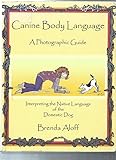
- Used Book in Good Condition
Canine body language is a set of signals rather than a word-for-word code. ASPCApro describes dogs as communicating through an “elegant, non-verbal language,” while veterinary behavior guidance stresses combining facial expression with overall body position. Treat the glance as one clue in a moving sequence: notice what the dog does next and whether its body loosens or tightens.
Is side-eye the same as “whale eye”?
No. Whale eye is a specific, more concerning visual pattern in which the sclera—the white part of the eye—shows prominently because the dog looks sideways or holds its head away while keeping attention on something. Virginia Tech Veterinary Teaching Hospital describes whale eye as a sign of anxiety and stress that may indicate fear. A normal sideways glance may show little or no white.
The Tool Desk
Outbyte PC Repair FREEClear out junk files and repair common Windows errorsFree Scan →Outbyte Driver Updater FREEFix the driver behind crashes, sound loss and screen glitchesFind Drivers →| What you see | Other clues | Most defensible reading | Safer response |
|---|---|---|---|
| Soft, almond-shaped or gently squinting eyes | Loose muscles, relaxed mouth, ordinary movement | Comfort, calm attention or affiliative behavior | Continue calmly and let the dog disengage if it chooses. |
| Brief glance while resting | Body remains loose; little or no sclera visible | Routine monitoring or a benign glance | Observe what follows instead of labeling it as spite or guilt. |
| White crescent at the outer eye (“whale eye”) | Head turned away, lowered or stiff body, ears back, lip licking or yawning | Anxiety, fear, conflict or guarding | Pause, increase distance and remove pressure. |
| Hard, unblinking stare | Frozen or forward-weighted body, tight mouth, erect ears or growl | Threat, defensive or offensive arousal, or resource guarding | Do not stare back or reach in; create space and obtain qualified help if it recurs. |
| Averted gaze with little sclera | Lowered head, small posture, retreat or avoidance | Appeasement, uncertainty or a wish to avoid conflict | Soften your approach and allow the dog to choose distance. |
The white crescent matters, but it is not a diagnosis by itself. Some dogs naturally have more visible sclera, and lighting or head shape can change what you see. Compare the dog with its own relaxed baseline and look for clusters of signals.
How can I tell whether my dog is relaxed, worried or guarding?
Start with muscle tone and movement. A relaxed dog can shift position, blink, sniff or walk away. A worried or guarding dog often becomes still or tight, controls access to a valued item or place, and watches the trigger without being able to settle.
Signs that fit a relaxed glance
- Weight is distributed naturally rather than held forward or pulled back.
- The mouth and facial muscles are loose; breathing is ordinary for the situation.
- The tail and ears move normally for that dog, without a sudden rigid change.
- The dog can turn away, approach, sniff or leave without being blocked.
Signs of anxiety or fear
Fear-related behavior may include a tucked or low posture, pinned ears, panting unrelated to heat or exercise, pacing, trembling, hiding, lip licking, yawning and attempts to move away. Whale eye often appears when the dog wants to monitor a person or object while avoiding a direct approach. A dog that feels trapped may escalate because retreat is unavailable.
Also popular on Amazon
Signs of guarding or conflict
Guarding can involve food, chews, toys, a resting place or even a person. The dog may hover over the item, lower its head, stiffen, freeze, show whale eye or stare hard when someone comes closer. A growl, lip lift, snap or bite is a warning that the dog’s discomfort has become urgent; it is not proof of “dominance” or spite.
Excitement can also enlarge pupils or make a dog intensely attentive. It is less concerning when the body stays loose and bouncy. The same eye appearance paired with freezing, stiffness or control of a resource deserves a more cautious response. The American Kennel Club’s reminder that no single body-language signal tells the whole story is especially important here.
What situations commonly trigger whale eye?
Look for the event immediately before the expression. The trigger may be obvious, such as a hand reaching toward a chew, or subtle, such as a person leaning over a resting dog.
Valued food, chews and toys
A dog may show the whites of its eyes when someone reaches for a bowl, bone or toy. Do not test the dog by repeatedly taking the item. Forced removal can teach the dog that people approaching predict loss and can make guarding more intense.
Handling and close contact
Hugging, restraining, grooming, nail care, moving a sleeping dog or touching a painful area can create pressure. A dog that turns its head away while keeping its eyes on the person may be asking for the interaction to stop, even if it has not growled.
Also popular on Amazon
Unfamiliar people, animals and places
A visitor entering the dog’s space, another animal approaching, a crowded room or a novel environment can reduce the dog’s options. Watch whether the dog can retreat. A loose dog that chooses to move away is communicating clearly; blocking that route can increase risk.
Situations with no escape
Leashes, furniture, corners, car interiors and busy gatherings can make a dog feel unable to create distance. In these settings, a sideways glance with a stiff body is more meaningful than the same glance from a dog with open space and a history of relaxing around the trigger.
What should I do when my dog gives whale eye?
The immediate goal is to reduce pressure, not to prove that the dog is safe or obedient. Use this sequence:
- Stop the pressure. Pause petting, hugging, reaching, cornering or moving closer. Ask other people to stop interacting as well.
- Turn slightly away. Avoid a prolonged direct stare, keep your movements slow and give the dog an unobstructed route out.
- Manage the distance. Move yourself or other household members away. Use a door, gate or another barrier when needed, without trapping the dog in a smaller space.
- Leave valued items alone. If food, a toy or a resting place is involved, do not forcibly take it. Any trade or behavior plan should be designed with a qualified, reward-based professional.
- Record the pattern. Note the trigger, distance, body posture, sounds, what ended the episode and whether the dog could retreat. A short, safely obtained video can help a veterinarian or behavior professional, but never provoke the display for footage.
- Escalate help when warnings recur. Repeated freezing, growling, snapping, lunging or guarding warrants an individualized assessment. Keep children and visitors from approaching the dog around known triggers while you arrange that help.
Why shouldn’t I punish a dog for growling or showing whale eye?
Punishment may stop an audible warning without changing the fear, conflict or guarding underneath it. If the dog learns that growling brings punishment, it may suppress the growl and move more quickly to a snap or bite. Treat the warning as useful information: increase distance, remove the immediate pressure and change the setup.
What’s actually slowing this PC down?
Pick the symptom - the matching free tool is one click away.
A behavior professional can build a plan around management, gradual exposure and reinforcement of calm choices. The plan must match the trigger and the dog’s threshold; forcing the dog to “face” the problem or taking a resource to demonstrate control can make the association worse.
Also popular on Amazon
How can I help a dog that often gives side-eye?
First, prevent avoidable rehearsals. Feed and provide chews in a quiet area, give the dog a bed that people do not invade, and use gates or separate rooms during busy events. Teach household members—especially children—to leave a dog alone while it is eating, sleeping, chewing or trying to retreat.
Then seek a veterinary and behavioral evaluation if the pattern is new, intense or spreading to more situations. A veterinarian can check for pain or illness and refer you to an appropriately qualified behavior consultant or force-free trainer. Professional directories maintained by organizations such as the International Association of Animal Behavior Consultants, the Association of Professional Dog Trainers and the Pet Professional Guild can help identify candidates; verify current credentials and availability in your area.
Keep a simple log with date, trigger, distance, body signals and outcome. Patterns often reveal that the dog is reacting to one specific action—such as a hand over a bowl—rather than to people generally. Share the log with the professionals helping you, and do not deliberately recreate a dangerous episode.
Quick wins for a faster PC:
Clear out junk files and repair common Windows errorsFree Scan →Scan for outdated or missing drivers - takes under a minuteDriver Scan →Repair Windows errors before they cause bigger problemsFix Now →Could a squint be a medical problem instead of body language?
Yes. A dog that suddenly squints, keeps one eye partly closed, rubs its eye, develops redness or discharge, or reacts strongly to light may be in pain or have an eye disorder. Those signs need veterinary assessment; do not assume every narrowed eye is whale eye.
Medical discomfort can also lower a dog’s tolerance for handling and make defensive behavior appear suddenly. Tell the veterinarian when the eye change began, whether one or both eyes are affected, and what activities or touch make it worse. Avoid putting human eye drops or leftover medication in the eye unless a veterinarian specifically directs you.
Also popular on Amazon
Does a side-eye mean my dog feels guilty or annoyed?
Not reliably. Dogs can look sideways after a person raises their voice or approaches a mess, but the expression is more likely to reflect current social pressure, uncertainty or an attempt to avoid conflict than an understanding of a moral rule. “Guilty-looking” behavior should prompt you to examine what the dog is experiencing now, not to assign a human motive.
Likewise, “annoyed” is too broad to guide safety. A loose dog may simply be monitoring you; a rigid dog may be frightened or guarding. Base your response on observable tension, distance and the trigger.
Do these 3 things before closing this tab:
1Clear out junk files and repair common Windows errors2Fix the driver behind crashes, sound loss and screen glitches3Repair Windows errors before they cause bigger problemsWhen is side-eye an emergency?
Seek urgent help if a dog has bitten, made repeated contact attempts, cannot disengage, or is guarding a person or object in a way that puts household members at immediate risk. Separate people and animals safely, avoid reaching into the dog’s space and contact a veterinarian or qualified behavior professional for a management plan.
Eye pain can also require prompt veterinary care, especially with trauma, marked redness, discharge, cloudiness, persistent closure of the eye or severe light sensitivity. Behavioral and medical causes can coexist, so a sudden change deserves attention even when the body language looks familiar.
Frequently Asked Questions
Why does my dog give me side-eye while I pet it?
The dog may be checking your hands, anticipating more handling or asking for a pause. Stop briefly and see whether the body softens, the dog moves closer by choice or it leaves; repeated tension during touch should be discussed with a veterinarian or behavior professional.
Do puppies give whale eye too?
Yes. Puppies can show the same stress pattern, especially during restraint, unfamiliar handling or competition over food and toys. Because their signals and bite inhibition are still developing, use gentle management and professional guidance rather than repeated tests.
Recommended Free Tools
Can a dog show whale eye when it is happy?
Arousal can make a dog’s eyes look larger, but conspicuous sclera paired with stiffness, freezing or avoidance is not a sign to dismiss as happiness. Judge the entire posture and whether the dog can move freely and settle.
Should I look away when my dog side-eyes me?
Avoid a prolonged, confrontational stare and turn your body slightly aside while creating room. A brief glance away is not a command; continue observing from a distance and let the dog choose whether to approach or disengage.





Leave a Reply